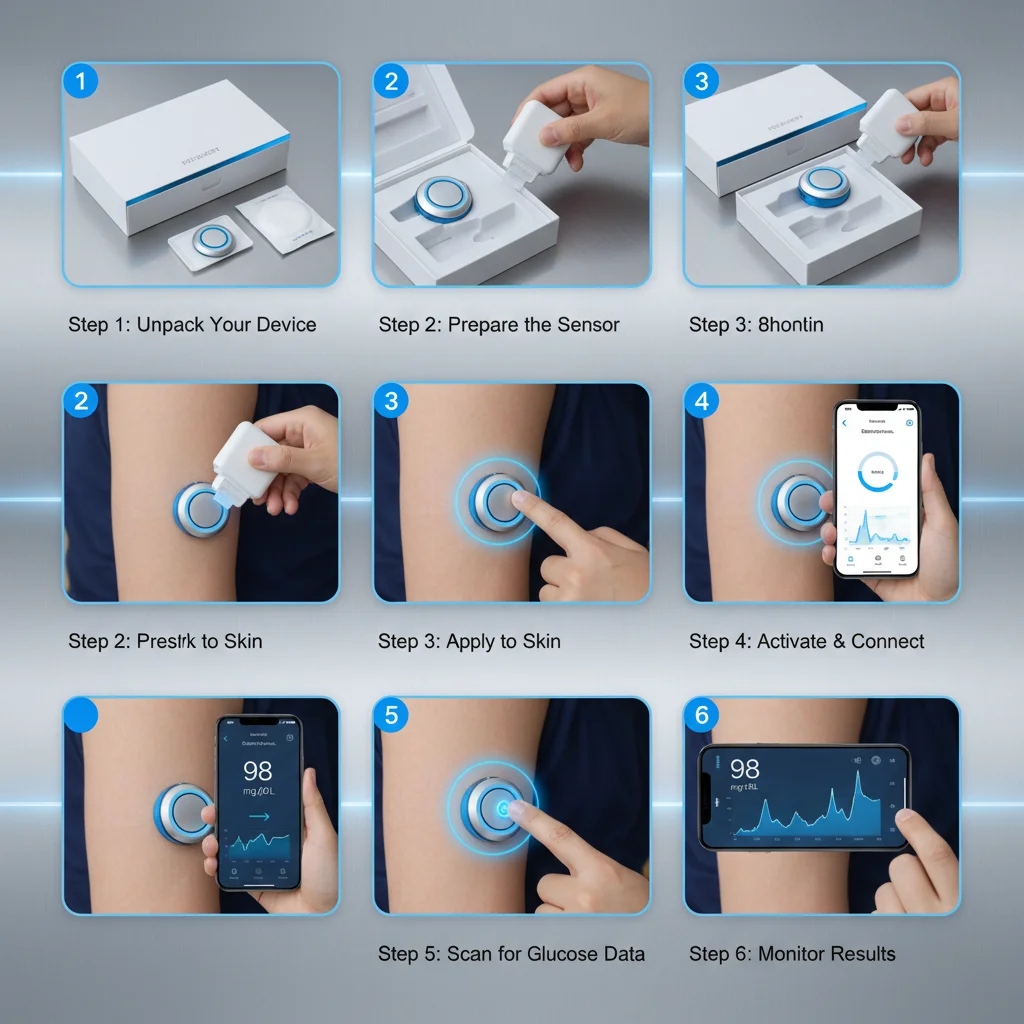
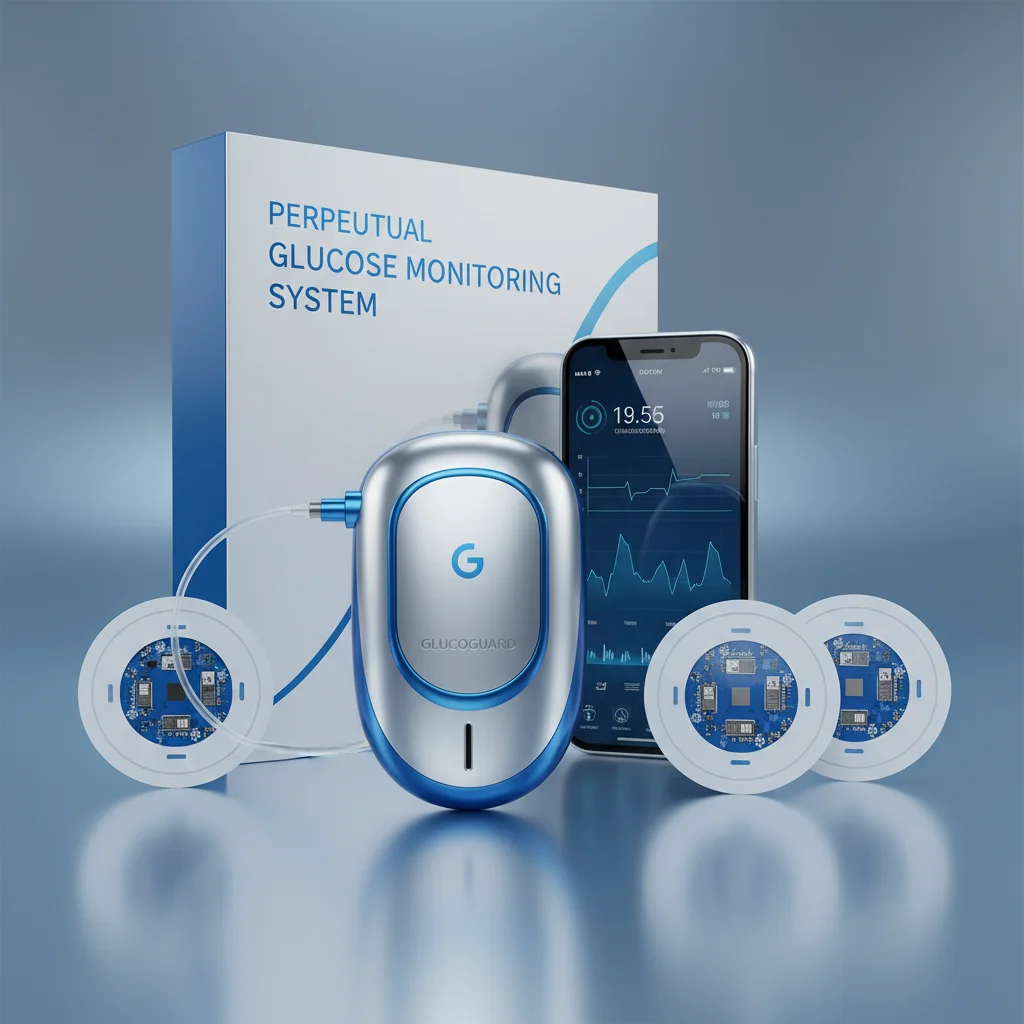
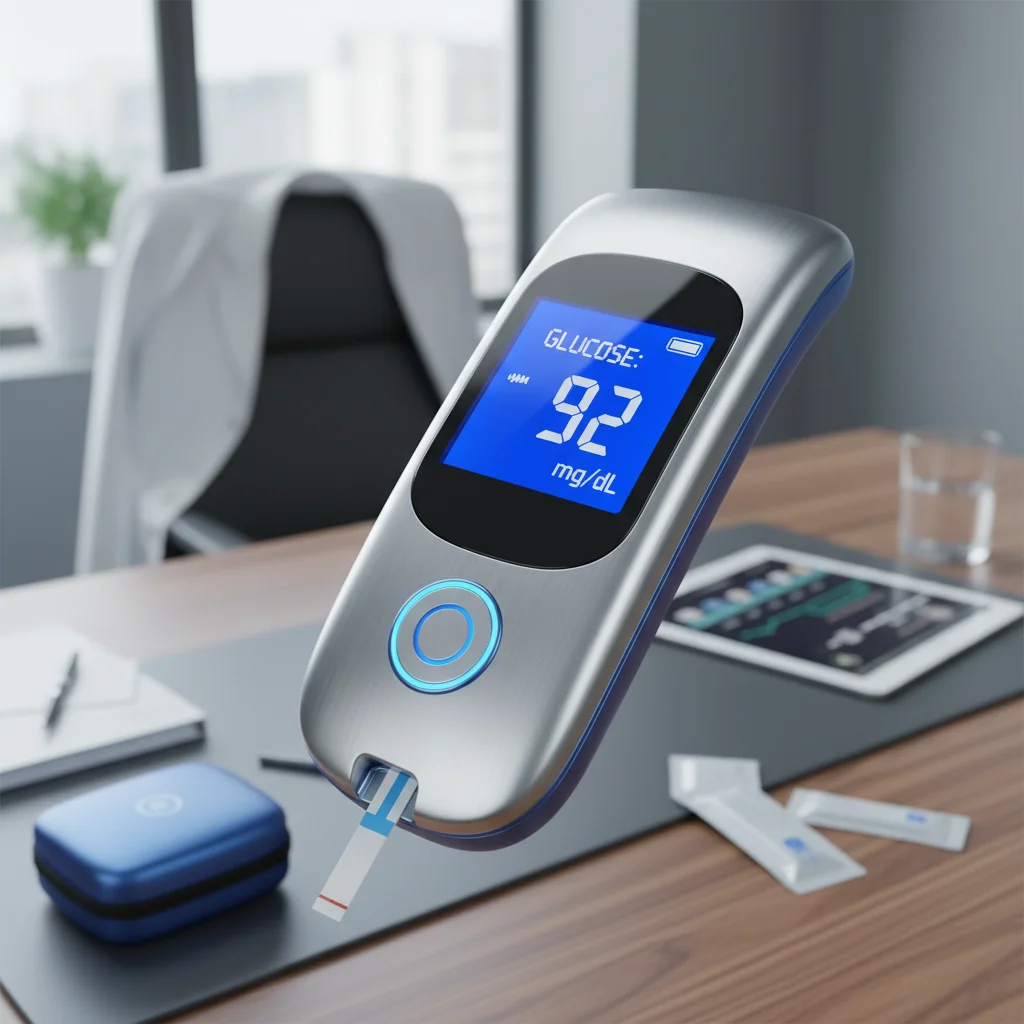
Managing diabetes or simply monitoring blood glucose levels has traditionally involved painful finger pricks. Fortunately, advancements in technology have led to the development of non invasive blood glucose monitor products, offering a pain-free and convenient alternative. This article explores the benefits, technology, and applications of these innovative devices, providing a comprehensive guide for those seeking a more comfortable way to track their glucose levels. We'll delve into how these monitors are changing the landscape of diabetes management and proactive health monitoring.
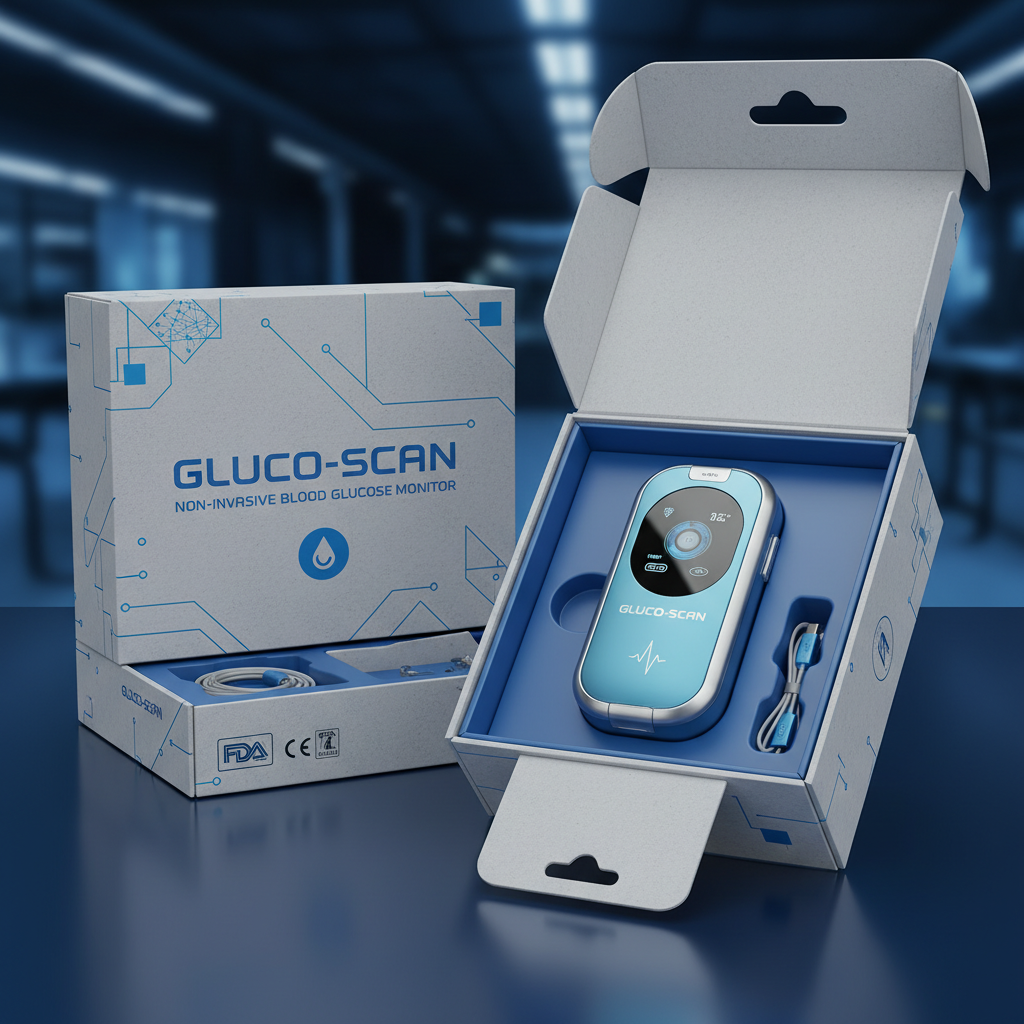
Traditional glucose monitoring relies on drawing blood from the fingertip, which can be uncomfortable and inconvenient. Non-invasive blood glucose monitors utilize various technologies to measure glucose levels through the skin, without the need for needles. These technologies often involve spectroscopic methods, such as near-infrared (NIR) or Raman spectroscopy, which analyze how light interacts with glucose molecules in the interstitial fluid. This provides a real-time or near real-time glucose reading, offering a significant improvement over traditional methods. These devices often connect to smartphones via Bluetooth, allowing for easy data tracking and sharing with healthcare professionals.
Key Benefits: Pain-free monitoring, increased convenience, continuous glucose insights, improved patient compliance, and remote data sharing.
The core principle behind these monitors is the use of light. Different molecules absorb and scatter light in unique ways. Non-invasive monitors emit a specific type of light – typically near-infrared (NIR) – onto the skin. Sensors then analyze the reflected light to determine the concentration of glucose in the interstitial fluid beneath the skin. Algorithms are employed to filter out noise and provide accurate glucose readings. It's important to note that these devices are still evolving, and accuracy can be affected by factors like skin pigmentation, hydration levels, and body temperature. XMYLCGM utilizes advanced algorithms to minimize these effects and provide reliable data.
Core Technologies:
• Near-Infrared (NIR) Spectroscopy
• Raman Spectroscopy
• Radiofrequency (RF) Technology
• Ultrasonic Technology
The market for non invasive blood glucose monitor products is rapidly expanding, with various devices utilizing different technologies. Choosing the right monitor requires careful consideration of factors like accuracy, ease of use, data connectivity, and price. Here’s a comparison of common features:
While initially targeted towards individuals with diabetes, the benefits of non-invasive glucose monitoring extend to a broader audience. Individuals seeking proactive health management, athletes monitoring glucose levels for performance optimization, and those with pre-diabetes can all benefit from the convenience and insights provided by these devices. The pain-free nature of these monitors encourages more frequent monitoring, leading to better awareness and control of blood glucose levels. XMYLCGM aims to empower individuals to take control of their health through advanced and user-friendly technology.
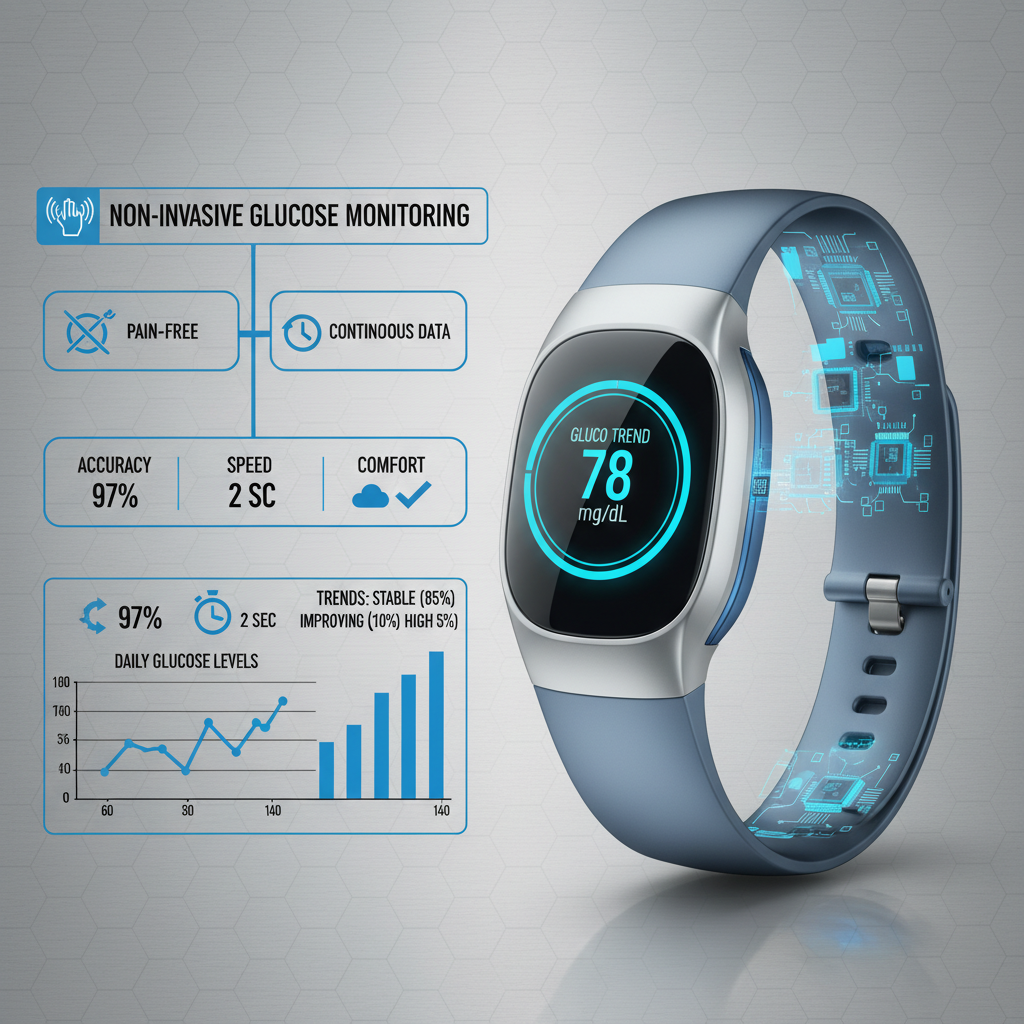
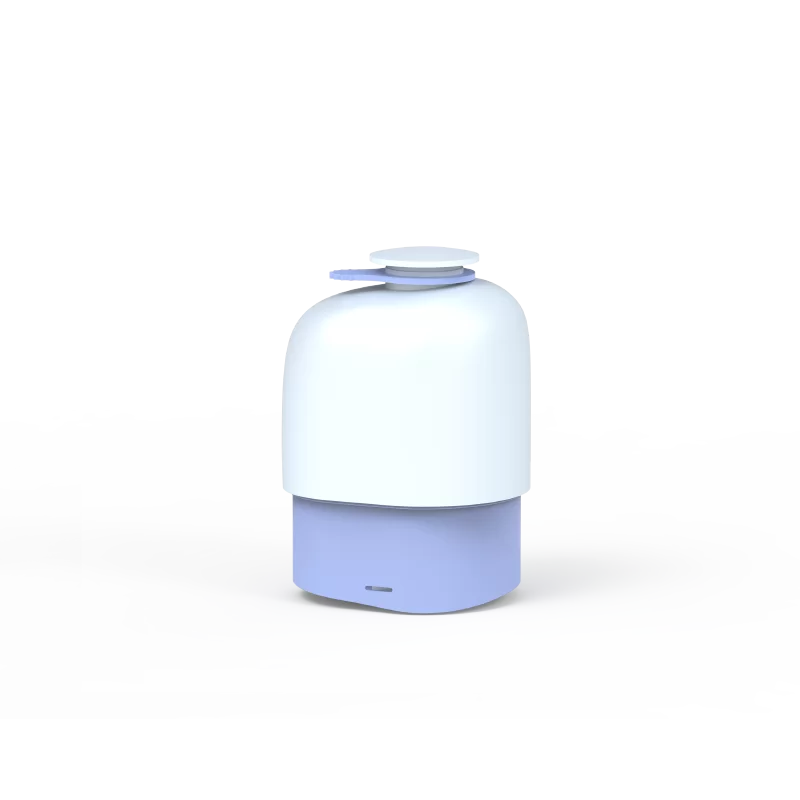
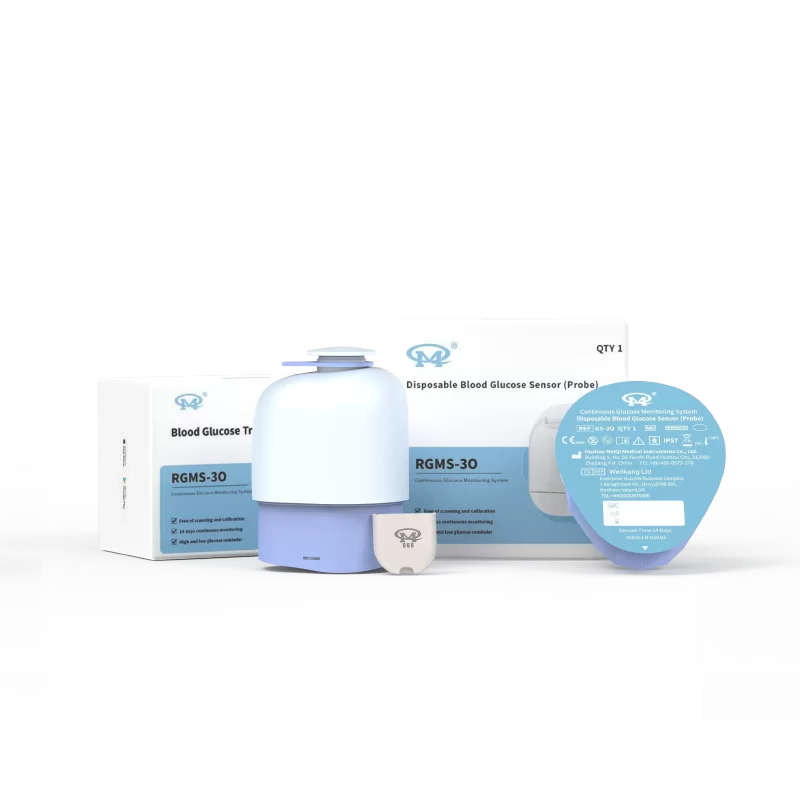
XMYLCGM offers a cutting-edge non-invasive glucose monitor designed for accuracy and ease of use. Here's a detailed look at the specifications and key advantages:
The XMYLCGM non invasive blood glucose monitor represents a significant step forward in diabetes management and proactive health monitoring. By eliminating the need for painful finger pricks and providing continuous glucose insights, it empowers individuals to take control of their health with confidence and comfort. Embrace the future of glucose monitoring with XMYLCGM and experience the difference.
While non-invasive monitors have made significant strides in accuracy, they aren't yet as precise as traditional blood glucose meters that use finger-prick samples. Current models, like XMYLCGM, typically have an accuracy of ±15mg/dL. It's important to note that accuracy can be affected by various factors, including skin pigmentation, hydration, and temperature. However, for many users, the convenience and pain-free nature of non-invasive monitoring outweigh the slight difference in accuracy. It is always best to consult with your physician to determine if a non-invasive monitor is appropriate for your individual needs.
Absolutely. Non-invasive glucose monitors are valuable tools for self-monitoring, but they should not replace regular checkups with your doctor. It's crucial to continue seeing your healthcare provider for comprehensive assessments, including A1C tests and other relevant screenings. Your doctor can provide personalized guidance and adjust your treatment plan as needed based on your overall health status.
Yes, XMYLCGM is designed with user-friendliness in mind. The device is compact, lightweight, and easy to operate. The accompanying smartphone app provides a clear and intuitive interface for viewing glucose readings, tracking trends, and sharing data with your healthcare provider. We also provide comprehensive user manuals and online support resources to ensure a smooth experience.
The XMYLCGM monitor provides up to 24 hours of continuous monitoring on a single charge. The charging process is quick and easy, typically taking around 2-3 hours. The app will notify you when the battery is running low, allowing you to recharge the device conveniently.