The global healthcare landscape is witnessing a paradigm shift toward personalized, home-based diagnostics, where portable glucose monitor Products play a pivotal role. For millions of individuals living with diabetes, the ability to monitor blood sugar levels in real-time is not merely a convenience but a life-saving necessity that prevents acute complications like hypoglycemia and hyperglycemia.
Modern advancements in biosensor technology have transformed these devices from bulky laboratory equipment into sleek, handheld tools. By integrating high-precision enzymatic electrodes with digital processing, portable glucose monitor Products now offer clinical-grade accuracy while remaining accessible to non-professional users in diverse environments.
Understanding the intricacies of these devices—from their electrochemical mechanisms to their data integration capabilities—is essential for healthcare providers and patients alike. As we move toward an era of integrated health ecosystems, these monitors serve as the primary data source for glycemic control, improving long-term patient outcomes and reducing the burden on global hospital infrastructures.
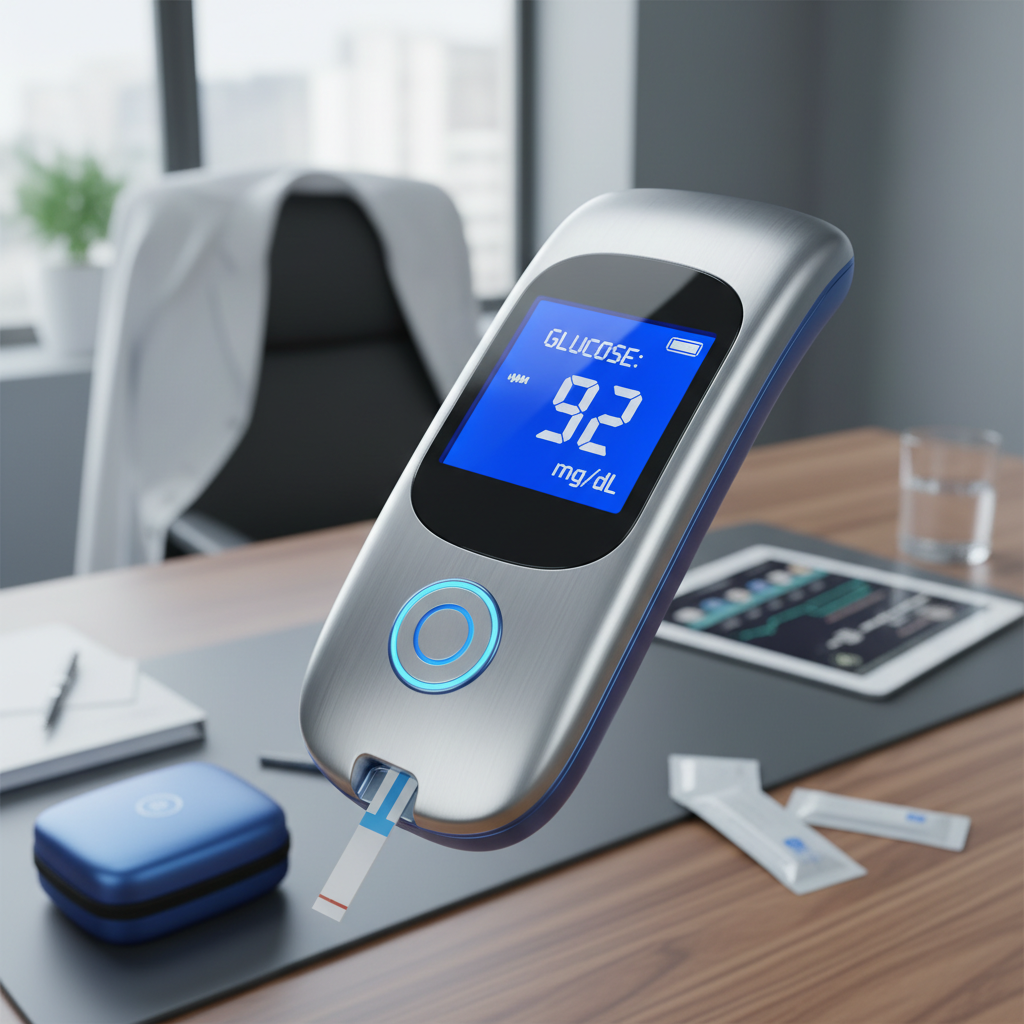
Global Relevance of Portable Glucose Monitor Products
According to the International Diabetes Federation (IDF), hundreds of millions of people worldwide are affected by diabetes, with a rising prevalence in low- and middle-income countries. The demand for portable glucose monitor Products has surged as healthcare systems shift toward preventative care. In many regions, the lack of centralized laboratory access makes these portable devices the only viable method for managing chronic glycemic conditions.
The challenge lies in bridging the gap between affordability and clinical accuracy. Many traditional monitoring methods require frequent hospital visits, which can be prohibitively expensive or geographically impossible for rural populations. Portable solutions address this by decentralizing diagnostic power, allowing users to make immediate insulin dosage adjustments based on accurate, on-the-spot readings.
Defining Modern Portable Glucose Monitoring Systems
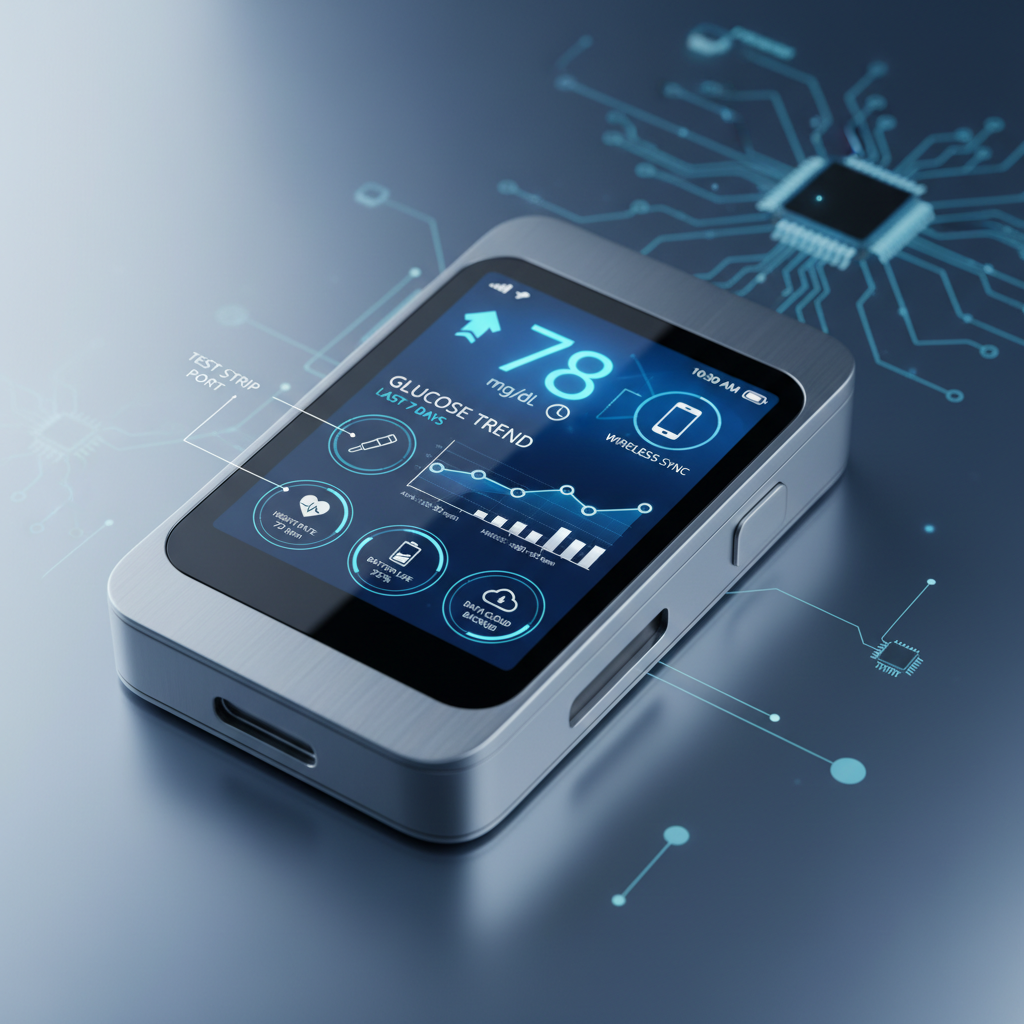
At its core, portable glucose monitor Products are sophisticated diagnostic tools designed to measure the concentration of glucose in the blood, typically via a small capillary sample. Unlike traditional venous blood draws, these systems utilize electrochemical biosensors that react with the glucose in a drop of blood, generating an electrical current proportional to the sugar concentration.
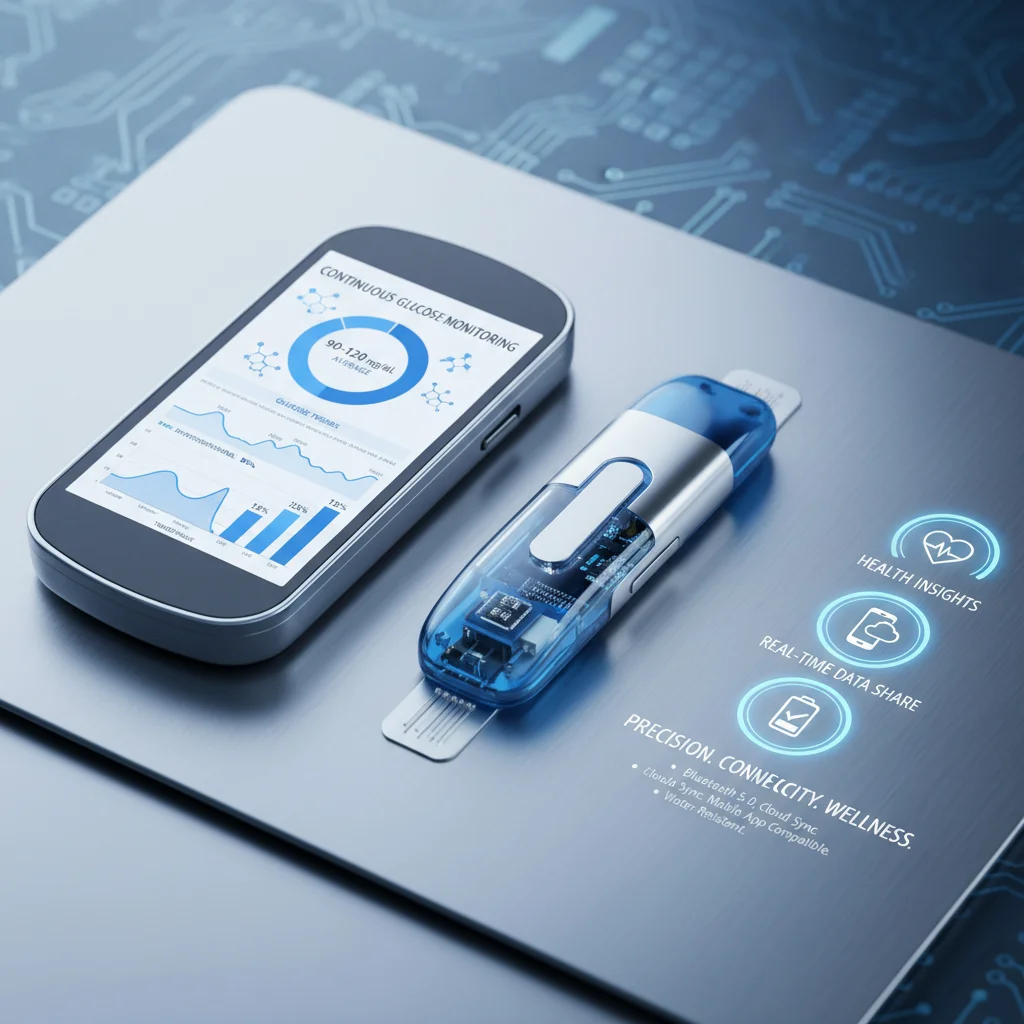
From an industry perspective, these devices represent the intersection of biotechnology and microelectronics. They are no longer simple meters but are now integrated systems often featuring Bluetooth connectivity, cloud-based data logging, and algorithmic trend analysis. This transformation ensures that "portable" does not mean "simplified," but rather "optimized for mobility."
In humanitarian contexts, these devices are indispensable. In refugee camps or disaster-stricken areas where medical infrastructure has collapsed, the deployment of ruggedized portable glucose monitor Products allows NGOs and field medics to manage diabetic patients effectively, preventing life-threatening ketoacidosis in unstable environments.
Core Components of High-Precision Monitors
The primary driver of accuracy in portable glucose monitor Products is the biosensor strip. These strips are coated with specific enzymes, such as glucose oxidase (GOx) or glucose dehydrogenase (GDH), which catalyze the oxidation of glucose. The resulting electron transfer is captured by a gold or carbon electrode, converting a biological signal into a digital value.
Another critical factor is the signal processing unit. Advanced portable glucose monitor Products utilize temperature compensation algorithms to adjust for environmental fluctuations. Since enzyme activity is highly temperature-dependent, an onboard thermistor ensures that a reading taken in a cold winter morning is as accurate as one taken in a tropical climate.
Finally, the user interface and data storage capacity determine the device's scalability in clinical trials. Modern monitors often include memory chips capable of storing hundreds of readings, allowing physicians to review glycemic trends over weeks rather than relying on a patient's handwritten log, thus enhancing the E-E-A-T (Experience, Expertise, Authoritativeness, and Trustworthiness) of the medical data.
Performance Benchmarks and Efficiency Metrics
Evaluating the efficacy of portable glucose monitor Products requires a look at the ISO 15197 standards, which dictate the allowable margins of error. The industry focuses on "Mean Absolute Relative Difference" (MARD), where a lower percentage indicates higher accuracy. The goal is to minimize the gap between portable readings and laboratory-grade venous plasma tests.
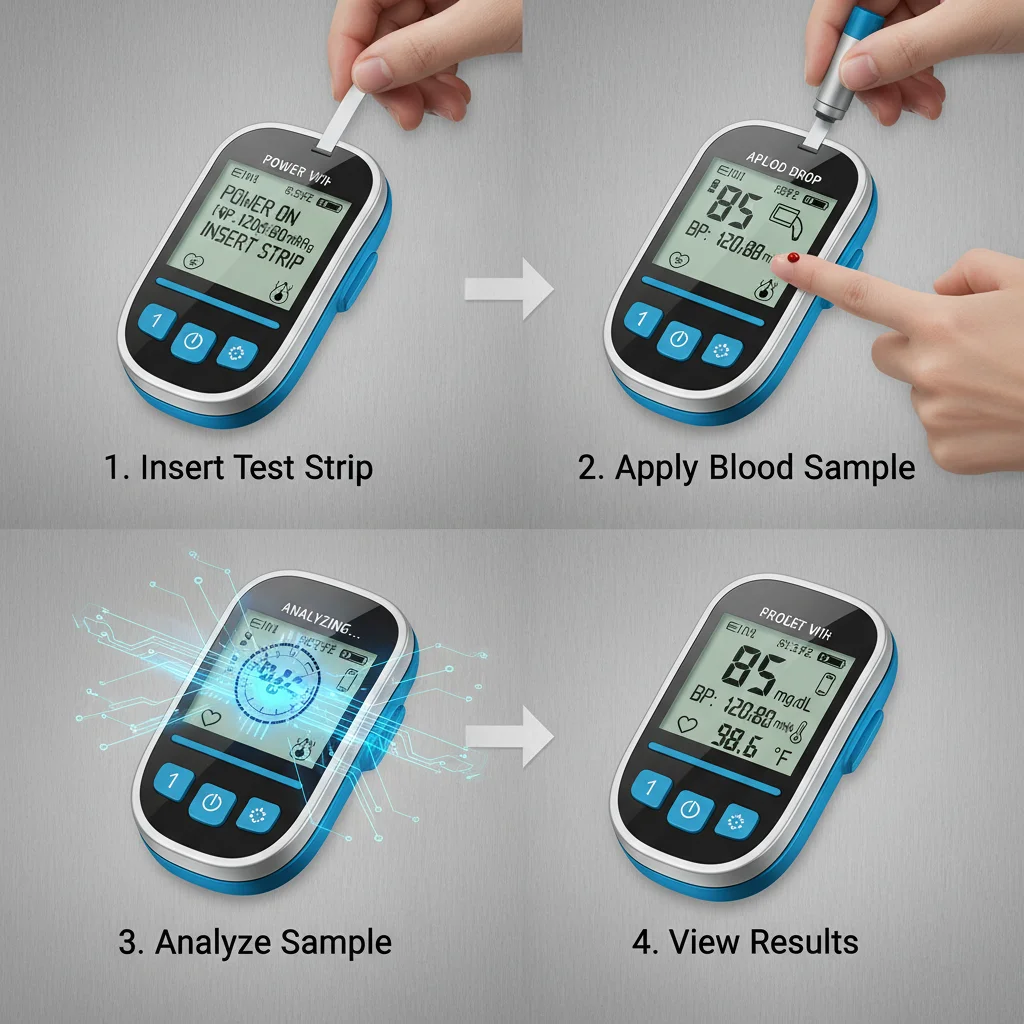
Beyond accuracy, operational efficiency—such as the time required for a reading (typically 5 seconds or less) and the minimum blood volume needed (often under 0.5 microliters)—defines the patient experience. Reducing the "pain point" of testing increases patient compliance, which directly correlates to better A1C levels over time.
Comparative Performance of Portable Glucose Monitor Products
Real-World Applications and Global Use Cases
In remote industrial zones, such as offshore oil rigs or mining sites, portable glucose monitor Products are integrated into occupational health kits. Because these workers operate in high-stress environments where a sudden hypoglycemic episode could lead to catastrophic industrial accidents, rapid-access monitoring is a critical safety protocol.
Furthermore, in the context of geriatric care in developed nations, these products are often linked to telehealth platforms. When a senior citizen's reading exceeds a certain threshold, the portable glucose monitor Products can automatically trigger an alert to a designated caregiver or physician, enabling proactive intervention without the need for the patient to leave their home.
Long-Term Value and Clinical Advantages
The long-term value of adopting high-quality portable glucose monitor Products extends beyond mere blood sugar numbers; it is about the preservation of dignity and quality of life. By reducing the reliance on invasive clinical visits, patients gain a sense of autonomy and confidence in managing their own health, which significantly reduces the psychological stress associated with chronic disease.
From an economic perspective, the reliability of these devices leads to a massive reduction in emergency room admissions. When patients can detect a glucose spike early and treat it with medication at home, the cost to the public health system is drastically lowered. This makes the wide-scale distribution of portable glucose monitor Products a sustainable investment for national health ministries.
Ultimately, the trust built between the user and the device is the foundation of successful treatment. When a monitor provides consistent, repeatable results, the patient is more likely to adhere to their dietary and medicinal regimens, leading to a measurable decrease in long-term complications such as neuropathy, retinopathy, and kidney failure.
Future Innovations in Glucose Sensing Technology
The trajectory of portable glucose monitor Products is moving rapidly toward non-invasive sensing. Researchers are currently exploring Raman spectroscopy and interstitial fluid analysis via microneedles to eliminate the need for finger-pricking entirely. This digital transformation will likely integrate with wearable AI that predicts glucose swings before they happen, based on heart rate and sleep patterns.
Sustainability is also becoming a core focus. The industry is shifting toward biodegradable sensor strips to reduce the environmental impact of millions of plastic-based disposables. Green chemistry is being applied to the enzyme stabilization process, ensuring that portable glucose monitor Products can maintain shelf-stability without requiring energy-intensive refrigerated transport.
Integration with the "Internet of Medical Things" (IoMT) will allow for real-time synchronization with insulin pumps, creating a "closed-loop" system—essentially an artificial pancreas. In this future, portable glucose monitor Products will act as the sensory organ of a fully automated glycemic management system.
Technical Comparison of Future Glucose Monitoring Technologies
| Technology Type |
Invasiveness Level |
Accuracy Score (1-10) |
Market Readiness |
| Electrochemical Strips |
Minimally Invasive |
9 |
Mature |
| Continuous CGM (Subcutaneous) |
Slightly Invasive |
8 |
High |
| Optical/Raman Sensing |
Non-Invasive |
6 |
Experimental |
| Interstitial Fluid Patches |
Minimally Invasive |
7 |
Emerging |
| Tear-based Biosensors |
Non-Invasive |
5 |
Prototype |
| Smart Watch Integration |
Non-Invasive |
6 |
Developmental |
FAQS
The primary advantage is immediacy. While lab tests are the gold standard for accuracy, they require time for sampling and processing. Portable glucose monitor Products provide results in seconds, allowing for real-time decision-making regarding medication and diet, which is critical for avoiding acute hypoglycemic events.
Calibration requirements vary by product. Traditional strip-based monitors are calibrated via the coding of the strip batch, while Continuous Glucose Monitors (CGMs) may require a finger-stick calibration once or twice daily to ensure the sensor remains aligned with actual blood glucose levels.
Most high-end portable glucose monitor Products include temperature compensation algorithms. However, extreme heat or cold can still affect the chemical reaction on the test strip. It is always recommended to keep strips in a cool, dry place and allow the meter to reach room temperature before testing.
Yes, most modern portable glucose monitor Products feature Bluetooth or NFC connectivity. This allows data to be synced automatically to health apps, enabling users to share detailed glycemic reports with their doctors instantly via PDF or cloud dashboards.
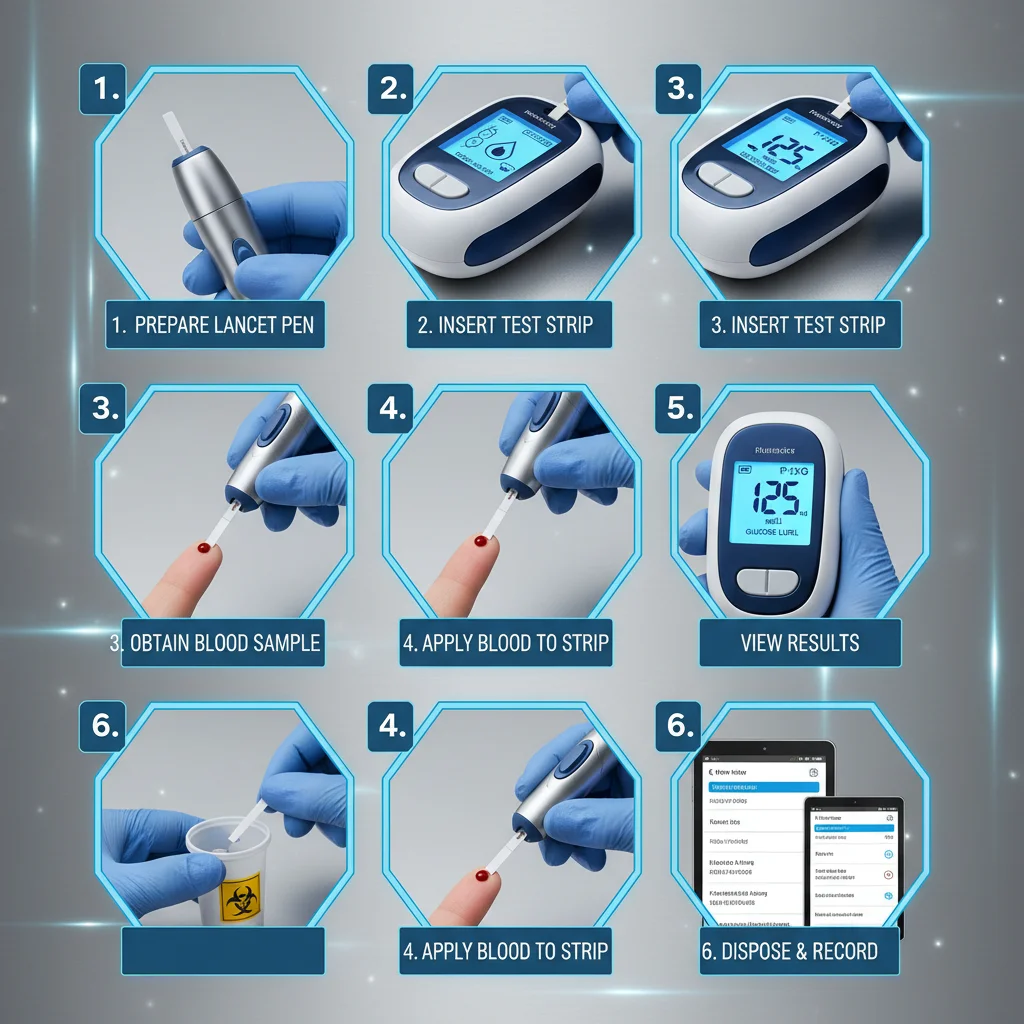
To maximize accuracy, ensure your hands are clean and dry, as alcohol or food residue can contaminate the sample. Always use strips that are within their expiration date and ensure the strip is fully inserted into the meter before applying the blood drop.
Importing portable glucose monitor Products requires adherence to local medical device regulations (such as FDA in the US or CE marking in Europe). Organizations should partner with certified manufacturers who provide full documentation on ISO standards and clinical validation data to streamline customs and regulatory approval.
Conclusion
The evolution of portable glucose monitor Products has fundamentally changed the trajectory of diabetes management, moving the center of care from the clinic to the palm of the patient's hand. By combining electrochemical precision with digital connectivity and user-centric design, these devices have reduced the risks of chronic complications and empowered millions to lead more active, independent lives.
Looking forward, the integration of non-invasive sensing and AI-driven predictive analytics will likely render the traditional finger-stick obsolete. For healthcare providers and patients, the focus must remain on choosing devices that balance cost with clinical reliability. We invite you to explore our range of advanced diagnostic solutions to find the perfect fit for your healthcare needs. Visit our website: www.xmylcgm.com