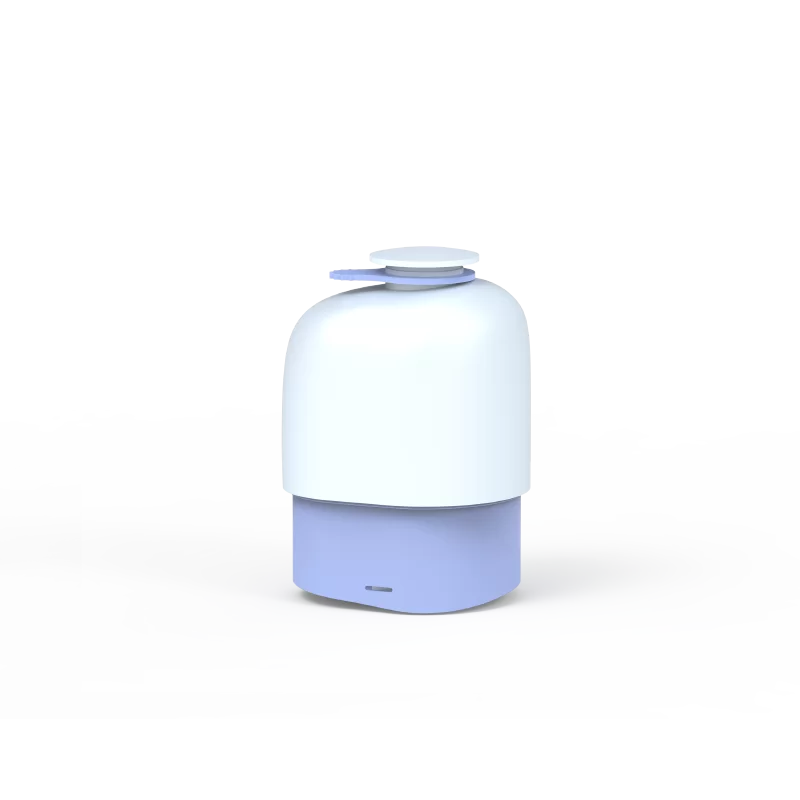
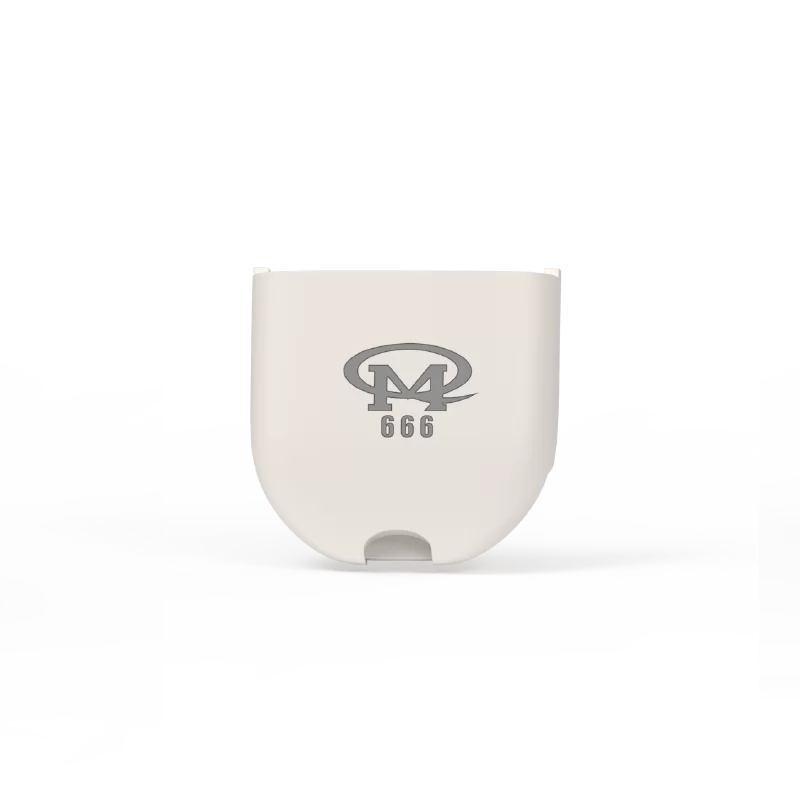
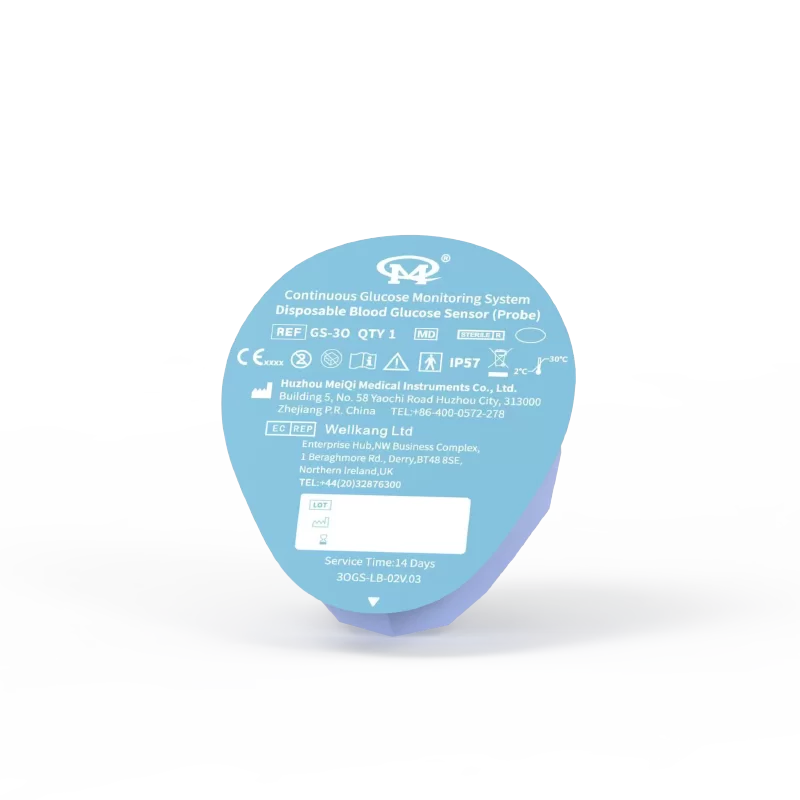
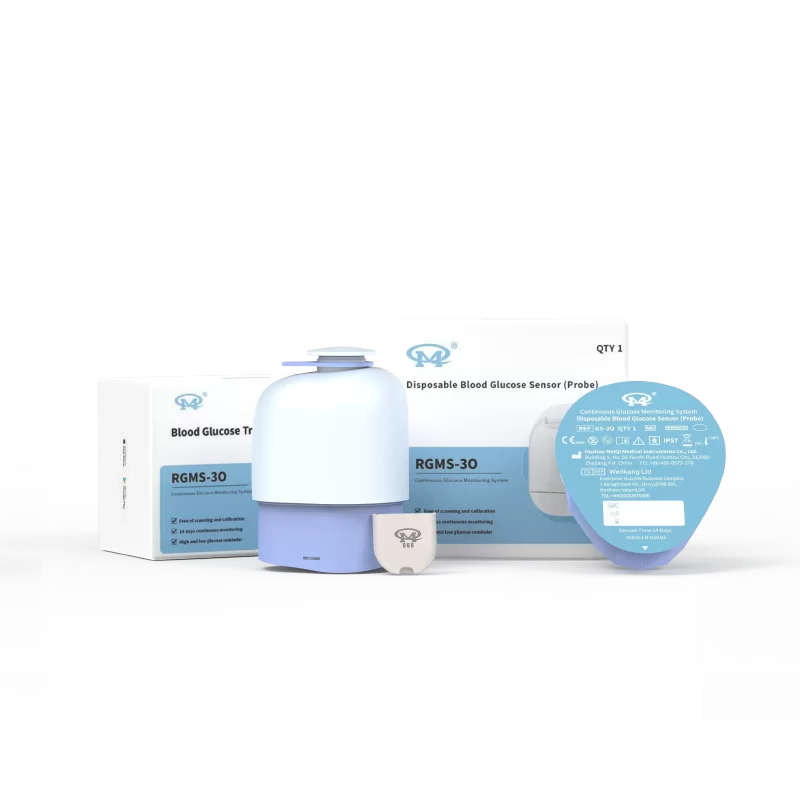
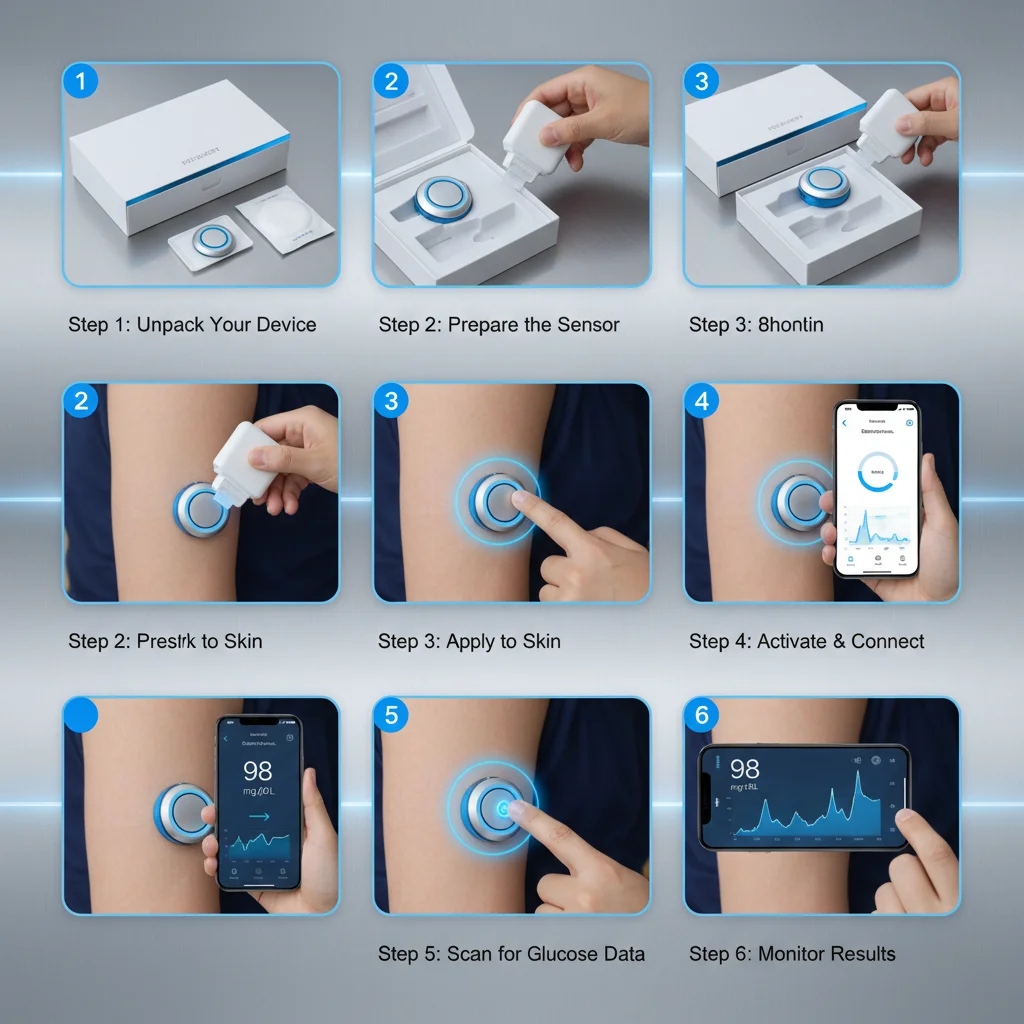
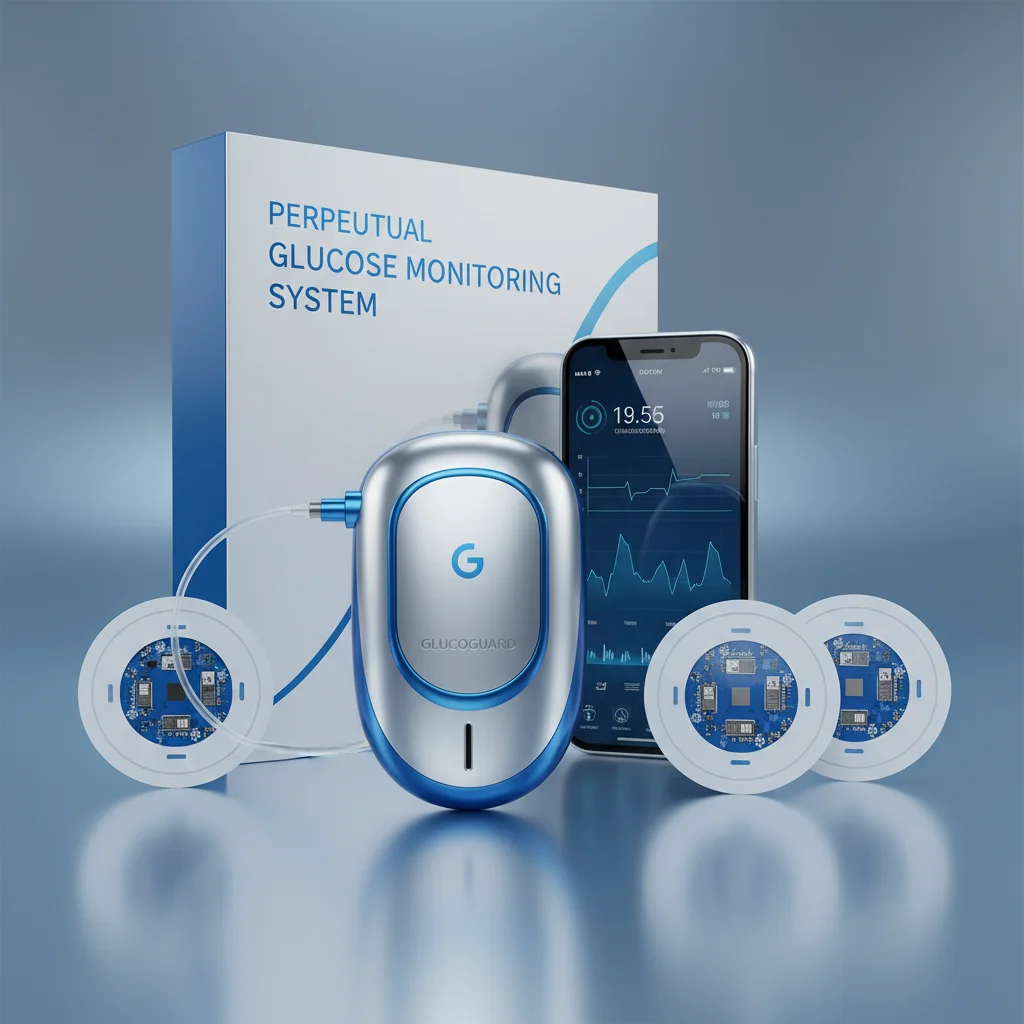
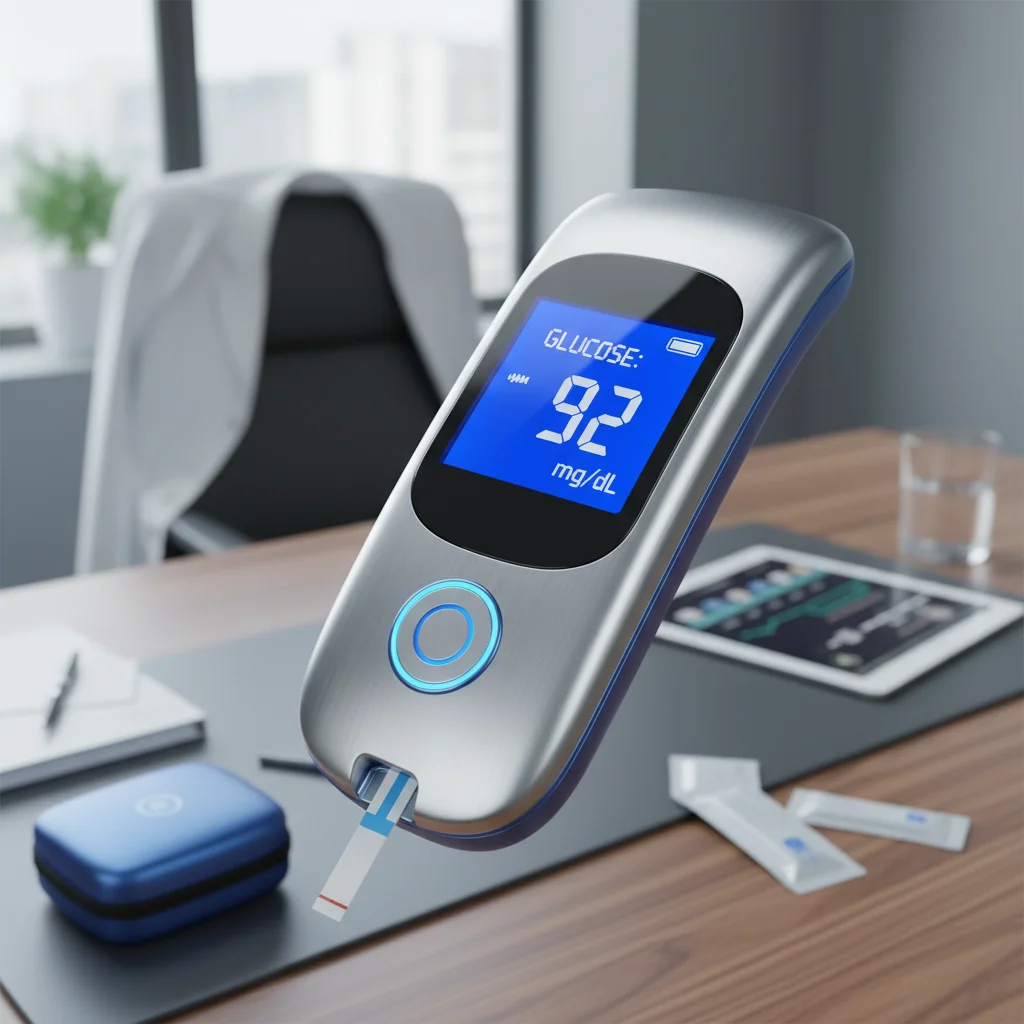
Managing diabetes effectively requires consistent blood glucose monitoring. Thankfully, technology has advanced beyond traditional finger-prick methods. Bloodless glucose monitors, also known as Continuous Glucose Monitors (CGMs), offer a painless and convenient way to track glucose levels in real-time. This article explores the benefits, features, and considerations when choosing the right bloodless glucose monitor. We'll delve into how these devices are revolutionizing diabetes management and improving the quality of life for individuals with diabetes.
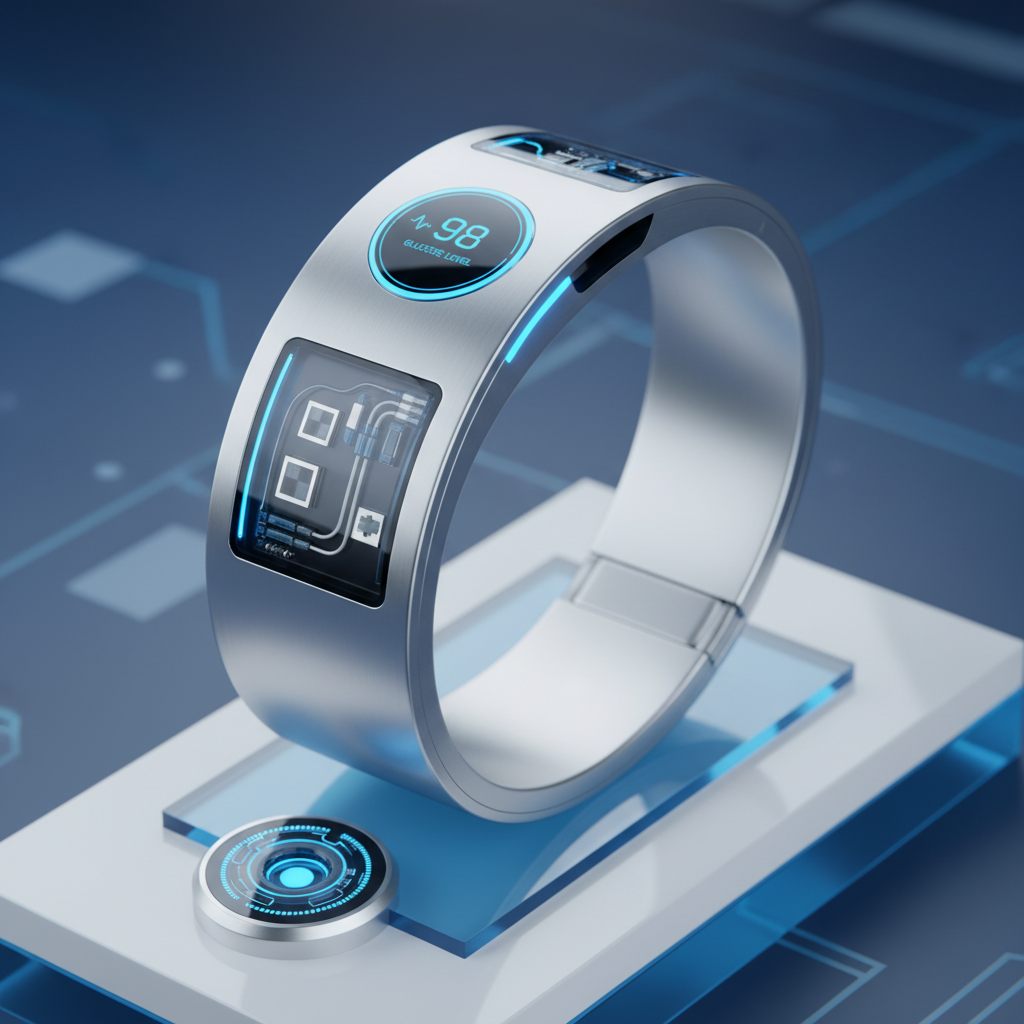
Unlike traditional glucose meters that require a finger-prick blood sample, CGMs utilize a small sensor inserted under the skin to measure glucose levels in interstitial fluid. This fluid surrounds the cells and provides a near-real-time reflection of blood glucose levels. The sensor transmits data wirelessly to a receiver or smartphone app, displaying glucose trends, patterns, and alerts. This continuous monitoring provides a more complete picture of glucose control than infrequent finger-prick tests. XMYLCGM offers innovative CGM solutions designed for accuracy and comfort.
Key Benefits: Painless monitoring, real-time glucose readings, trend arrows, alerts for high/low glucose, data sharing with healthcare providers.
Several factors should be considered when choosing a bloodless glucose monitor. Accuracy is paramount, ensuring reliable readings for informed decision-making. Consider the sensor lifespan – how often does the sensor need to be replaced? Connectivity options (Bluetooth, Wi-Fi) and compatibility with smartphones are also important. Ease of use and the availability of customer support are crucial, especially for new users. Finally, cost is a significant factor, including the initial purchase price of the receiver and the ongoing cost of sensors. Explore XMYLCGM's range of CGMs to find the best fit for your needs.
Key Considerations:
• Accuracy and Reliability
• Sensor Lifespan and Replacement Cost
• Connectivity and Data Management
• Ease of Use and Support
Choosing the right CGM can be challenging with numerous options available. Here's a comparison of some popular models, including those offered by XMYLCGM.
The benefits of using bloodless glucose monitors are numerous. They offer a more comprehensive understanding of glucose trends, empowering individuals to make informed decisions about diet, exercise, and medication. The real-time data and alerts help prevent dangerous highs and lows, improving overall diabetes management. The pain-free nature of CGM encourages consistent monitoring, leading to better adherence and improved health outcomes. Ultimately, CGMs contribute to a higher quality of life for those living with diabetes.
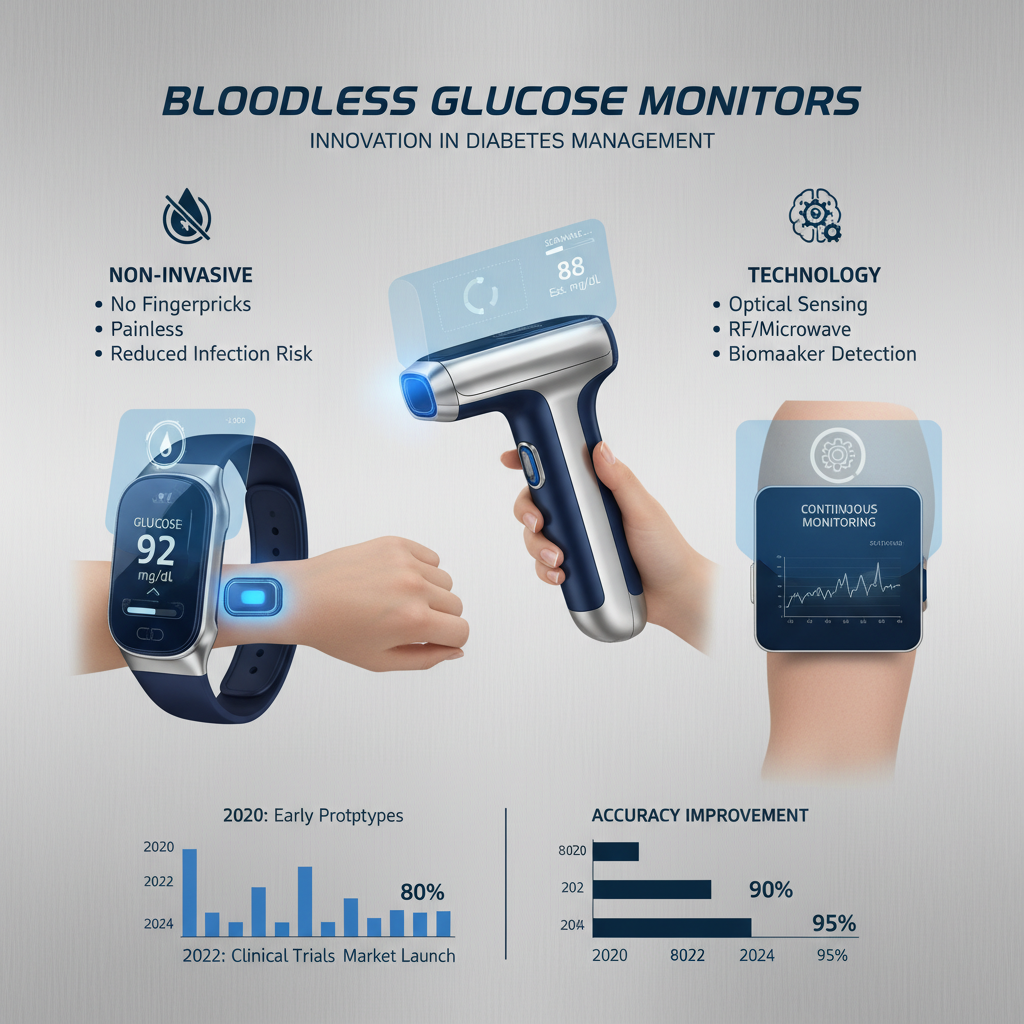
CGMs are highly accurate, but it's important to understand they measure glucose levels in interstitial fluid, not blood. This means there can be a slight lag compared to a finger-prick test. Modern CGMs, like those offered by XMYLCGM, boast a Mean Absolute Relative Difference (MARD) of around 8-10%, which is clinically acceptable for making informed diabetes management decisions. Calibration with finger-prick tests may be required depending on the specific device.
Depending on the CGM model and your healthcare provider’s recommendations, you may still need to perform occasional finger-prick tests. Some CGMs require calibration with finger-prick tests to ensure accuracy, especially when first starting to use the device or if readings seem inconsistent. Finger-prick tests are also necessary to confirm high or low glucose readings when the CGM alert doesn’t match how you are feeling.
Insurance coverage for CGMs varies depending on your insurance plan and the country you reside in. Many insurance providers now cover CGMs for individuals with type 1 diabetes and some with type 2 diabetes who meet specific criteria. It’s essential to check with your insurance provider to determine your coverage. XMYLCGM can provide documentation to assist with insurance claims.
Used CGM sensors should be disposed of properly as medical waste. Follow the specific instructions provided by the manufacturer. Generally, this involves placing the sensor in a sharps container or a designated medical waste disposal bag. Do not discard sensors in regular household trash.