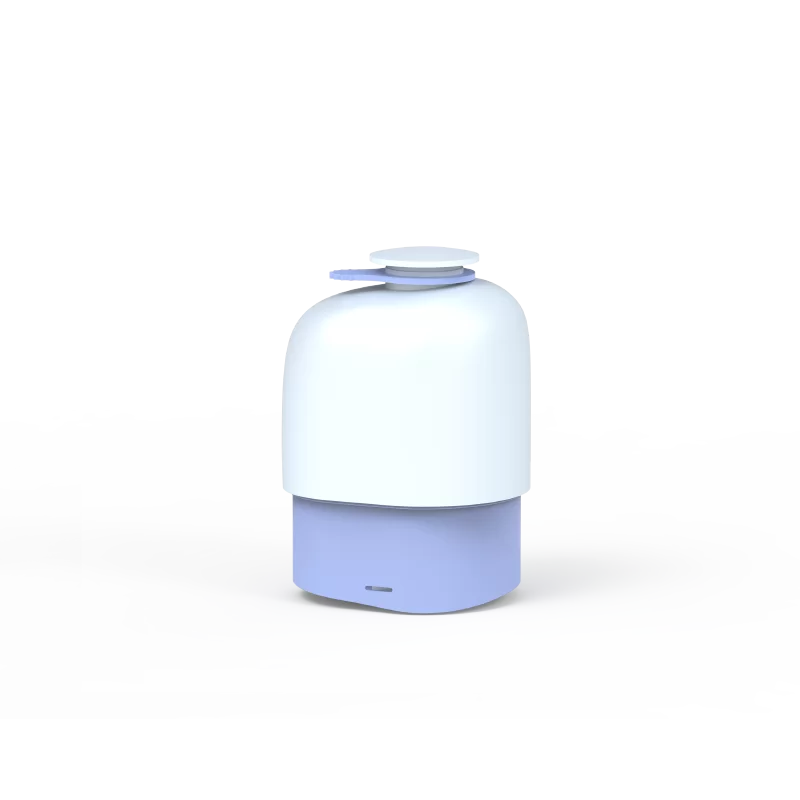
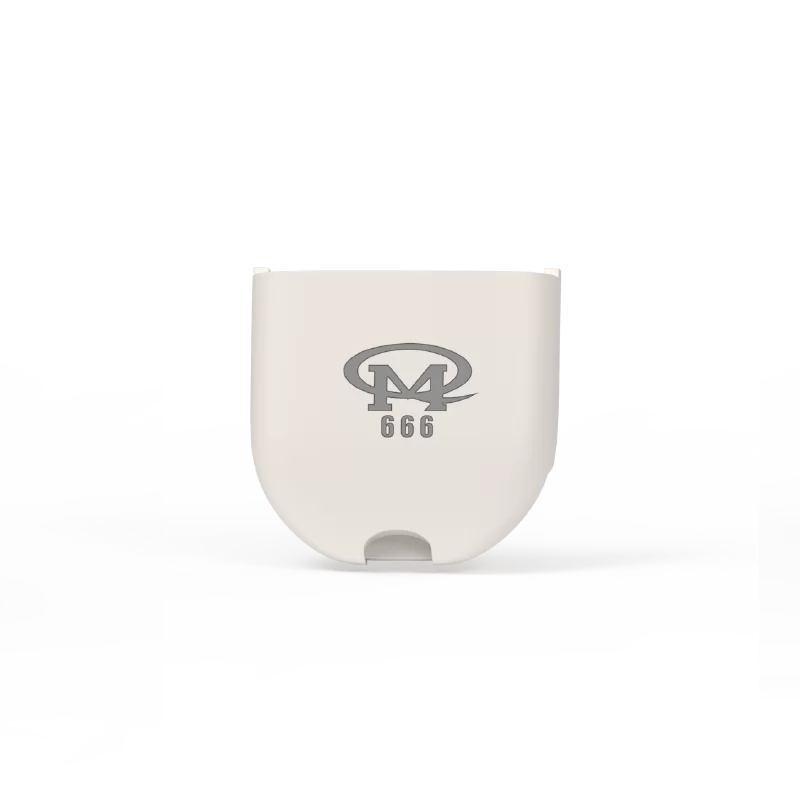
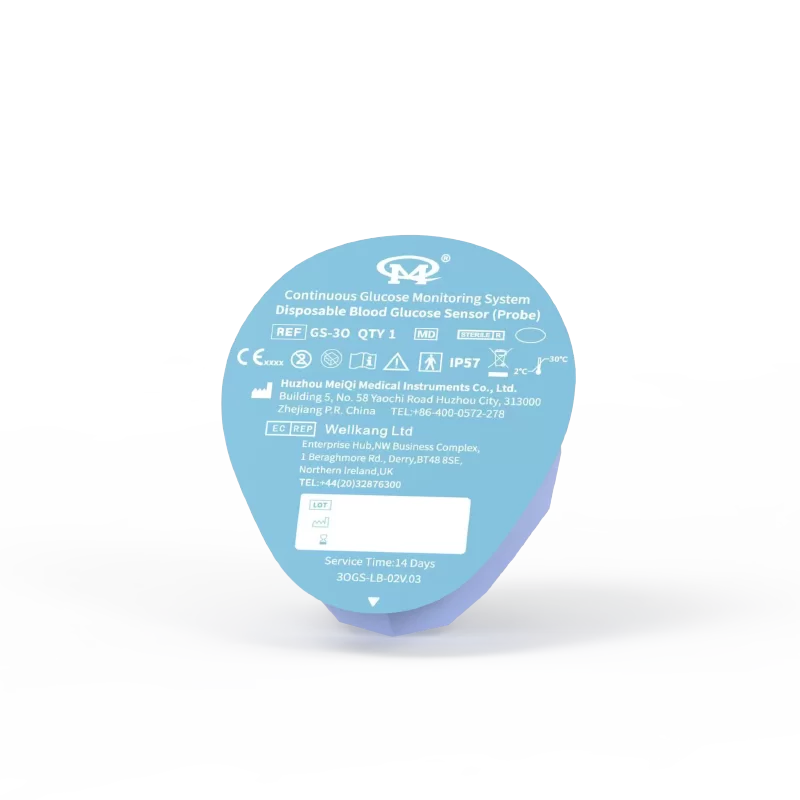
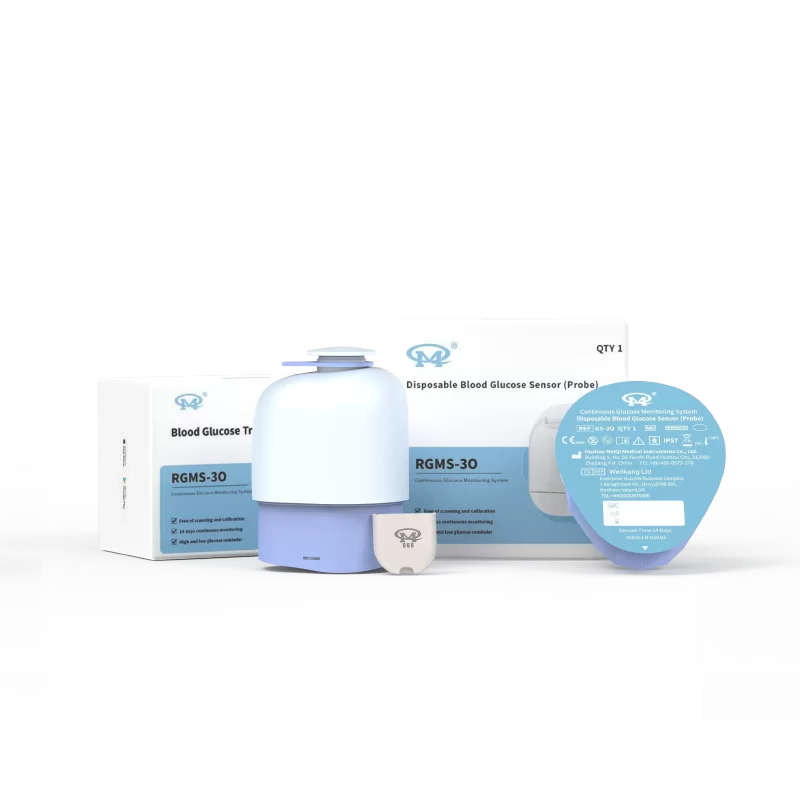
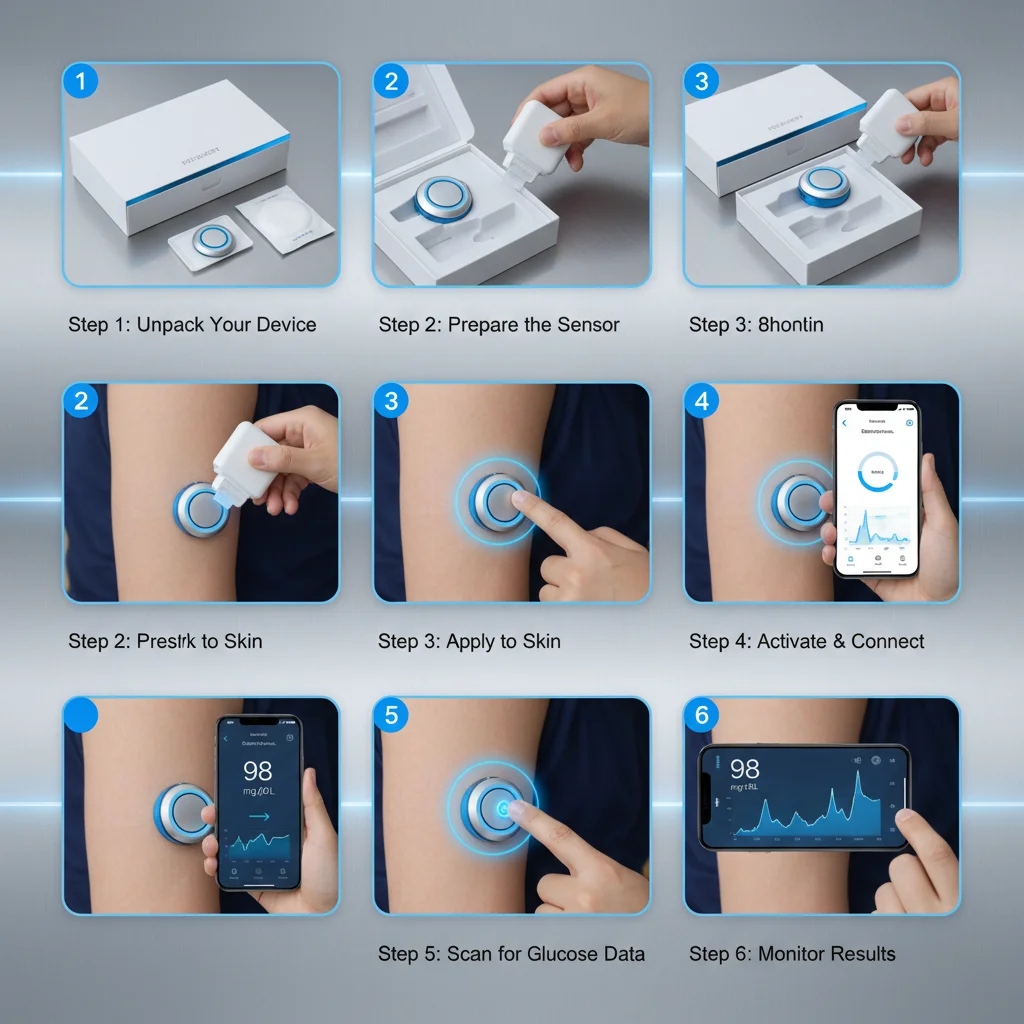
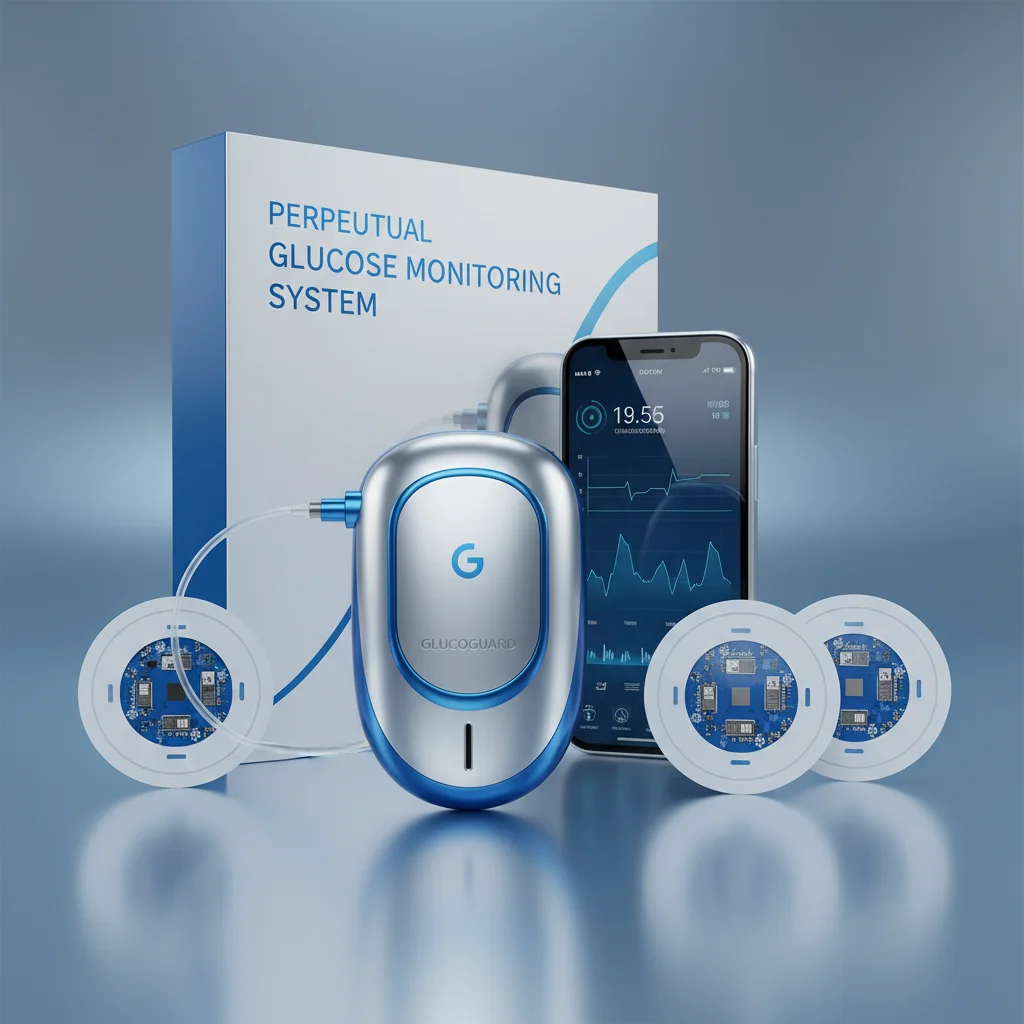
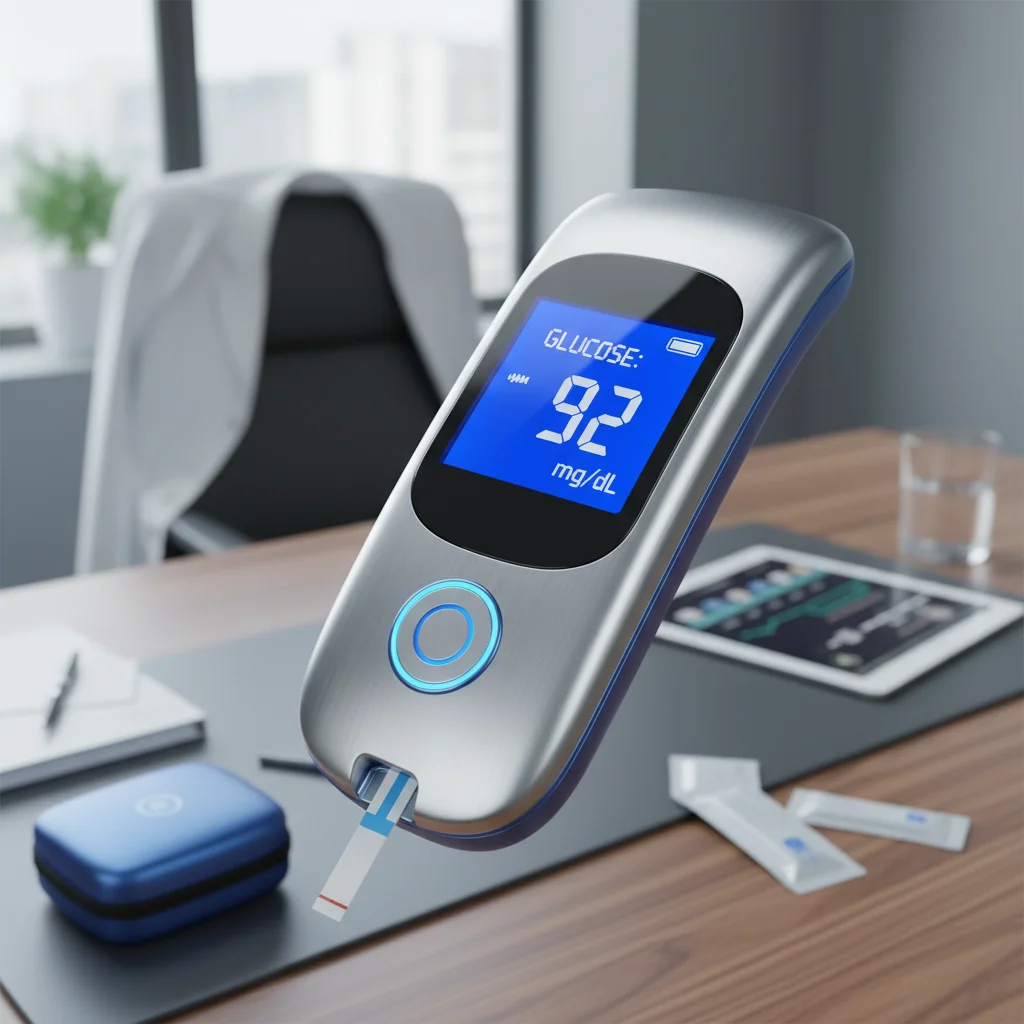
In today's healthcare landscape, effective glucose monitoring is critical for individuals managing diabetes. Continuous Glucose Monitoring (CGM) systems have revolutionized this process, offering real-time insights into glucose levels. This article provides a comprehensive overview of glucose monitoring sensor products, their benefits, and how to choose the right system for your needs. Understanding these technologies is crucial for optimizing diabetes management and improving overall health outcomes.
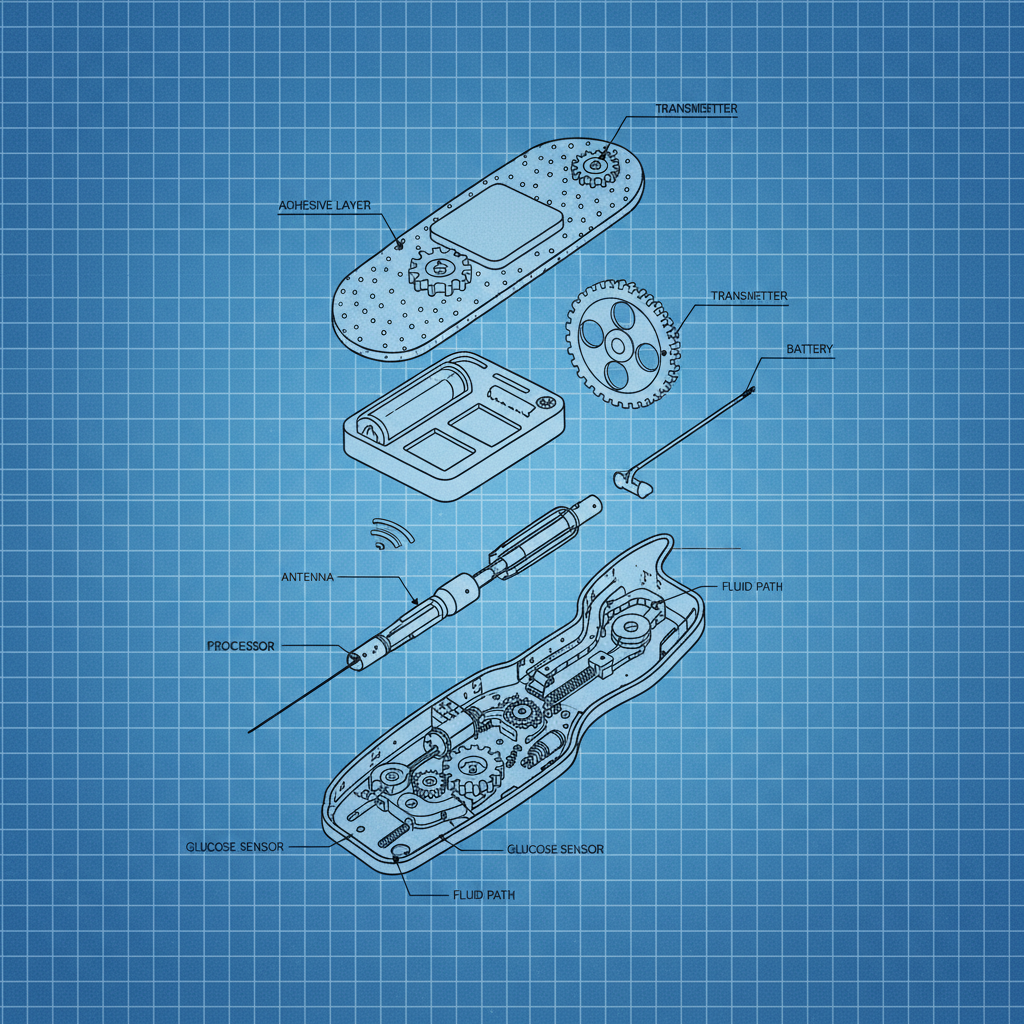
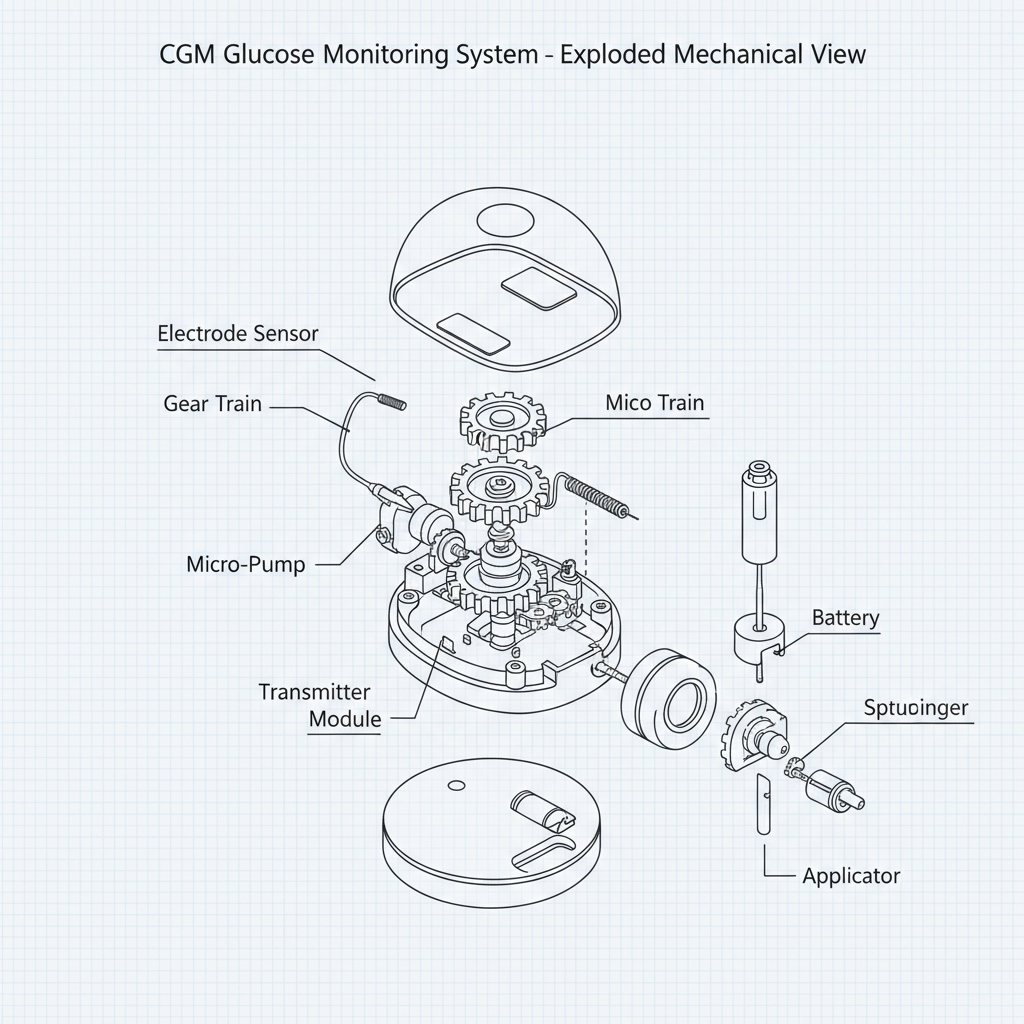
Unlike traditional finger-prick glucose meters, CGM systems utilize a small sensor inserted under the skin to measure glucose levels in the interstitial fluid. This provides a continuous stream of data, eliminating the need for frequent fingersticks. These sensors transmit data to a receiver or smartphone, displaying current glucose levels, trends, and alerts for high or low glucose readings. This real-time information allows individuals to make informed decisions about their diet, exercise, and medication, leading to better glycemic control. XMYLCGM specializes in developing innovative and accurate CGM systems.
Key Benefits: Continuous data, reduced fingersticks, real-time alerts, improved glycemic control, better understanding of glucose trends.
Modern glucose monitoring sensor products offer a range of features designed to enhance user experience and improve diabetes management. These include: real-time glucose readings, customizable alerts for high and low glucose levels, data trending to identify patterns, smartphone connectivity for data analysis and sharing, and varying sensor wear times. Some systems also incorporate features like predictive alerts, which anticipate future glucose levels based on current trends. The choice of features depends on individual needs and preferences. Our CGM systems at XMYLCGM are designed with these key features in mind.
Essential Features to Consider:
• Accuracy and Reliability
• Ease of Use and Application
• Connectivity and Data Sharing
• Alert Customization
The CGM market offers various options, each with its own strengths and weaknesses. Here's a comparison of some popular glucose monitoring sensor products:
Selecting the right glucose monitoring sensor product involves considering several factors, including your individual needs, lifestyle, and preferences. Think about your activity level, willingness to calibrate, and preferred method of data analysis. Discuss your options with your healthcare provider to determine the best system for your specific circumstances. XMYLCGM offers personalized consultations to help you find the perfect fit.
The field of glucose monitoring is constantly evolving. Future trends include the development of non-invasive sensors, integration with artificial intelligence (AI) for predictive analytics, and personalized insights based on individual data. These advancements promise to make diabetes management even more effective and convenient. XMYLCGM is committed to staying at the forefront of these innovations.
Continuous Glucose Monitoring (CGM) is a game-changer for individuals with diabetes, providing invaluable insights and empowering them to take control of their health. With a growing range of glucose monitoring sensor products available, finding the right system is essential. By understanding your needs and working with your healthcare provider, you can unlock the full potential of CGM technology and live a healthier, more fulfilling life.
The replacement frequency of your CGM sensor depends on the specific product you are using. Most sensors are designed to be worn for 10-14 days. However, it's essential to follow the manufacturer's instructions and replace the sensor as recommended. Failure to do so may result in inaccurate readings. Additionally, if you experience any issues with the sensor, such as adhesive failure or consistently inaccurate readings, replace it immediately.
Yes, most CGM systems allow you to share your data with your healthcare provider. This is a valuable feature as it enables your doctor to remotely monitor your glucose trends and make informed decisions about your treatment plan. Data can typically be shared via a secure online platform or app. Sharing your data can greatly improve communication and collaboration between you and your healthcare team.
Insurance coverage for CGM systems varies depending on your insurance plan and medical necessity. Many insurance companies now cover CGM systems for individuals with diabetes who meet certain criteria, such as frequent self-monitoring of blood glucose levels. It's best to contact your insurance provider to determine your specific coverage and any required documentation. XMYLCGM can assist you in navigating the insurance process.
CGM systems are generally very accurate, but it's important to understand that they measure glucose levels in the interstitial fluid, not directly in the blood. This can lead to a slight delay in readings compared to fingerstick meters. Modern CGM systems have significantly improved accuracy, with a Mean Absolute Relative Difference (MARD) of less than 10% in many cases. However, it's still recommended to confirm CGM readings with a fingerstick meter when making critical treatment decisions, especially if you suspect hypoglycemia.