Managing diabetes effectively requires consistent blood glucose monitoring. Choosing the right glucose meters monitors products is crucial for accurate readings and informed healthcare decisions. This article explores the different types of glucose meters, key features to consider, and how to choose the best option for your needs. We'll also delve into advancements in continuous glucose monitoring (CGM) technology. Understanding your options empowers you to take control of your health and well-being.

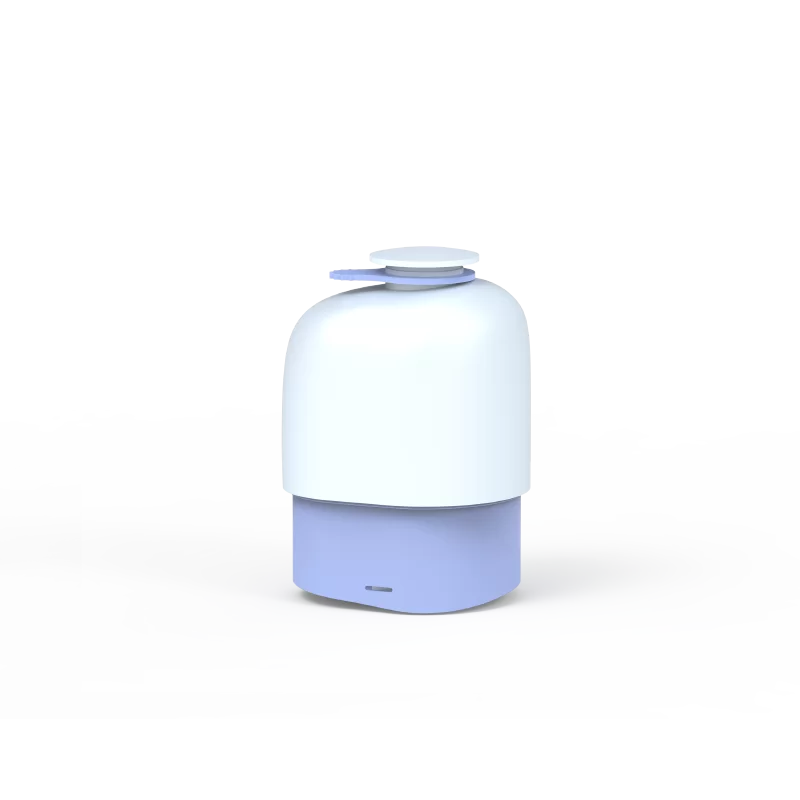
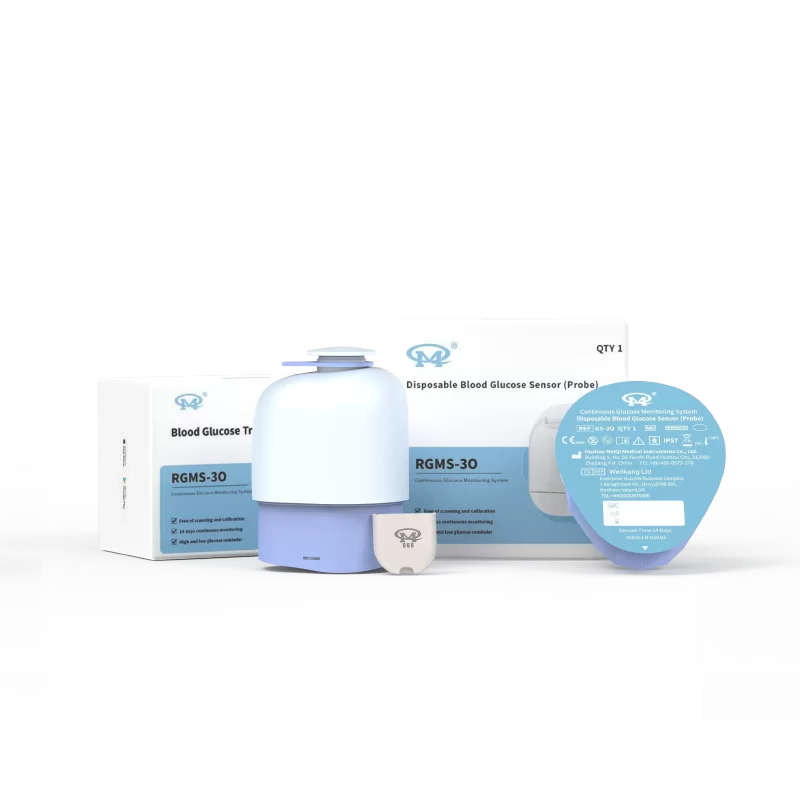
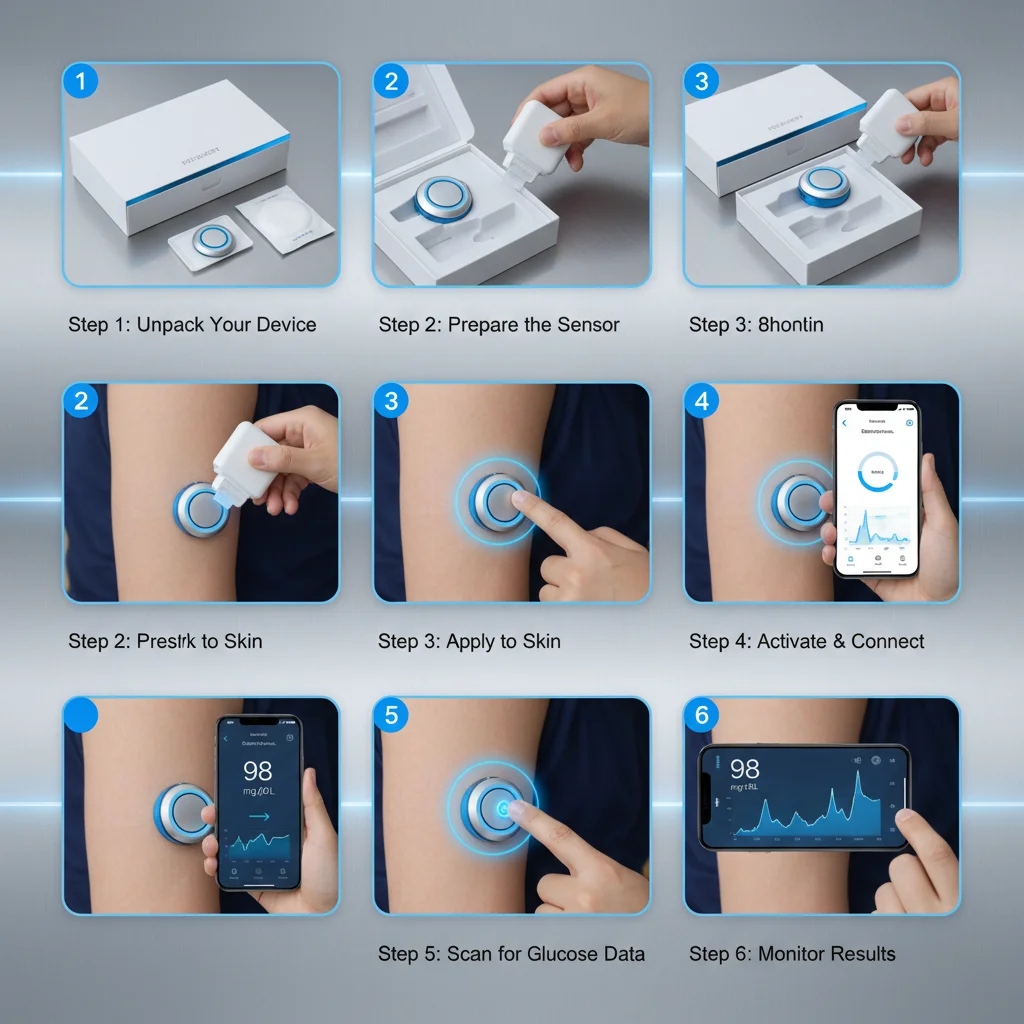
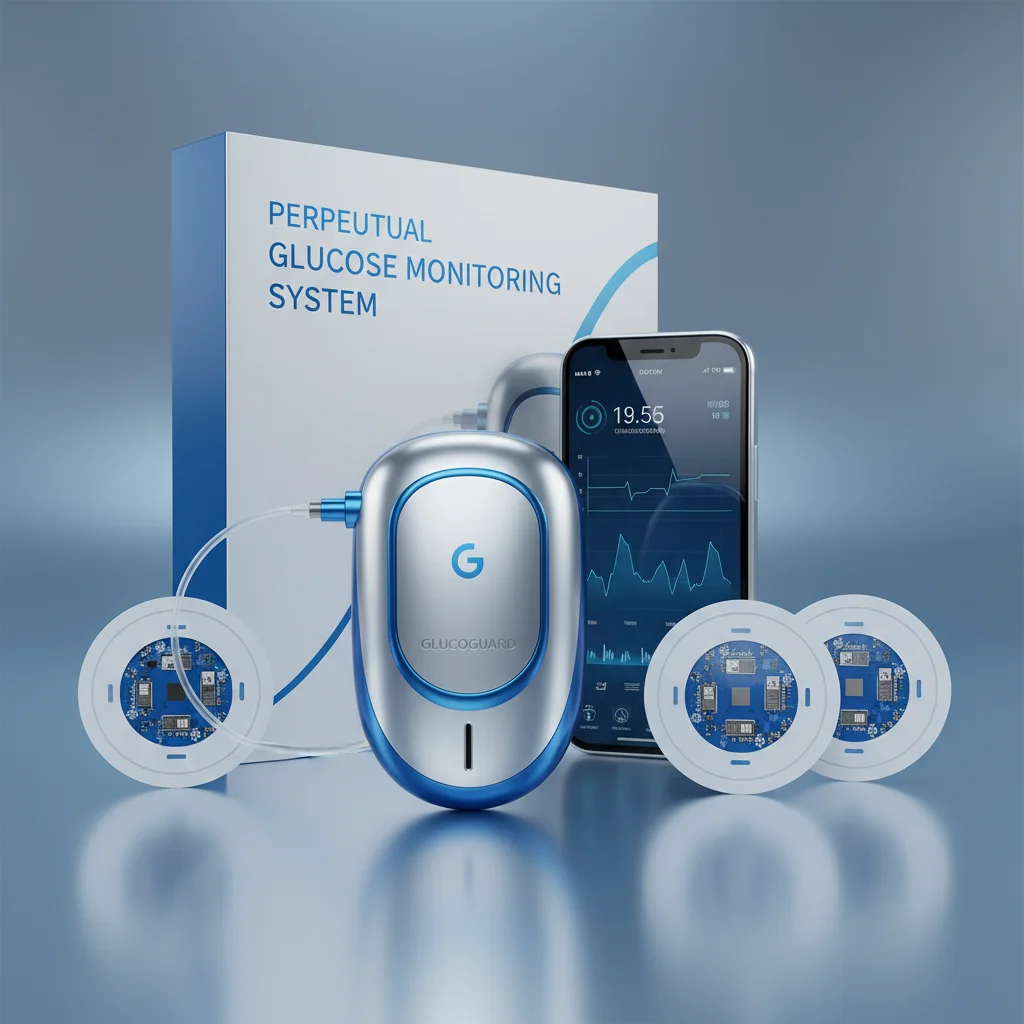
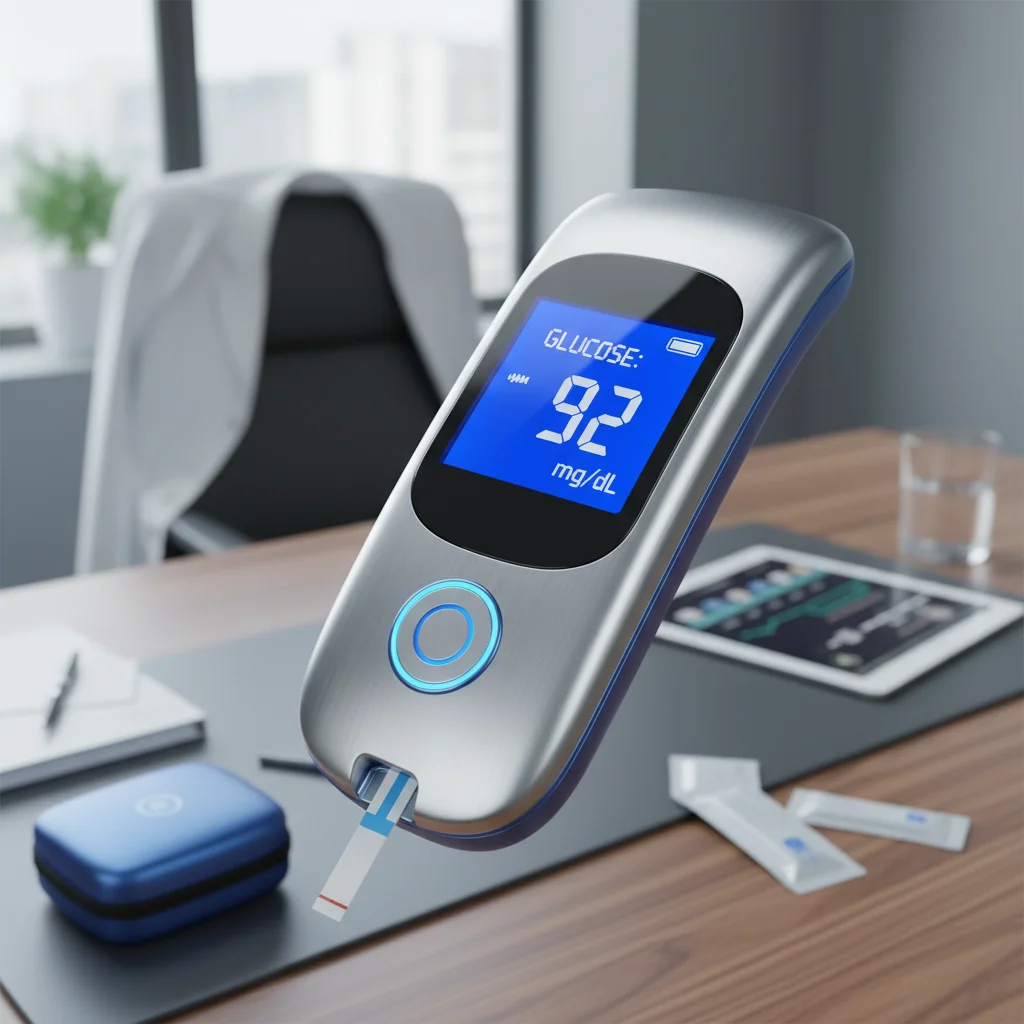
The market offers several types of glucose meters, each with its own advantages and disadvantages. Traditional blood glucose meters (BGMs) require a finger prick to obtain a blood sample. These are generally more affordable but provide readings only at the moment of testing. Continuous Glucose Monitors (CGMs), on the other hand, use a small sensor inserted under the skin to track glucose levels continuously throughout the day. CGMs provide real-time data, trend arrows, and alerts for high or low glucose levels, offering a more comprehensive picture of glucose control. Flash Glucose Monitoring (FGM) systems fall between BGMs and CGMs, allowing you to scan a sensor with a reader to get a current glucose reading and historical data. Choosing the right type depends on your lifestyle, budget, and healthcare needs.
Key Highlights: CGMs provide real-time data, trend arrows, and alerts for high or low glucose levels, offering a more comprehensive picture of glucose control.
Several features can influence your choice of glucose meter. Accuracy is paramount, so look for meters that meet ISO 15197:2013 standards. Ease of use is also important, especially for individuals with vision or dexterity challenges. Consider features like large displays, simple button operation, and data memory. Connectivity options, such as Bluetooth, allow you to easily transfer data to your smartphone or healthcare provider. The cost of test strips is a significant ongoing expense, so compare strip prices across different brands. Finally, consider the size and portability of the meter if you travel frequently. Xmylcgm offers a range of products designed with these factors in mind.
Important Features:
• Accuracy (ISO 15197:2013 compliant)
• Ease of Use (Large Display, Simple Operation)
• Connectivity (Bluetooth for Data Transfer)
• Test Strip Cost
Comparing different glucose meter models can be overwhelming. Here's a table summarizing key differences between popular options:
CGM technology is rapidly evolving. Newer sensors are smaller, more accurate, and last longer. Integration with insulin pumps allows for automated insulin delivery, known as closed-loop systems or artificial pancreases. These systems automatically adjust insulin doses based on real-time glucose readings, improving glucose control and reducing the risk of hypoglycemia and hyperglycemia. Furthermore, smartphone apps are becoming increasingly sophisticated, offering personalized insights and trend analysis. Xmylcgm is committed to staying at the forefront of these advancements.

Selecting the right glucose meters monitors products depends on your individual needs and preferences. Consult with your healthcare provider to determine the best option for you. Consider factors such as your lifestyle, budget, and level of diabetes management. Don't hesitate to ask questions and explore different models before making a decision. Remember, effective glucose monitoring is an essential part of managing your diabetes and maintaining a healthy life.
Investing in a quality glucose meter is an investment in your health. With the wide range of options available, it’s essential to choose a product that meets your individual needs and supports your diabetes management plan. Don’t hesitate to consult with your healthcare provider for personalized recommendations.
Calibration frequency varies depending on the meter and manufacturer recommendations. Some meters require calibration before each test, while others need to be calibrated less frequently. Always refer to your meter's user manual for specific instructions. Regular calibration ensures accurate readings. If you suspect your meter is providing inaccurate results, calibrate it immediately.
CGMs offer several advantages over BGMs, including continuous glucose monitoring, trend arrows indicating the direction and rate of glucose change, and alerts for high or low glucose levels. This provides a more complete picture of glucose control and helps you make informed decisions about your diet, exercise, and medication. CGMs can also reduce the frequency of finger pricks.
Store your glucose meter in a clean, dry place, away from extreme temperatures and humidity. Keep test strips in their original container, tightly closed, and avoid exposing them to moisture. Do not store test strips in direct sunlight or in a bathroom. Always check the expiration date of test strips before use.
If you receive an error message, refer to your glucose meter’s user manual for troubleshooting steps. Common solutions include checking the test strip, ensuring the meter is properly calibrated, and replacing the battery. If the error persists, contact the manufacturer’s customer support for assistance.