Managing diabetes effectively requires consistent monitoring of blood glucose levels. Glucose monitor device products have revolutionized this process, providing individuals with the tools they need to take control of their health. This article explores the various types of glucose monitoring devices available, their benefits, and how to choose the right one for your needs. We will delve into the advancements in continuous glucose monitoring (CGM) technology and its impact on diabetes management. Investing in a reliable glucose monitor is crucial for maintaining a healthy lifestyle.

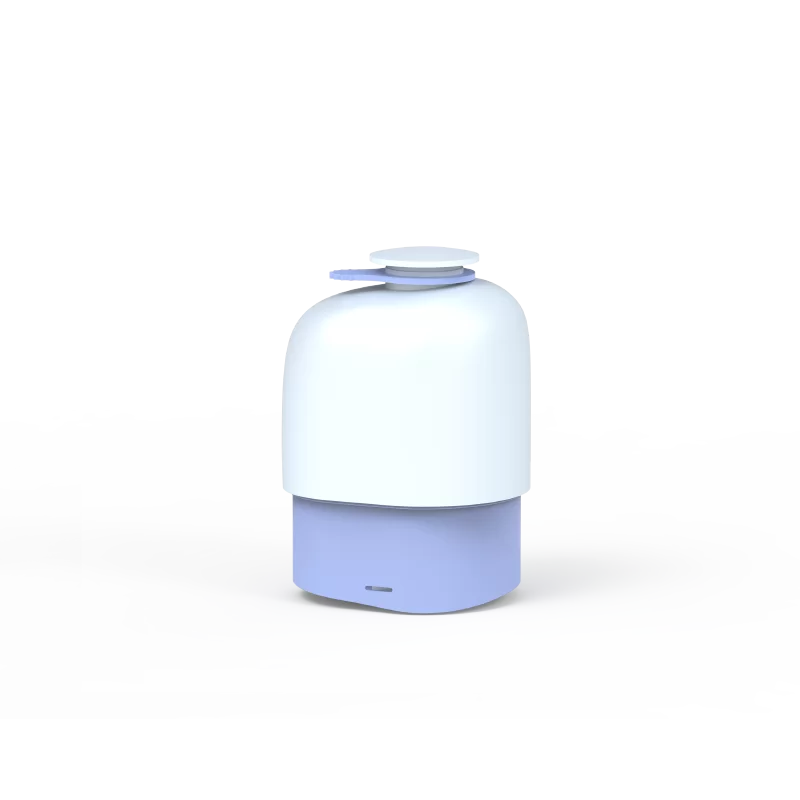
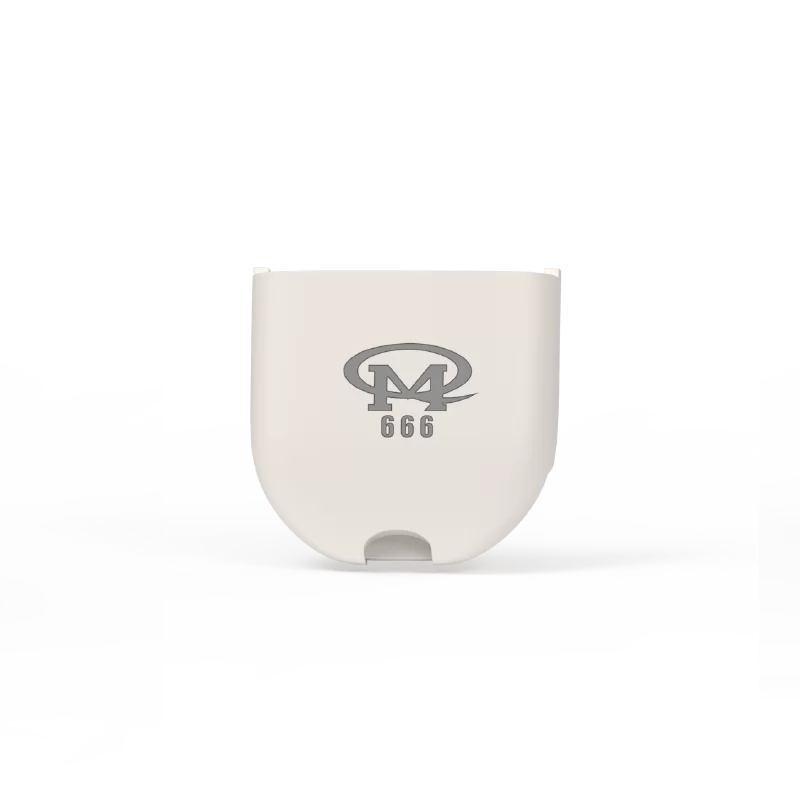
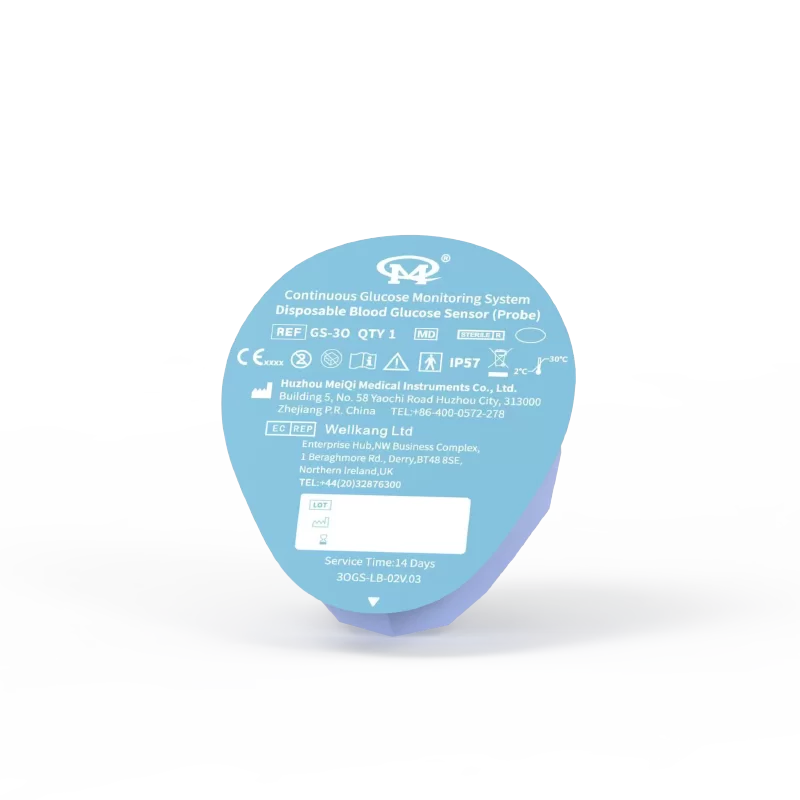
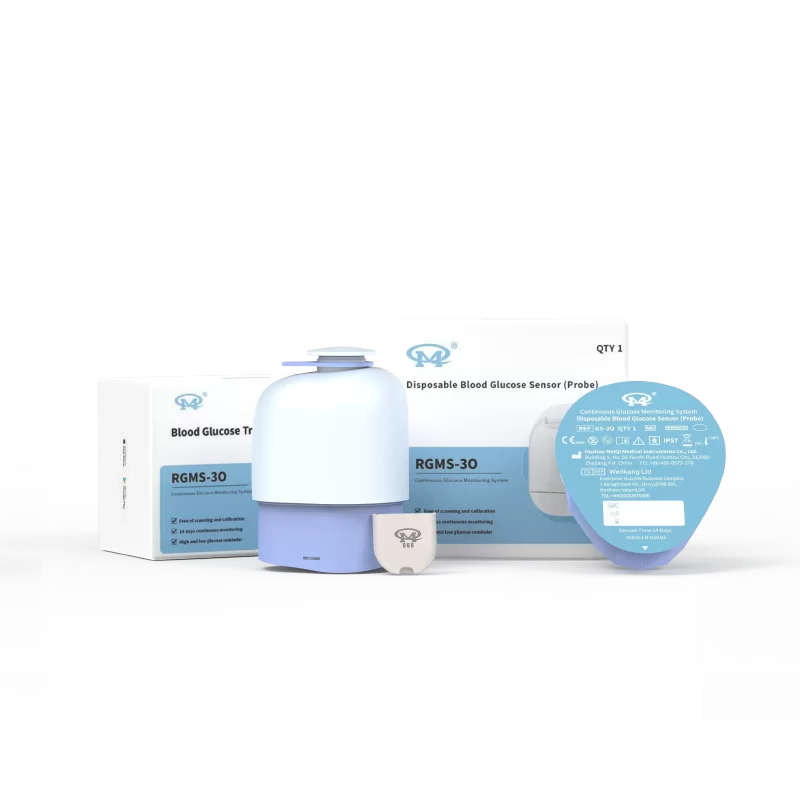
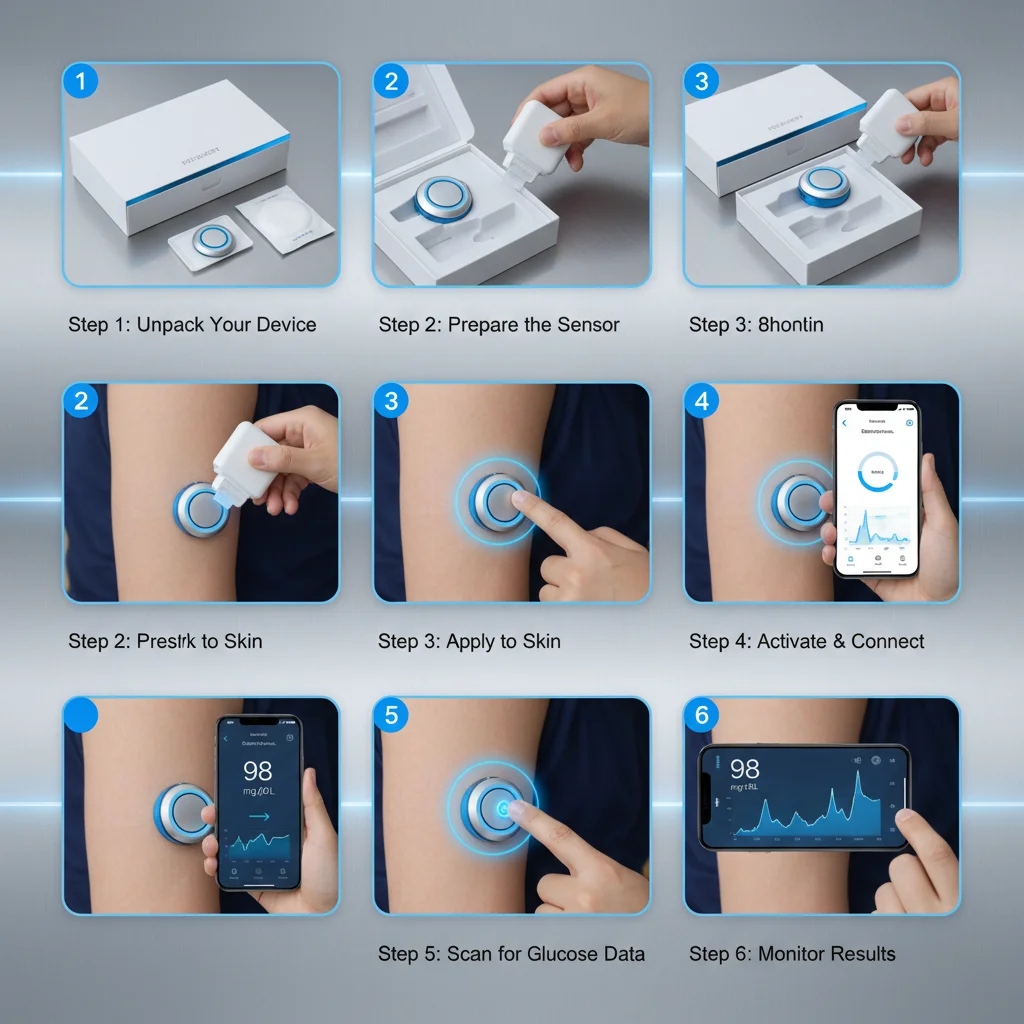
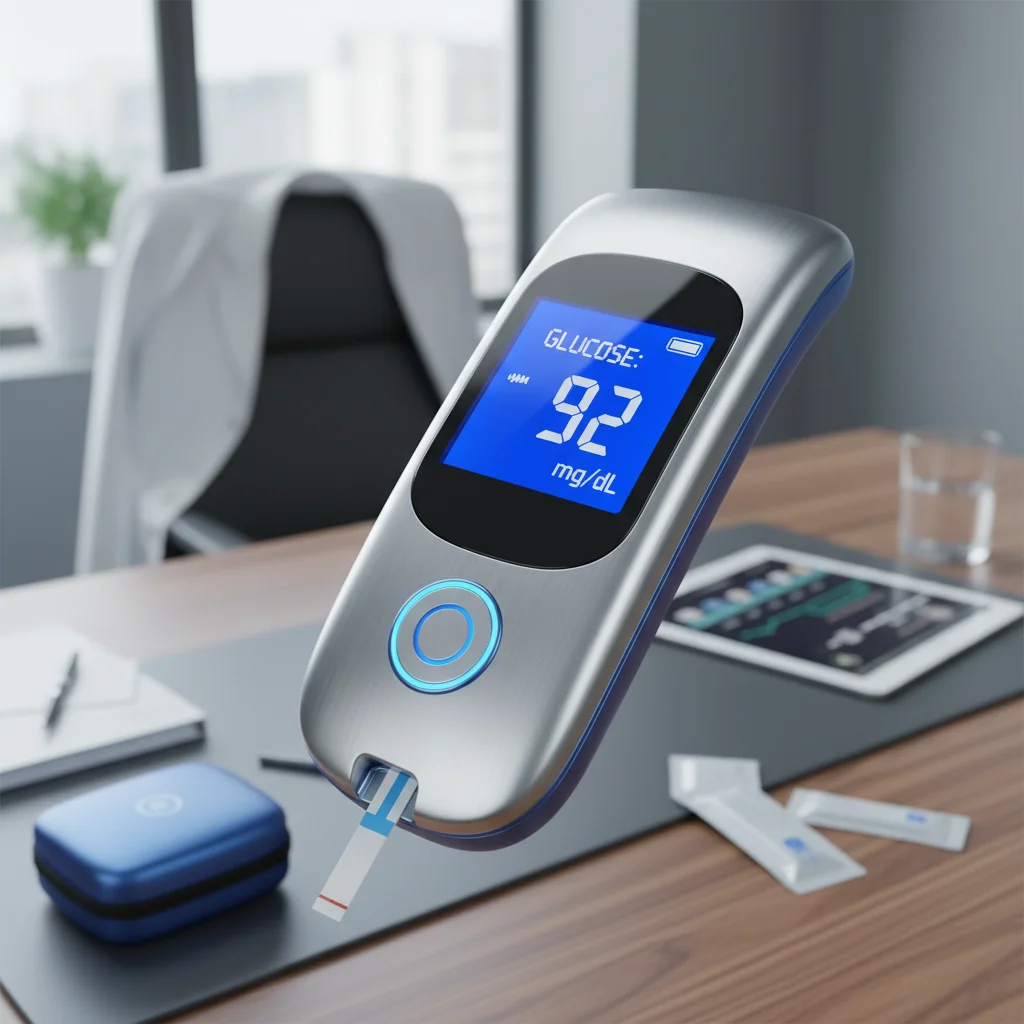
There are several types of glucose monitor device products available, each with its own advantages and disadvantages. Traditional blood glucose meters require a finger prick to obtain a small blood sample. These meters are relatively inexpensive and widely accessible. However, they only provide a snapshot of glucose levels at a specific point in time. Continuous Glucose Monitors (CGM) are more advanced, using a small sensor inserted under the skin to track glucose levels continuously throughout the day and night. CGMs provide real-time data, trends, and alerts, allowing for more proactive diabetes management. Flash Glucose Monitoring (FGM) is a hybrid approach, requiring a sensor but only necessitating a scan with a reader device to access glucose data.
Key Highlights: CGM provides real-time glucose data, trends, and alerts, allowing for more proactive diabetes management. FGM requires a sensor but only necessitates a scan with a reader device.
Choosing between a traditional blood glucose meter and a CGM depends on individual needs and preferences. Traditional meters are more affordable upfront but require frequent finger pricks and only provide limited data. CGMs, while more expensive, offer a comprehensive view of glucose levels, reducing the need for finger pricks and enabling better control. The data provided by a CGM can be invaluable for identifying patterns and making informed decisions about diet, exercise, and medication. XMYLCGM offers innovative CGM solutions to meet diverse patient needs.
Key Differences:
• Finger Pricks: Traditional meters require frequent finger pricks, while CGMs minimize or eliminate them.
• Data Insights: CGMs provide continuous, real-time data, offering a comprehensive view of glucose trends.
• Cost: Traditional meters have lower upfront costs, but CGMs can offer long-term value through improved control.
When selecting a glucose monitor device, consider features like accuracy, ease of use, data storage capacity, and connectivity. Accuracy is paramount to ensure reliable readings. The device should be easy to operate and understand, especially for individuals who may have limited technical skills. Data storage allows you to track your glucose levels over time, while connectivity enables you to share data with your healthcare provider. Look for devices that integrate with smartphone apps or cloud platforms for seamless data management.
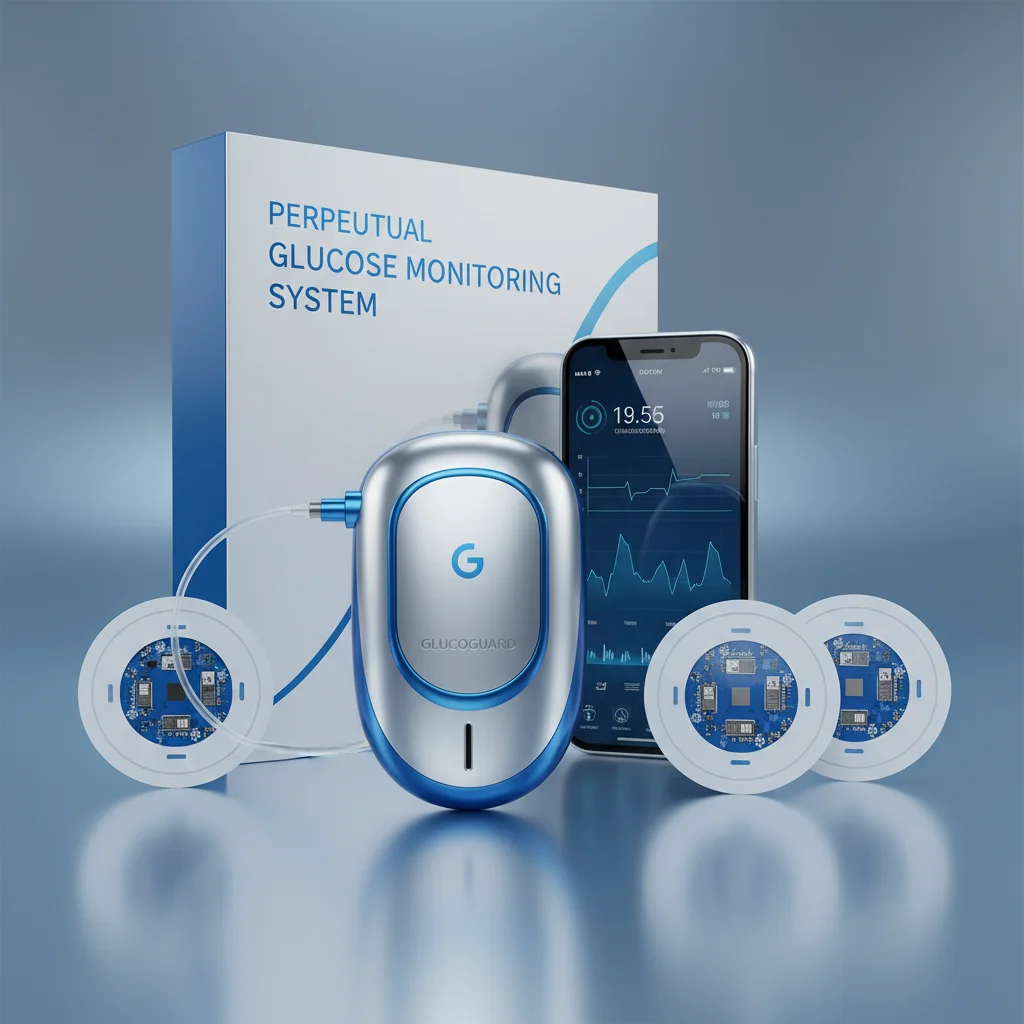
XMYLCGM specializes in advanced CGM solutions that offer numerous benefits. Our CGMs provide real-time glucose readings, trend arrows indicating the direction and rate of change, and customizable alerts for high or low glucose levels. This allows individuals to proactively manage their diabetes, prevent complications, and improve their overall quality of life. The data generated by our CGMs can be easily shared with healthcare providers, facilitating more informed treatment decisions.

Selecting the right glucose monitor device product is a personal decision that should be made in consultation with your healthcare provider. Consider your lifestyle, budget, and specific needs. Traditional blood glucose meters are a good option for those who prefer a simple and affordable solution. CGMs offer a more comprehensive and proactive approach to diabetes management. XMYLCGM is committed to providing innovative and reliable CGM solutions to help individuals live healthier lives.
The XMYLCGM’s glucose monitor device products are a powerful tool for individuals seeking to effectively manage their diabetes. By providing real-time data and valuable insights, our CGMs empower users to make informed decisions and live healthier, more active lives. Investing in advanced glucose monitoring technology is an investment in your well-being.
Calibration frequency varies depending on the specific CGM model. Some CGMs require no calibration, while others require one to two calibrations per day. Follow the manufacturer's instructions carefully. Accurate calibration is essential for ensuring the reliability of your glucose readings. XMYLCGM CGMs are designed for minimal calibration requirements, simplifying the monitoring process for users. Regular calibration helps maintain the accuracy of the sensor and provides more dependable data for informed decision-making.
While CGMs are primarily used by individuals with diabetes, they are increasingly being explored for various applications, including sports performance monitoring and general wellness tracking. However, it’s crucial to consult with a healthcare professional before using a CGM if you don’t have diabetes. They can assess whether CGM is appropriate for your individual needs and provide guidance on interpreting the data. Self-experimentation without professional oversight is not recommended.
If your CGM reading doesn't align with how you feel, it's important to confirm the reading with a traditional blood glucose meter. Fingerstick readings are considered the "gold standard" for glucose measurement. Factors like sensor placement, hydration levels, and medication can influence CGM readings. If discrepancies persist, contact your healthcare provider for guidance. Do not rely solely on CGM data for making critical treatment decisions. Always confirm with a traditional meter when necessary.
The duration you can wear a CGM sensor varies depending on the brand and model. Most CGMs are designed to be worn for 7 to 14 days. After that period, the sensor needs to be replaced. XMYLCGM offers sensors with varying wear times to suit individual preferences and needs. Always follow the manufacturer's instructions regarding sensor replacement to ensure accurate and reliable readings.