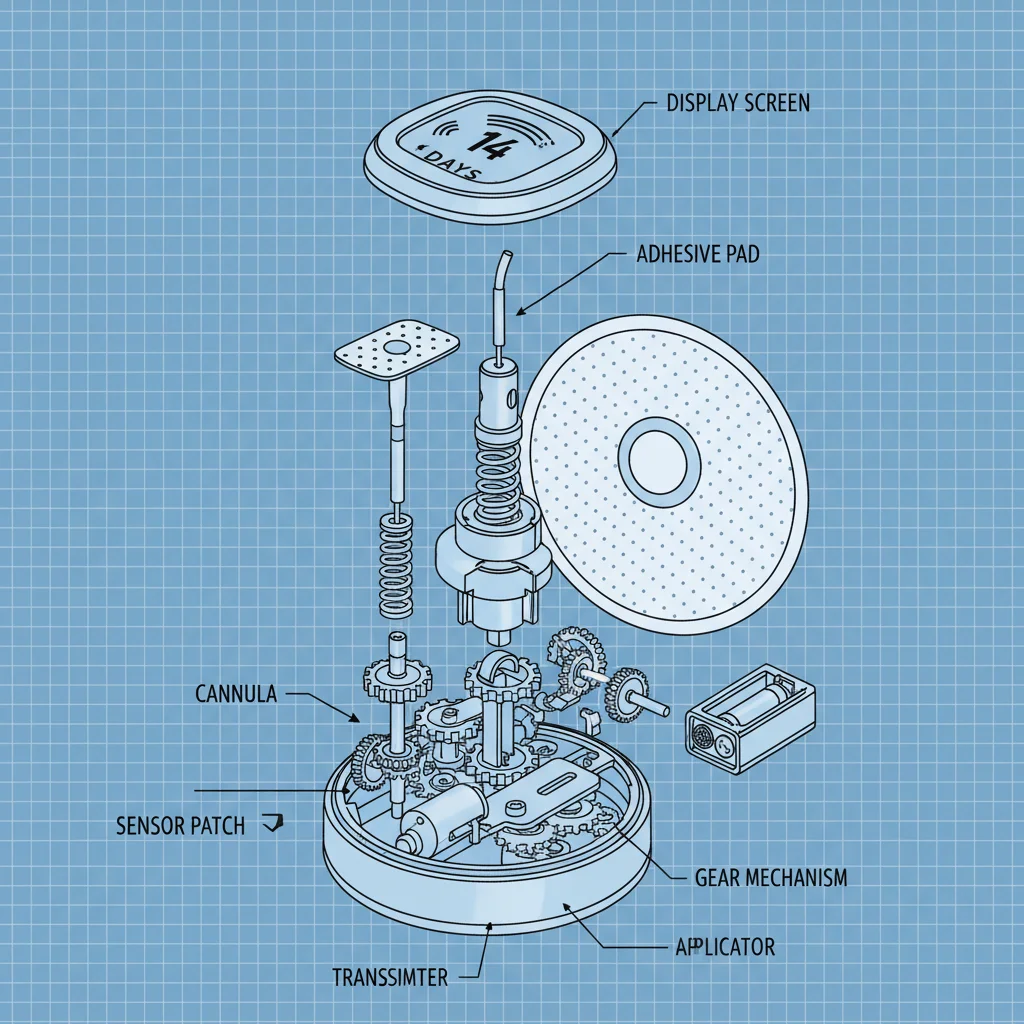

Diabetes has rapidly become one of the most critical chronic health challenges of the 21st century. With rising global prevalence, increasing healthcare expenditures, and growing patient awareness, the need for accurate and convenient blood glucose management technologies has never been greater. Over the past decade, glucose monitoring solutions have evolved from traditional fingerstick meters into intelligent, wearable, and data-driven systems that support continuous diagnostic insights. Among these technologies, the continuous glucose monitoring system has emerged as a defining innovation shaping the future of diabetes care.
China, known for its strong medical device manufacturing capabilities and fast-growing healthcare industry, has become an increasingly influential player in the global diabetes technology ecosystem. Leading suppliers, research-oriented engineering companies, and OEM/ODM manufacturers are contributing to the broader adoption of CGM, digital health tools, and connected glucose monitoring devices worldwide. In this landscape, Huzhou Xinmei Medical Device Co., Ltd.) stands out as a professional medical equipment supplier that supports supply chain stability, product precision, and international business development.
For decades, the standard method for diabetes self-management was the portable blood glucose monitoring device, which requires users to prick their fingers to extract a drop of blood. While accurate for momentary blood glucose readings, traditional glucose meters present limitations:
1. Only provide single-time data points
2. Cannot show glucose trends or patterns
3. Require multiple daily fingersticks
4. Provide limited support for predictive therapy adjustments
These limitations prompted the development of continuous monitoring technologies. A modern continuous glucose monitoring system enables round-the-clock tracking of interstitial glucose levels. Instead of relying on blood samples, a continuous glucose monitor sensor is placed under the skin to collect data in real time. Many CGM users also benefit from:
1. Trend indicators (rising, stable, falling)
2. Predictive alerts for hypoglycemia or hyperglycemia
3. Data synchronization with smartphones and wearable devices
4. Remote monitoring options for caregivers and clinicians
Another method gaining popularity is the glucose monitor skin patch, a wearable adhesive patch that captures glucose data comfortably and discreetly. This wearable design improves user experience and enables better long-term compliance for both Type 1 and Type 2 diabetes patients.
Together, these innovative approaches represent a major departure from traditional glucose monitoring and demonstrate the future direction of patient-centered chronic care.
The global CGM market is expanding at a significant rate due to multiple factors:
The number of diagnosed diabetics continues to rise globally. Aging populations, lifestyle changes, and urbanization contribute to increased incidence, particularly in Asia, North America, and Europe.
Governments and healthcare systems are increasingly investing in preventive care rather than late-stage treatment. Continuous monitoring fits perfectly into preventive and predictive medical models.
Endocrinologists and diabetes specialists now prefer continuous glucose reports for insulin dosing adjustments, especially for patients using insulin pumps or intensive therapy regimens.
Integration with digital platforms, telemedicine, and AI-based analytics enhances clinical value and enables remote disease management.
As a result, CGM solutions, skin patches, and connected glucose monitoring devices are gaining mainstream acceptance among both clinicians and patients.
China’s influence in the global diabetes device industry is not limited to consumer products—it is built on a solid foundation of R&D, manufacturing capacity, and medical regulatory progress.
China has matured in precision engineering, biosensor production, and micro-electronic assembly, which are critical for devices like:
1. biosensing modules
2. microprocessors
3. low-power Bluetooth communication modules
4. battery systems for sensors
5. biocompatible adhesive materials
CGM products involve specialized components such as electrodes, protective membranes, adhesives, and smart chips. China’s industrial ecosystem supports mass production and cost efficiency.
More Chinese companies comply with FDA, CE, and ISO13485 requirements, making them competitive suppliers in global healthcare markets.
With tens of millions of diabetics, China itself is becoming one of the largest user markets for advanced monitoring devices, accelerating innovation and local adoption.
These advantages enable Chinese manufacturers and suppliers to support both branded CGM companies and international medical distributors.
Huzhou Xinmei Medical Device Co., Ltd.) is an established manufacturer in the medical device field deeply involved in the supply and production of medical-grade components, equipment, and ODM/OEM solutions for medical enterprises. While Xinmei is not a consumer-facing glucose technology brand, its contribution to the supply chain is critical for the successful adoption and distribution of modern diabetes support devices worldwide.
Xinmei focuses on:
1. Medical device precision manufacturing
2. Product quality consistency
3. Export-oriented compliance
4. OEM/ODM development services
5. International supply chain cooperation
This business positioning enables Xinmei to support partners involved in the production or distribution of blood glucose monitoring device, CGM accessories, wearable medical components, and other healthcare technologies.
Medical devices require rigorous quality and safety controls. Xinmei integrates strict quality management practices to ensure stable production and supports compliance with international regulatory standards, which is essential for medical exports.
Xinmei has cooperated with overseas distributors, trading companies, and medical technology developers, contributing to a more stable and reliable global supply chain for healthcare products.
More information about Xinmei can be found at:
https://www.xmylcgm.com/
Several major technology trends are redefining diabetes management worldwide:
Machine learning algorithms are being developed to predict glucose fluctuations before they occur. This strengthens the clinical usefulness of continuous monitoring.
Wearable CGM sensors and glucose monitor skin patch designs allow for adhesive-based monitoring without complex installation. Combined with smartphone connectivity, patients gain more autonomy and comfort.
Research is ongoing in optical, electromagnetic, and spectroscopic glucose sensing to eliminate skin penetration. Though still developmental, non-invasive monitoring represents a future milestone.
Closed-loop insulin pump systems already exist in some markets, enabling automated insulin adjustments based on CGM data, reducing glycemic burden for insulin-dependent patients.
Remote glucose data platforms enable healthcare providers to manage patients without physical appointments, reducing hospital burden and improving long-term outcomes.
These areas highlight why continuous glucose monitoring systems are being prioritized over traditional devices, especially for intensive therapy cases.
The transition from traditional glucose meters to real-time continuous glucose monitoring system solutions marks a major evolution in diabetes care. Global demand for CGM devices, continuous glucose sensors, and wearable monitoring patches is being driven by lifestyle trends, technology integration, and expanding preventive healthcare strategies.
Chinese manufacturers, including component suppliers, OEM/ODM developers, and medical device factories such as Huzhou Xinmei Medical Device Co., Ltd., play an essential role in supporting this transformation. By providing reliable production capabilities, compliant medical equipment, and international supply chain support, Xinmei contributes to global healthcare improvement and the broader adoption of modern diabetes technologies.
As innovation accelerates and collaboration expands between biotech firms, digital health companies, and medical device manufacturers, the future of diabetes management will continue to become smarter, safer, and more patient-centered—benefiting millions of individuals across the world.
For more details about Xinmei:
https://www.xmylcgm.com/