Managing diabetes effectively requires consistent blood glucose monitoring. Selecting the appropriate glucose monitoring system products is crucial for individuals seeking to maintain optimal health and prevent complications. This article explores the various types of systems available, their benefits, and factors to consider when making a purchase. We’ll delve into Continuous Glucose Monitors (CGMs), traditional blood glucose meters (BGMs), and the latest advancements in glucose monitoring technology. Effective glucose management is within reach with the right tools.
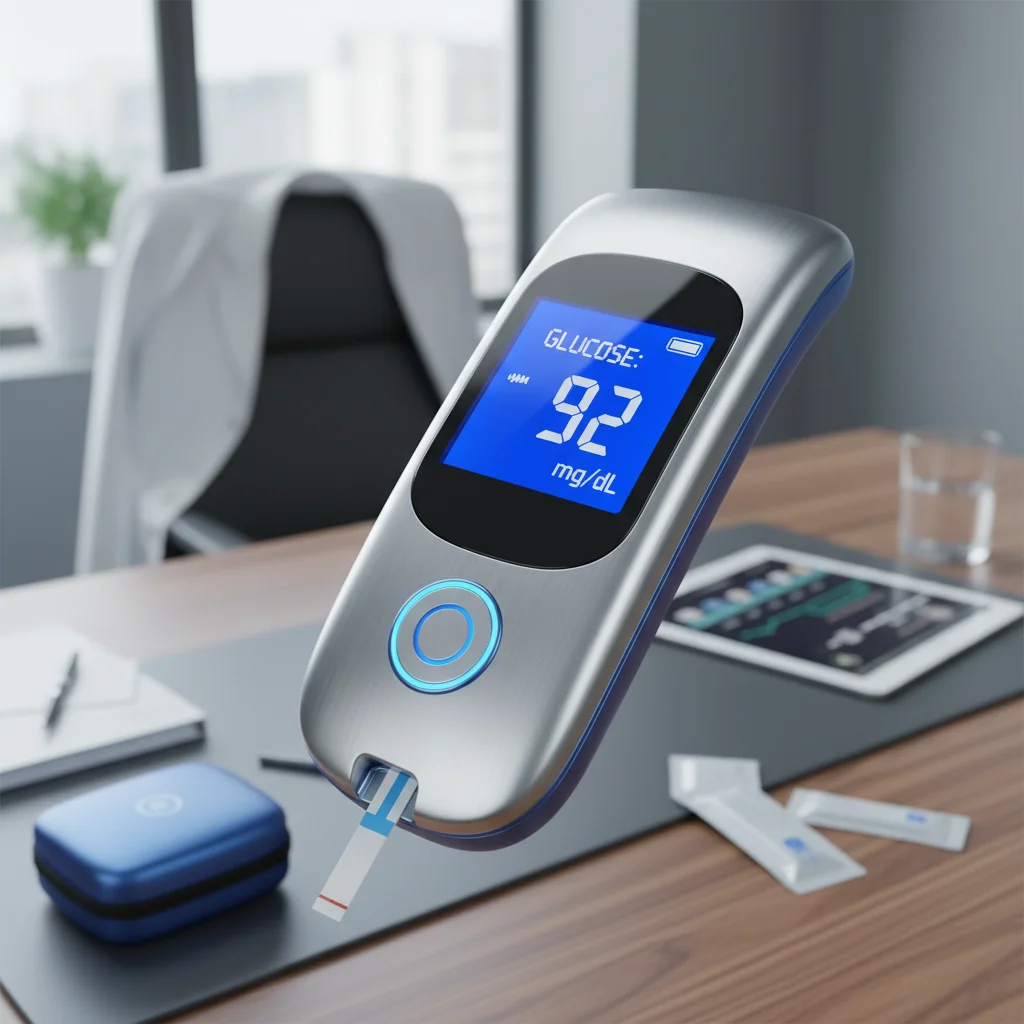
There are two primary methods for monitoring blood glucose: self-monitoring blood glucose (SMBG) using a traditional blood glucose meter, and continuous glucose monitoring (CGM). SMBG requires a finger prick to obtain a blood sample, providing a snapshot of your glucose level at a specific moment. CGM, on the other hand, utilizes a small sensor inserted under the skin to measure glucose levels continuously throughout the day and night. Each method has its own advantages and disadvantages, catering to different needs and preferences. Choosing the right system hinges on understanding these differences. XMYLCGM offers a range of cutting-edge glucose monitoring solutions.
Key Highlights: CGM provides real-time glucose readings, trend information, and alerts, while SMBG offers a cost-effective option for occasional checks.
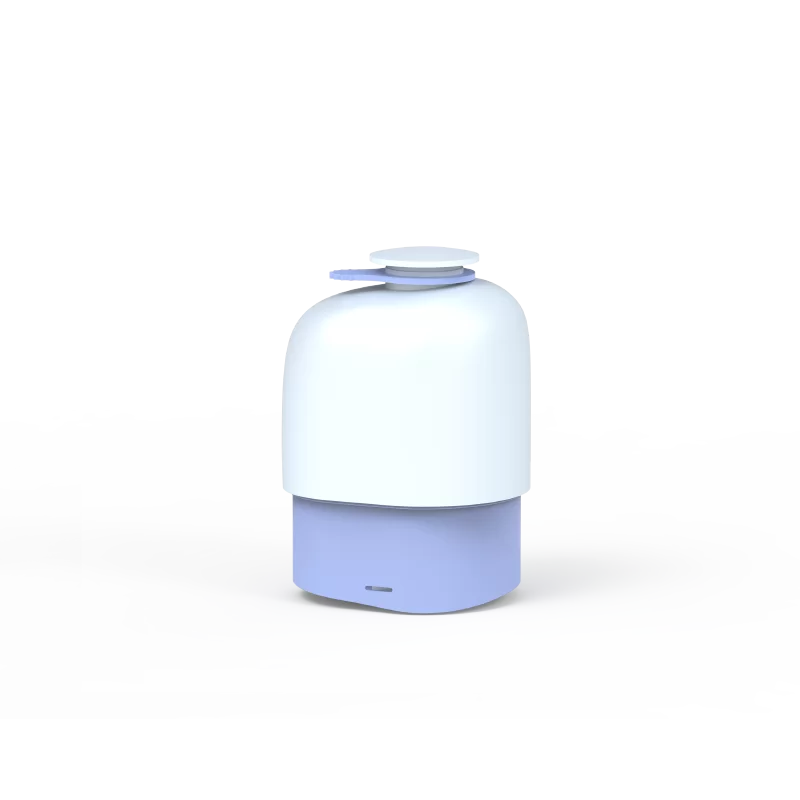
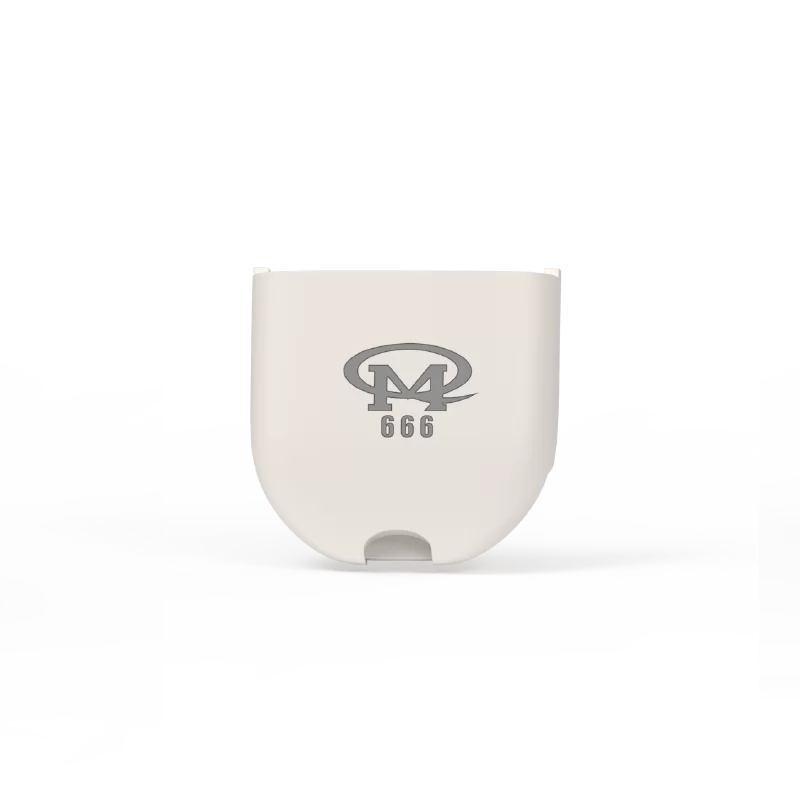
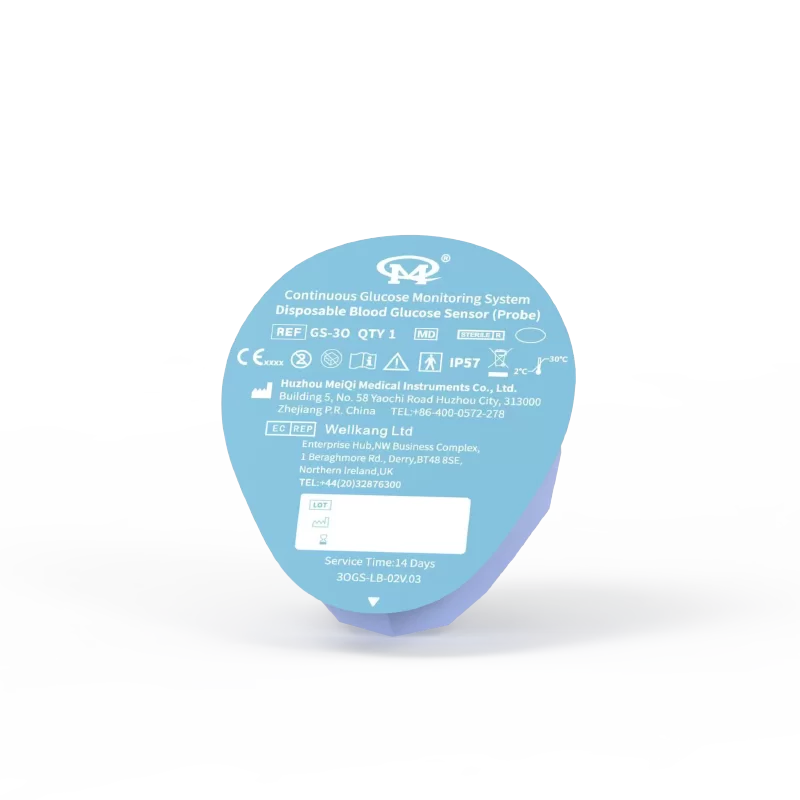
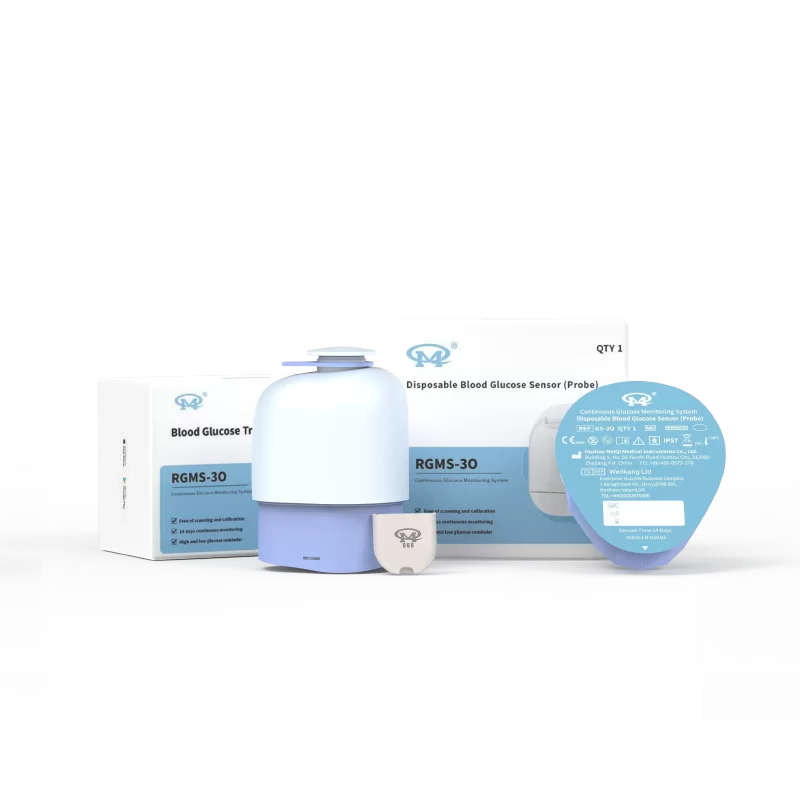
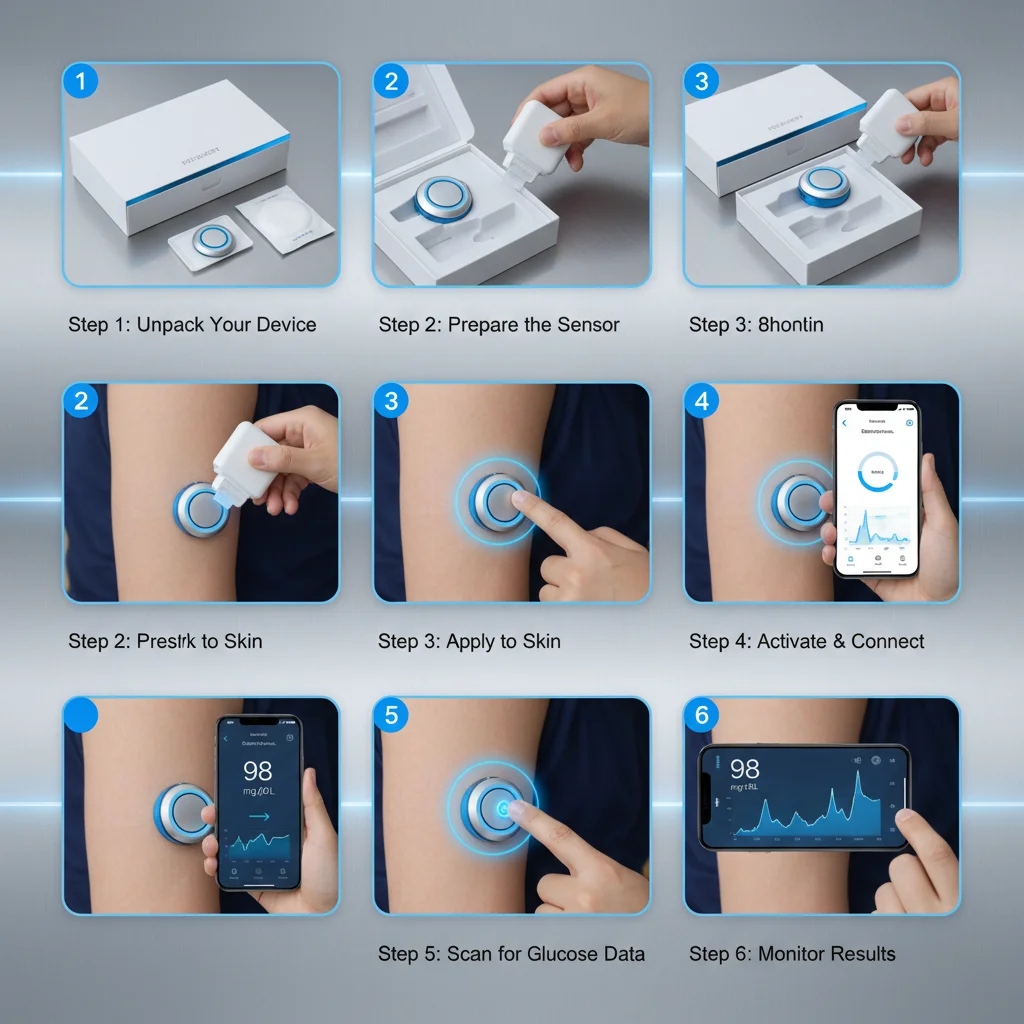
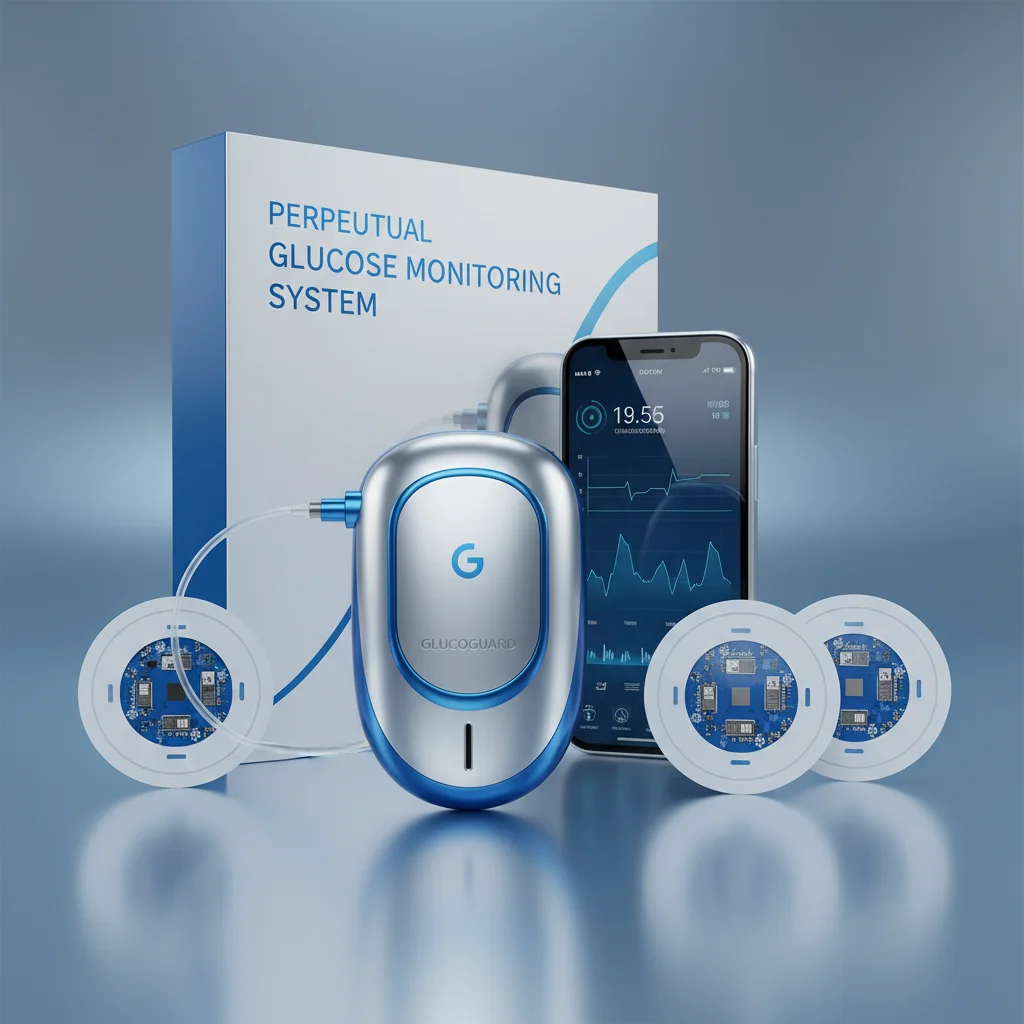
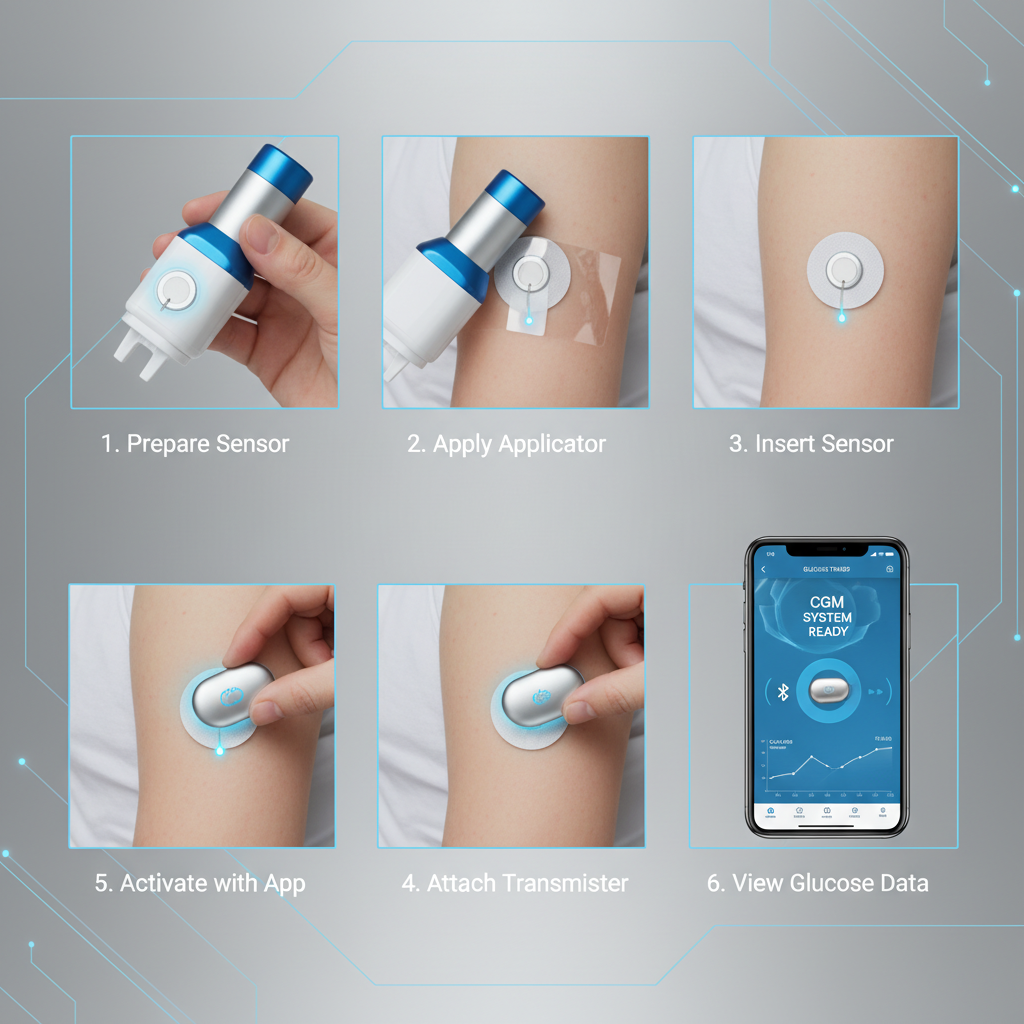
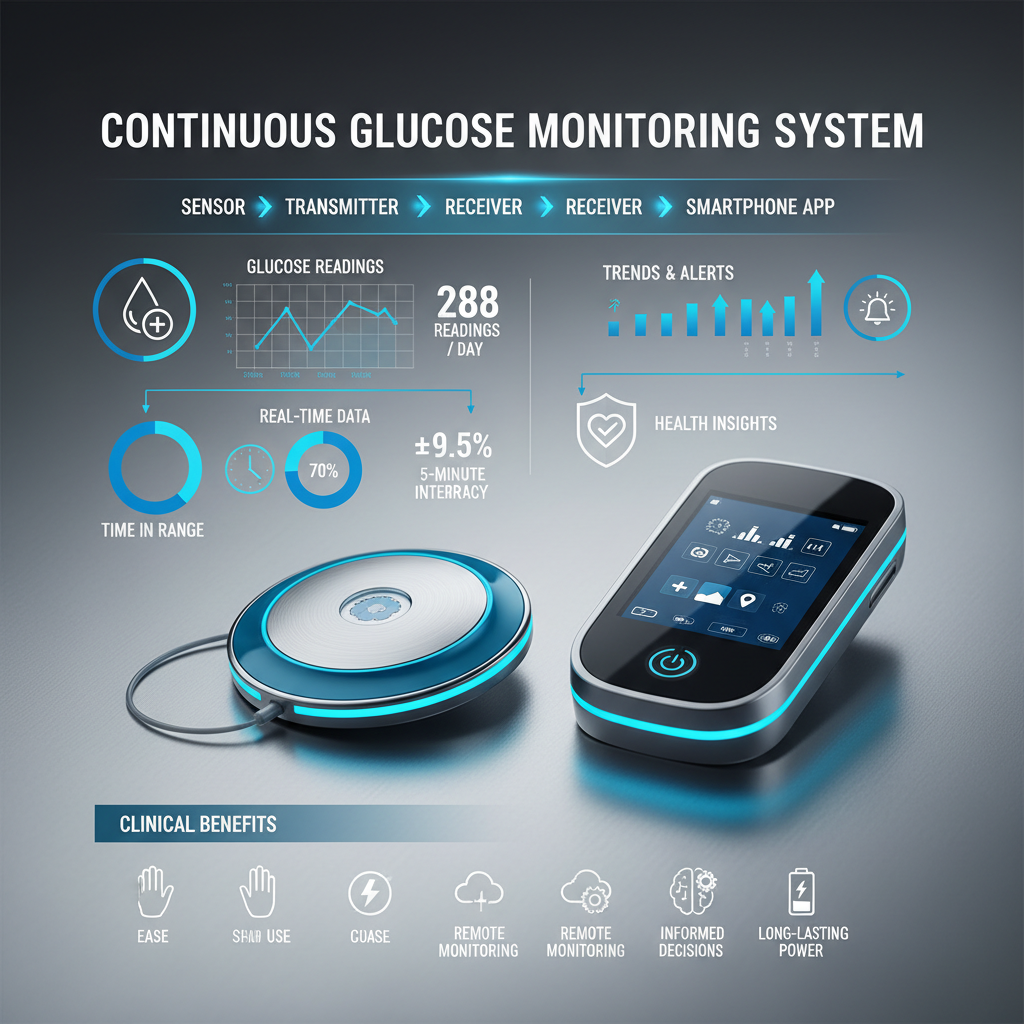
CGMs have revolutionized diabetes management by providing a comprehensive view of glucose fluctuations. These systems consist of a small sensor inserted under the skin (typically in the abdomen or arm), a transmitter that sends data wirelessly to a receiver or smartphone, and software to display and analyze the information. CGMs not only show current glucose levels but also indicate the direction and rate of change, allowing individuals to proactively manage their diabetes. Features like alerts for high or low glucose levels provide an added layer of safety and peace of mind. The continuous data stream empowers individuals and healthcare providers to make informed decisions regarding insulin dosage, diet, and exercise.
CGM Benefits:
• Real-time glucose readings
• Trend information (direction and rate of change)
• Customizable alerts for high and low glucose levels
• Improved HbA1c control
Choosing between CGM and SMBG involves considering factors such as cost, frequency of monitoring, and individual needs. CGM systems tend to be more expensive upfront but can lead to better glucose control and reduced long-term complications. SMBG remains a viable option for those who require less frequent monitoring or prefer a more affordable solution. XMYLCGM offers solutions for both needs.
Several factors influence the choice of a glucose monitoring system. Your lifestyle, diabetes management goals, and budget are key considerations. If you lead an active lifestyle or have difficulty controlling your glucose levels, a CGM might be more beneficial. If you require less frequent monitoring or are cost-conscious, a BGM may be sufficient. Consult with your healthcare provider to discuss your individual needs and determine the most appropriate system for you. XMYLCGM can help you navigate these choices.
At XMYLCGM, we are committed to providing innovative and reliable glucose monitoring solutions. We offer a range of CGMs and BGMs designed to meet the diverse needs of individuals with diabetes. Our systems are known for their accuracy, ease of use, and advanced features. We prioritize customer satisfaction and offer comprehensive support to ensure a seamless monitoring experience. We strive to empower individuals to take control of their health through cutting-edge technology and personalized care.
Choosing the right glucose monitoring system products is a crucial step towards effective diabetes management. Whether you opt for a CGM or a BGM, prioritize accuracy, convenience, and features that align with your individual needs. XMYLCGM provides a comprehensive selection of solutions designed to empower you on your journey to better health.
Calibration frequency varies depending on the specific CGM model. Some CGMs require calibration once or twice a day, while others are factory calibrated and don't require user calibration. Follow the manufacturer's instructions for your specific device. Accurate calibration is essential for ensuring the reliability of your glucose readings. Regularly check the manufacturer's website or consult your healthcare provider for updated calibration guidelines. Using XMYLCGM products, you’ll receive clear guidance on calibration procedures.
While CGMs are often associated with insulin therapy, they can be beneficial for individuals with diabetes who don’t use insulin. CGMs provide valuable insights into how lifestyle factors like diet and exercise affect glucose levels. This information can help you make informed choices to optimize your overall health and prevent the progression of diabetes. Discuss the potential benefits of CGM with your healthcare provider to determine if it's appropriate for your individual circumstances.
If your CGM reading doesn’t align with your symptoms (e.g., you feel low but the CGM reads normal), confirm the reading with a fingerstick blood glucose test using a traditional meter. CGM readings can sometimes be affected by factors such as compression low (pressure on the sensor) or sensor inaccuracies. If there’s a discrepancy, treat based on the fingerstick reading. If discrepancies persist, consult your healthcare provider to troubleshoot the issue and ensure accurate monitoring.
Used CGM sensors and lancets should be disposed of safely in a designated sharps container. Do not throw these items in the regular trash. Contact your local healthcare provider or waste management facility for information on proper sharps container disposal. Follow the manufacturer’s instructions for disposing of other CGM components. Responsible disposal helps prevent accidental needle sticks and protects the environment.