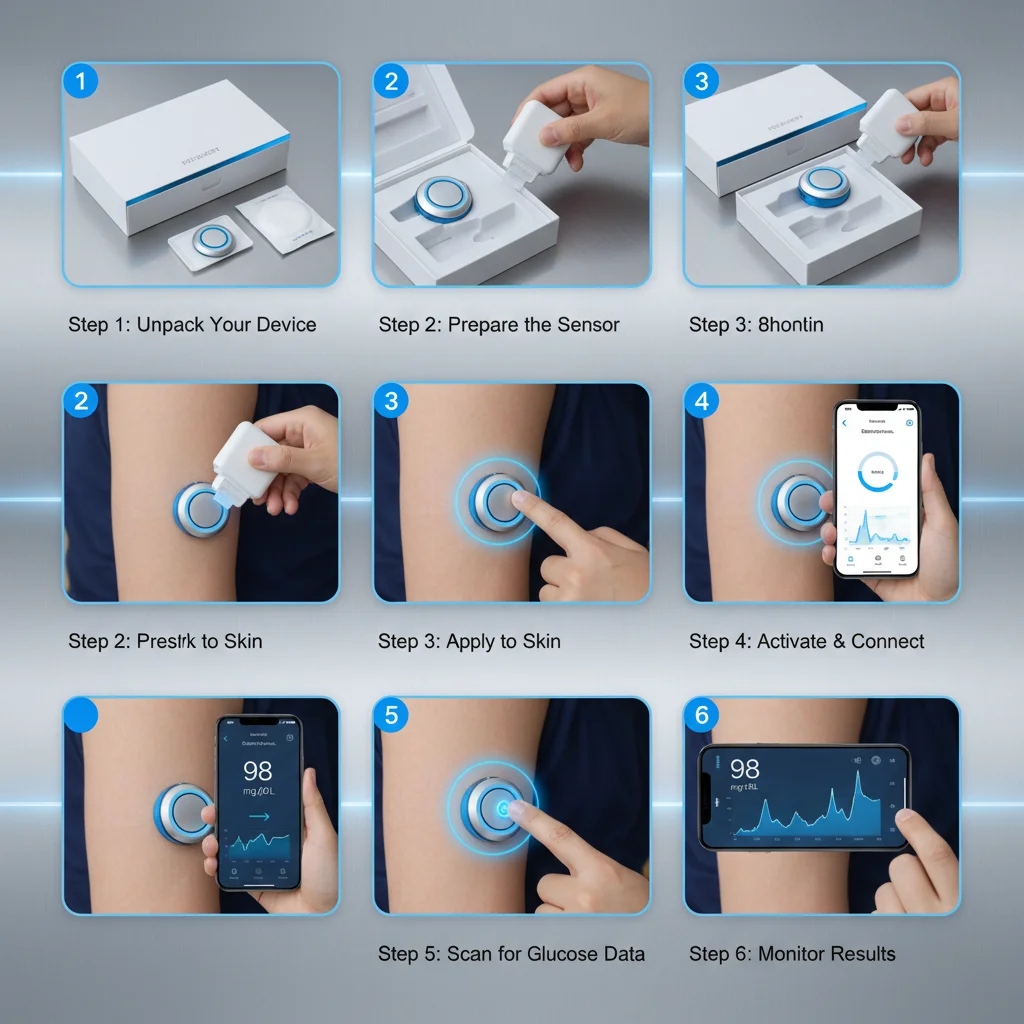
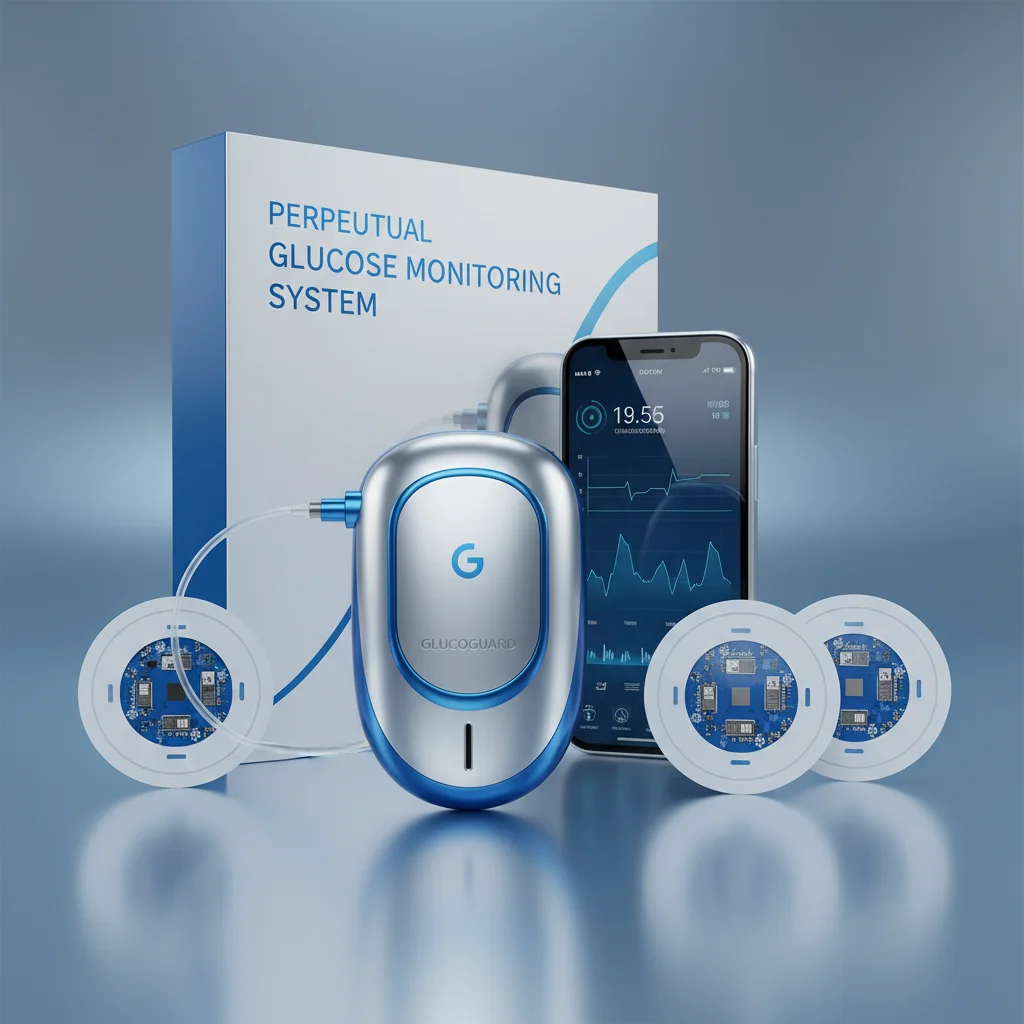
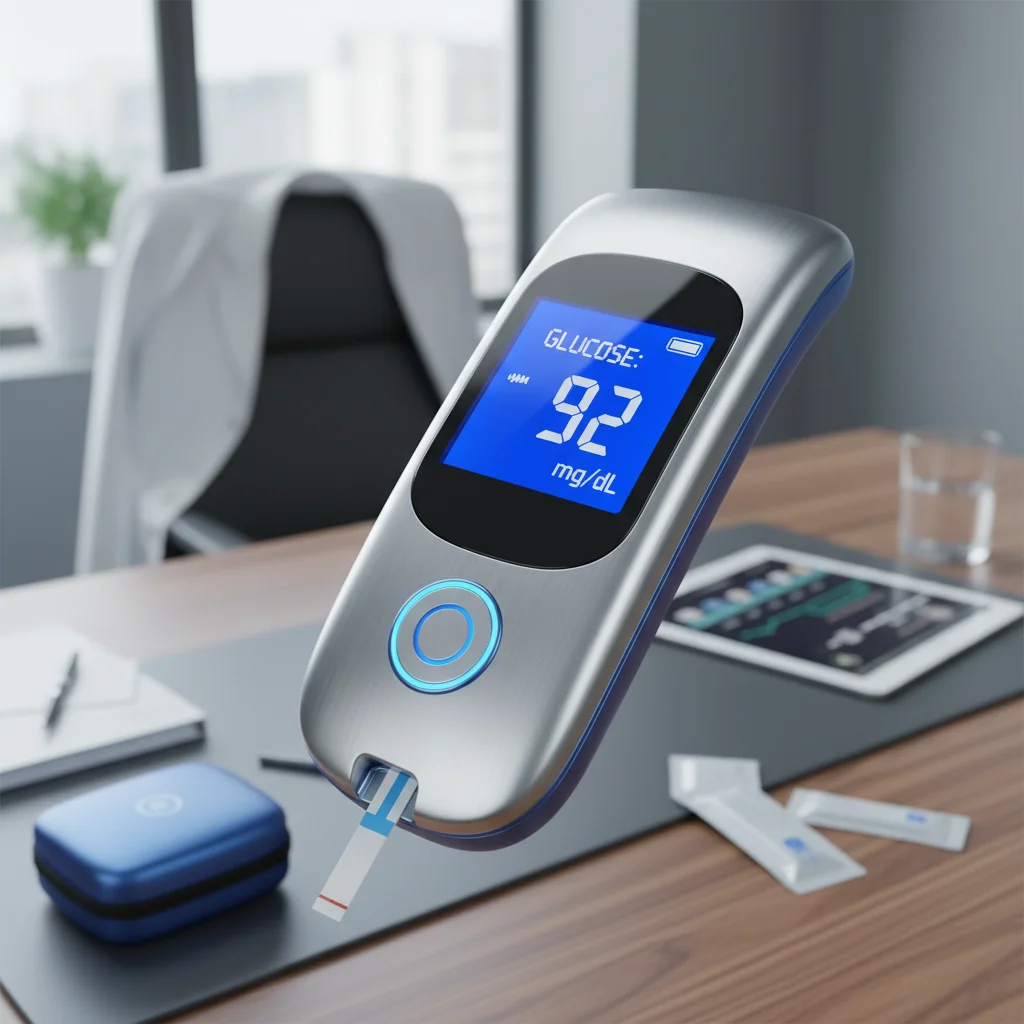
Managing diabetes effectively requires consistent monitoring of glucose levels. Continuous Glucose Monitoring (CGM) systems have revolutionized diabetes care, offering real-time insights into glucose fluctuations. This article provides an in-depth look at CGM technology, the benefits of using a CGM, and the range of CGM continuous glucose monitoring system products available. Understanding these systems empowers individuals with diabetes and their healthcare providers to make informed decisions for optimized health management.
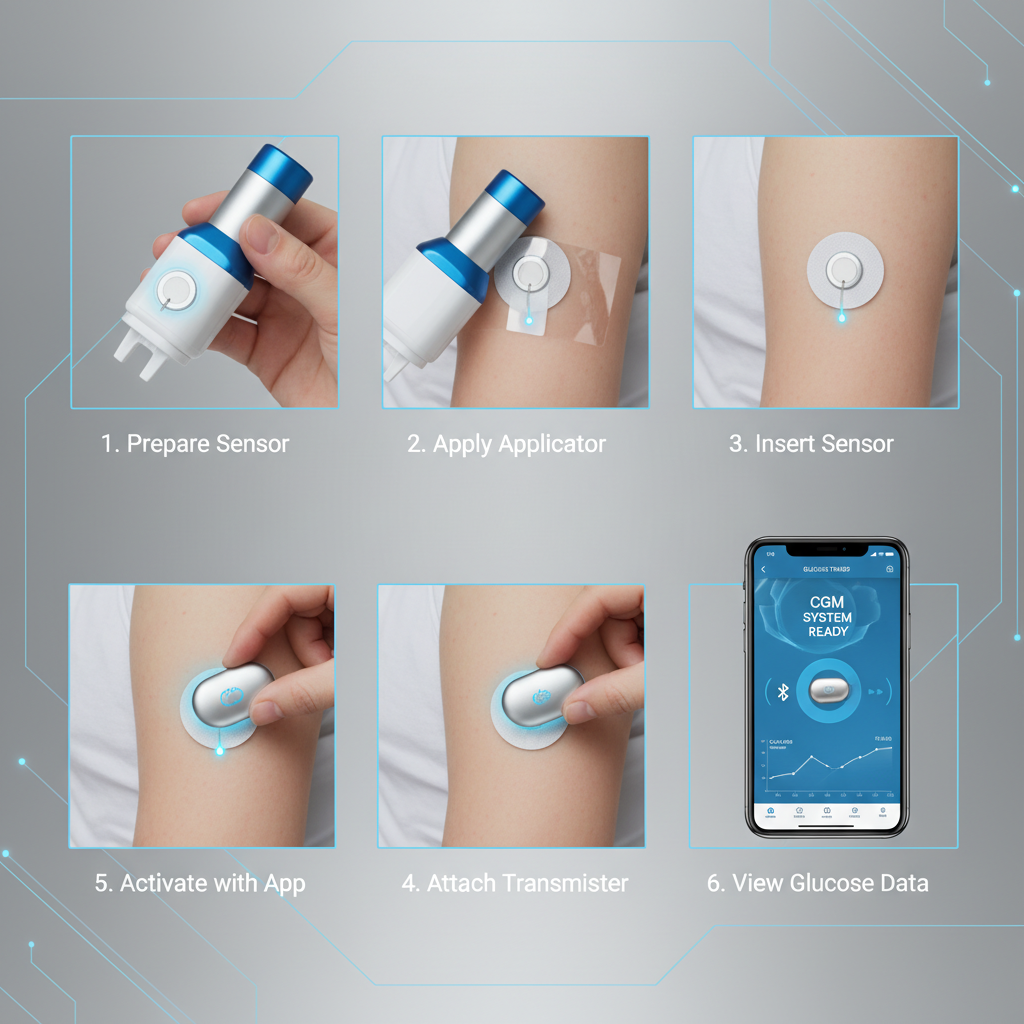
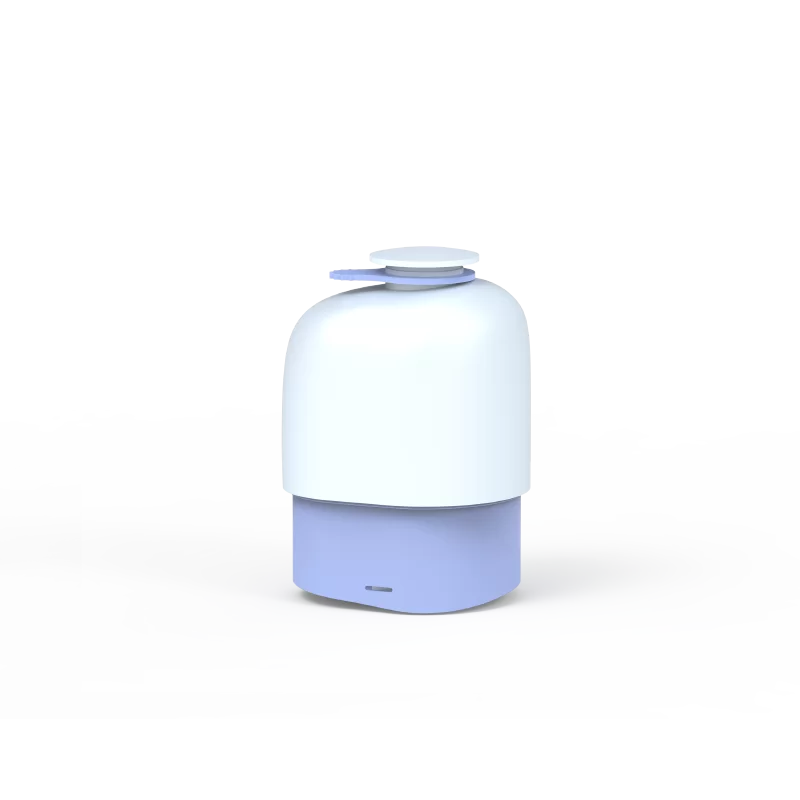
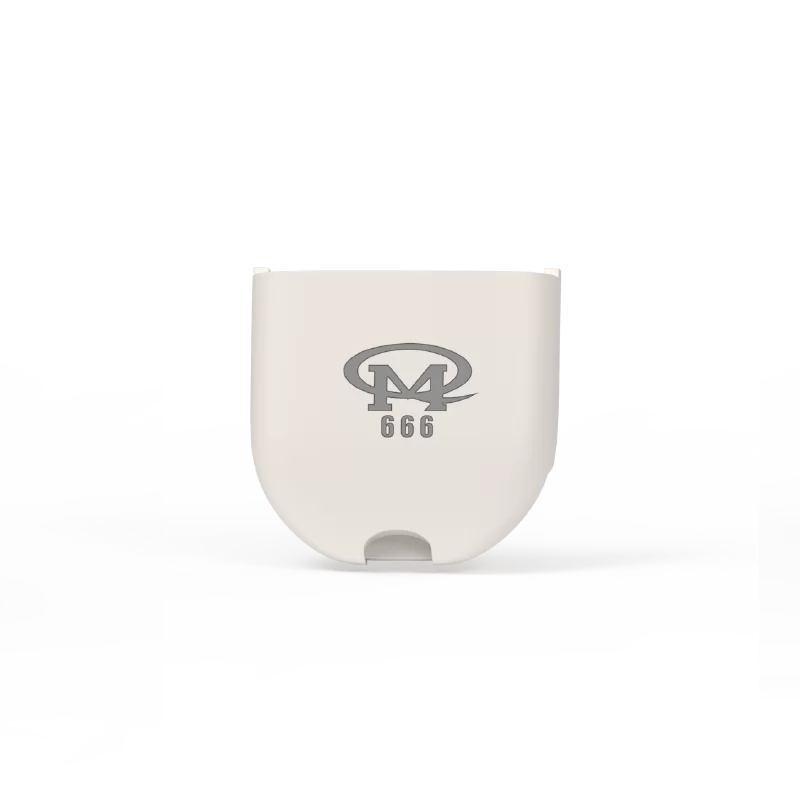
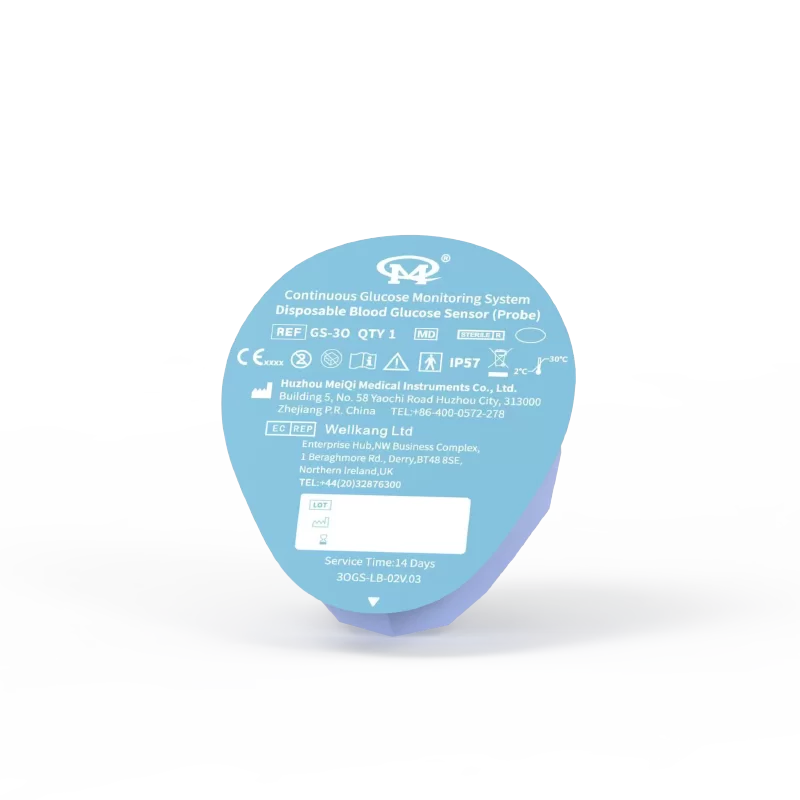
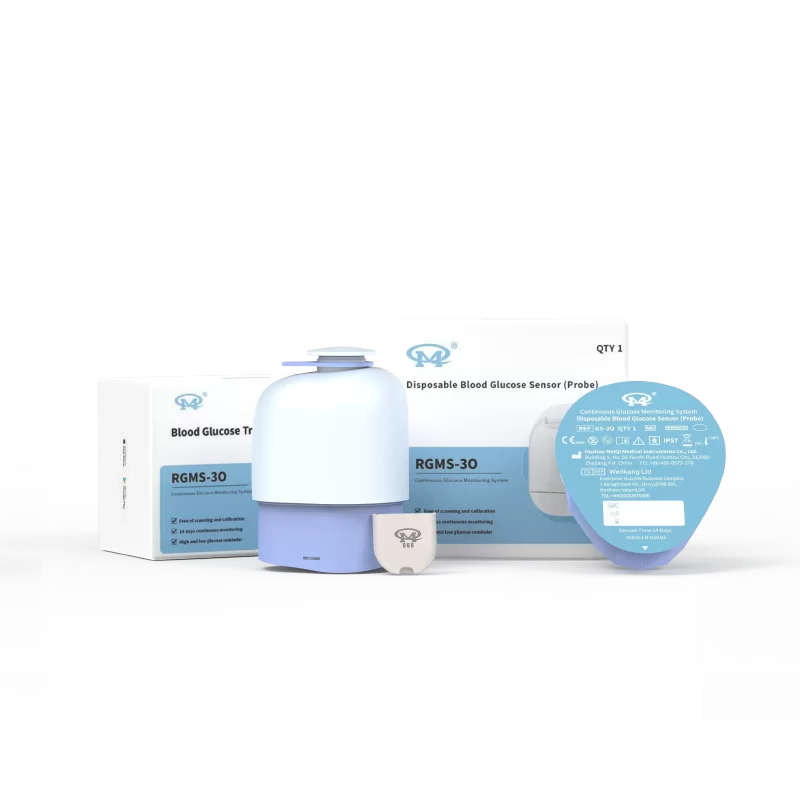
A CGM system consists of a small sensor inserted under the skin, typically in the abdomen or arm. This sensor continuously measures glucose levels in the interstitial fluid – the fluid surrounding cells. The sensor transmits data wirelessly to a receiver, which can be a dedicated device, a smartphone, or an insulin pump. Unlike traditional finger-prick glucose meters that provide snapshots in time, a CGM provides a dynamic glucose profile, showing trends, patterns, and alerts for high or low glucose levels. This allows for proactive management and reduces the risk of dangerous glucose excursions. Learn more about our CGM technology and its innovative features.
Key Benefits: Continuous monitoring, real-time glucose trends, alerts for highs and lows, improved glycemic control, and reduced risk of complications.
Several factors influence the choice of a CGM system, including individual needs, lifestyle, and cost. Different systems offer varying features, such as sensor accuracy, data reporting capabilities, and integration with other devices. Consider factors like sensor life, ease of use, and the availability of alerts and alarms. It’s also essential to discuss your options with your healthcare provider to determine the best CGM system for your specific situation. Xmylcgm provides a diverse range of CGM systems designed to meet diverse patient requirements.
Key Considerations When Choosing a CGM:
• Sensor Accuracy and Reliability
• Data Reporting and Analysis
• Ease of Use and Comfort
• Integration with Insulin Pumps and Other Devices
Selecting the appropriate CGM can be challenging given the variety of options available. Here’s a comparison of some popular systems, focusing on key features and specifications. This table is intended as a general guide, and specific features may vary depending on the model and manufacturer.
CGM technology is continuously evolving, with ongoing research focused on improving accuracy, extending sensor life, and integrating with advanced algorithms. Future developments may include non-invasive CGM options and systems that automatically adjust insulin delivery based on real-time glucose data. Xmylcgm is dedicated to staying at the forefront of CGM innovation, offering our customers the most advanced solutions available.
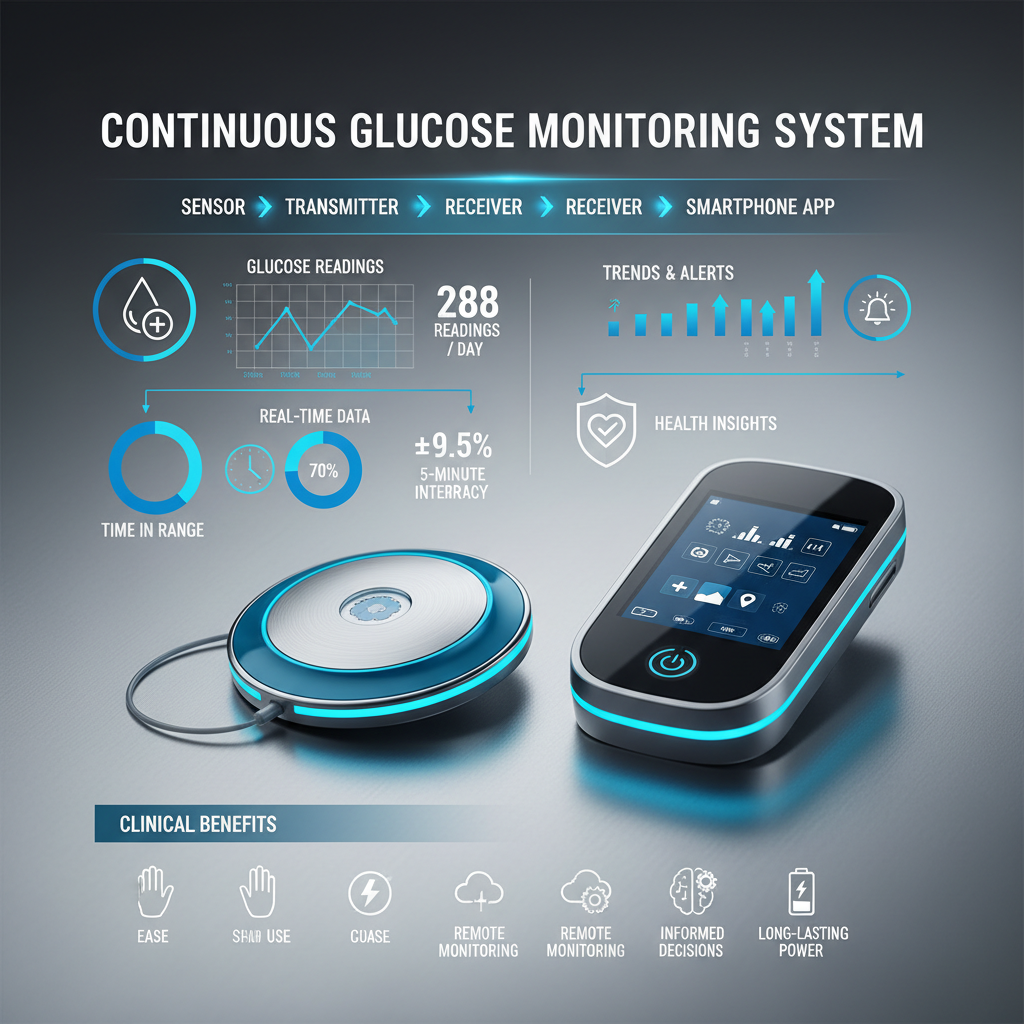
CGM systems offer several advantages over traditional blood glucose meters. They provide continuous, real-time glucose readings, showing trends and patterns that finger-prick tests miss. This allows for proactive management of glucose levels, reducing the risk of hyperglycemia and hypoglycemia. CGMs also eliminate the need for frequent finger pricks, improving comfort and convenience. The data provided by a CGM can be used to optimize insulin dosing and lifestyle choices for better glycemic control. Additionally, many CGMs offer alerts for high and low glucose levels, providing an extra layer of safety.
The accuracy of CGM systems has significantly improved in recent years. Modern CGMs generally have a high degree of correlation with blood glucose meter readings. However, it’s important to note that CGM readings measure glucose in the interstitial fluid, which may lag slightly behind blood glucose levels. Therefore, it’s still recommended to occasionally check blood glucose with a finger-prick meter, especially when making critical treatment decisions or experiencing symptoms that don’t align with the CGM reading. Our Xmylcgm Pro boasts exceptional accuracy with minimal lag.
Yes, in most regions, a prescription from a healthcare provider is required to obtain a CGM system. This ensures that a qualified medical professional has assessed your individual needs and determined if a CGM is appropriate for you. The prescription also allows for proper training and guidance on using the system effectively. We can assist in connecting you with healthcare professionals who can provide a prescription if needed.
The frequency of sensor replacement varies depending on the specific CGM system. Most sensors are designed to be worn for 7, 10, or 14 days. It's crucial to follow the manufacturer’s instructions for sensor replacement. Replacing the sensor at the recommended interval ensures optimal accuracy and performance. Factors like activity level and individual metabolism can also influence sensor life.