
The psychological and physical burden of chronic disease management often centers not on the medication itself, but on the repetitive precision required for administration. For millions of users, the act of self-injection is a daily source of anxiety, where the fear of incorrect needle placement can lead to poor compliance and suboptimal clinical outcomes.
Addressing these challenges requires a shift from simple disposable tools toward engineered medical accessories that prioritize human-centric design. The integration of "Poka-yoke" or anti-mistake principles into injection aids is transforming how patients interact with their treatment regimens, moving the needle from manual struggle to systematic precision.
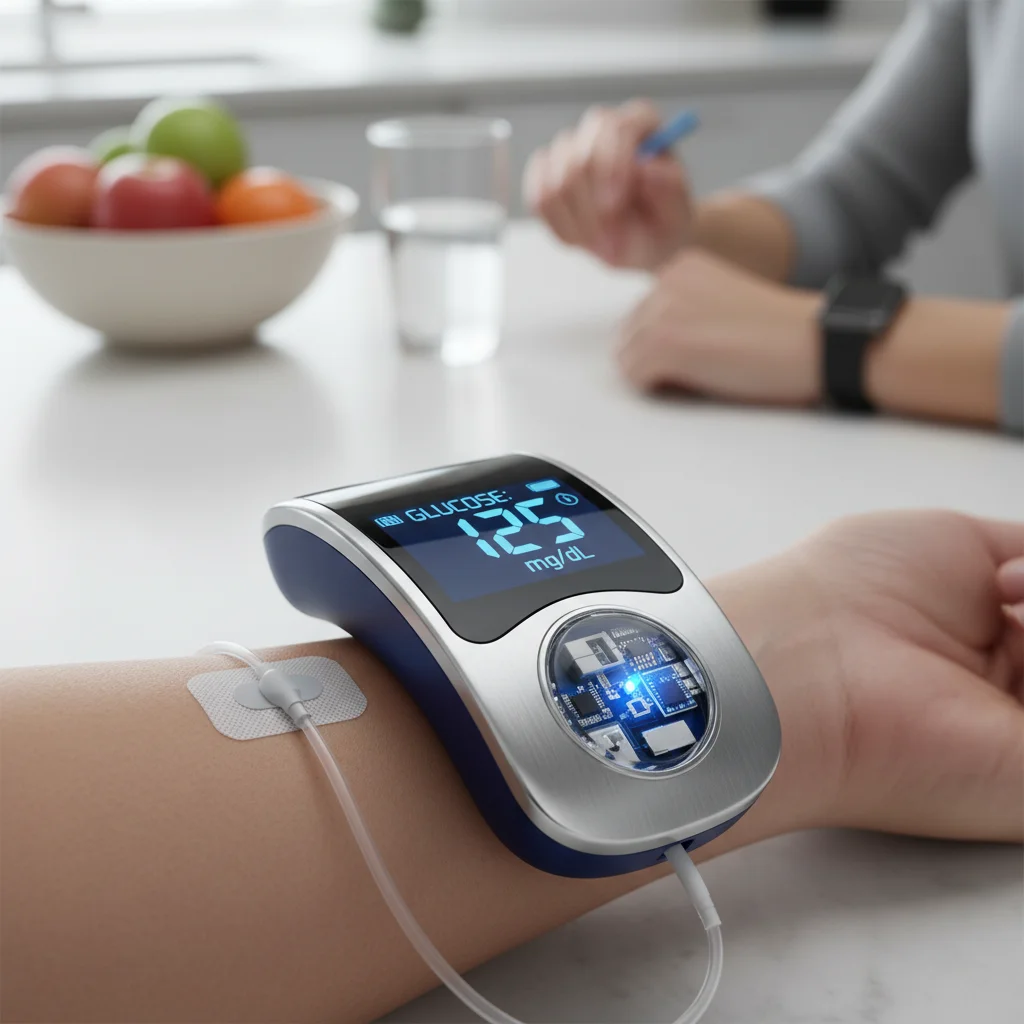
By examining the intersection of ergonomics and medical safety, we can better understand how smart glucose monitor Products and their accompanying accessories are creating a more seamless ecosystem for metabolic health management.


Historically, needle administration relied heavily on manual dexterity and visual estimation. This approach created a significant variability in administration depth and accuracy, particularly for elderly patients or those with limited mobility in their hands.
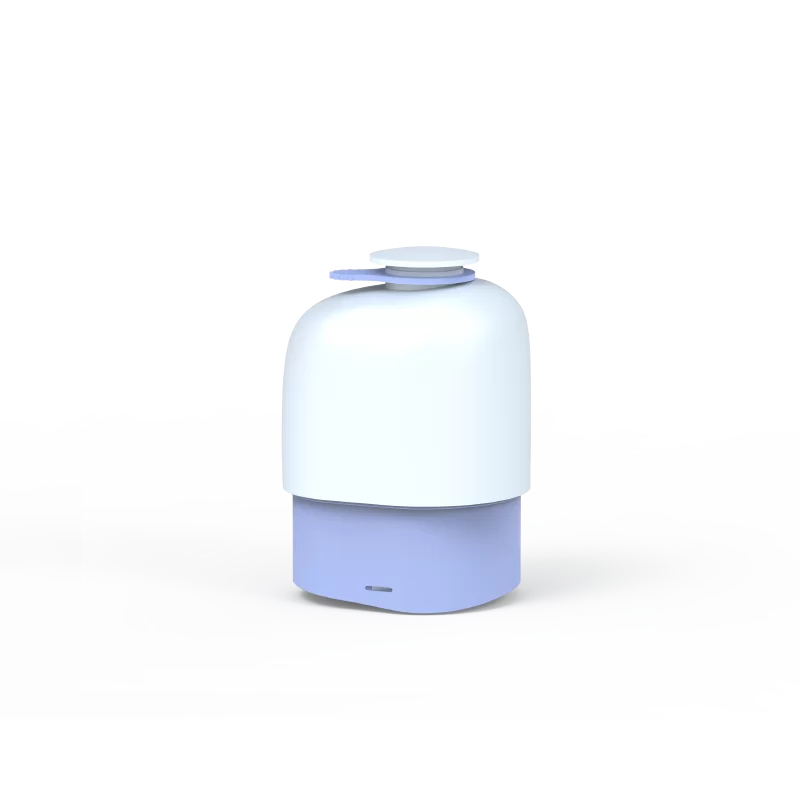
The transition toward professional-grade accessories, such as the AT-3O Portable Needle Aid, marks a shift toward "standardized administration." By providing a physical guide, these tools remove the guesswork from the process, ensuring that the needle is placed consistently and safely.
At the core of modern medical device manufacturing is the concept of Poka-yoke, a Japanese term for "mistake-proofing." In the context of needle aids, this means the device is physically engineered so that it can only be assembled and used in one correct orientation. This eliminates the possibility of incorrect insertion, which is a primary cause of patient anxiety and injury.
The technical execution of this design involves precise geometric constraints. By utilizing specific interlocking shapes and guided paths, the device ensures that the medical needle aligns perfectly with the administration site. This removes the cognitive load from the patient, transforming a high-stress task into a simple, mechanical operation.
Furthermore, this design logic extends to the materials used. High-durability polymers are selected not just for strength, but to ensure that the geometric tolerances of the anti-mistake mechanism do not degrade over the product's lifespan, maintaining safety through years of repetitive use.
Clinical precision is not merely about the needle's sharpness, but about the stability of the platform from which it is delivered. A professional-grade aid must maintain a rigid structure to prevent needle deflection during insertion, which is critical for consistent medication absorption.
The shift from disposable to reusable medical aids, such as those with a certified 3-year shelf life, represents a dual victory in reducing medical waste and lowering the long-term economic burden of chronic disease consumables.
Huzhou Xinmei Medical Equipment Co., Ltd. integrates these priorities into their manufacturing process, ensuring that devices like the AT-3O maintain their structural integrity. This long-term reliability is essential for patients who require daily interventions, as it provides a stable, predictable tool that does not need frequent replacement.
The primary metric for success in injection aid design is the "User Independence Index." This measures the degree to which a patient can successfully administer medication without the assistance of a healthcare provider or caregiver. By simplifying the handling process, specialized aids significantly increase the autonomy of patients with limited dexterity.
When comparing manual administration to the use of a professional aid, the difference is most visible in the reduction of error rates and the corresponding drop in patient anxiety levels. The following illustrative model demonstrates the relative impact of professional aids across key patient experience dimensions.
In a typical home-care scenario, the portability of medical tools is as critical as their function. A device with dimensions like 49x57x81mm allows patients to maintain their treatment schedule while traveling or working, ensuring that health management is integrated into their lifestyle rather than disrupting it.
Beyond the physical size, the ease of maintenance is a key operational consideration. For reusable aids, following a strict sterilization protocol—using approved medical-grade disinfectants—ensures that the device remains safe over its 3-year lifespan, effectively bridging the gap between clinical-grade precision and home-based convenience.
The chronic disease management market is moving toward a holistic "Digital + Physical" ecosystem. While smart glucose monitor Products provide the data, the physical accessories provide the means of intervention. The synergy between real-time monitoring and precise administration tools is key to achieving better HbA1c levels and overall patient health.
We are seeing a growing demand for "inclusive design," where tools are developed specifically for populations with visual impairments or neurological tremors. The focus is shifting from merely "making the device work" to "making the device usable for everyone," regardless of their physical limitations.
Looking forward, the integration of biodegradable high-strength materials may further refine the balance between reusability and environmental impact, ensuring that the next generation of medical aids is both clinically effective and ecologically sustainable.
Choosing the right administration aid requires an evaluation of the trade-off between initial investment and long-term operational costs. While disposable aids have a low entry cost, the recurring expense and environmental waste make them less sustainable for long-term chronic management.
Professional aids, such as the AT-3O, shift the cost structure toward a one-time investment that yields value over three years. This model not only reduces the cost per use but also provides a higher level of psychological security for the patient due to the anti-mistake engineering.
The following comparison framework highlights the primary differences between standard manual methods and professional-grade engineered aids.
| Evaluation Factor | Manual Administration | Standard Disposable Aid | Professional Aid (AT-3O) |
|---|---|---|---|
| Error Probability | Moderate to High | Moderate | Ultra-Low |
| User Independence | Requires Assistance | Partial Independence | High (Self-Operated) |
| Lifespan / Cycle | N/A (Manual) | Single Use | 3 Years (Reusable) |
| Patient Anxiety | High | Moderate | Significantly Reduced |
| Cost Model | Low (Initial) | High (Recurring) | Low (Per-use investment) |
| Precision Level | Variable | Consistent | Clinical Grade |
Anti-mistake design, often referred to as Poka-yoke in manufacturing, involves creating physical constraints that prevent a device from being used incorrectly. For a needle aid like the AT-3O, this means the needle and the device can only fit together in the correct orientation. This eliminates operational errors, ensuring the needle is always aligned for safe and accurate administration, which is critical for patients performing self-care at home.
Disposable aids require constant repurchasing, leading to high recurring costs over the course of a year. In contrast, a professional reusable aid represents a one-time investment. With a certified lifespan of 3 years, the cost per individual use is dramatically lower, making it a more economically sustainable choice for patients managing chronic conditions over several years.
The AT-3O is engineered to be compatible with standard medical needle specifications commonly used in blood glucose and hormone management. This versatility ensures that patients can use the aid with various medication brands, provided they follow standard needle dimensions, making it a flexible tool for diverse chronic disease management needs.
To maintain safety and hygiene, reusable aids must follow specific sterilization protocols. This typically involves cleaning the exterior surfaces with approved medical-grade disinfectants as prescribed by healthcare guidelines. Because the device is designed for long-term durability, regular cleaning prevents contamination without compromising the structural integrity of the anti-mistake mechanism.
Patients managing chronic diseases often need to administer medication in various environments, including workplaces or while traveling. A compact size (such as 49x57x81mm) ensures the device is unobtrusive and easily fits into small medical kits or handbags. This portability removes barriers to compliance, as patients are more likely to adhere to their schedule if the necessary tools are always available and easy to carry.
Yes. While they are highly beneficial for home-care autonomy, their precision and anti-mistake design also make them valuable in clinical settings. Healthcare providers can use these tools to standardize the administration process across different patients, reducing the risk of human error and providing a consistent experience during clinical treatments.
The intersection of engineering and empathy is where the most effective medical devices are born. By moving beyond simple functionality and addressing the psychological barriers of needle anxiety through anti-mistake design, the industry is empowering patients to take full control of their health journeys.
Whether through the adoption of professional aids like the AT-3O or the use of advanced monitoring systems, the goal remains the same: to reduce the friction of chronic disease management. When precision becomes a systemic guarantee rather than a manual struggle, patient compliance improves, and clinical outcomes naturally follow.