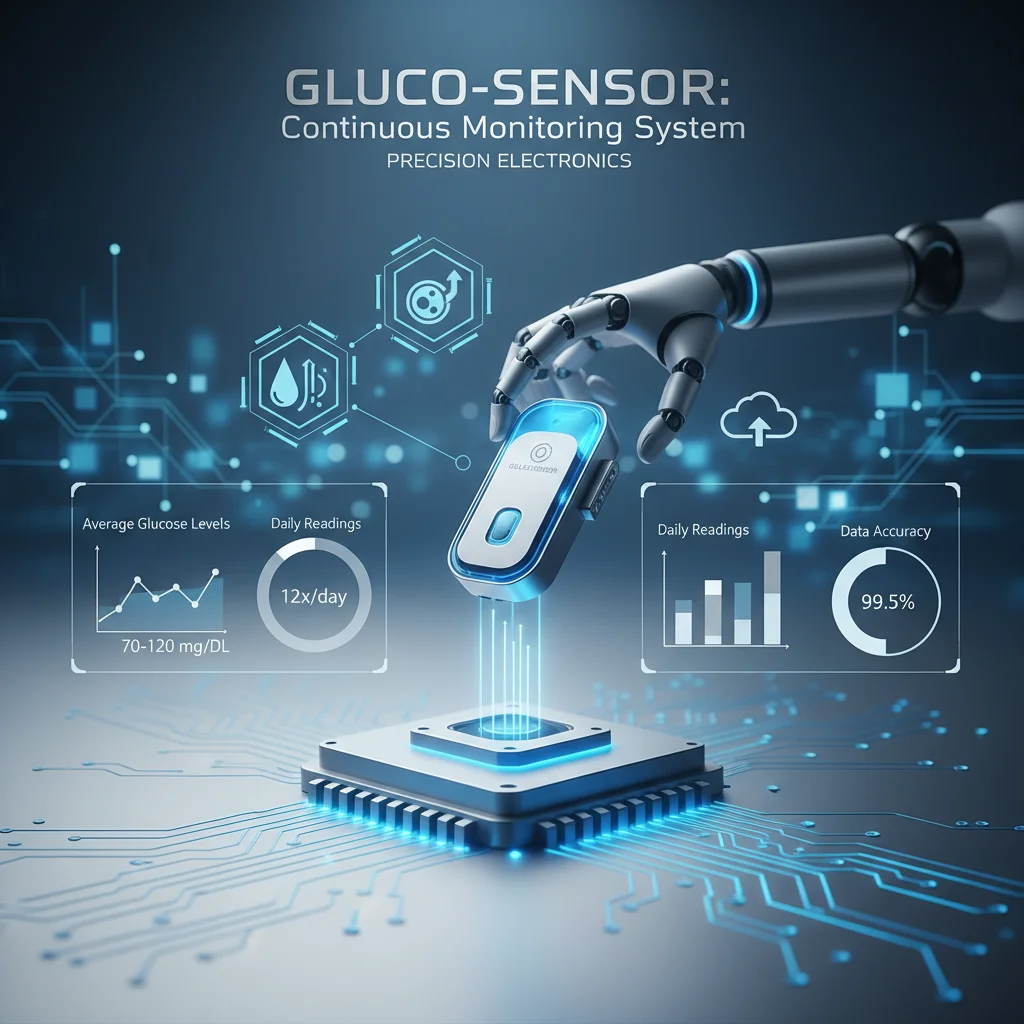
Glucose monitoring sensor Products are rapidly transforming healthcare, offering continuous and convenient tracking of glucose levels for individuals with diabetes. These innovative devices move beyond traditional finger-prick methods, providing real-time data that empowers patients and improves clinical outcomes. The increasing prevalence of diabetes globally, coupled with advancements in sensor technology and data analytics, is driving substantial growth in this market. The ability to proactively manage glucose levels contributes significantly to preventing acute and long-term complications, enhancing the quality of life for millions.
The development of sophisticated glucose monitoring sensor Products represents a paradigm shift in diabetes management. From minimally invasive sensors inserted under the skin to non-invasive technologies exploring optical and radiofrequency methods, the landscape is constantly evolving. This evolution is fueled by a desire for greater accuracy, comfort, and convenience. Crucially, the data generated by these sensors is becoming increasingly integrated with mobile apps, cloud-based platforms, and even automated insulin delivery systems, creating a closed-loop ecosystem for optimal glucose control.
The potential of glucose monitoring sensor Products extends beyond individual health management; it impacts healthcare systems, research, and even lifestyle choices.
The Importance of Glucose Monitoring Sensor Products
According to the World Health Organization, an estimated 422 million adults worldwide have diabetes in 2014. This number continues to rise, placing a significant strain on healthcare systems globally. Effective glucose monitoring is paramount in managing this condition and preventing debilitating complications like blindness, kidney failure, and cardiovascular disease. Glucose monitoring sensor Products offer a substantial improvement over traditional methods, enabling proactive intervention and personalized treatment plans.
The development and adoption of these products aren’t simply about medical technology; they represent a commitment to improving the quality of life for individuals living with diabetes. By providing real-time insights into glucose fluctuations, these sensors empower patients to make informed decisions about their diet, exercise, and medication, fostering a greater sense of control over their health.
Understanding Glucose Monitoring Sensor Products
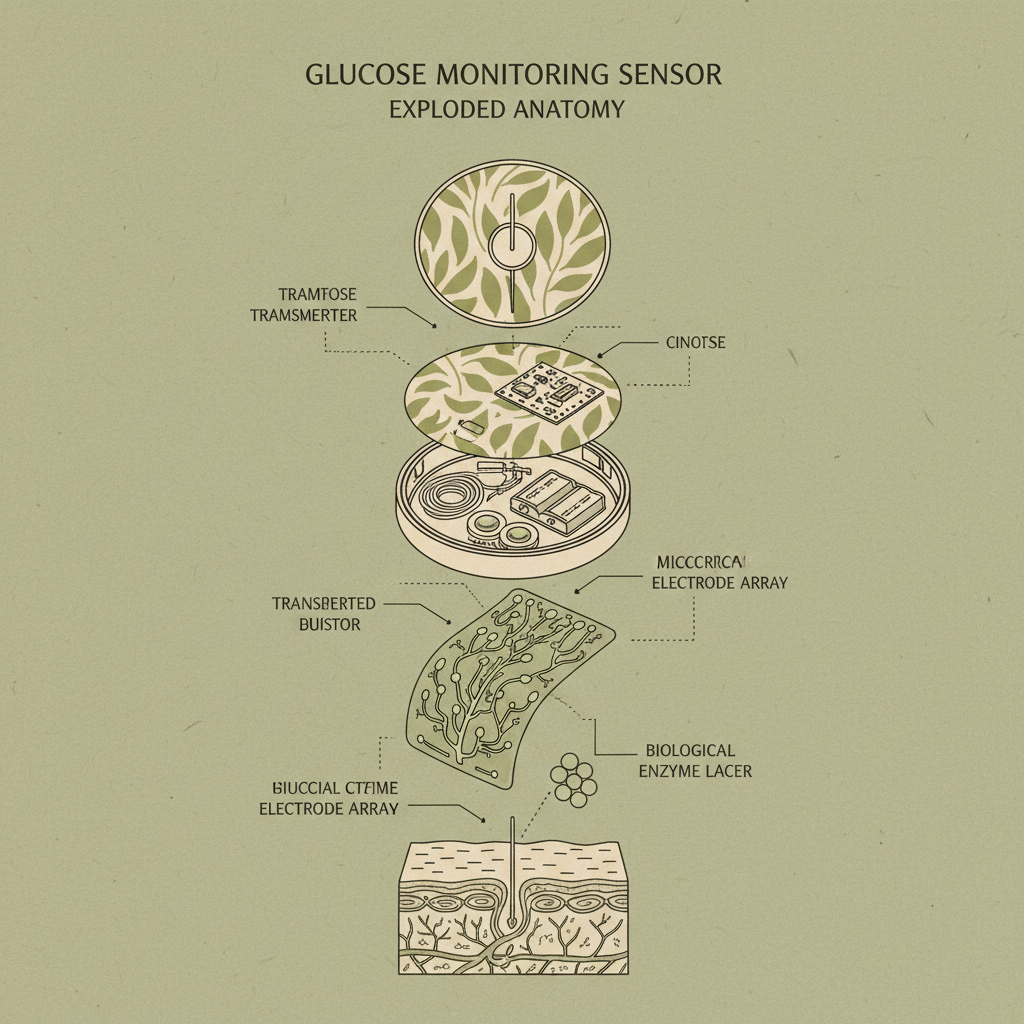
Glucose monitoring sensor Products are devices designed to measure glucose levels in the body repeatedly, without the need for frequent finger pricks. These sensors typically consist of a small electrode inserted under the skin, which interacts with the interstitial fluid (the fluid surrounding cells) to detect glucose concentrations. This data is then transmitted wirelessly to a receiver, which can be a dedicated device, a smartphone, or an insulin pump. The continuous data stream provides a comprehensive picture of glucose trends, revealing patterns that might be missed with intermittent finger-prick testing.
These sensors play a critical role in modern diabetes care, functioning as an essential component of closed-loop insulin delivery systems. These systems, often referred to as "artificial pancreas," automatically adjust insulin dosage based on the sensor’s glucose readings, minimizing the risk of hypoglycemia (low blood sugar) and hyperglycemia (high blood sugar). The connection to modern industry is vital, blending biological need with engineering solutions.
The increasing prevalence of chronic diseases globally necessitates innovative solutions like these to alleviate the burden on healthcare systems and enhance patient outcomes.
Core Components of Glucose Monitoring Sensor Products
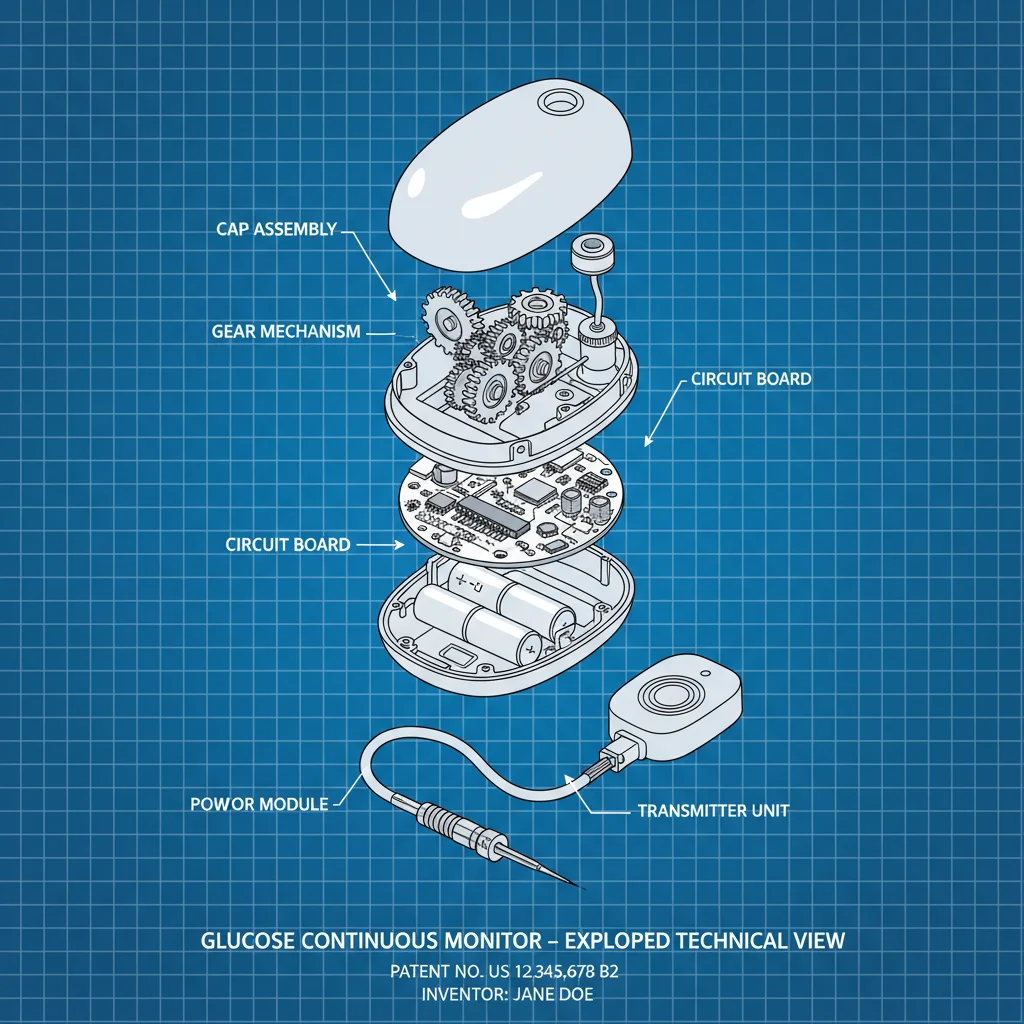
At the heart of any glucose monitoring sensor Product lies a sophisticated electrochemical sensor. This sensor typically uses an enzyme, glucose oxidase, which reacts with glucose to produce an electrical current proportional to the glucose concentration. This current is then measured and converted into a glucose reading. Alongside the sensor itself, a crucial component is the transmitter, responsible for wirelessly sending the glucose data to the receiver.
The receiver is the interface for the user, displaying the glucose readings, trends, and alerts. Modern receivers often integrate with smartphone apps, providing advanced data analysis, reporting features, and the ability to share data with healthcare providers. Furthermore, the biocompatible materials used in sensor construction are critical to minimize inflammation and ensure long-term wearability.
Finally, the algorithm that translates the electrical signal into a usable glucose reading is a vital component. The accuracy and reliability of the sensor depend heavily on the sophistication of this algorithm, which must account for factors like temperature, pressure, and individual physiological variations. glucose monitoring sensor Products often invest heavily in refining these algorithms.
Key Factors Influencing Glucose Monitoring Sensor Products Performance
Several key factors determine the performance and effectiveness of glucose monitoring sensor Products. Firstly, Accuracy is paramount. Sensors must provide reliable and consistent readings, closely mirroring blood glucose levels measured by traditional methods. Secondly, Durability and sensor lifespan influence user convenience and cost-effectiveness. Longer-lasting sensors reduce the frequency of replacements and minimize skin irritation.
Comfort is also critical, as sensors are worn continuously for extended periods. A comfortable and discreet design enhances user compliance and overall satisfaction. Furthermore, Data Connectivity and seamless integration with mobile apps and cloud platforms are essential for data analysis, sharing, and remote monitoring.
Performance Metrics for Glucose Monitoring Sensor Products
Global Applications and Use Cases of Glucose Monitoring Sensor Products
Glucose monitoring sensor Products are used extensively in clinical settings, empowering healthcare professionals to provide personalized diabetes management. They are also widely adopted by individuals with diabetes for self-monitoring at home, allowing them to proactively manage their condition and adjust their lifestyle accordingly. In post-disaster relief operations, where access to healthcare may be limited, these sensors can be invaluable for providing continuous glucose monitoring to individuals with diabetes.
Furthermore, these technologies are being integrated into athletic training programs, enabling athletes to optimize their performance by monitoring glucose levels during exercise. In remote industrial zones, where healthcare access may be challenging, glucose monitoring sensor Products can provide a vital link to remote monitoring and support. glucose monitoring sensor Products are expanding their reach in global health initiatives.
Advantages and Long-Term Value of Glucose Monitoring Sensor Products
The advantages of glucose monitoring sensor Products are numerous. From a clinical perspective, they provide a more complete picture of glucose control, reducing the risk of both acute and long-term complications. Economically, they can lower healthcare costs by preventing hospitalizations and reducing the need for expensive emergency care. Furthermore, the convenience and ease of use of these sensors improve patient adherence to treatment plans.
The long-term value extends beyond individual health. By fostering a proactive approach to diabetes management, these sensors empower individuals to live fuller, more active lives. The resulting reduction in disability and increased productivity contribute to a more robust and sustainable society. They also instill a sense of trust and confidence in patients, enhancing their overall well-being.
Future Trends and Innovations in Glucose Monitoring Sensor Products
The future of glucose monitoring sensor Products is bright, with exciting innovations on the horizon. Non-invasive glucose monitoring technologies, utilizing techniques like optical spectroscopy and radiofrequency sensing, are under development and promise to eliminate the need for skin punctures altogether. Miniaturization and increased sensor lifespan are also key areas of focus, aiming for more comfortable and discreet devices that require less frequent replacement.
The integration of artificial intelligence (AI) and machine learning (ML) algorithms will further enhance the capabilities of these sensors, enabling personalized insights, predictive alerts, and automated insulin delivery. Furthermore, advancements in biocompatible materials and sustainable manufacturing processes will contribute to more environmentally friendly and cost-effective products.
Summary of Glucose Monitoring Sensor Products Challenges and Potential Solutions
| Challenge |
Impact on Glucose Monitoring Sensor Products |
Proposed Solution |
Potential Benefit |
| Sensor Accuracy |
Inaccurate readings lead to inappropriate treatment decisions. |
Advanced algorithm development and calibration methods. |
Improved glucose control and reduced complications. |
| Sensor Lifespan |
Frequent sensor replacements are costly and inconvenient. |
Development of more durable and biocompatible materials. |
Reduced costs and increased user convenience. |
| Skin Irritation |
Causes discomfort and may lead to sensor discontinuation. |
Hypoallergenic sensor materials and optimized insertion techniques. |
Improved user comfort and adherence. |
| Calibration Requirements |
Requires frequent finger-prick tests for calibration. |
Development of factory-calibrated sensors and calibration-free technology. |
Elimination of finger-prick calibration and increased convenience. |
| Data Security and Privacy |
Concerns about the security and privacy of sensitive glucose data. |
Robust encryption protocols and adherence to data privacy regulations. |
Increased patient trust and data protection. |
| Cost of Technology |
High cost can limit access for some individuals. |
Increased competition and economies of scale to reduce manufacturing costs. |
Improved accessibility and wider adoption of glucose monitoring sensor Products. |
FAQS
The replacement frequency for glucose monitoring sensors varies depending on the brand and model. Most sensors are designed to be worn for 7-14 days, after which they should be replaced to maintain accuracy. Some newer sensors offer extended wear times of up to 28 days. It’s essential to follow the manufacturer’s recommendations for sensor replacement and proper disposal.
Insurance coverage for glucose monitoring sensor Products varies widely depending on your insurance plan and location. Many insurance companies now cover continuous glucose monitoring (CGM) for individuals with diabetes who meet certain criteria, such as those on multiple daily insulin injections. It's important to check with your insurance provider to understand your specific coverage and any required documentation.
While glucose monitoring sensor Products are primarily designed for individuals with diabetes, some emerging applications explore their use for general wellness and athletic performance optimization. However, current sensors are calibrated for the glucose ranges typically seen in individuals with diabetes, and readings may be less accurate for those with normal glucose levels. Consult a healthcare professional before considering the use of a sensor for non-medical purposes.
Glucose monitoring sensor Products have significantly improved in accuracy in recent years. While they may not always match finger-prick tests exactly, they provide a close approximation of glucose levels and are generally considered reliable for making treatment decisions. Most sensors have a Mean Absolute Relative Difference (MARD) of less than 10%, meaning that the sensor reading is typically within 10% of the finger-prick value.
If your glucose monitoring sensor readings don't align with how you feel, it's important to confirm the reading with a finger-prick glucose test. Factors like dehydration, medication, and certain medical conditions can affect sensor accuracy. If the discrepancy persists, contact your healthcare provider for guidance. Never make treatment decisions based solely on sensor readings without considering your symptoms and confirming with a traditional test.
Yes, most glucose monitoring sensor systems allow you to share your data with your healthcare provider. This can be done through secure online portals or mobile apps. Sharing your data enables your doctor to gain a more comprehensive understanding of your glucose control and make more informed treatment recommendations. Regularly discussing your sensor data with your healthcare provider is a valuable part of managing your diabetes.
Conclusion
Glucose monitoring sensor Products represent a transformative advancement in diabetes management and beyond. By providing continuous, real-time glucose data, these devices empower individuals to take control of their health, improve clinical outcomes, and enhance their quality of life. From their core components to emerging innovations, these technologies are reshaping the landscape of healthcare.
Looking ahead, continued research and development will focus on enhancing accuracy, extending sensor lifespan, and simplifying the user experience. The integration of AI and machine learning will further unlock the potential of these sensors, enabling personalized insights and automated interventions. To learn more about the latest advancements in glucose monitoring sensor Products and how they can benefit you, visit our website at glucose monitoring sensor Products.