

Managing glycemic levels requires more than occasional checks; it demands a consistent stream of data to prevent long-term complications. Modern glucose monitoring kit Products have evolved from simple finger-prick tests to sophisticated Continuous Glucose Monitoring (CGM) systems that provide real-time insights into metabolic health within the medical diagnostic and monitoring equipment industry.
For patients and clinicians, the primary challenge lies in capturing glycemic fluctuations that occur between traditional tests, such as nocturnal hypoglycemia or post-prandial spikes. By utilizing subcutaneous sensors and automated data synchronization, advanced monitoring kits eliminate the gaps in data, allowing for proactive rather than reactive diabetes management.
This analysis examines the technical architecture, operational advantages, and selection criteria for professional-grade glucose monitoring solutions, specifically focusing on how long-term sensor stability and data frequency impact clinical outcomes for users aged 8 and older.

Understanding CGM Technical Architecture

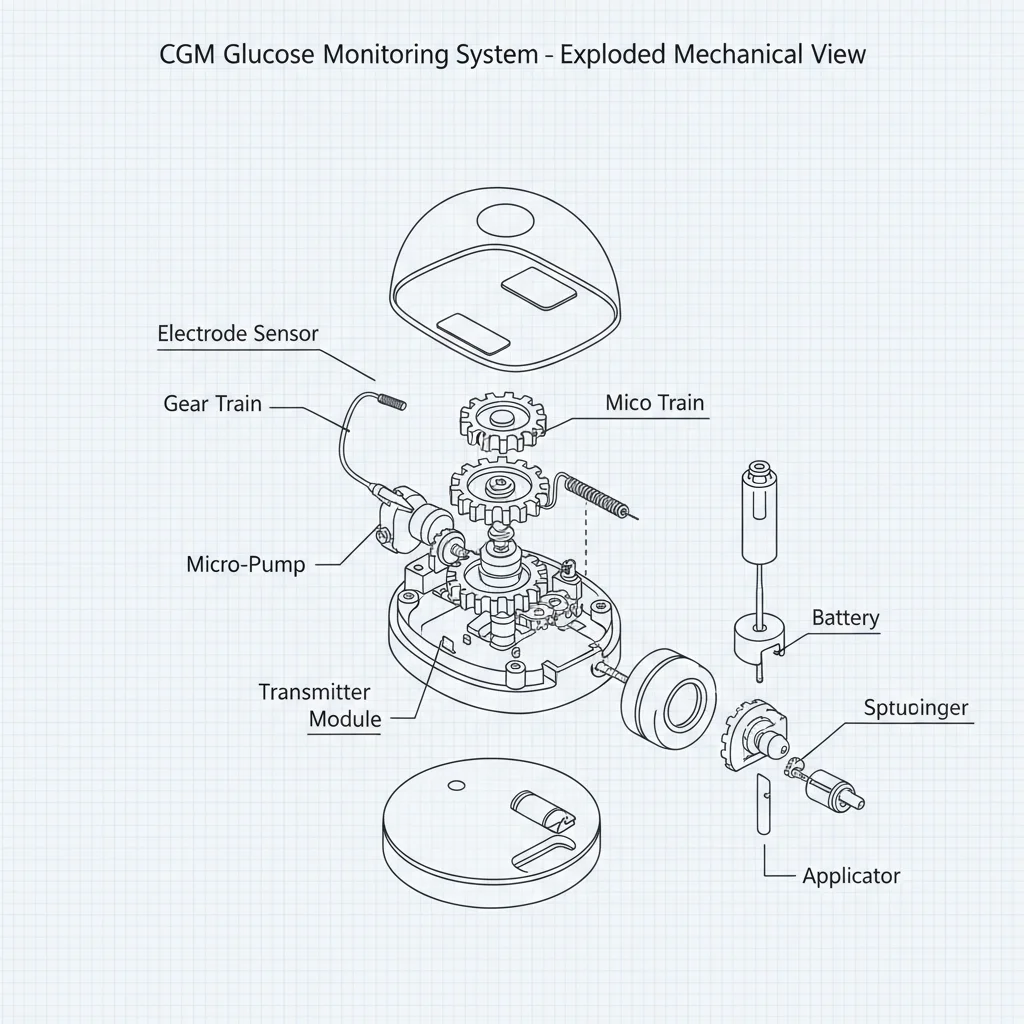
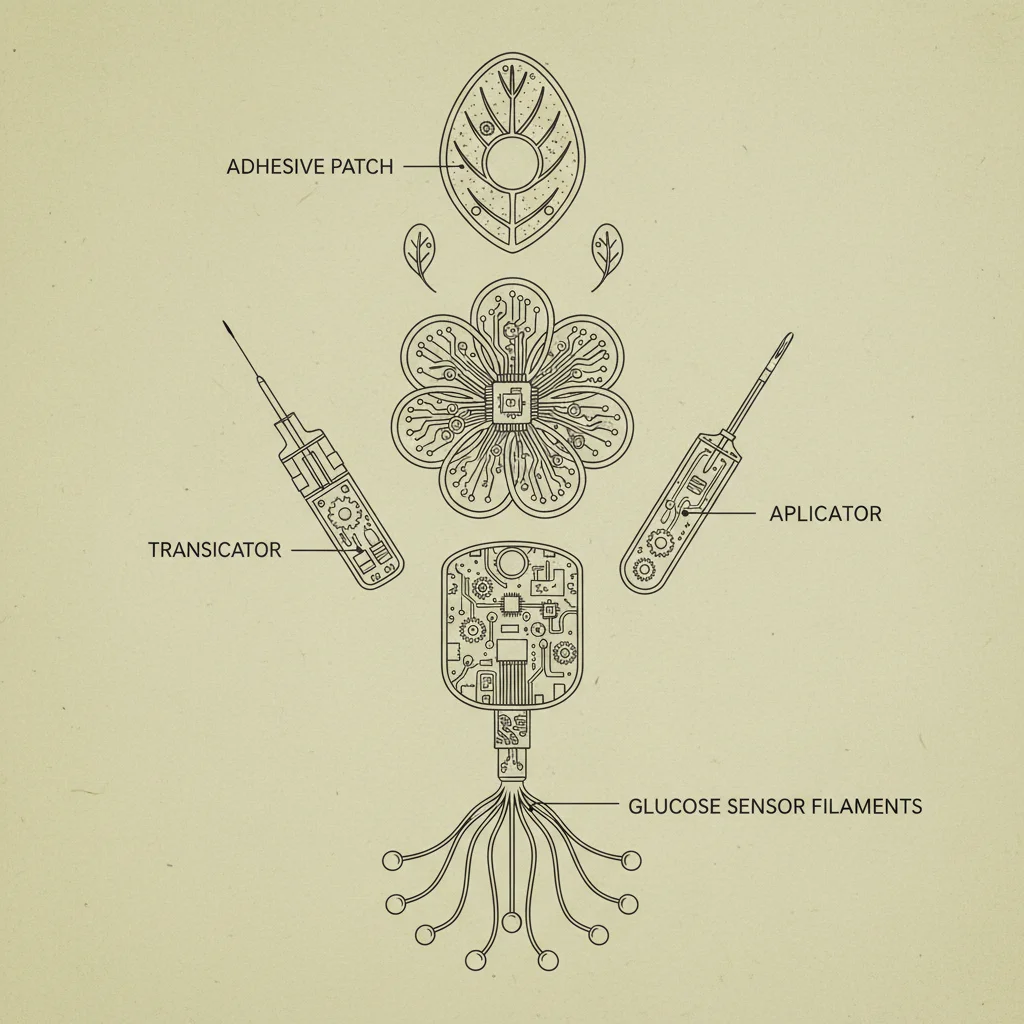
Professional-grade glucose monitoring kit Products utilize electrochemical sensing technology, typically based on the glucose oxidase reaction. A subcutaneous sensor electrode interacts with interstitial fluid, converting glucose concentrations into an electrical signal. The RGMS-3O system employs a precise two-electrode design, which reduces noise and enhances the stability of the signal over extended periods.
This architecture is complemented by a reusable transmitter that utilizes Bluetooth Low Energy (BLE) to transmit data to a receiver or smartphone. The integration of medical-grade biocompatible materials ensures that the sensor remains stable within the body, preventing inflammation that could otherwise skew measurement accuracy.
The Impact of Sensor Lifespan on Patient Compliance
One of the most significant barriers to long-term glucose management is "sensor fatigue," where users become overwhelmed by the frequency of sensor replacements. Traditional kits often require replacements every 7 to 10 days, increasing both the cost and the psychological burden on the patient.
By extending the sensor lifespan to 15 days, systems like the RGMS-3O significantly reduce the maintenance frequency. This extension is achieved through optimized enzyme stabilization and advanced membrane technology, allowing the sensor to maintain sensitivity without degradation, which directly correlates to higher patient adherence and more consistent data streams.
Clinical Accuracy and the MARD Standard
In the medical device industry, the Mean Absolute Relative Difference (MARD) is the gold standard for measuring the accuracy of CGM systems. A lower MARD percentage indicates that the device's readings are closer to a laboratory reference value. For clinical diagnosis, high precision is non-negotiable to avoid incorrect insulin dosing.
The RGMS-3O achieves a MARD value of 7.82%, utilizing exclusive optimization algorithms to filter out signal drift. This level of precision allows users to rely on the device for critical health decisions, moving closer to the goal of non-adjunctive glucose monitoring where finger-pricking is no longer required for confirmation.
Data Density and Glycemic Trend Analysis
The value of a monitoring kit is determined by its data resolution. Systems that only sample every hour may miss rapid glucose drops (hypoglycemia) or spikes. High-frequency sampling provides a comprehensive glycemic curve, which is essential for identifying patterns related to diet, exercise, and sleep.
As illustrated in the relative data density framework, providing 480 data points per day (one every 3 minutes) offers a vastly superior view of glucose variability compared to standard 288-point systems. This increased density allows for the deployment of advanced night warning systems that can alert users to nocturnal risks before they become critical.
Integration with Mobile Health Ecosystems
Modern glucose monitoring kit Products are no longer standalone devices; they are nodes in a digital health ecosystem. Real-time synchronization via iOS and Android applications transforms raw data into actionable insights through dynamic curves and trend analysis. This digitalization enables remote monitoring, where caregivers can receive alerts regarding a patient's status in real-time.
Furthermore, the inclusion of a data backup module ensures that no information is lost during Bluetooth disconnection. The system automatically restores records once the connection is re-established, maintaining a continuous medical record that can be exported for clinical review during physician visits.
Addressing Implementation Risks and Trauma
Patient comfort during sensor implantation is a critical factor in the adoption of CGM technology. Traditional implantation processes can be intimidating and painful, particularly for children or the elderly. Reducing implantation trauma is essential to minimize the body's inflammatory response, which can otherwise affect sensor accuracy.
The use of an ultra-thin electrode design and a foolproof, one-click needle aid reduces trauma by approximately 90% compared to older generation systems. This simplifies the process to under 60 seconds, allowing non-professionals to perform the implantation safely at home without requiring specialized medical training.
Comparative Framework for Monitoring Solutions
When evaluating different glucose monitoring kit Products, stakeholders must balance accuracy, longevity, and total cost of ownership. While disposable systems may have lower entry costs, reusable components like transmitters can significantly lower the long-term financial burden on the user.
| Metric | RGMS-3O Solution | Industry Standard | Impact on User |
|---|---|---|---|
| MARD (Accuracy) | 7.82% | ~10% | Higher Clinical Confidence |
| Sensor Duration | 15 Days | 7-10 Days | Reduced Replacement Stress |
| Data Points/Day | 480 | 288-360 | Superior Trend Detection |
| Transmitter Life | 3 Years | 1 Year/Disposable | Lower Long-term Cost |
| Waterproof Level | IPX7 | IPX4/IPX7 | Lifestyle Flexibility |
| Implantation | One-click Aid | Manual/Clinical | Reduced Trauma/Ease of Use |
This comparison demonstrates that focusing on the synergy between sensor longevity and data frequency creates a more sustainable and effective management environment for chronic disease patients.
Frequently Asked Questions
It utilizes a two-electrode sensing technology based on the glucose oxidase reaction combined with proprietary optimization algorithms that compensate for signal drift, maintaining a MARD of 7.82%.
No. The system includes an ergonomic, foolproof needle aid that enables users to complete the implantation in under 60 seconds with a simple one-click operation.
The transmitter features a built-in storage module that holds up to 15 days of glucose data. Once the Bluetooth connection is restored, the data automatically synchronizes to the app.
Yes, the device is rated IPX7 for deep waterproof performance, allowing it to withstand daily activities including showering and swimming without removal.
The system is designed for individuals aged 8 years and older who require continuous glucose monitoring for diabetes management or high-precision health tracking.
The sensor is a sterile, disposable component replaced every 15 days. The transmitter and the needle aid are reusable with a functional lifespan of 3 years.
Conclusion
The transition toward long-term, high-frequency continuous glucose monitoring represents a critical shift in chronic disease management. By prioritizing sensor longevity, reducing implantation trauma, and maximizing data density, modern kits allow for a more nuanced understanding of glycemic variability, ultimately improving patient quality of life and clinical outcomes.
For healthcare providers and distributors seeking professional-grade diagnostic solutions, detailed specifications and application support are available at www.xmylcgm.com to ensure the right match for patient needs.