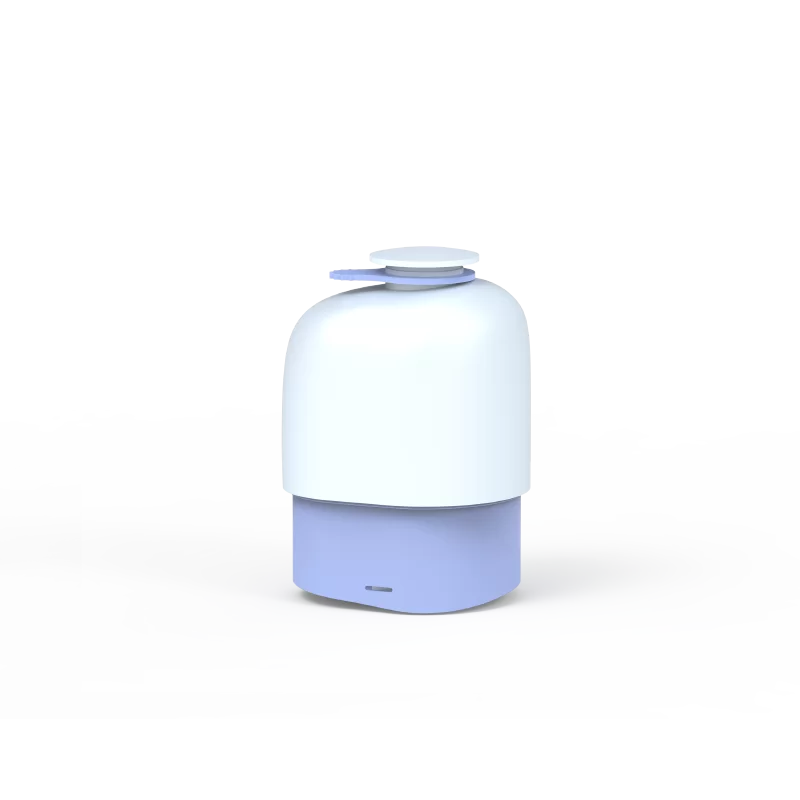
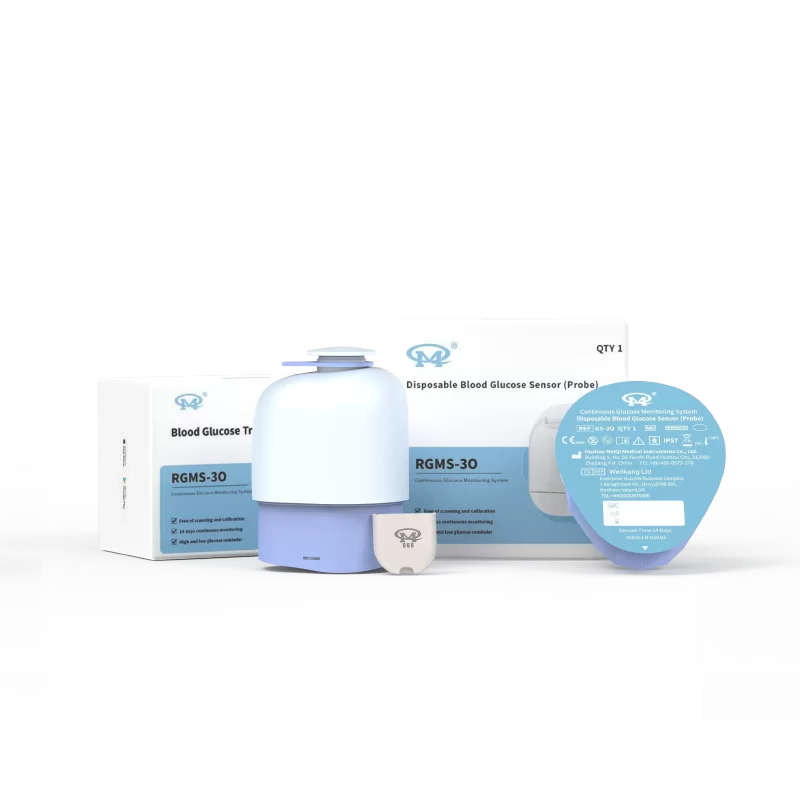
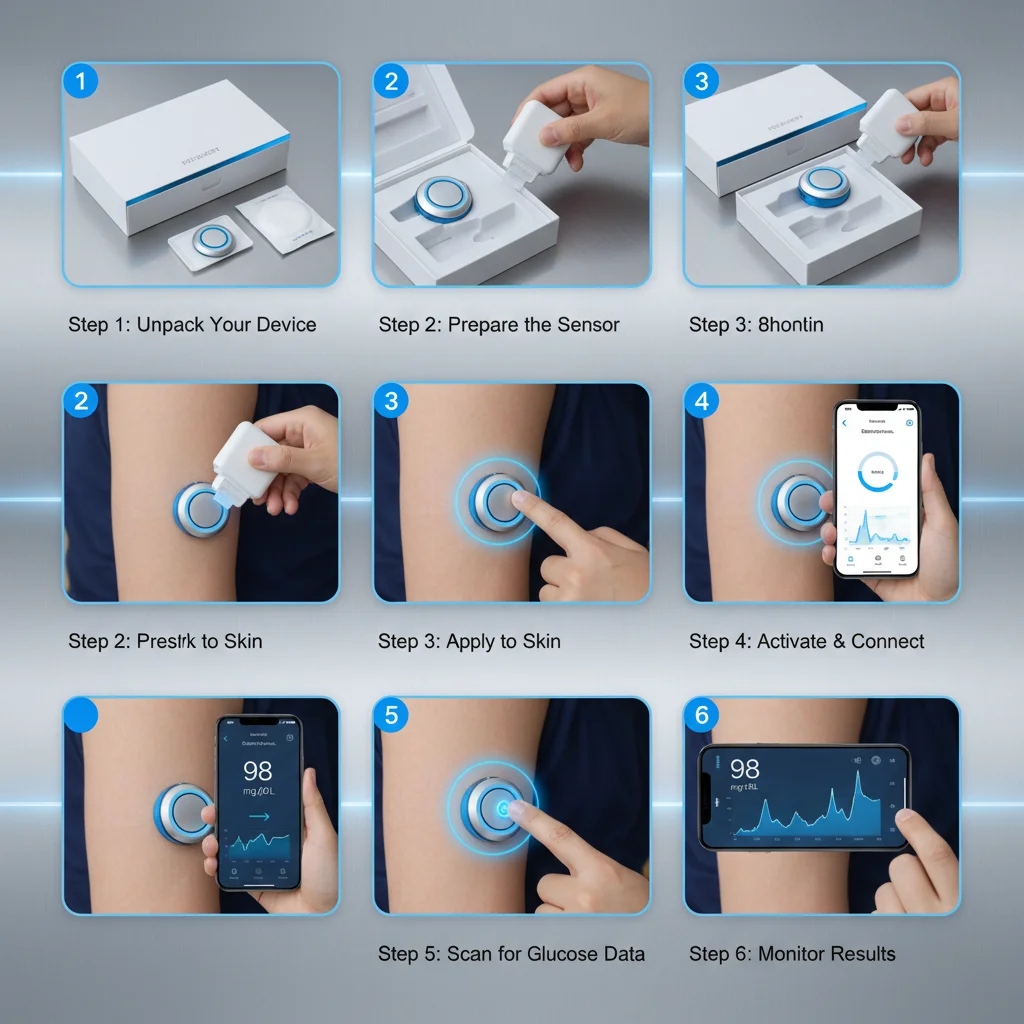
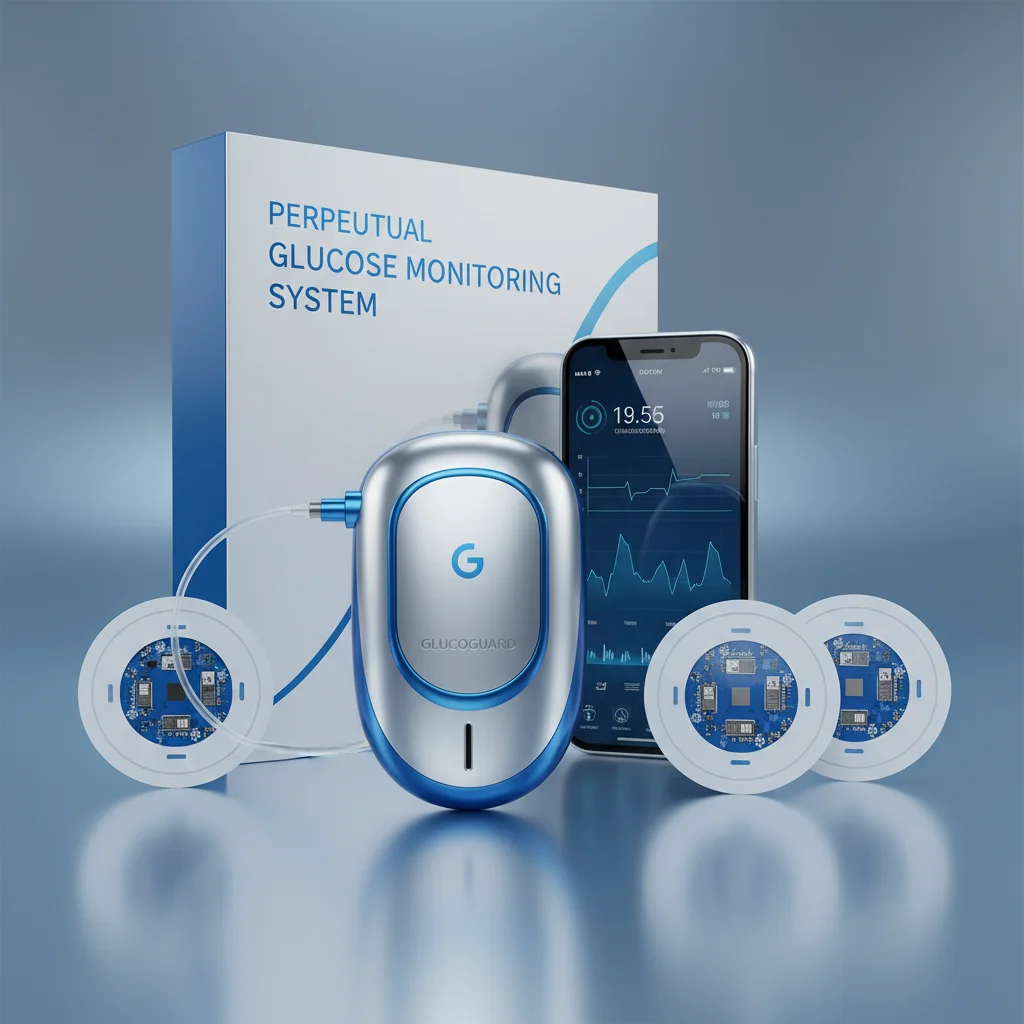
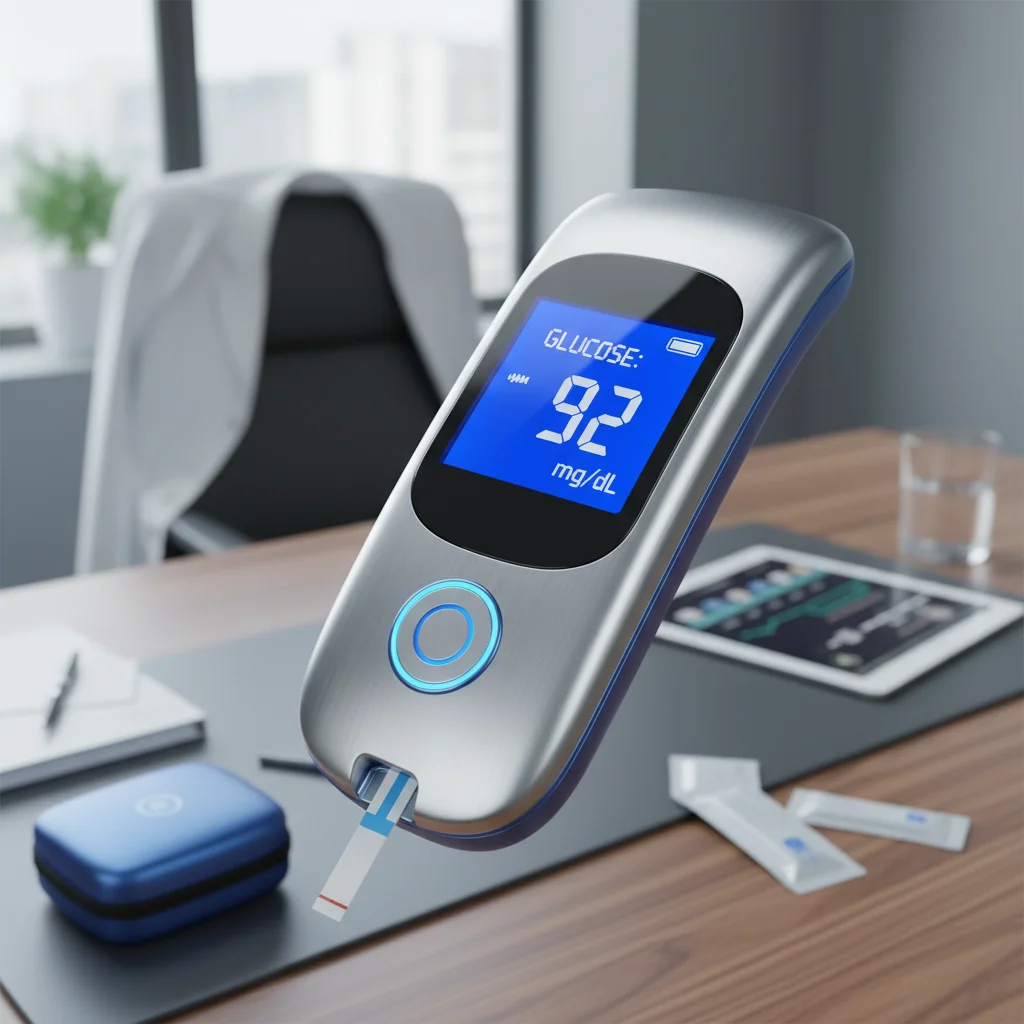
Managing blood sugar levels has evolved from painful finger-prick tests to a seamless, digital experience. Modern continue glucose monitoring system Products offer real-time data, allowing users to track glucose trends and make informed decisions about diet and medication instantly. By providing a continuous stream of data, these systems help prevent dangerous hypoglycemic and hyperglycemic events, significantly improving the quality of life for individuals with diabetes. In this guide, we will explore the technology, benefits, and specifications of the latest CGM solutions to help you choose the right system for your health needs.
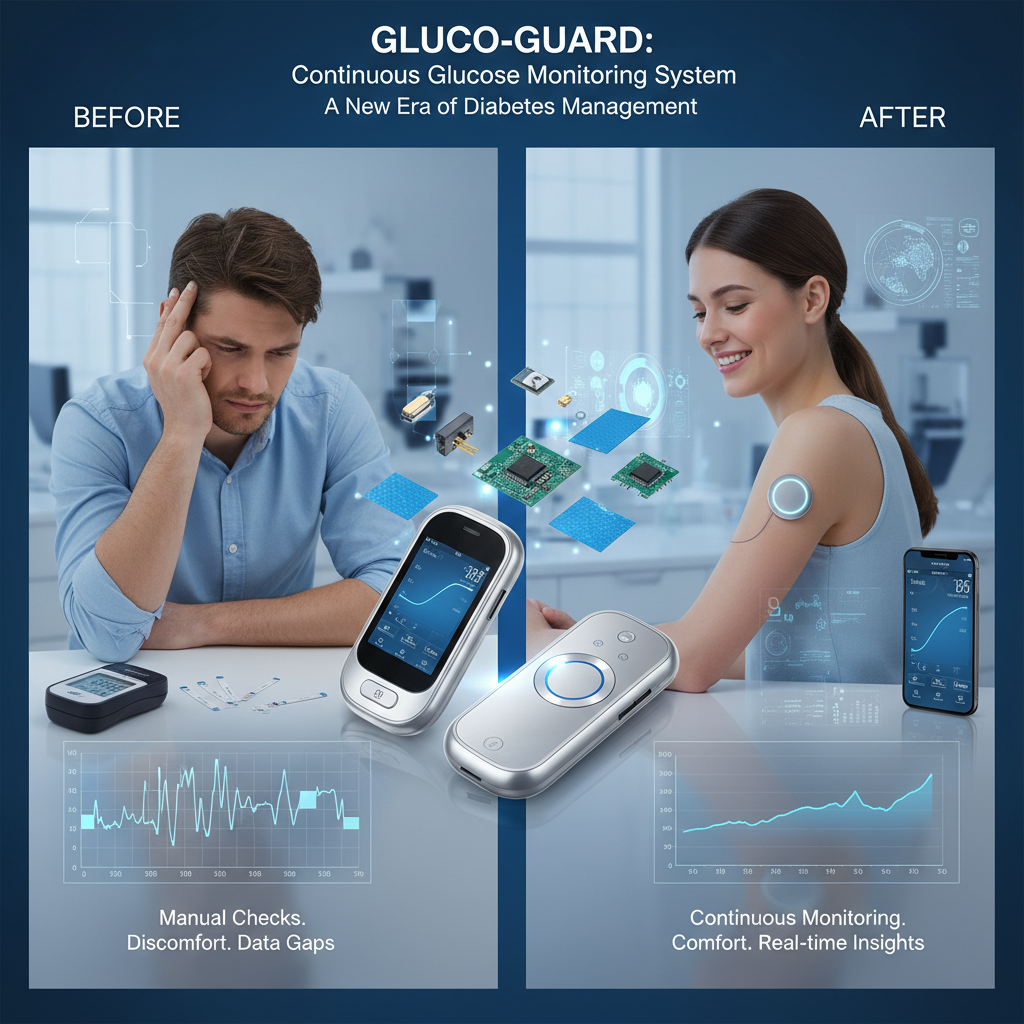
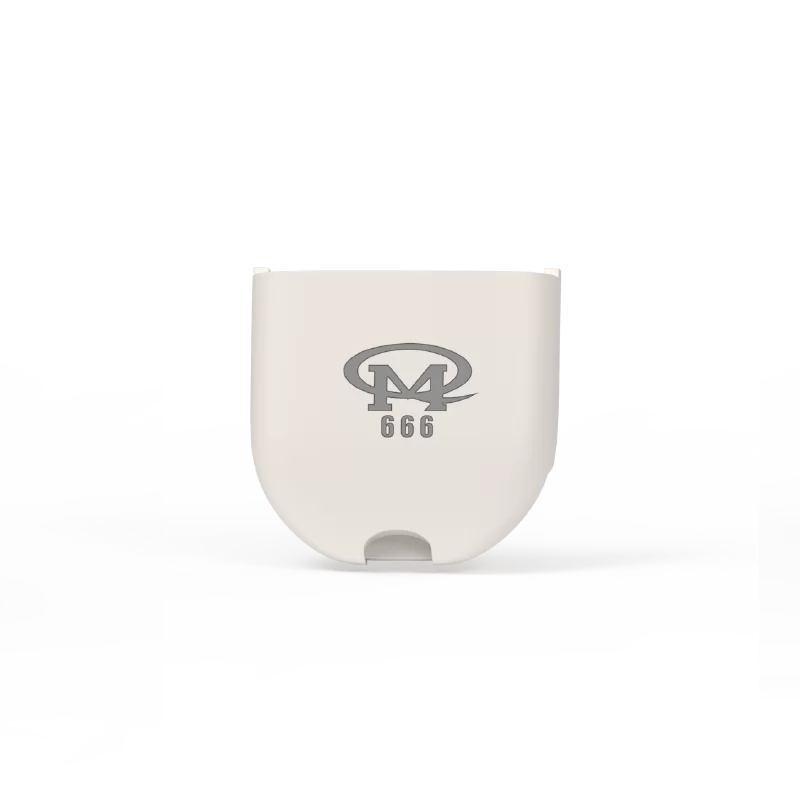
At the core of these devices is a tiny sensor inserted just under the skin, typically on the arm or abdomen. Unlike traditional meters that measure glucose in the blood, continue glucose monitoring system Products measure glucose levels in the interstitial fluid. A transmitter attached to the sensor sends data wirelessly to a smartphone or a dedicated receiver. This allows for constant monitoring, providing a comprehensive view of how glucose levels react to specific foods, exercise, and stress throughout the day and night.
Key Technology Highlight: The shift from episodic testing to continuous tracking enables "Time in Range" (TIR) analysis, which is now considered a critical metric for long-term diabetes management alongside HbA1c.
The transition to a CGM system provides an unparalleled level of safety and convenience. One of the most significant advantages is the alert system; users can set thresholds for high or low glucose levels, receiving notifications before a crisis occurs. Additionally, these systems eliminate the need for frequent finger-stick calibrations in many modern versions. By utilizing continue glucose monitoring system Products, patients can visualize the "direction" of their glucose—whether it is stable, rising rapidly, or falling—which is impossible with a single-point blood test.
Core Advantages:
• Real-time glucose tracking and trend analysis
• Reduction in painful finger-prick tests
• Predictive alerts for hypoglycemia and hyperglycemia
• Improved glycemic control and reduced long-term complications
Not all CGM systems are created equal. Some are designed for short-term professional use, while others are intended for long-term personal management. Real-time CGMs (rtCGM) stream data continuously, whereas Intermittently Scanned CGMs (isCGM or "Flash" monitors) require the user to scan the sensor to see the current reading. Depending on your lifestyle and medical needs, one may be more suitable than the other. The following table provides a detailed comparison of these common continue glucose monitoring system Products.
The most advanced application of continue glucose monitoring system Products is their integration with insulin pumps, creating what is known as a "Closed-Loop System" or an "Artificial Pancreas." In this setup, the CGM continuously feeds glucose data to the pump, which then automatically adjusts the insulin dose in real-time. This synergy drastically reduces the cognitive load on the patient and minimizes the risk of severe hypoglycemia during sleep or exercise.
When evaluating continue glucose monitoring system Products, it is essential to look at the technical specifications to ensure they fit your lifestyle. Key factors include the sensor lifespan (how many days a sensor lasts), the MARD (Mean Absolute Relative Difference) which indicates the accuracy of the device, and the water resistance rating for swimming or showering. Below are the typical specifications found in professional-grade CGM systems.
Selecting from the variety of continue glucose monitoring system Products depends on your specific medical requirements and daily habits. For those with high variability in blood sugar or those prone to nocturnal hypoglycemia, a real-time system with loud alarms is non-negotiable. For others who prefer a more discrete experience and don't require automatic alerts, a flash monitor may be sufficient. Always consult with a healthcare provider to determine which technology aligns best with your therapeutic goals.
The adoption of continue glucose monitoring system Products represents a paradigm shift in diabetes care. By moving from "snapshots" to a "movie" of glucose levels, patients can achieve tighter control, reduce anxiety, and prevent long-term complications. Whether you are looking for a standalone monitor or a fully integrated closed-loop system, the available technology today ensures that managing your health is more accurate and less intrusive than ever before. Invest in your health today by exploring professional CGM solutions.
While modern continue glucose monitoring system Products are highly accurate, they measure interstitial fluid rather than blood. Because glucose moves from the blood to the fluid, there is typically a 5-15 minute lag. In periods of rapid change (like after a meal or intense exercise), a finger-prick test remains the gold standard for immediate confirmation. Most doctors recommend confirming a CGM reading with a blood test if symptoms do not match the sensor's data.
Yes, most professional CGM sensors are designed to be water-resistant. They typically hold an IP rating (like IP27), meaning they can withstand immersion in water for short periods. However, it is always recommended to check the specific manufacturer's guide for the maximum depth and duration of exposure. Some users prefer to use a medical-grade adhesive patch over the sensor to ensure it remains securely attached during swimming or heavy sweating.
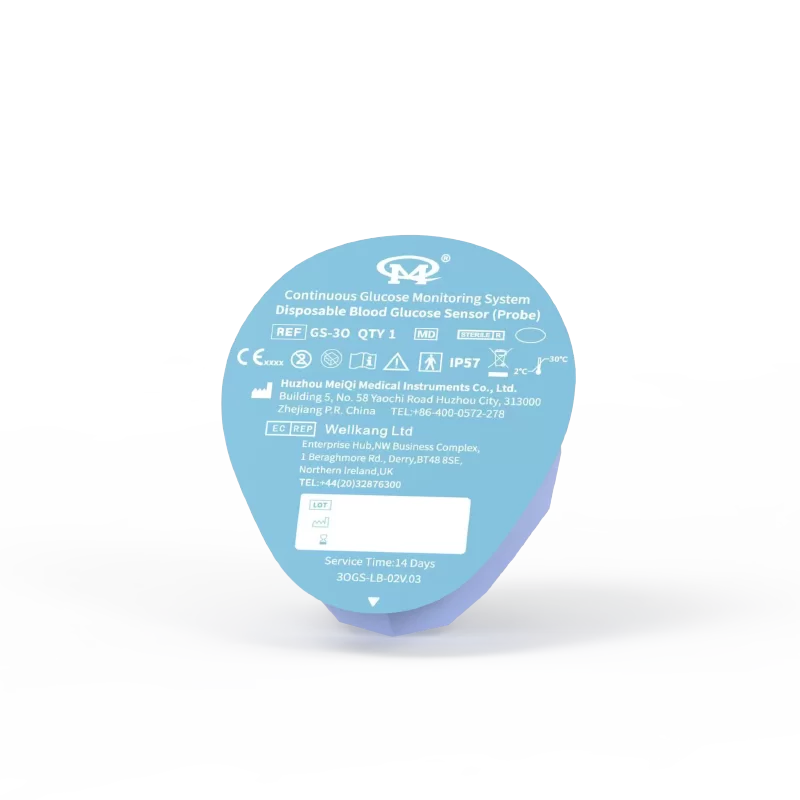
Replacement cycles vary by product. Most continue glucose monitoring system Products have sensors that last between 7 and 14 days. Once the sensor reaches its expiration date, the enzyme on the electrode degrades, and accuracy drops. At this point, the sensor must be removed and a new one inserted. Many users rotate the insertion site (e.g., moving from the left arm to the right arm) to prevent skin irritation and lipohypertrophy.
Absolutely. While originally designed for Type 1 diabetes, these systems are increasingly used for Type 2 diabetes management. They provide invaluable feedback on how specific carbohydrates affect blood sugar levels, helping patients optimize their diet and lifestyle. For those on insulin therapy for Type 2 diabetes, CGMs are essential for preventing hypoglycemia. Even for those on oral medications, the data provided by these systems can lead to better clinical outcomes and more precise medication adjustments.