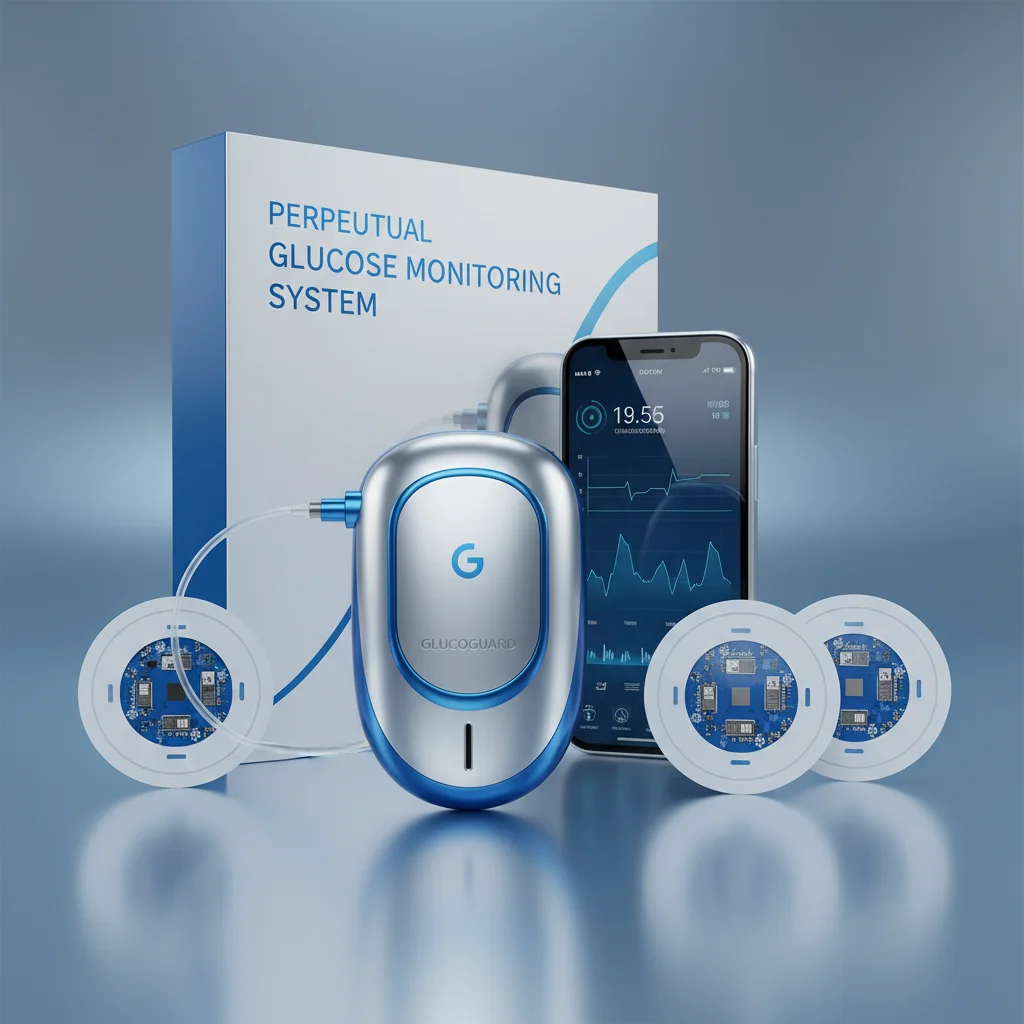
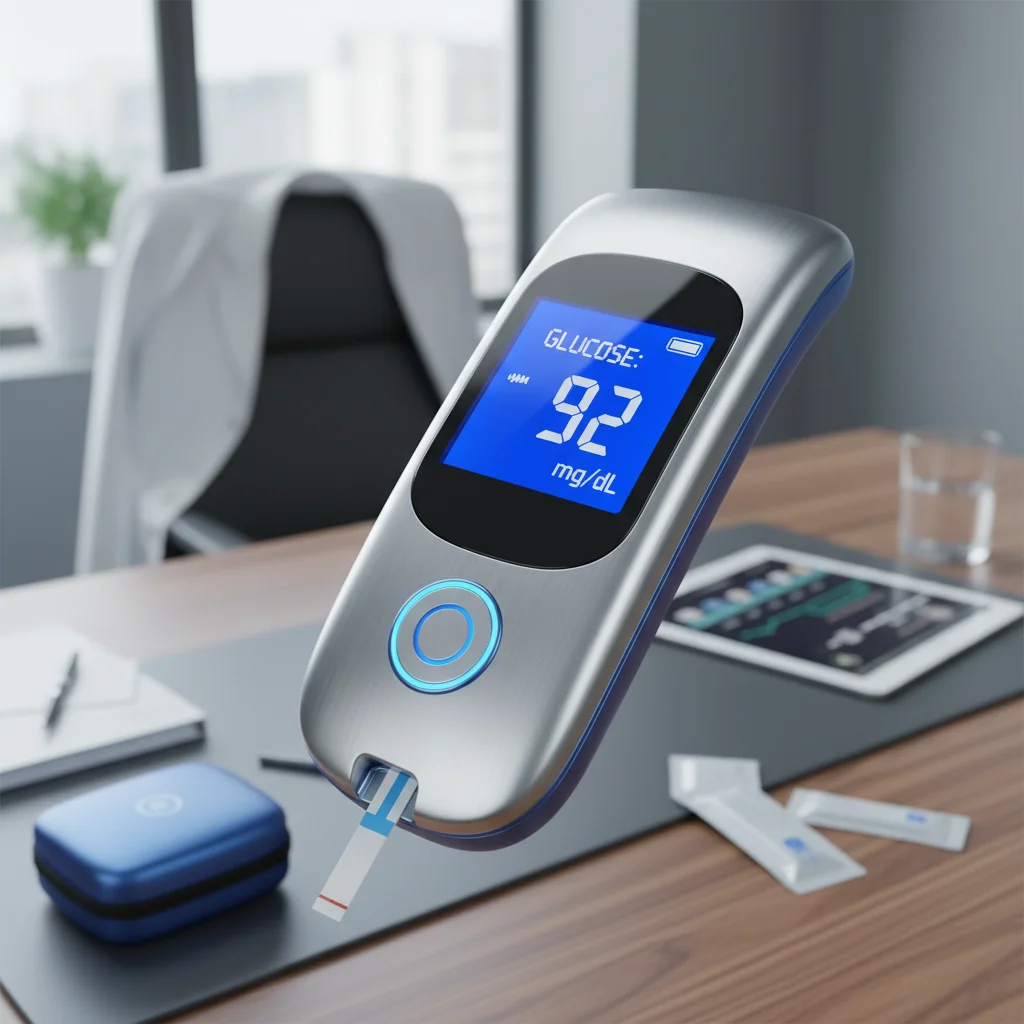
Navigating the world of diabetes management has been revolutionized by continuous glucose monitoring (CGM). These innovative devices offer real-time glucose readings, empowering individuals with diabetes and their healthcare providers to make informed decisions. This article will explore the latest new continuous glucose monitor products, highlighting their features, benefits, and how they're transforming diabetes care. Understanding these advancements is critical for both patients and healthcare professionals seeking optimal glucose control and improved quality of life. CGM technology moves beyond traditional finger-prick testing, offering a more comprehensive and convenient approach to glucose monitoring.
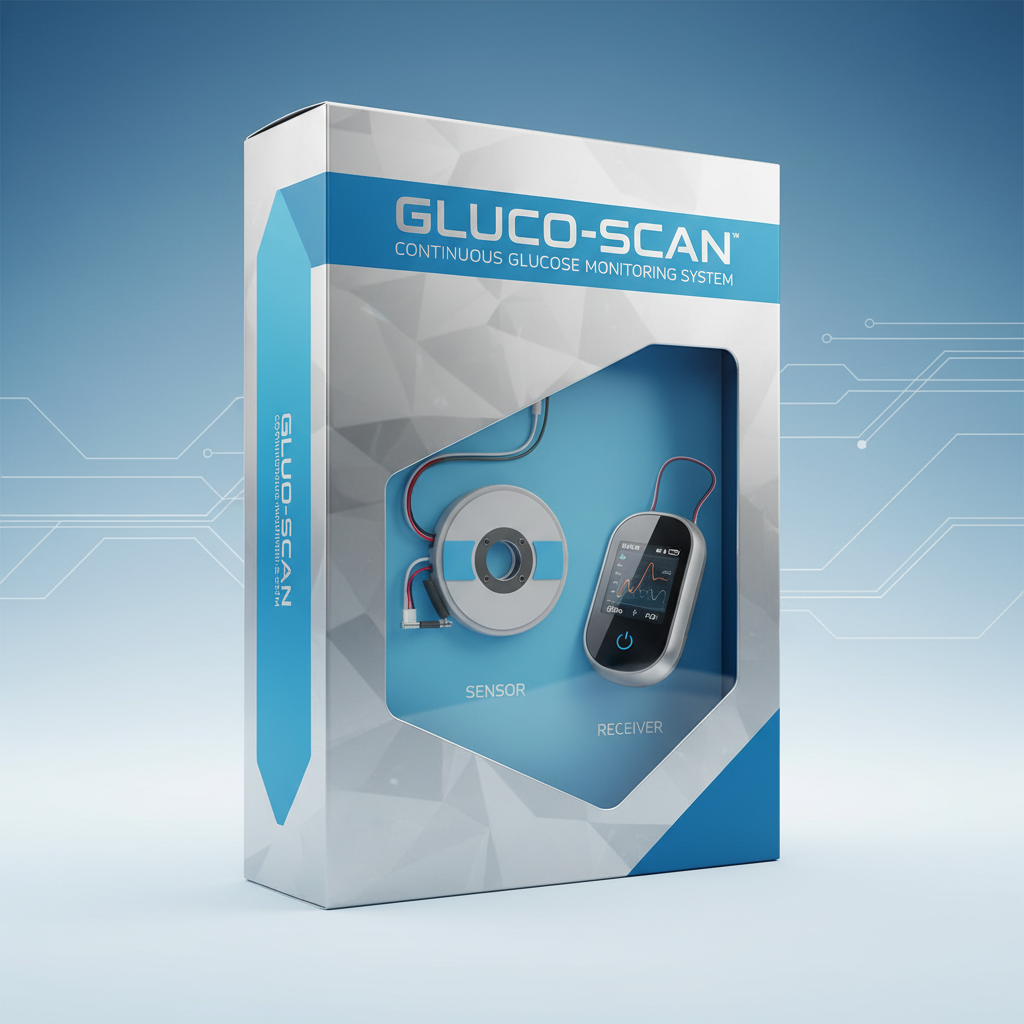
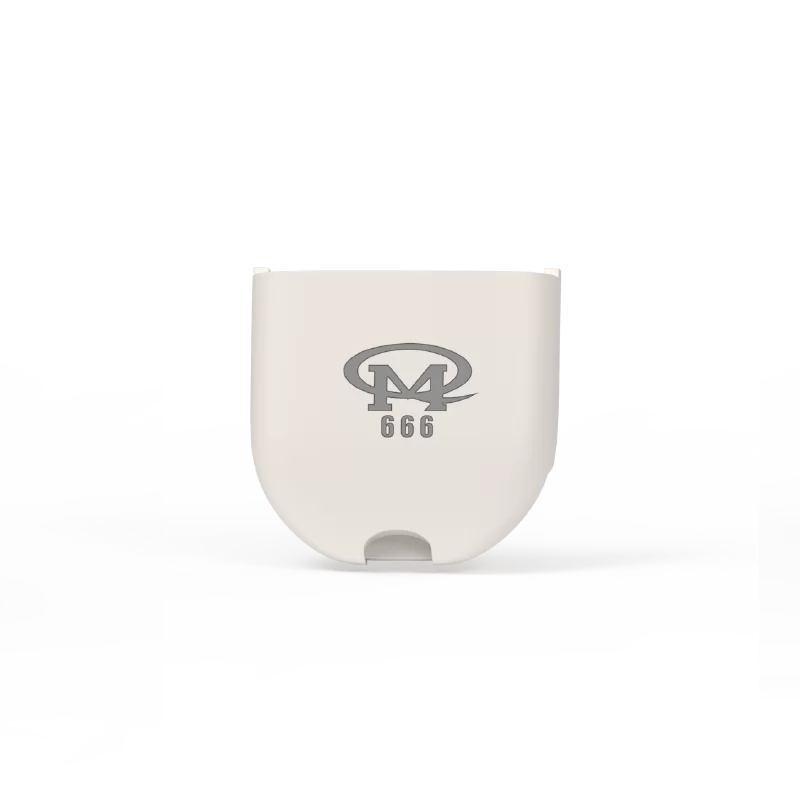
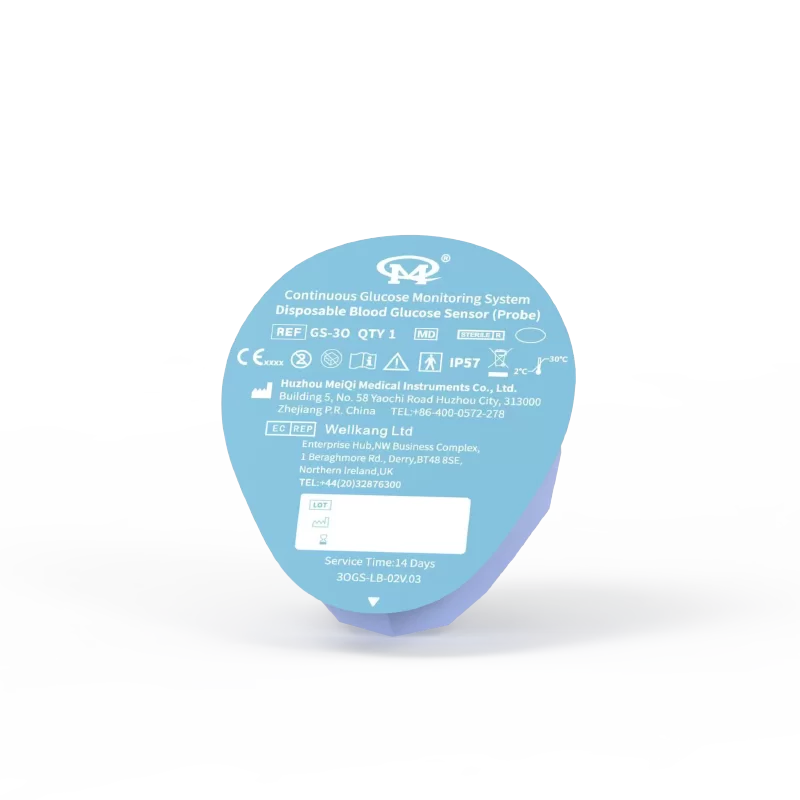
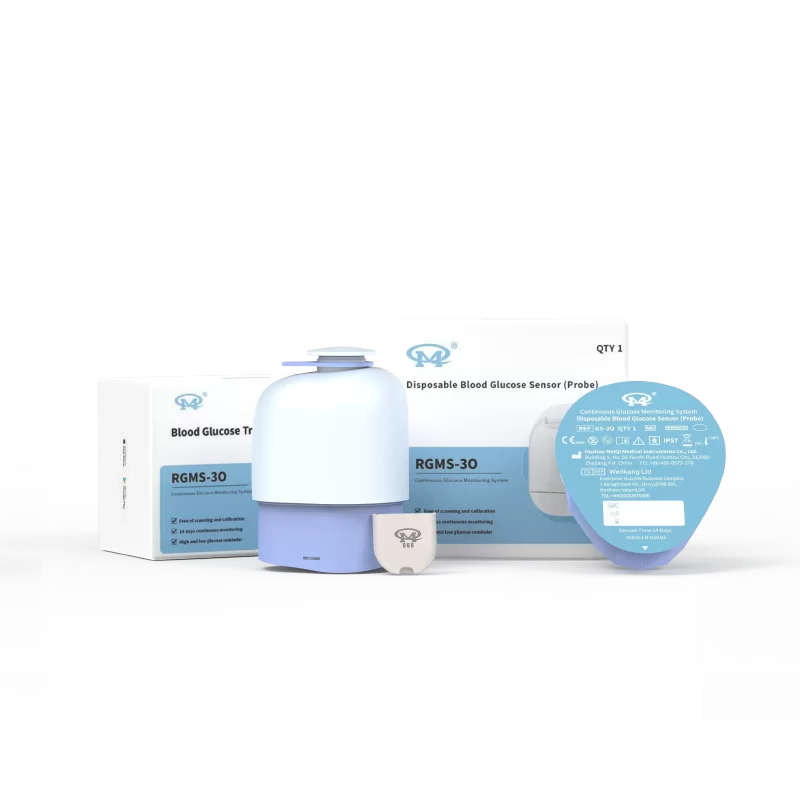
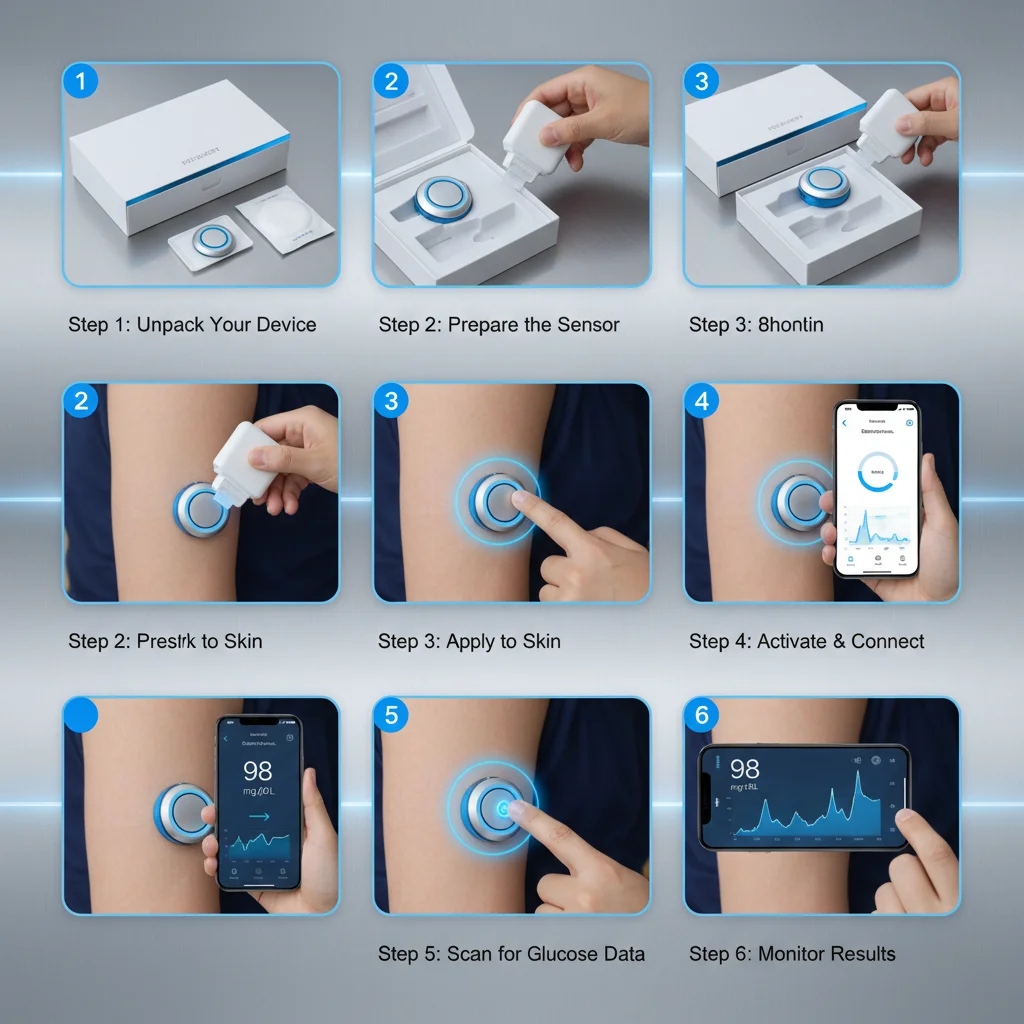
CGMs consist of a small sensor inserted under the skin, typically in the abdomen or upper arm. This sensor measures glucose levels in the interstitial fluid – the fluid surrounding cells. The sensor transmits data wirelessly to a receiver, which can be a dedicated device, a smartphone, or an insulin pump. Unlike traditional blood glucose meters that provide a single snapshot in time, CGMs offer continuous data streams, displaying glucose trends and patterns over several days. This allows for a more proactive approach to diabetes management, identifying potential highs and lows before they become critical. The ability to track glucose fluctuations in response to meals, exercise, and stress is a significant advantage of CGM technology.
Key Benefit: Proactive Glucose Management - Identify trends & patterns, enabling timely adjustments to diet, exercise, and medication.
Several companies are at the forefront of CGM technology, offering a range of products to meet diverse needs. XMYLCGM provides innovative CGM solutions focused on accuracy, affordability, and user-friendliness. Other key players include Dexcom, Abbott (FreeStyle Libre), and Medtronic. Each system has unique features regarding sensor lifespan, data transmission, calibration requirements, and integration with other devices. New models are continually being released with improved features like faster sensor start-up times, enhanced accuracy, and more discreet designs.
Key CGM Features to Consider:
• Sensor lifespan (typically 7-14 days)
• Accuracy and reliability
• Ease of use and application
• Data transmission and connectivity
• Calibration requirements
Choosing the right CGM can be overwhelming. Here’s a comparison of some leading systems to help you evaluate your options. Remember to consult with your healthcare provider to determine the best device for your individual needs and diabetes management plan. Consider factors such as cost, features, and compatibility with your existing devices.
The benefits of using new continuous glucose monitor products are numerous. They lead to improved glycemic control, reduced HbA1c levels, and a decreased risk of hypoglycemia. The continuous data stream provides valuable insights into the impact of lifestyle factors on glucose levels, empowering individuals to make informed choices. This proactive approach can significantly improve the quality of life for people living with diabetes, reducing anxiety and promoting a sense of control. Furthermore, data sharing with healthcare providers facilitates more effective treatment planning and personalized care.
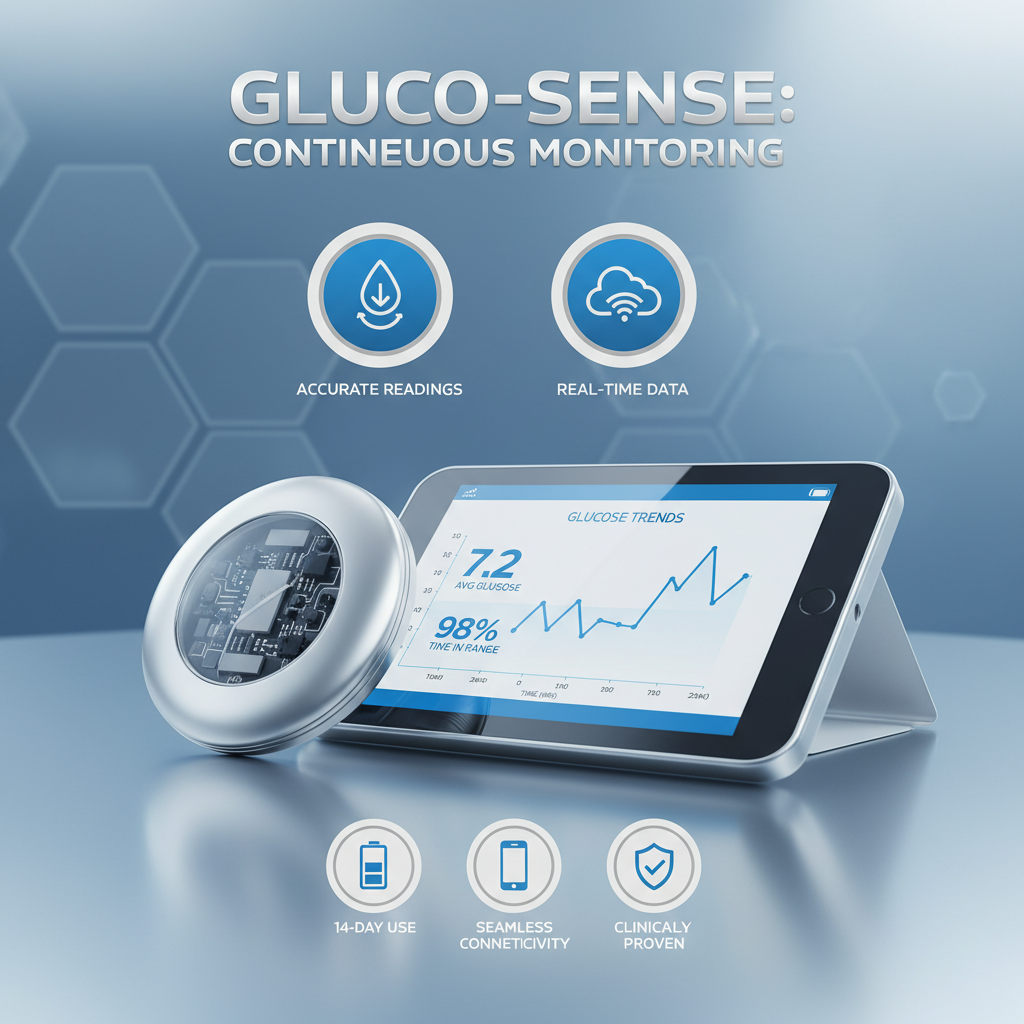
The future of CGM technology is incredibly promising. We can expect to see even more sophisticated sensors with extended lifespans and improved accuracy. Integration with artificial intelligence (AI) will enable personalized alerts and predictive algorithms, anticipating glucose fluctuations before they occur. The development of non-invasive CGM systems – eliminating the need for sensor insertion – is also on the horizon. As technology advances, continuous glucose monitoring will continue to play a pivotal role in transforming diabetes management and improving the lives of millions.
Investing in new continuous glucose monitor products offers a proactive and empowering approach to diabetes management. With improved accuracy, convenient features, and advanced data analytics, CGMs provide invaluable insights for both patients and healthcare providers. Embrace the future of diabetes care and unlock a world of possibilities for better health and well-being.
Traditional blood glucose meters (BGMs) provide a snapshot of your glucose level at a single point in time, requiring finger-prick testing. Continuous Glucose Monitors (CGMs), on the other hand, measure glucose levels continuously throughout the day and night. CGMs display glucose trends – showing whether your glucose is rising, falling, or stable – providing a much more comprehensive picture of your glucose control. This allows you to see how food, exercise, and other factors affect your glucose levels in real-time, and make adjustments accordingly. BGMs are still useful for calibrating CGMs and confirming readings when necessary.
Insurance coverage for CGMs varies widely depending on your insurance plan, location, and medical necessity. Many insurance providers now cover CGMs for individuals with diabetes who meet specific criteria, such as frequent insulin injections or difficulty managing their glucose levels. It's essential to check with your insurance provider to determine your coverage and any requirements for obtaining a CGM. XMYLCGM can also assist in navigating insurance coverage options.
Calibration requirements vary depending on the specific CGM system. Some CGMs, like the FreeStyle Libre 3, do not require any fingerstick calibrations. Others, like the Dexcom G7 and XMYLCGM, require minimal calibrations, typically once or twice a day. It’s crucial to follow the manufacturer’s instructions for calibration to ensure accurate readings. Proper calibration helps to maintain the reliability of your CGM and optimize your diabetes management.