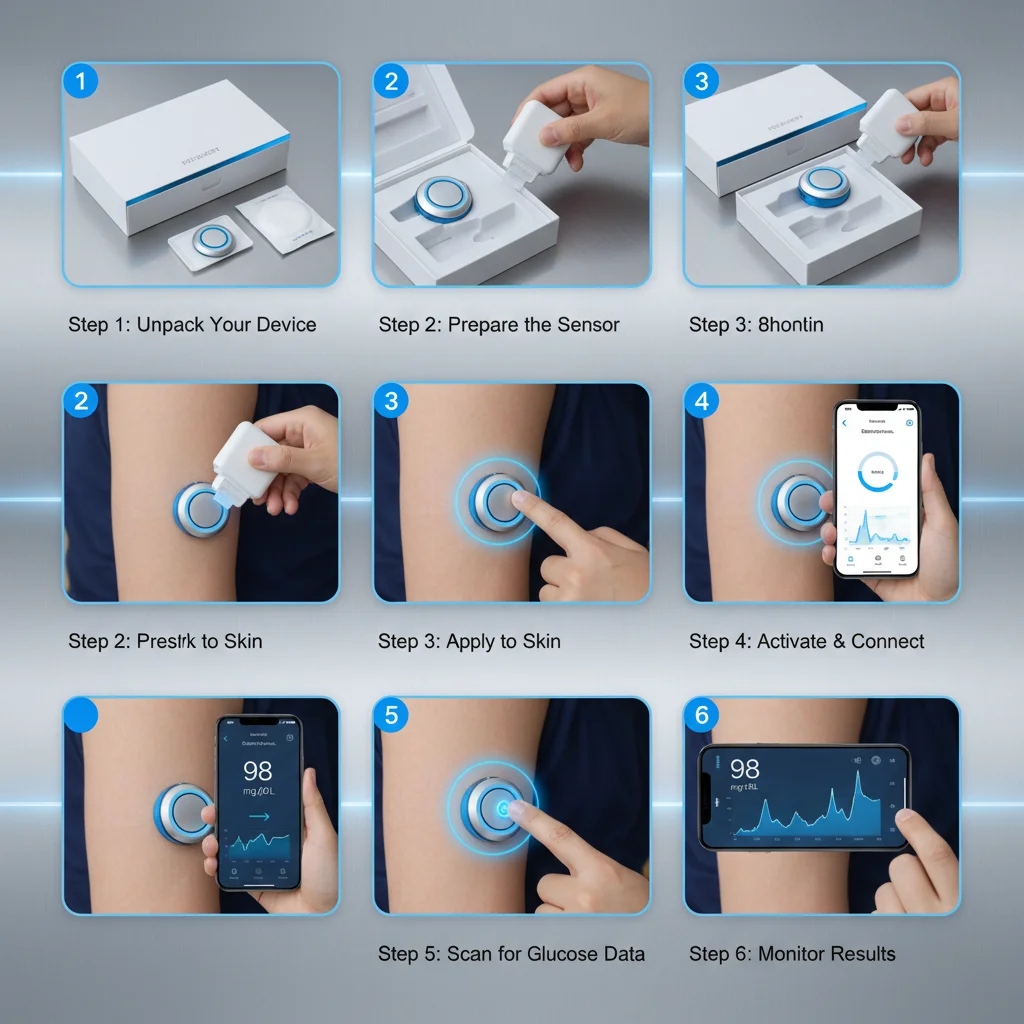
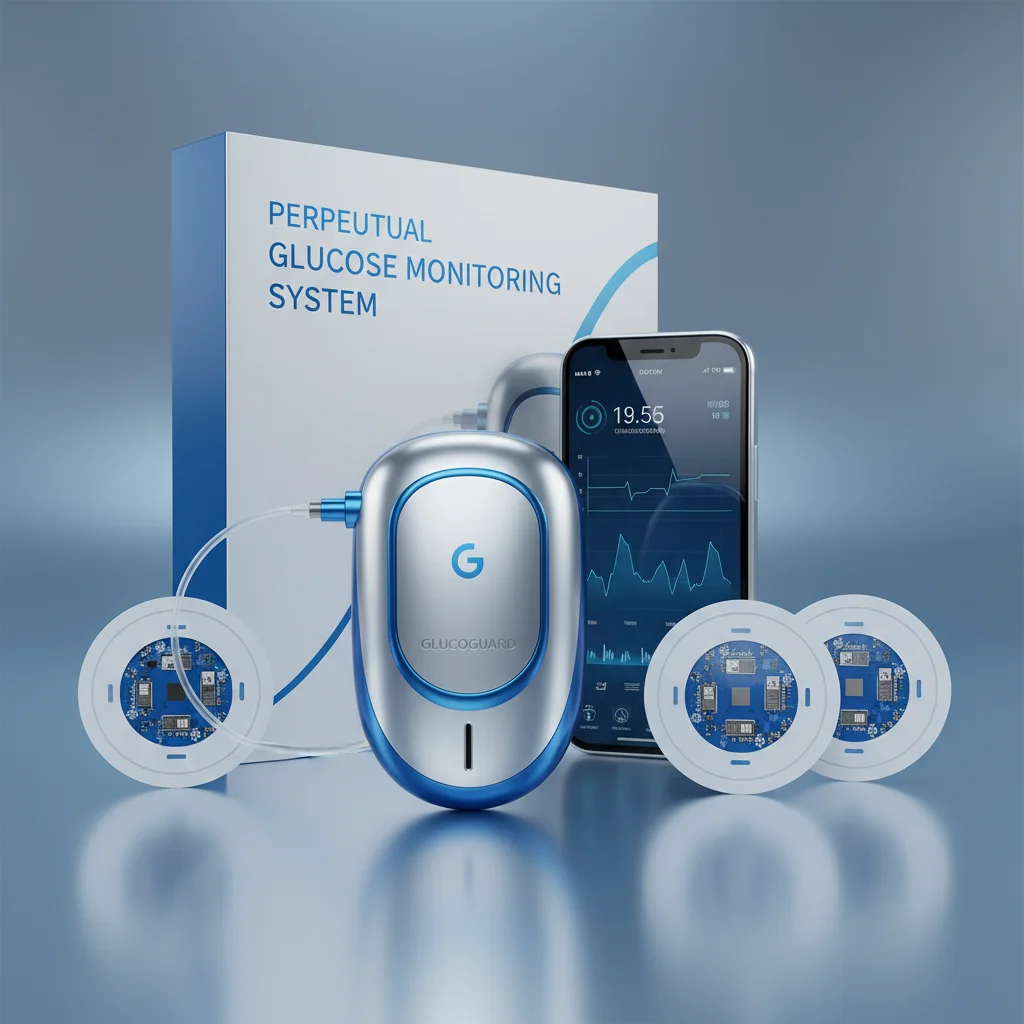
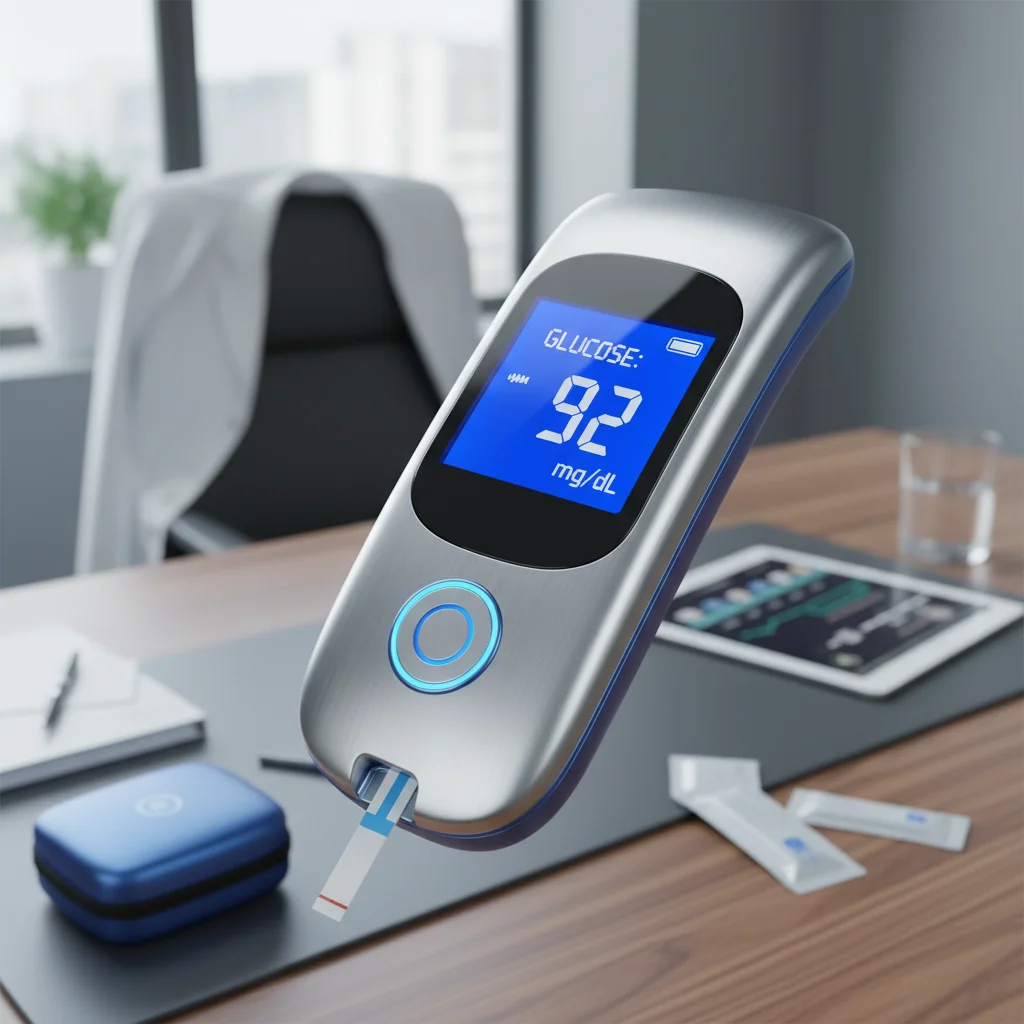
Managing diabetes effectively requires consistent glucose monitoring. Glucose sensor monitor products have revolutionized this process, offering convenience and accuracy. This article will explore the various types of glucose sensors, their benefits, and how to choose the right product for your needs. We'll delve into the features and advantages of continuous glucose monitoring (CGM) systems, as well as traditional blood glucose meters. Understanding these options is crucial for maintaining optimal health and making informed decisions about your diabetes management.
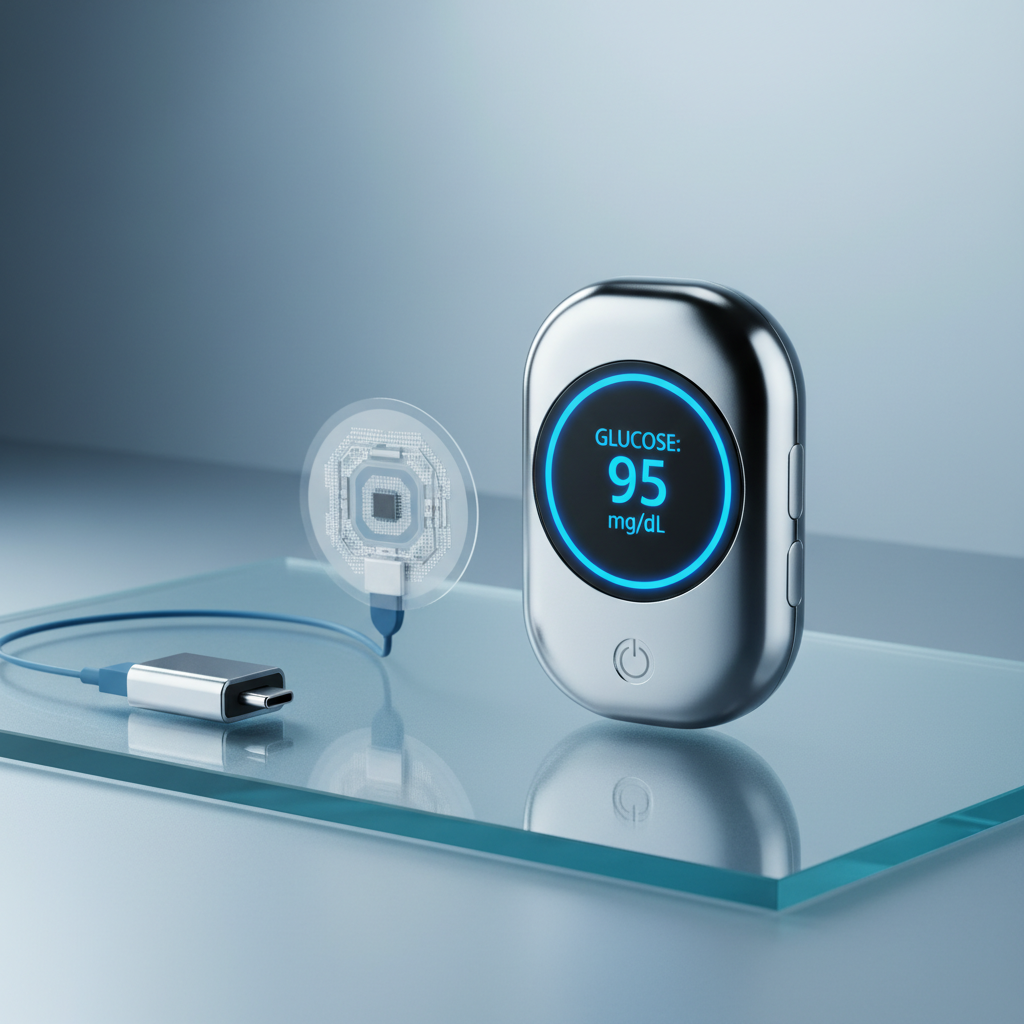
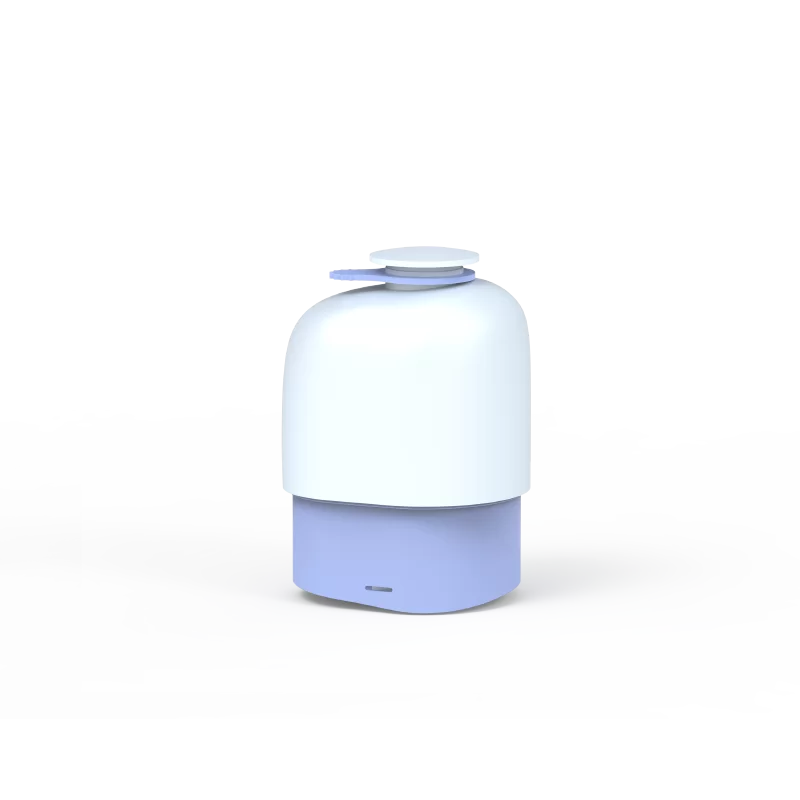
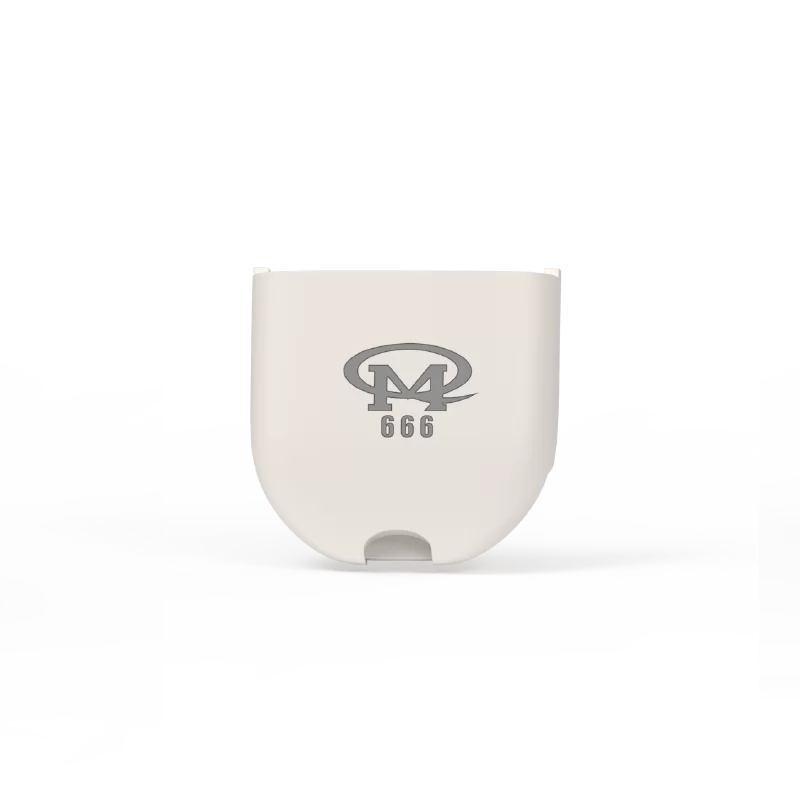
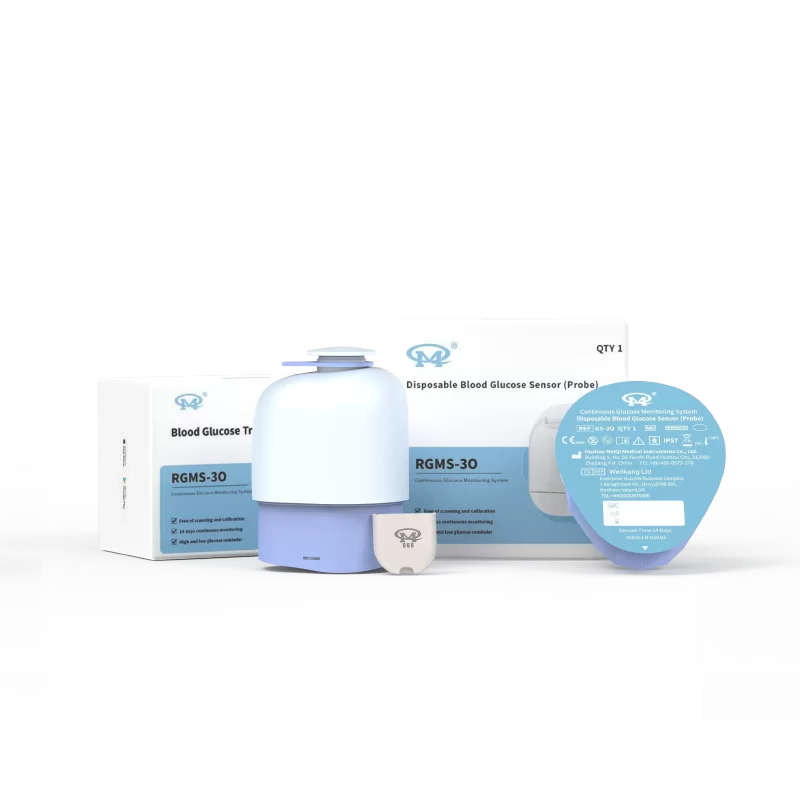
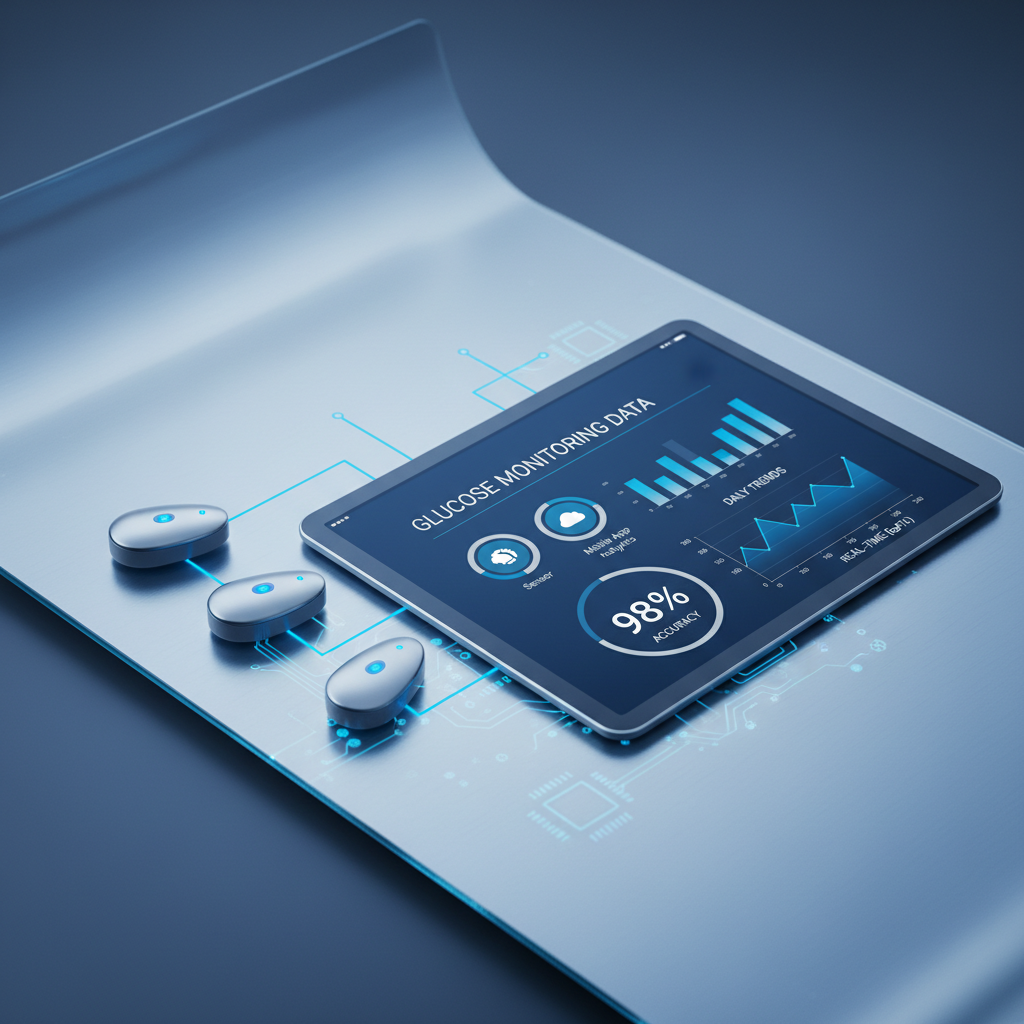
There are two primary types of glucose sensors: blood glucose meters (BGMs) and continuous glucose monitors (CGMs). BGMs require a finger prick to obtain a blood sample, providing a snapshot of your glucose level at a specific moment. CGMs, on the other hand, use a small sensor inserted under the skin to continuously track glucose levels throughout the day and night. CGM systems transmit data to a receiver or smartphone, providing real-time glucose readings and trend information. This constant monitoring allows for more proactive diabetes management and can help prevent both high and low glucose levels. Choosing the right type depends on your lifestyle, individual needs, and healthcare provider’s recommendations. Explore our CGM solutions to discover the benefits of continuous monitoring.
Key Highlights: CGMs offer continuous glucose tracking, while BGMs provide point-in-time measurements. CGMs provide trend data, helping to identify patterns and prevent fluctuations.
CGM technology offers significant advantages over traditional BGMs. By providing continuous data, CGMs can reveal glucose trends that might be missed with infrequent finger pricks. This allows for more precise insulin adjustments and improved glycemic control. CGMs also alert users to impending high or low glucose levels, giving them time to take corrective action. These alerts are especially valuable during sleep or exercise, when fluctuations can occur without noticeable symptoms. The data generated by CGMs can also be shared with healthcare providers, facilitating more informed treatment decisions. Learn more about CGM benefits from our experts.
CGM Benefits:
• Continuous glucose readings
• Trend information for better glycemic control
• Alerts for high and low glucose levels
• Data sharing with healthcare providers
Choosing between a BGM and a CGM involves considering your lifestyle, budget, and specific needs. BGMs are generally more affordable upfront, but require ongoing costs for test strips. CGMs have a higher initial investment but can reduce the need for frequent finger pricks and offer more comprehensive data. Here’s a comparison to help you decide:
Selecting the best glucose sensor monitor involves evaluating several factors. Consider your lifestyle, activity level, and personal preferences. Do you prefer frequent finger pricks or the convenience of continuous monitoring? Are you comfortable with technology and data analysis? Your budget also plays a role. Consult with your healthcare provider to discuss your individual needs and determine the most appropriate solution. At XMYLCGM, we offer a range of innovative CGM systems designed to empower you to take control of your diabetes.
At XMYLCGM, we are committed to providing cutting-edge glucose sensor monitor products that improve the lives of people with diabetes. Our CGM systems are designed for accuracy, comfort, and ease of use. We offer personalized support and education to help you maximize the benefits of our technology. Contact us today to learn more about our products and services.
The XMYLCGM glucose sensor monitor products empower you with the data and insights needed to effectively manage your diabetes. By choosing the right technology and partnering with a dedicated healthcare team, you can live a healthier, more fulfilling life. Don't let diabetes control you – take control with XMYLCGM.
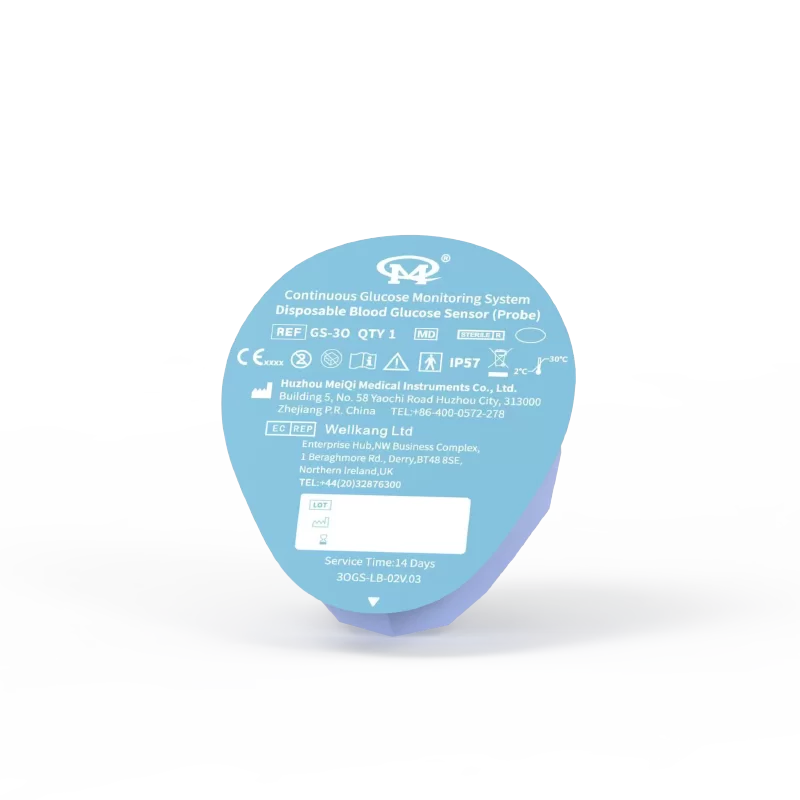
Most CGM sensors are designed to be worn for 7-14 days, depending on the specific product. The sensor's performance gradually declines over time, leading to decreased accuracy. It’s important to follow the manufacturer's instructions for sensor replacement. XMYLCGM sensors are designed for optimal performance throughout their lifespan, providing consistent and reliable data. Regular calibration may also be required, depending on the system.
CGM data is generally very accurate and can be used to make informed insulin dosage decisions. However, it's crucial to understand that CGM readings may sometimes differ slightly from blood glucose meter readings. It’s recommended to confirm CGM readings with a finger-prick blood glucose test, especially before making significant insulin adjustments. Always work closely with your healthcare provider to develop a personalized insulin management plan based on your CGM data and individual needs.
Yes, CGMs can be beneficial even if you don't use insulin. Monitoring glucose trends can help individuals with type 2 diabetes or prediabetes understand how their diet, exercise, and lifestyle choices affect their blood sugar levels. This information can empower them to make healthier choices and prevent the progression of the disease. Discuss with your doctor whether a CGM is appropriate for your specific situation.
Proper storage is essential to maintain the accuracy and functionality of your CGM sensors. Store sensors in a cool, dry place, away from direct sunlight and extreme temperatures. Follow the specific storage instructions provided by the manufacturer. Do not expose the sensors to moisture or humidity. Ensure the packaging is sealed properly to protect the sensor from environmental factors.