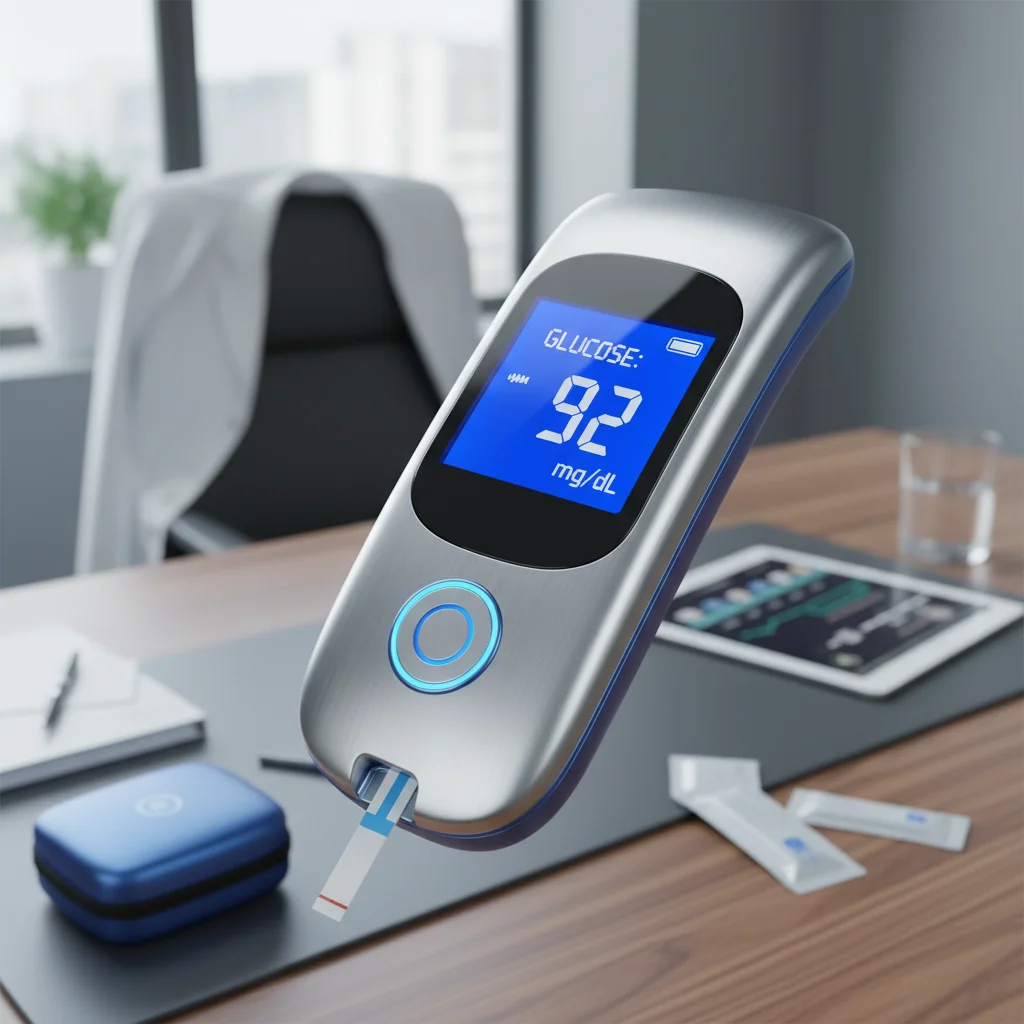
Managing diabetes effectively requires consistent monitoring of glucose levels. Electronic glucose monitors have revolutionized this process, offering convenience and accuracy compared to traditional methods. This article will delve into the world of electronic glucose monitors, exploring the different types, their benefits, features, and why choosing the right one is crucial for optimal health. We’ll focus on providing an informed overview to help you make the best decision for your needs.

Electronic glucose monitors, also known as blood glucose meters (BGMs), are devices used to measure the concentration of glucose in the blood. They are essential tools for people with diabetes, enabling them to track their blood sugar levels throughout the day and adjust their medication or lifestyle accordingly. Modern monitors come in various forms, from traditional fingertip testing to Continuous Glucose Monitoring (CGM) systems. These advancements provide a more comprehensive and convenient approach to diabetes management. The data gathered from these devices empowers individuals and healthcare professionals to make informed decisions about treatment plans.
Key Benefit: Empowers individuals with diabetes to proactively manage their health through regular monitoring and informed decision-making.
There are several types of electronic glucose monitors available. Traditional BGMs require a small blood sample obtained from a fingertip prick. CGM systems, on the other hand, use a small sensor inserted under the skin to continuously measure glucose levels throughout the day. Flash glucose monitoring is a hybrid approach, using a sensor that’s scanned with a reader to obtain readings. Each type offers different advantages and is suited to varying needs and lifestyles. Choosing the right monitor depends on factors like frequency of testing, lifestyle, and personal preferences. Explore the options available at XMYLCGM to find the best fit.
Monitor Type Comparison:
• Traditional BGMs: Require fingertip pricks, less expensive.
• CGM Systems: Continuous monitoring, no finger pricks (typically).
• Flash Glucose Monitoring: Sensor scanned with a reader, less frequent finger pricks.
Selecting the right electronic glucose monitor involves considering several factors. Accuracy is paramount, ensuring reliable readings for informed decision-making. Ease of use is also important, particularly for individuals who may have dexterity issues or visual impairments. Consider the size of the monitor and the readability of the display. Cost is another factor, including the initial purchase price and the ongoing cost of test strips or sensors. Finally, data management capabilities – such as Bluetooth connectivity to smartphone apps – can be highly beneficial for tracking trends and sharing information with healthcare providers. XMYLCGM offers a range of monitors designed to meet diverse needs.
CGM systems offer several advantages over traditional monitoring methods. They provide real-time glucose readings, allowing for immediate adjustments to medication or lifestyle. CGM systems can also alert users to high or low glucose levels, helping to prevent dangerous complications. Trend arrows indicate the direction and rate of glucose change, providing valuable insights into how food, exercise, and medication affect blood sugar levels. This proactive approach to diabetes management empowers individuals to take control of their health. XMYLCGM offers advanced CGM solutions.
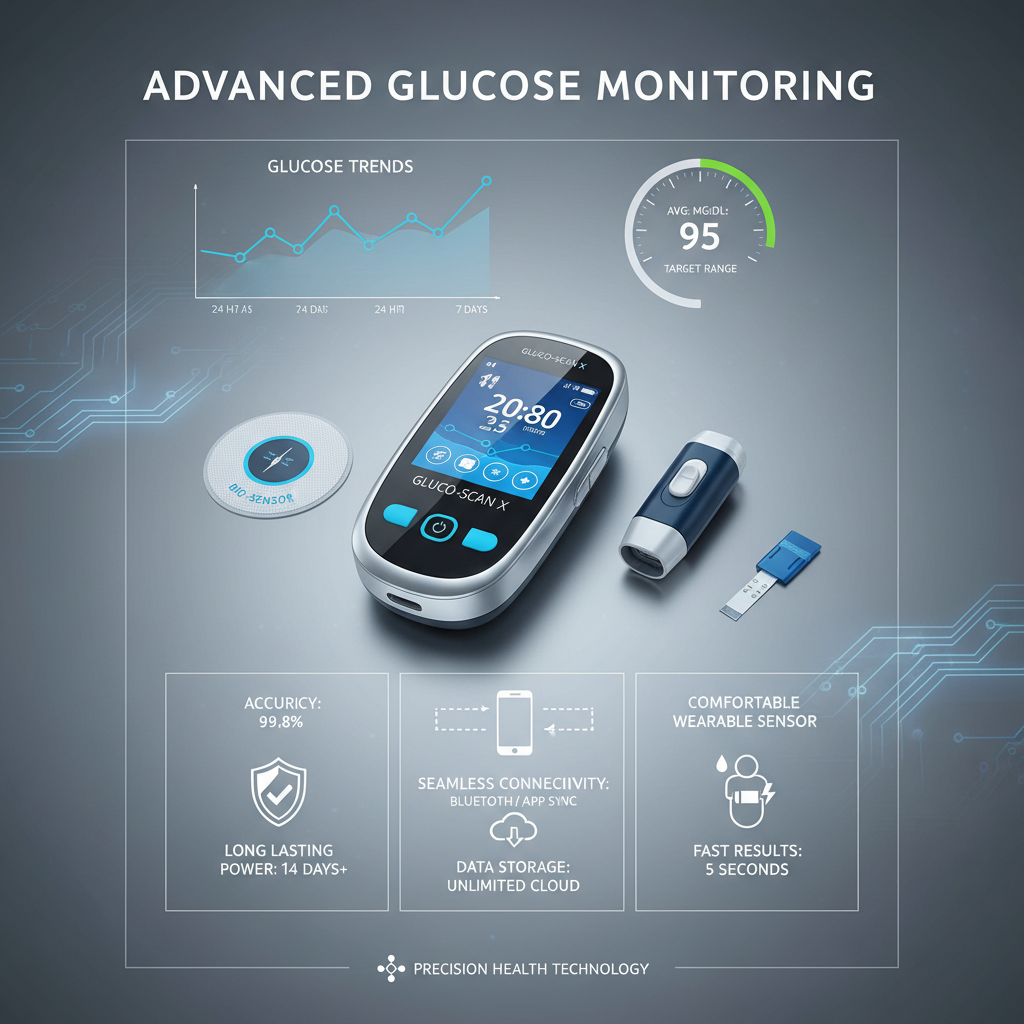
When selecting a CGM system, consider the sensor accuracy, ease of use, data reporting features, and compatibility with your insulin pump (if applicable). The sensor’s wear time and insertion process are also important considerations. Some systems require calibration with fingerstick blood glucose readings, while others are factory-calibrated. Assess your lifestyle and needs to determine which features are most important to you. Factors such as smartphone compatibility, cloud data storage, and integration with telehealth platforms can enhance the overall user experience.
Choosing the right electronic glucose monitor is a vital step in effectively managing diabetes. By understanding the different types, features, and benefits, you can make an informed decision that aligns with your individual needs and lifestyle. Investing in a quality monitor and actively using the data it provides empowers you to take control of your health and live a fuller, more active life.
Calibration frequency varies depending on the specific CGM system. Some systems require calibration once or twice daily, while others are factory-calibrated and do not require user calibration. Always refer to the manufacturer’s instructions for your specific device. Accurate calibration is crucial for ensuring reliable glucose readings. Regular calibration helps to minimize discrepancies between the CGM reading and your actual blood glucose level.
While CGM systems significantly reduce the need for fingerstick tests, they may still be necessary in certain situations. Some systems require fingerstick calibrations, as mentioned above. Additionally, it’s important to confirm CGM readings with a fingerstick test if you are experiencing symptoms that don’t match the CGM reading, such as hypoglycemia symptoms when the CGM indicates normal glucose levels. Always follow your healthcare provider’s recommendations regarding the use of fingerstick tests.
The lifespan of a CGM sensor varies depending on the brand and model. Most CGM sensors are designed to last between 7 and 14 days. After this period, the sensor needs to be replaced. It’s important to replace the sensor according to the manufacturer's instructions to ensure accurate readings. Factors such as individual metabolism and sensor insertion technique can also affect sensor lifespan.
You can find detailed information about XMYLCGM’s electronic glucose monitor products, including specifications, features, and pricing, on our official website: https://www.xmylcgm.com. You can also contact our customer support team for personalized assistance.