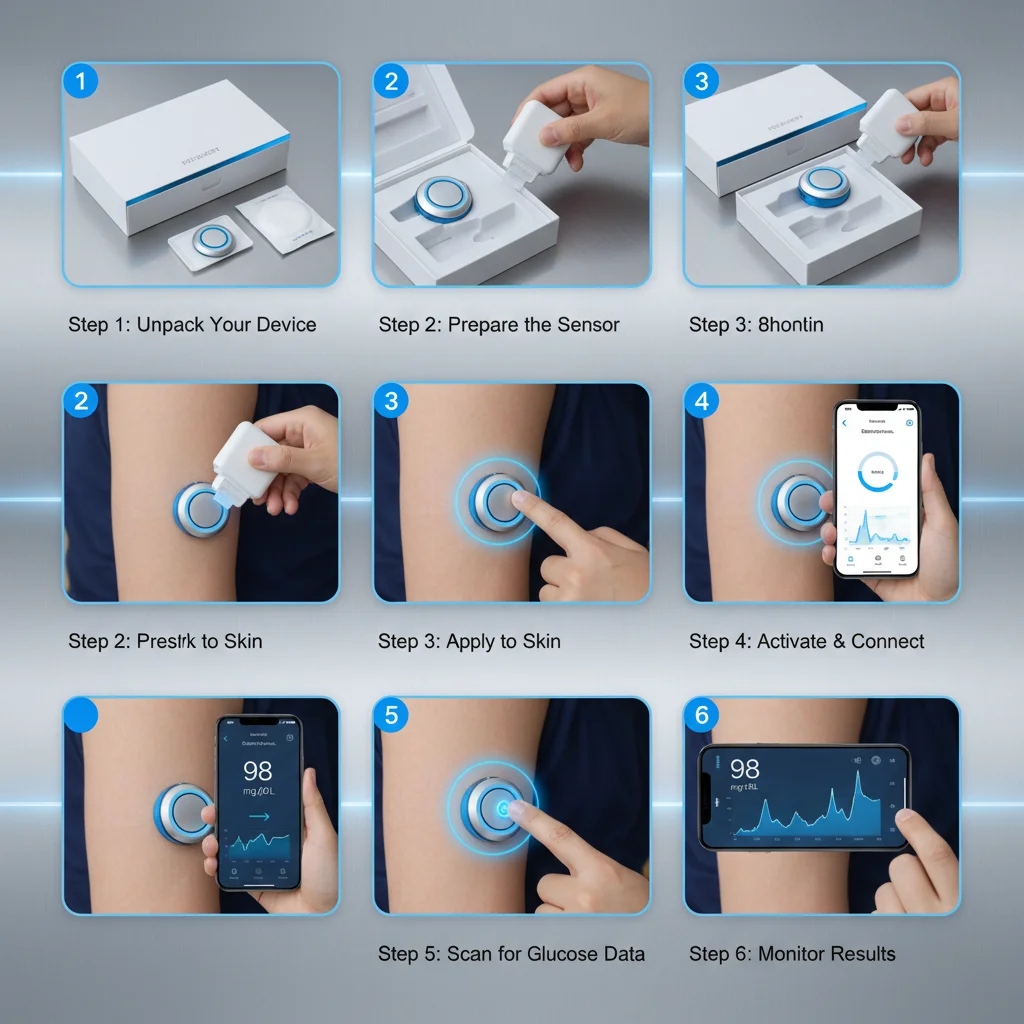
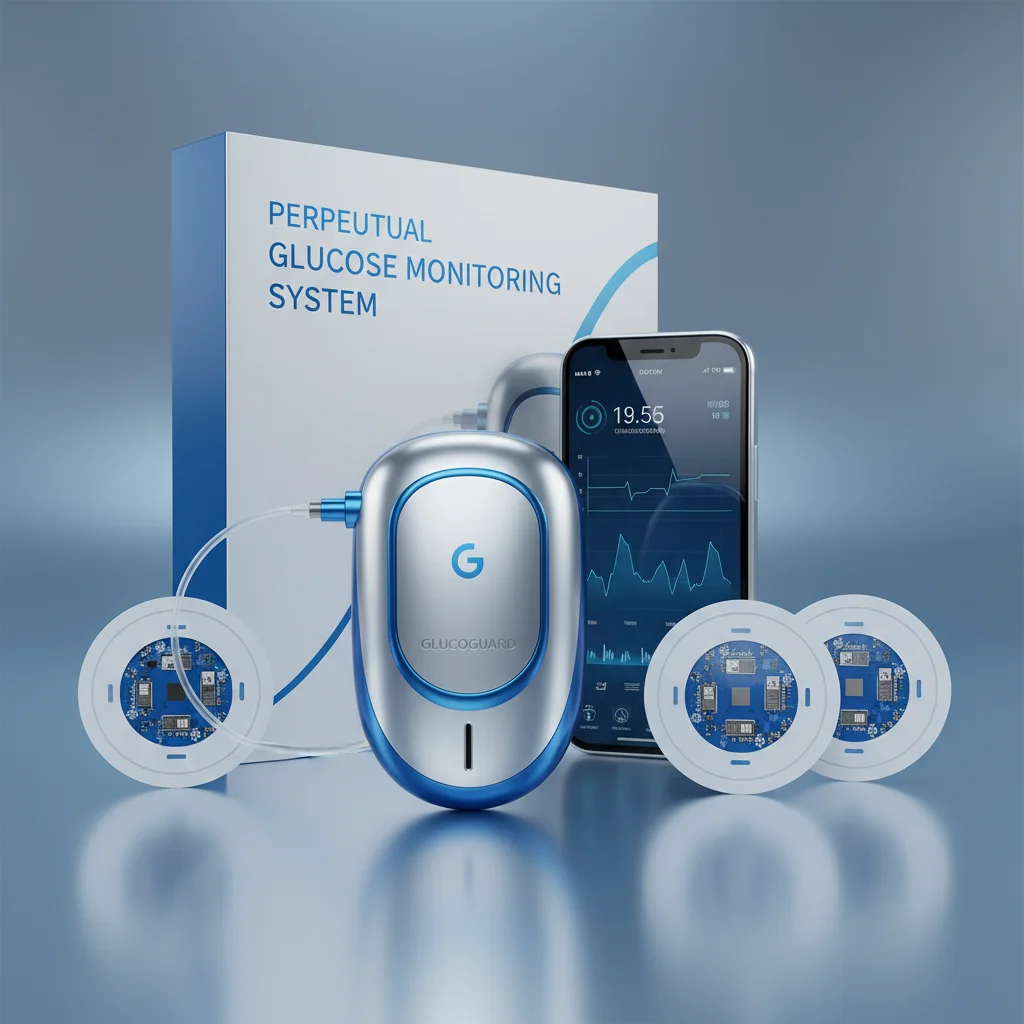
In today's world, proactive health management is more critical than ever. For individuals living with diabetes, effective glucose monitoring is paramount. Continuous Glucose Monitoring (CGM) systems have revolutionized diabetes care, offering real-time insights into glucose levels. This article delves into the world of continuous glucose monitoring system sensor products, exploring their benefits, features, and advancements. Understanding these sensors is key to empowering better diabetes management and improving quality of life.
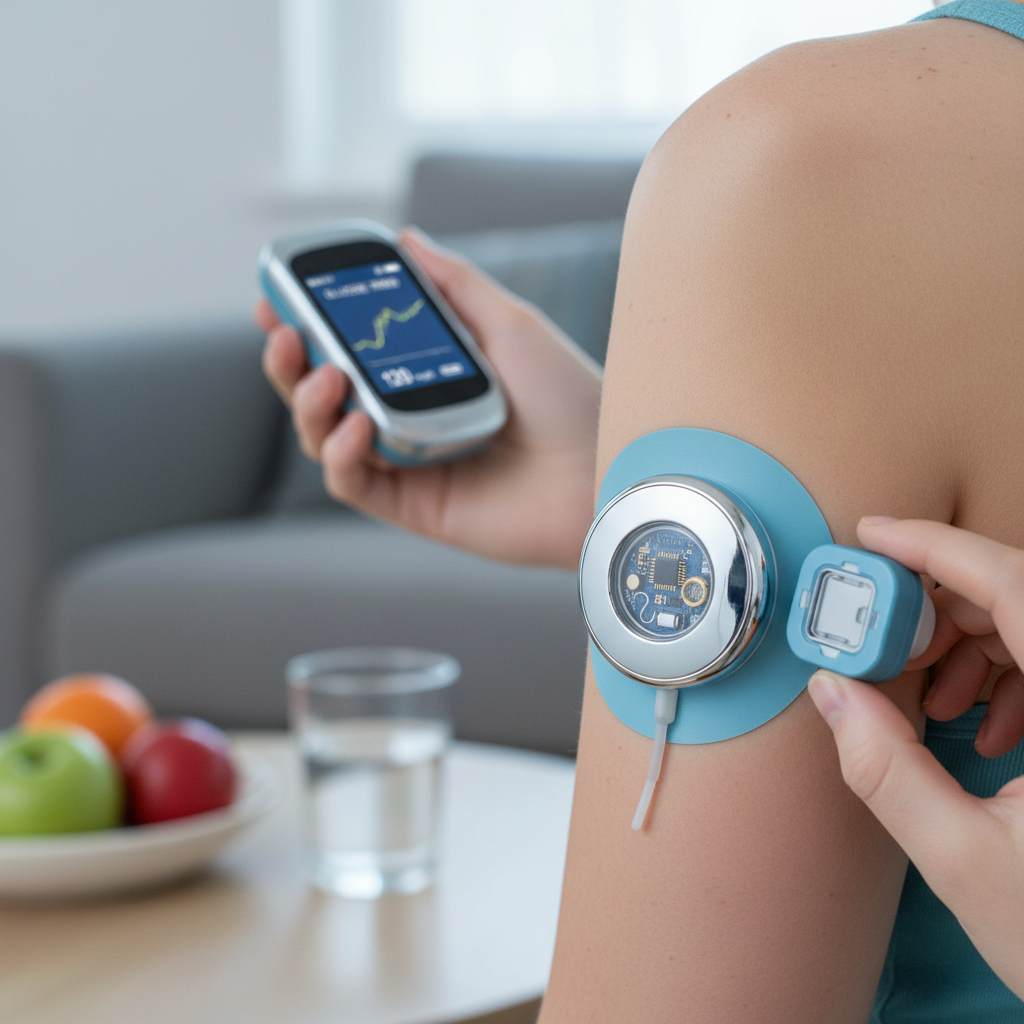
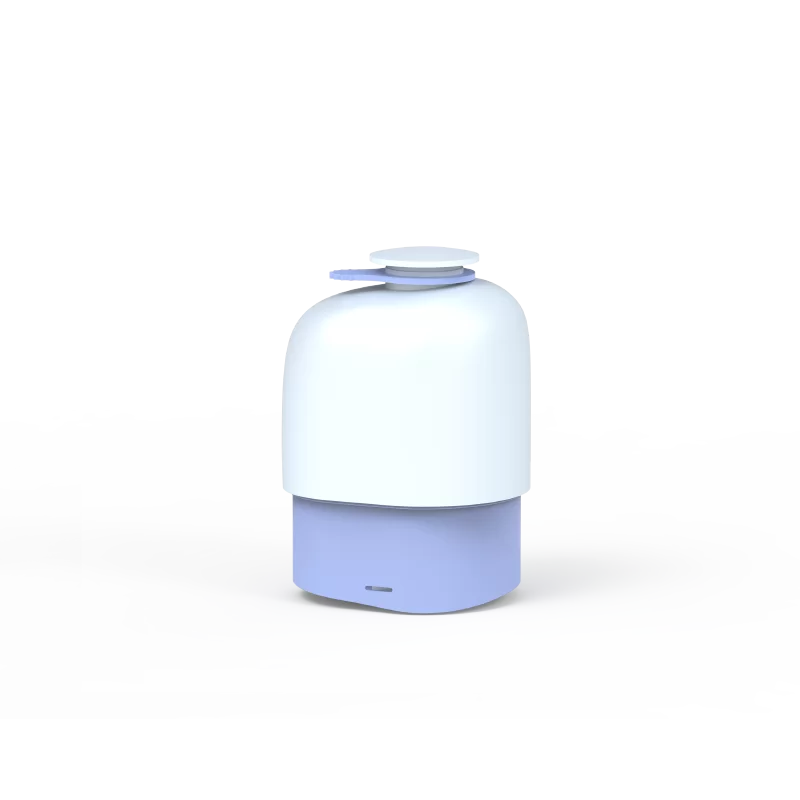
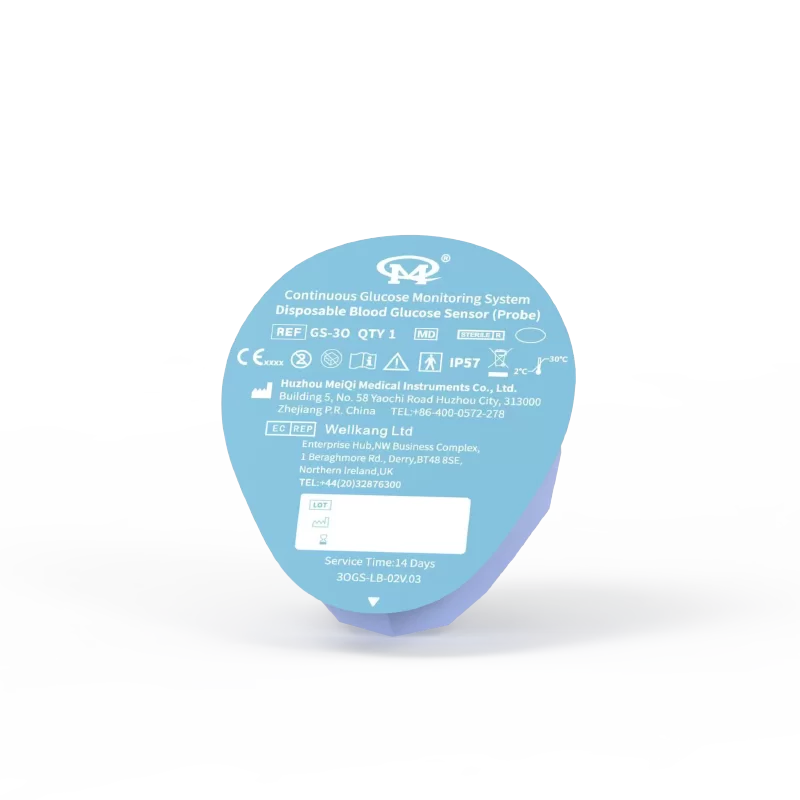
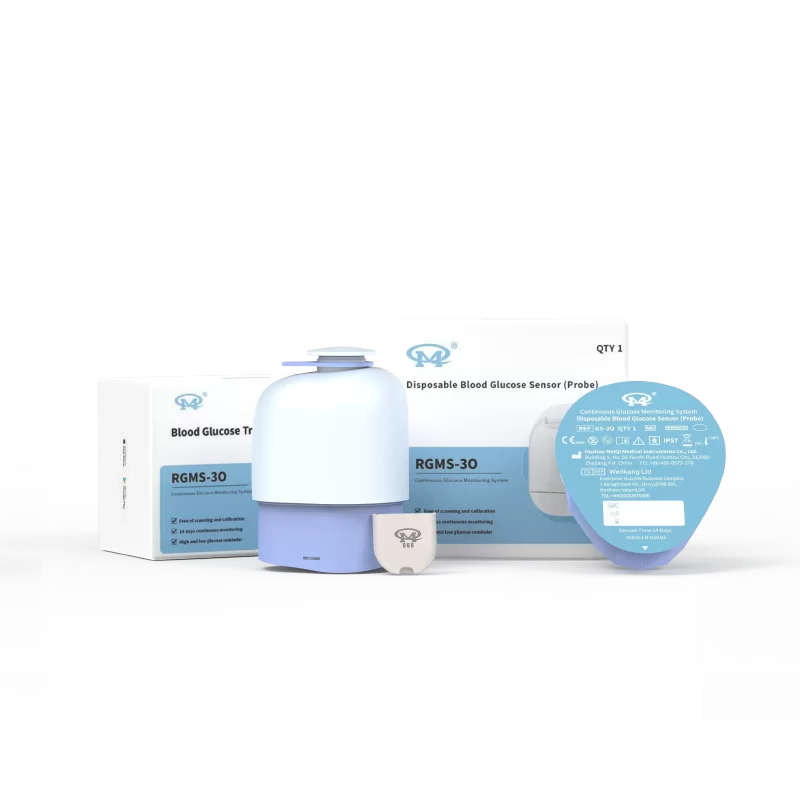
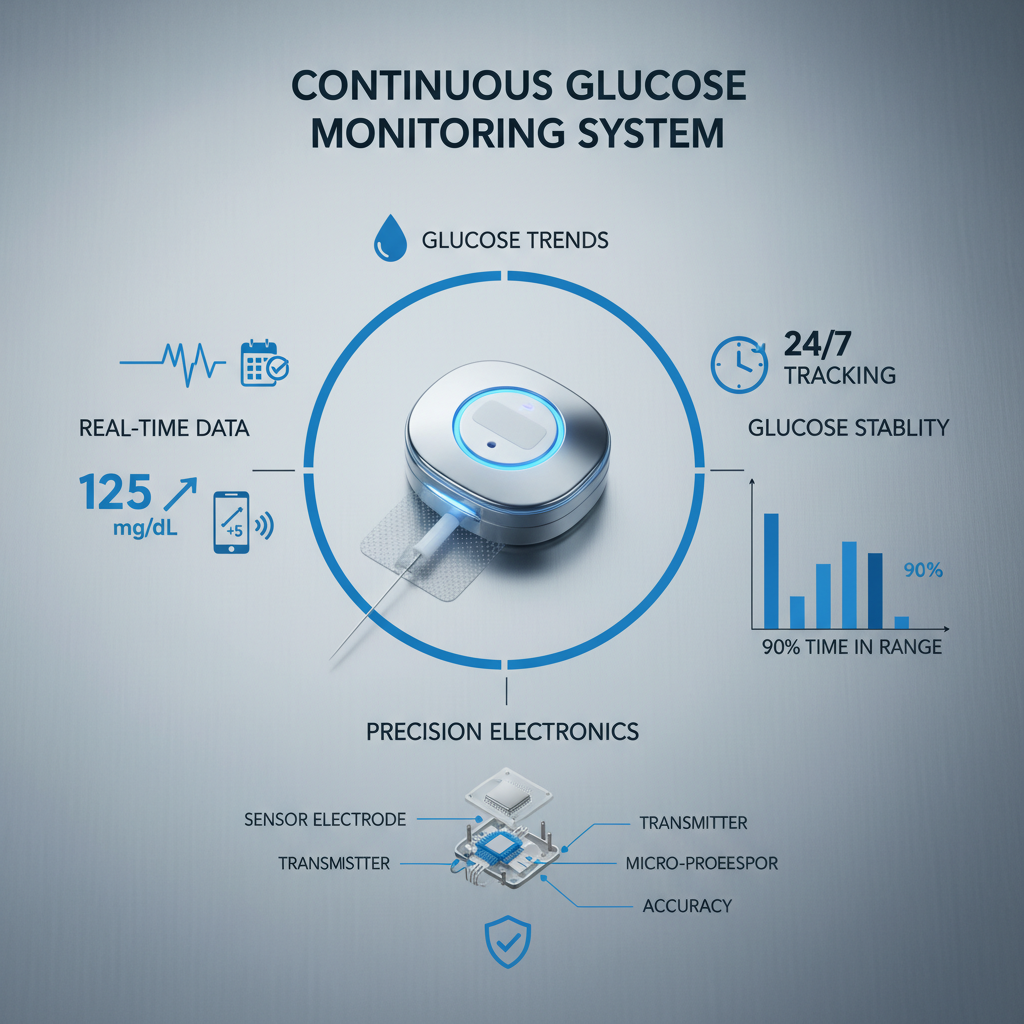
A continuous glucose monitoring system sensor is a small, disposable device inserted under the skin, typically in the abdomen or upper arm. Unlike traditional finger-prick glucose meters, CGMs automatically track glucose levels throughout the day and night. The sensor measures glucose in the interstitial fluid – the fluid surrounding cells – and transmits this data wirelessly to a receiver or smartphone. This constant stream of data allows users and their healthcare providers to identify trends, patterns, and potential issues in glucose control. This proactive approach allows for timely interventions and personalized treatment plans.
Key Benefit: CGMs provide a comprehensive view of glucose levels, revealing insights beyond what traditional blood glucose testing can offer.
Most CGM sensors utilize a small filament that contains an enzyme called glucose oxidase. This enzyme reacts with glucose in the interstitial fluid, generating an electrical current proportional to the glucose concentration. This current is then measured and converted into a glucose reading. The sensor typically lasts between 7 and 14 days, depending on the brand and model. Newer sensors are increasingly incorporating advanced features such as extended wear times, improved accuracy, and enhanced data analysis capabilities. XMYLCGM focuses on delivering cutting-edge sensor technology to optimize diabetes management.
Key Components of a CGM System:
• Sensor: Measures glucose levels in interstitial fluid.
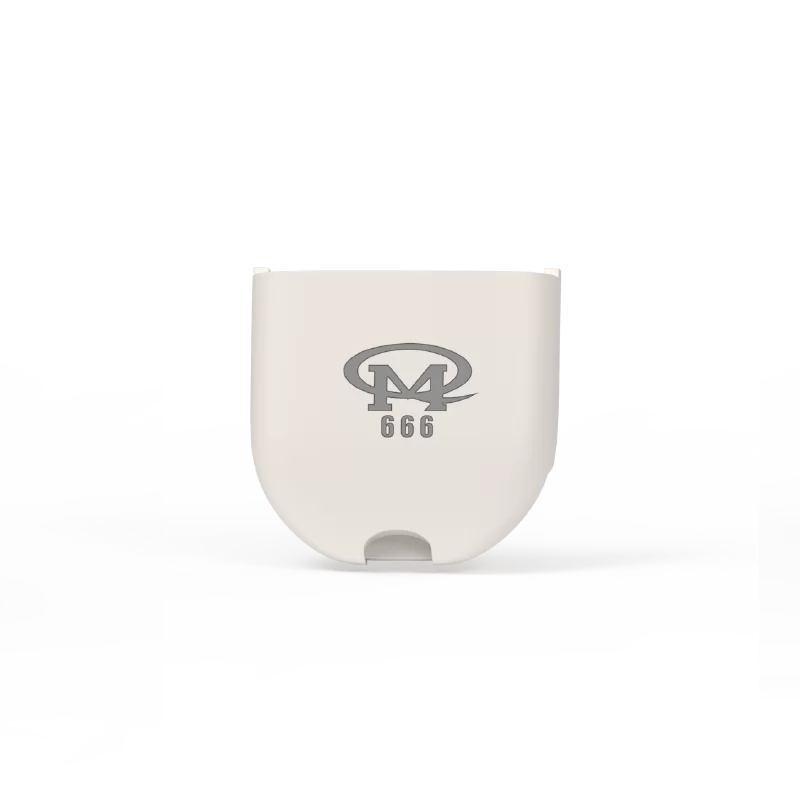
• Transmitter: Sends glucose data wirelessly.
• Receiver/Smartphone App: Displays glucose readings and trends.
Several companies manufacture continuous glucose monitoring system sensor products, each with unique features and benefits. Choosing the right sensor depends on individual needs, preferences, and healthcare provider recommendations. Here's a comparison of some leading options:
The benefits of using continuous glucose monitoring system sensors extend far beyond simply tracking glucose levels. They include:
The field of CGM technology is rapidly evolving. Future trends include longer sensor wear times (potentially up to 14 days or more), fully implantable sensors, and integration with automated insulin delivery (AID) systems (artificial pancreas). Further advancements in sensor accuracy and biocompatibility are also expected. XMYLCGM is committed to staying at the forefront of these innovations, providing patients with the most advanced and effective glucose monitoring solutions available.
Continuous glucose monitoring systems are transforming diabetes care, offering unprecedented insights into glucose control. By providing real-time data, alerts, and trend analysis, these systems empower individuals with diabetes to make informed decisions and live healthier lives. XMYLCGM is dedicated to providing innovative continuous glucose monitoring system sensor products that enhance the quality of life for people living with diabetes.
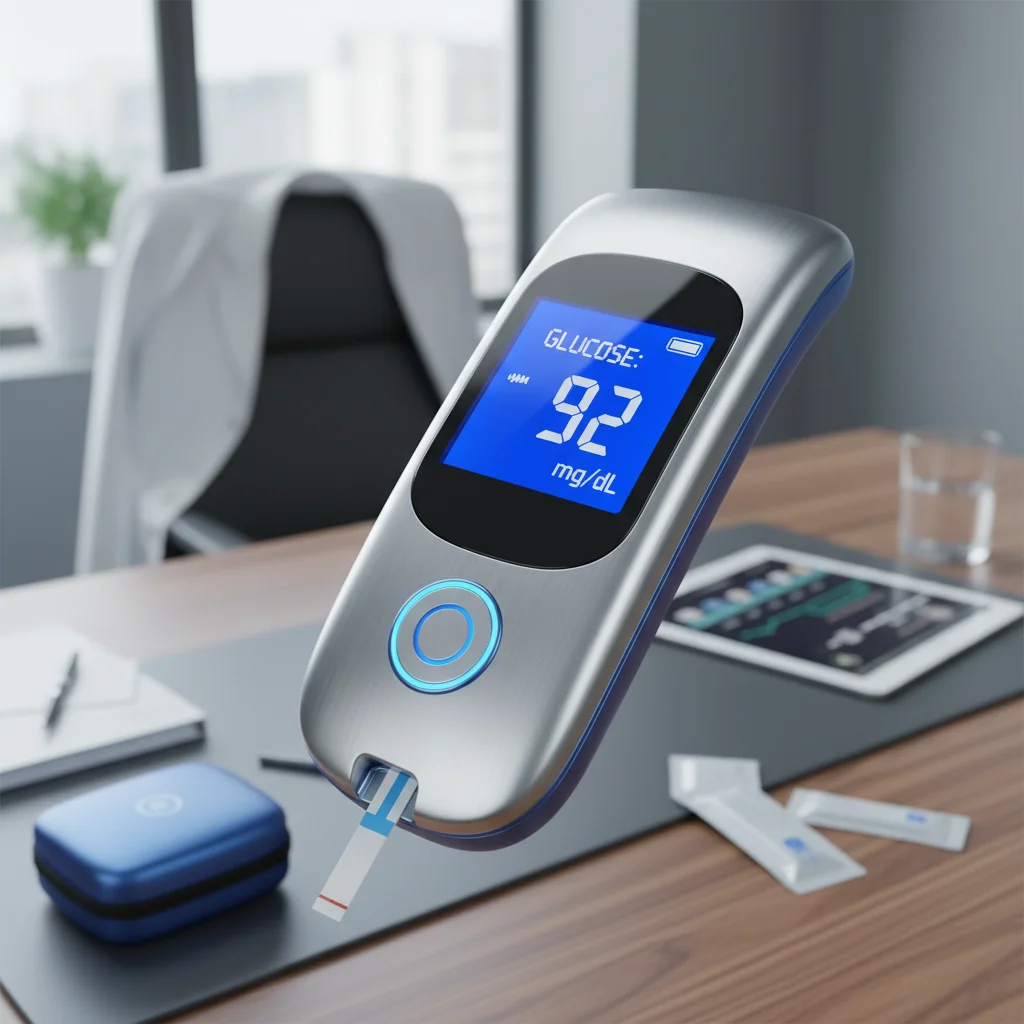
Traditional blood glucose meters (BGMs) require finger pricks to obtain a single glucose reading at a specific point in time. CGMs, on the other hand, provide continuous glucose readings throughout the day and night, offering a more comprehensive picture of glucose trends. CGMs can alert users to dangerous highs or lows, while BGMs only show readings at the moment of testing. This constant stream of data from a CGM enables more proactive and informed diabetes management. BGMs remain useful for confirming CGM readings or when a CGM isn't readily available.
CGM accuracy is measured by Mean Absolute Relative Difference (MARD). Current CGM sensors typically have a MARD of around 9-12%. While not perfect, this level of accuracy is sufficient for identifying trends and making informed decisions. It's important to note that CGM readings can sometimes lag behind blood glucose meter readings, especially during rapid glucose changes. Therefore, it's often recommended to confirm CGM readings with a finger-prick test when making critical treatment decisions. XMYLCGM sensors are designed for high accuracy, with a MARD of 8.5%.
Most users report that inserting a CGM sensor is relatively painless, although some may experience a brief pinch. The sensors are designed with a fine filament that minimizes discomfort. Proper insertion technique and rotating insertion sites can help reduce any discomfort. Over time, many users become accustomed to the insertion process and experience minimal sensation.
While traditionally used by individuals with type 1 diabetes, CGMs are increasingly beneficial for people with type 2 diabetes, particularly those using insulin or experiencing frequent hypoglycemia. CGMs can also be helpful for individuals with gestational diabetes or those seeking to improve their overall glucose control. Anyone interested in gaining a more comprehensive understanding of their glucose patterns can benefit from using a CGM system.