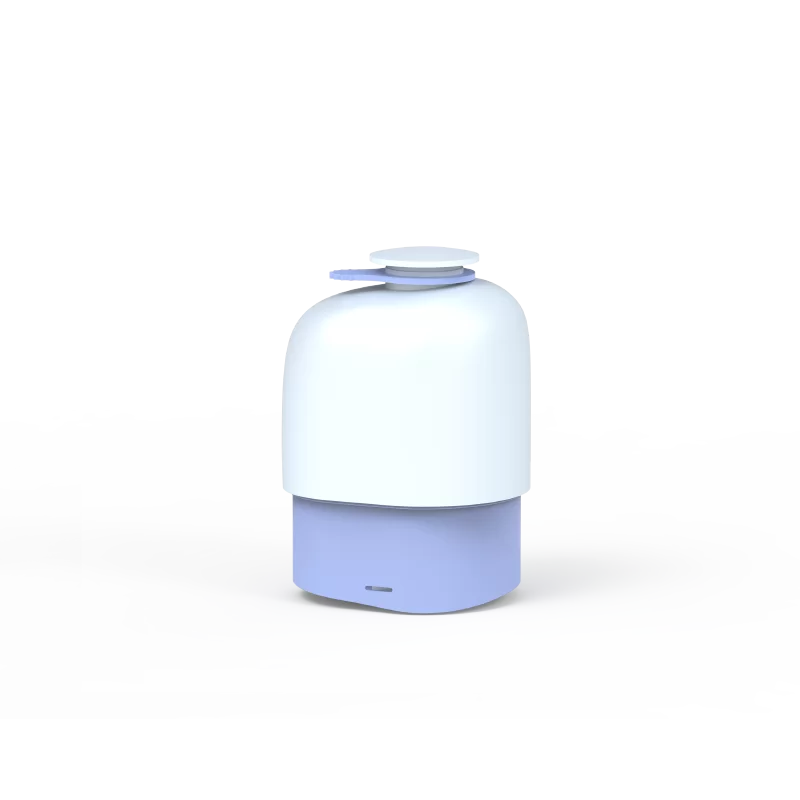
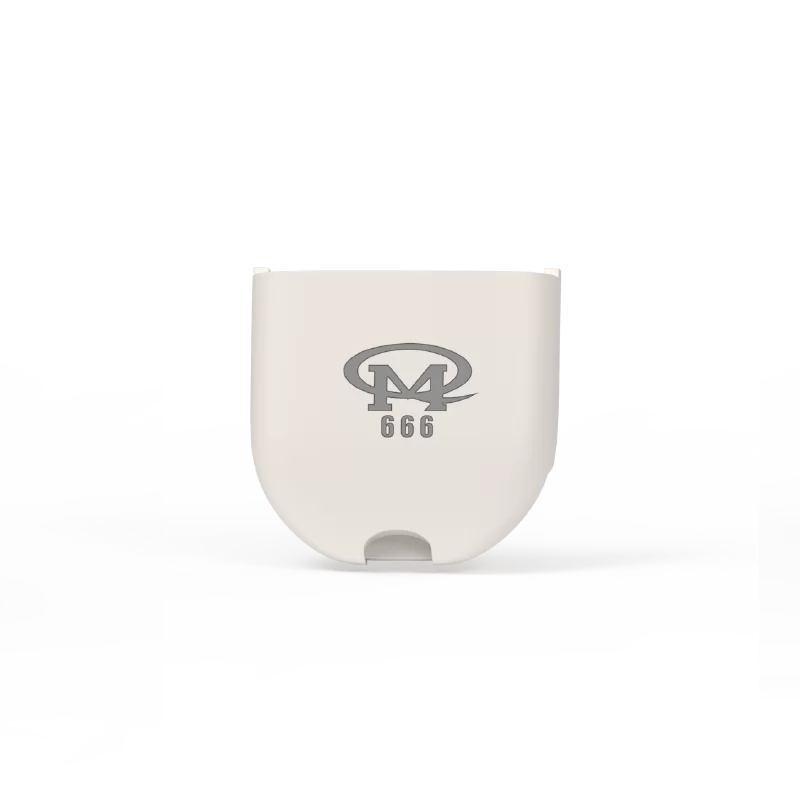
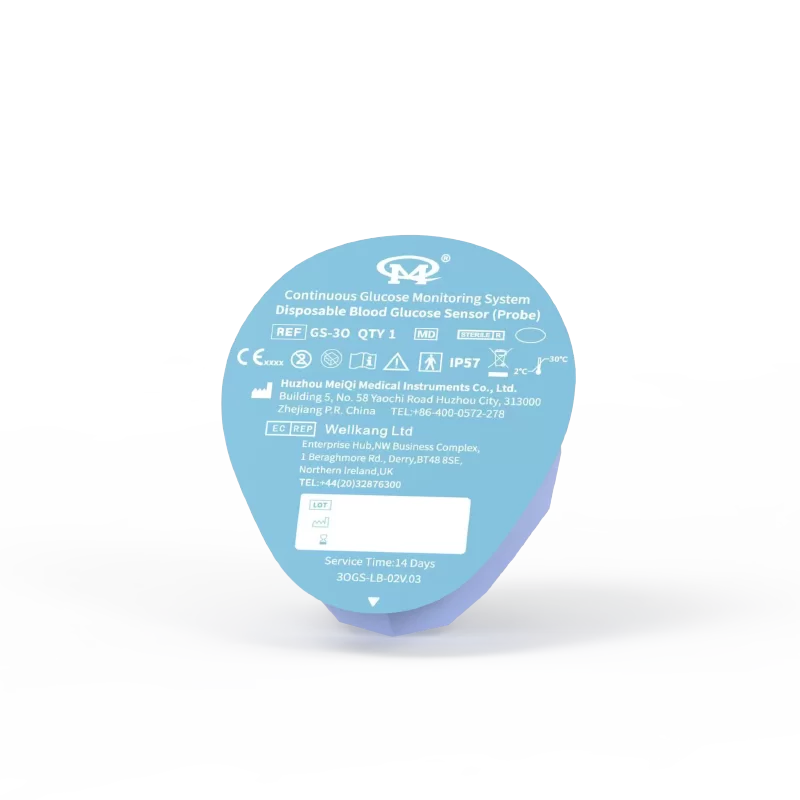
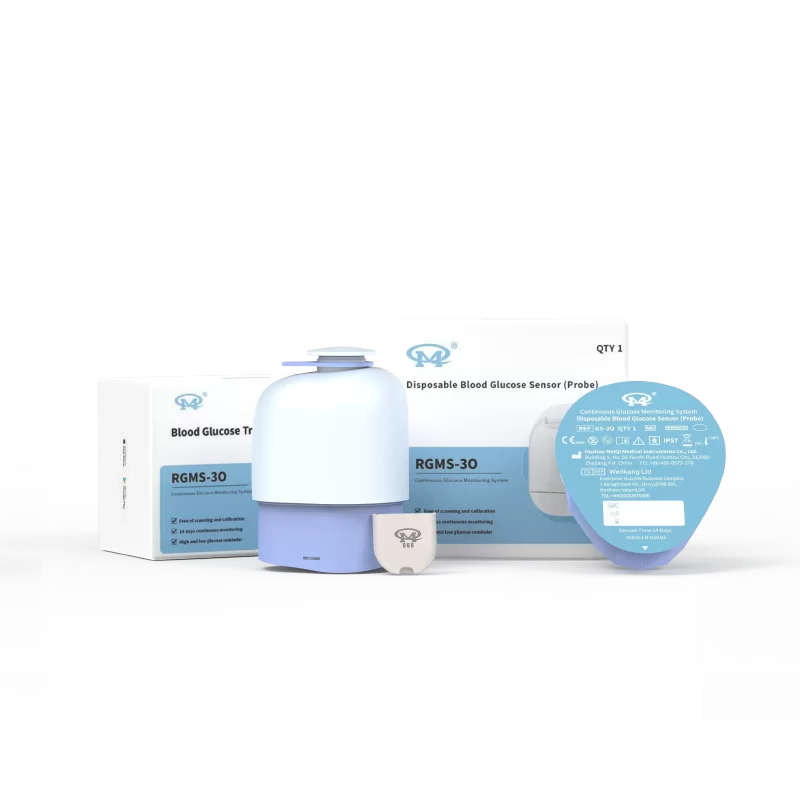
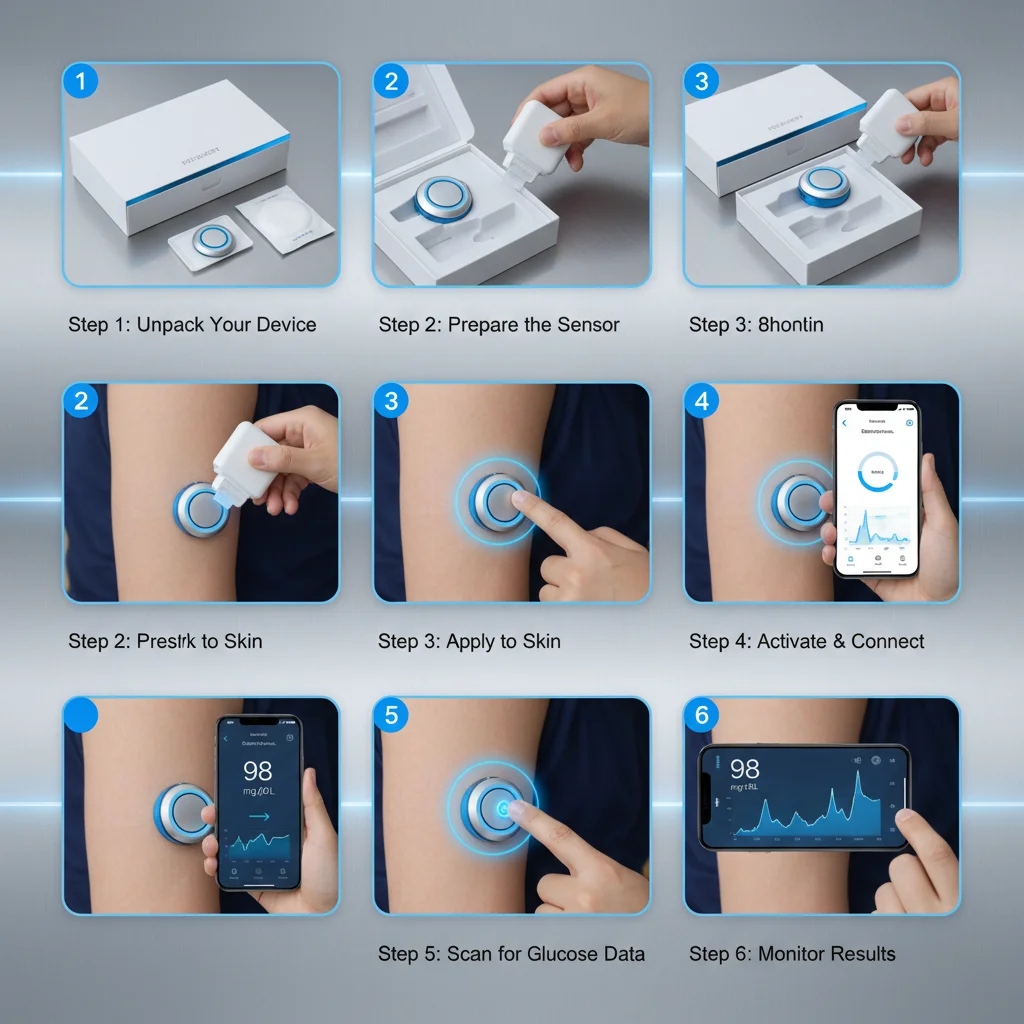
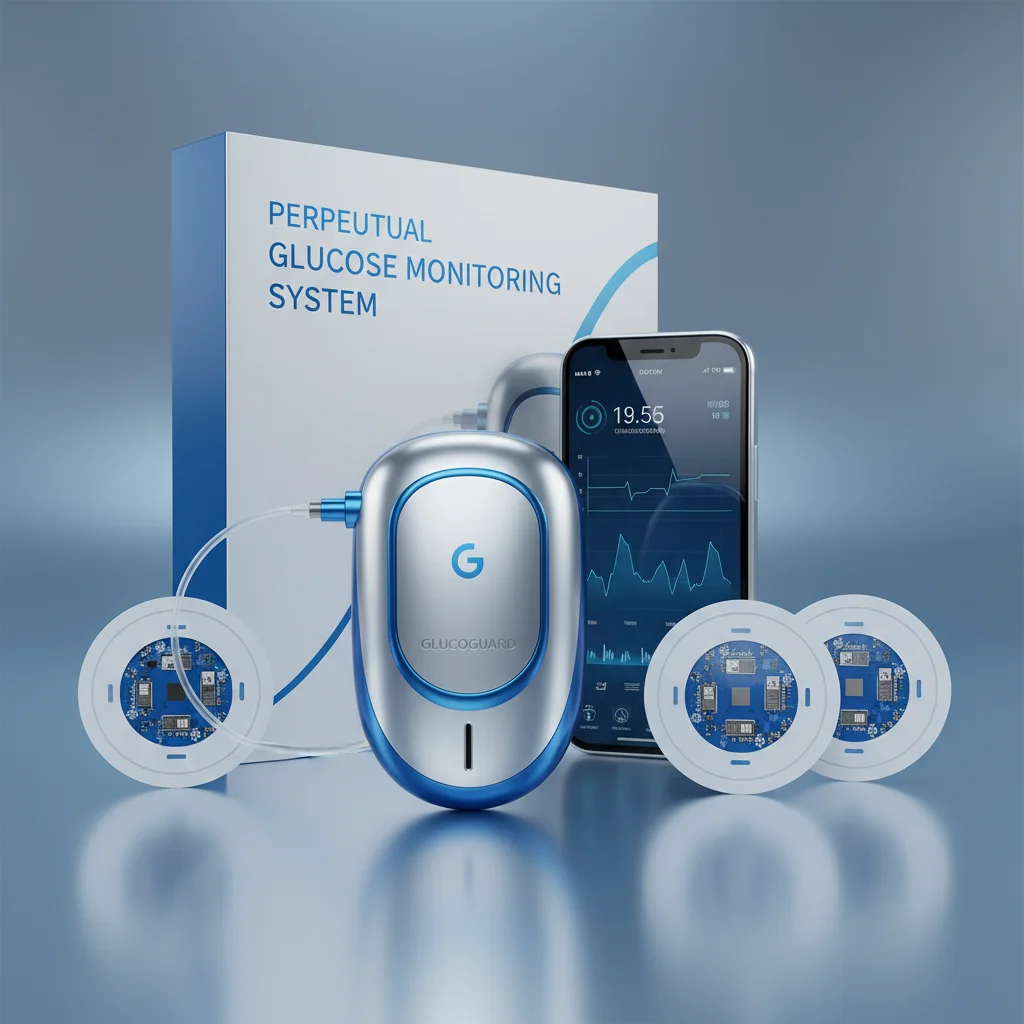
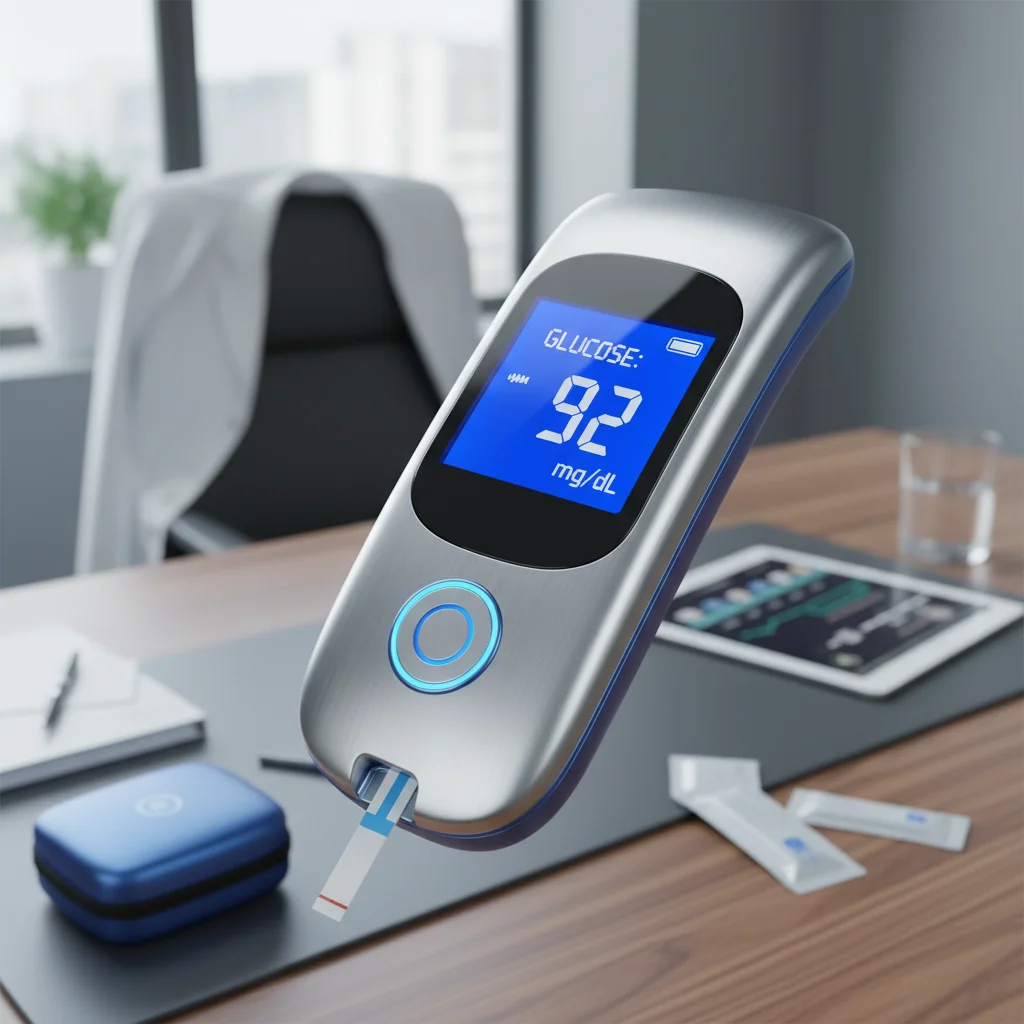
Continuous Glucose Monitoring (CGM) systems have revolutionized diabetes management, providing real-time glucose data to help individuals make informed decisions about their health. At the heart of these systems are the CGM glucose monitoring system sensors. These tiny devices, inserted under the skin, continuously measure glucose levels and transmit the data to a receiver or smartphone. This article will explore the benefits, types, and key features of CGM sensors, highlighting what to look for when choosing the right system. Understanding CGM technology is essential for anyone seeking to improve their glucose control and overall well-being.
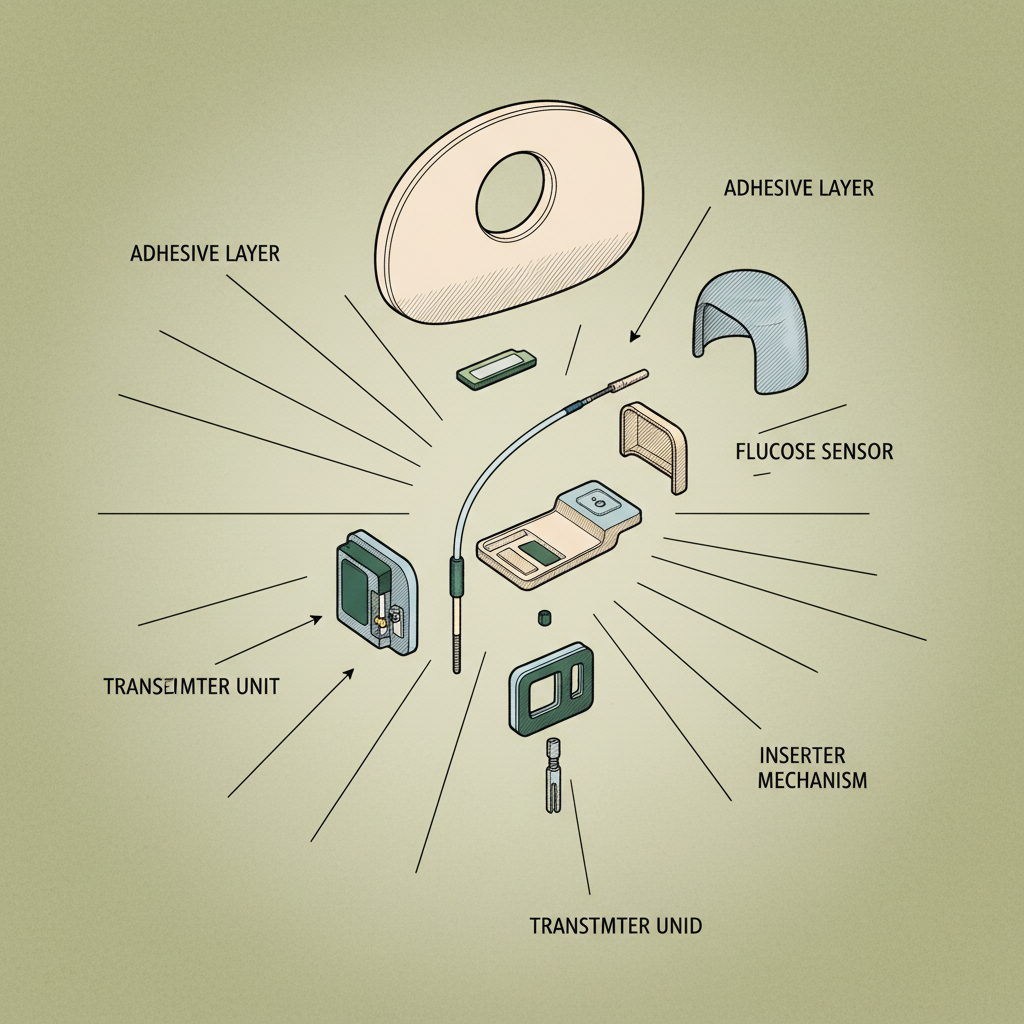
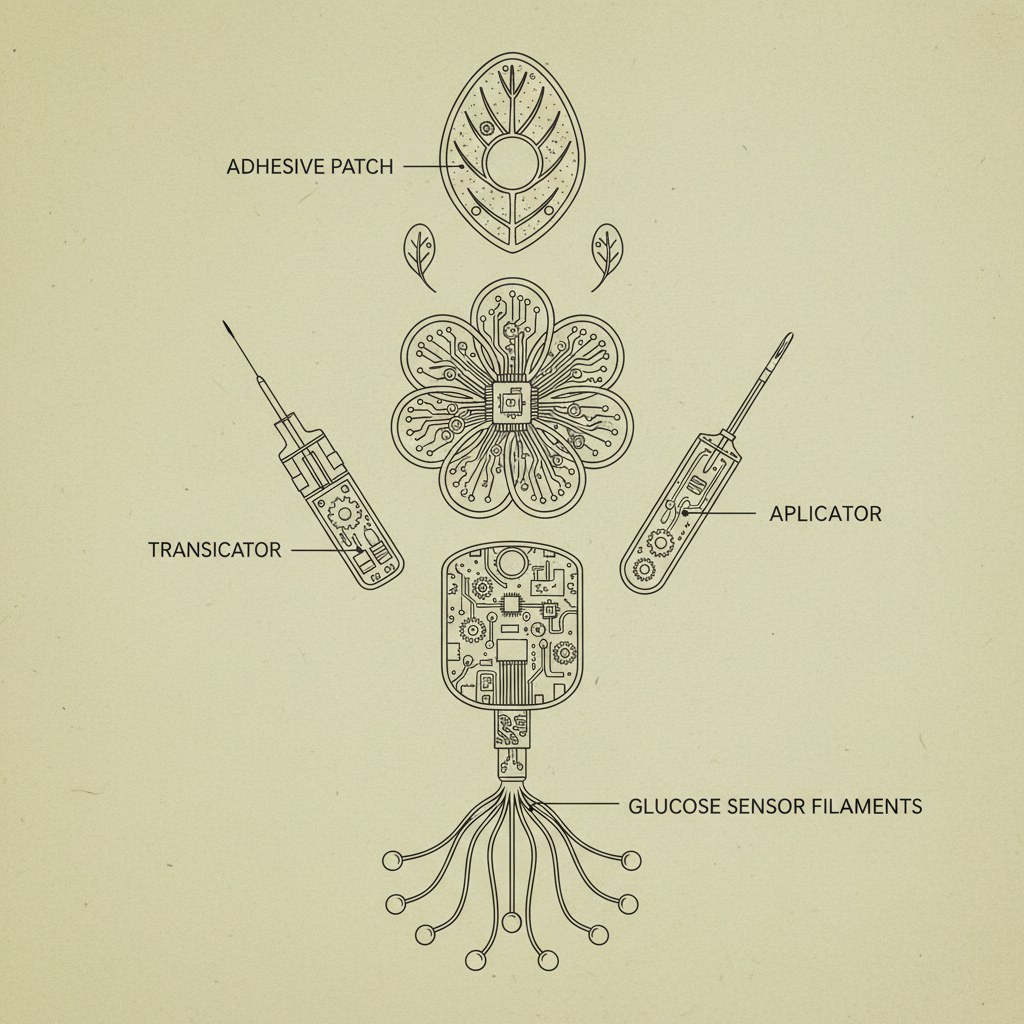
CGM sensors utilize a small filament inserted just beneath the skin. This filament measures glucose levels in the interstitial fluid – the fluid surrounding cells. Unlike traditional blood glucose meters that provide a snapshot in time, CGM sensors provide continuous readings throughout the day and night. The sensor transmits data wirelessly to a receiver, which can be a dedicated device or a compatible smartphone. This data is displayed in real-time, showing glucose trends, highs, and lows. The continuous data stream allows users and their healthcare providers to identify patterns and make adjustments to insulin dosages, diet, and exercise.
Key Benefits: Continuous monitoring, identifies trends, informs treatment decisions, improves glucose control, reduces the need for frequent fingersticks.
There are several types of CGM sensors available, each with its own characteristics and advantages. Some sensors are factory-calibrated, meaning they don’t require fingerstick calibrations, while others require regular calibrations with a blood glucose meter. Sensor longevity also varies, with some sensors lasting up to 14 days. The choice of sensor depends on individual needs and preferences, as well as the recommendations of a healthcare provider. Factors to consider include accuracy, calibration requirements, cost, and ease of use. Explore our range of CGM sensors at XMYLCGM to find the perfect fit.
CGM Sensor Types:
• Factory Calibrated: No fingerstick calibrations required.
• Calibration Required: Regular calibration with a blood glucose meter.
• Short-Term: Typically lasts 7-10 days.
• Long-Term: Can last up to 14 days.
Choosing the right CGM sensor can be daunting, given the variety of options available. Here’s a comparison of some popular CGM systems to help you make an informed decision:
Selecting the best CGM sensor involves considering several factors. Accuracy is paramount, ensuring the readings closely match blood glucose meter results. Calibration requirements can impact convenience; factory-calibrated sensors eliminate the need for fingersticks. Sensor life affects the frequency of replacements and overall cost. Data transmission capabilities – whether to a dedicated receiver or smartphone – also play a role. Finally, cost is an important consideration, as CGM sensors can be a significant expense. Contact us at XMYLCGM for personalized guidance.
Here’s a closer look at the specifications of our flagship CGM sensor:
Investing in a high-quality CGM glucose monitoring system sensor is a crucial step toward effective diabetes management. These sensors provide invaluable data, enabling individuals and healthcare professionals to make informed decisions that optimize glucose control and improve overall health. At XMYLCGM, we are committed to providing innovative and reliable CGM solutions to empower those living with diabetes. Take control of your health today.
The replacement frequency depends on the specific sensor you are using. Most sensors are designed to last between 7 and 14 days. It's essential to follow the manufacturer's instructions for replacement to ensure accurate readings. Even if the sensor is still within its lifespan, you should replace it if you suspect it is malfunctioning or providing inaccurate data. Regular sensor changes are critical for maintaining optimal glucose control.
While CGM sensors are primarily designed for individuals with diabetes, some people without diabetes may use them for various reasons, such as optimizing athletic performance or exploring the effects of diet on glucose levels. However, it’s crucial to consult with a healthcare professional before using a CGM if you don't have diabetes. They can help you interpret the data and determine if CGM monitoring is appropriate for your individual needs.
If your CGM sensor stops working, first check the connection to the transmitter and ensure the transmitter battery is charged. If the problem persists, try restarting the system. If the sensor still isn't functioning correctly, contact the manufacturer's customer support for assistance. It's essential to have a backup plan, such as a traditional blood glucose meter, in case your CGM sensor fails.
Insurance coverage for CGM sensors varies depending on your insurance plan and location. Many insurance companies now cover CGMs for individuals with diabetes who meet certain criteria. You may need a prescription from your healthcare provider and may be required to demonstrate medical necessity. It's best to check with your insurance provider to determine your specific coverage benefits.