Managing diabetes effectively requires consistent monitoring of blood glucose levels. Continuous Glucose Monitoring (CGM) systems have revolutionized diabetes care, offering real-time data and insights that traditional methods can't provide. This article will explore the benefits of blood glucose monitoring systems, the different types available, and how they can help individuals lead healthier lives. We'll delve into the features of XMyl CGM, a leading provider in innovative glucose monitoring solutions.
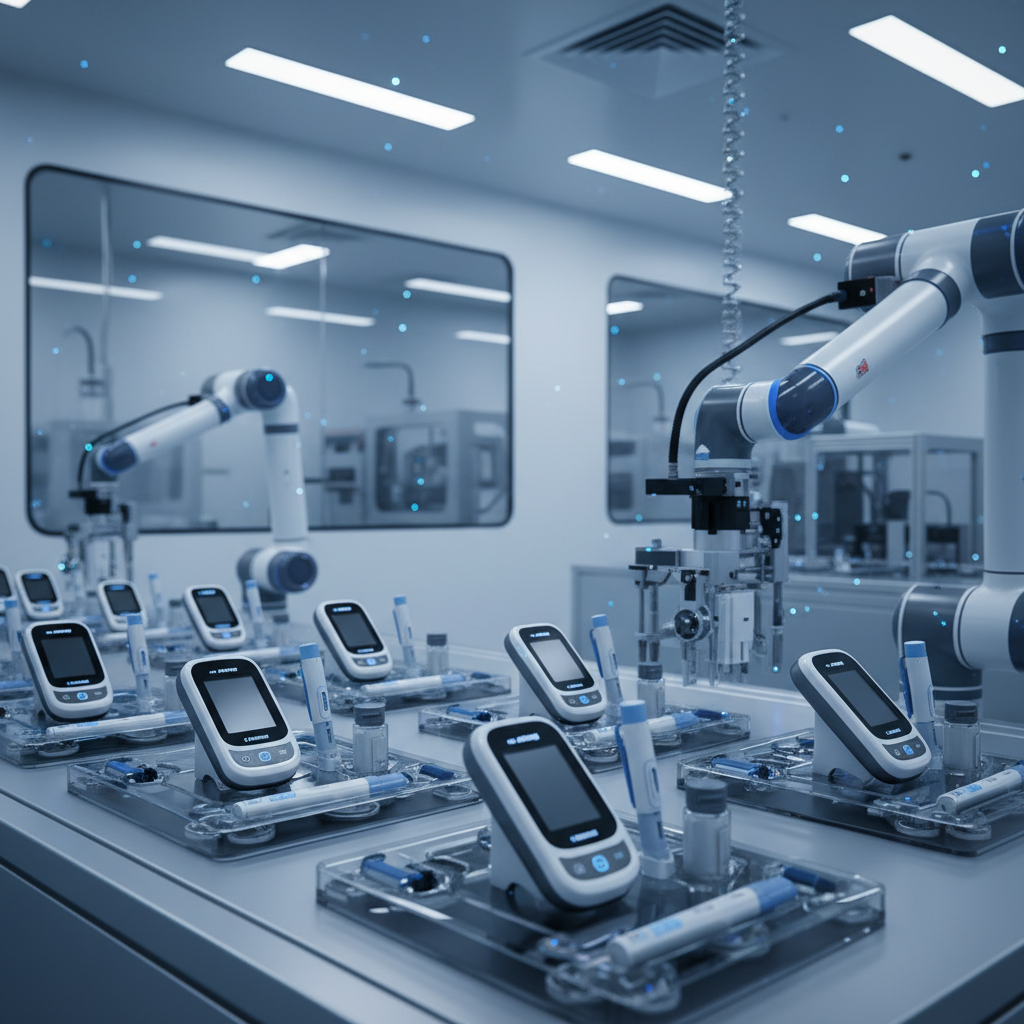
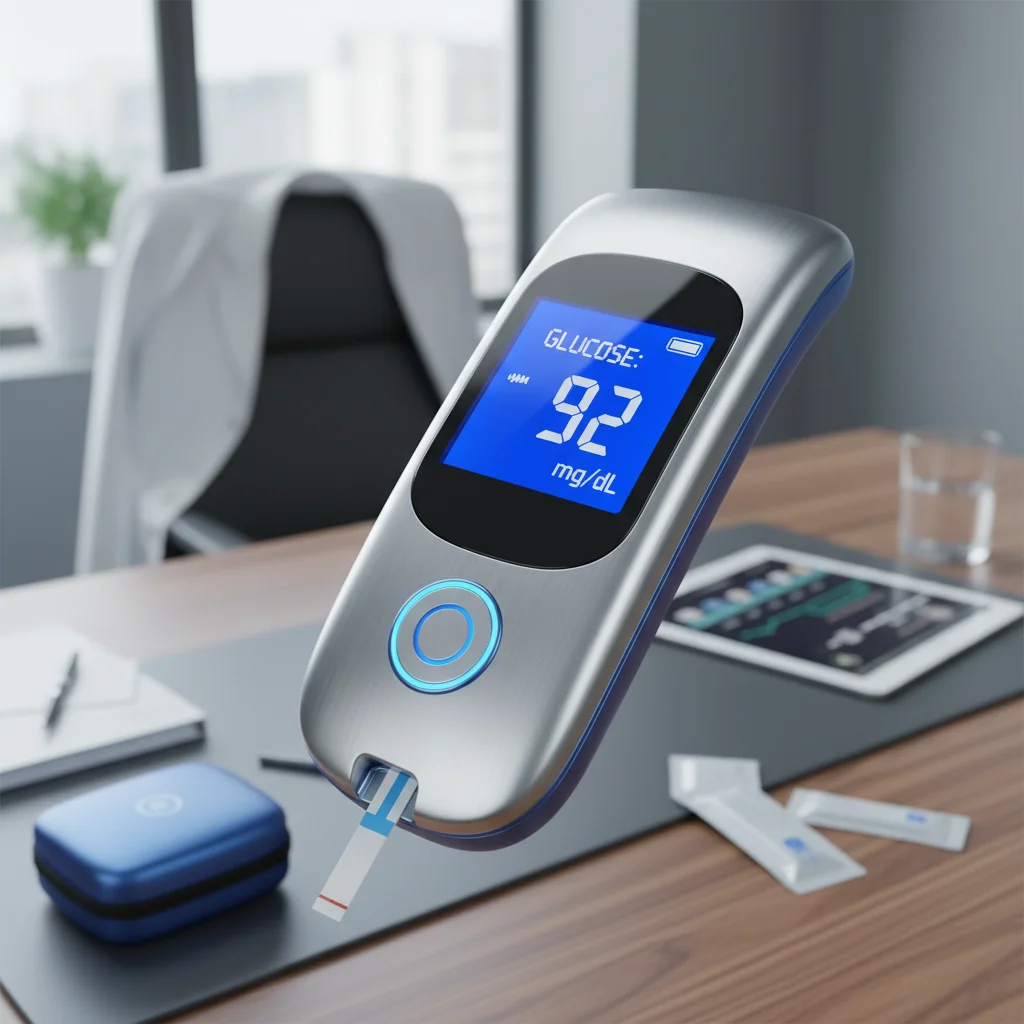
Blood glucose monitoring systems come in various forms, each with its own advantages and disadvantages. Traditionally, individuals used finger-prick blood glucose meters (BGMs) to check their levels several times a day. While still effective, BGMs only provide a snapshot in time. CGM systems, on the other hand, use a small sensor inserted under the skin to continuously track glucose levels, providing a dynamic view of glucose trends. This allows for proactive adjustments to diet, exercise, and medication, leading to better glycemic control. These systems transmit data to a receiver or smartphone, allowing users to easily track their glucose levels throughout the day and night.
Key Benefits of CGM Systems: Real-time glucose readings, trend arrows indicating glucose direction and speed, alerts for high and low glucose levels, data sharing with healthcare professionals.
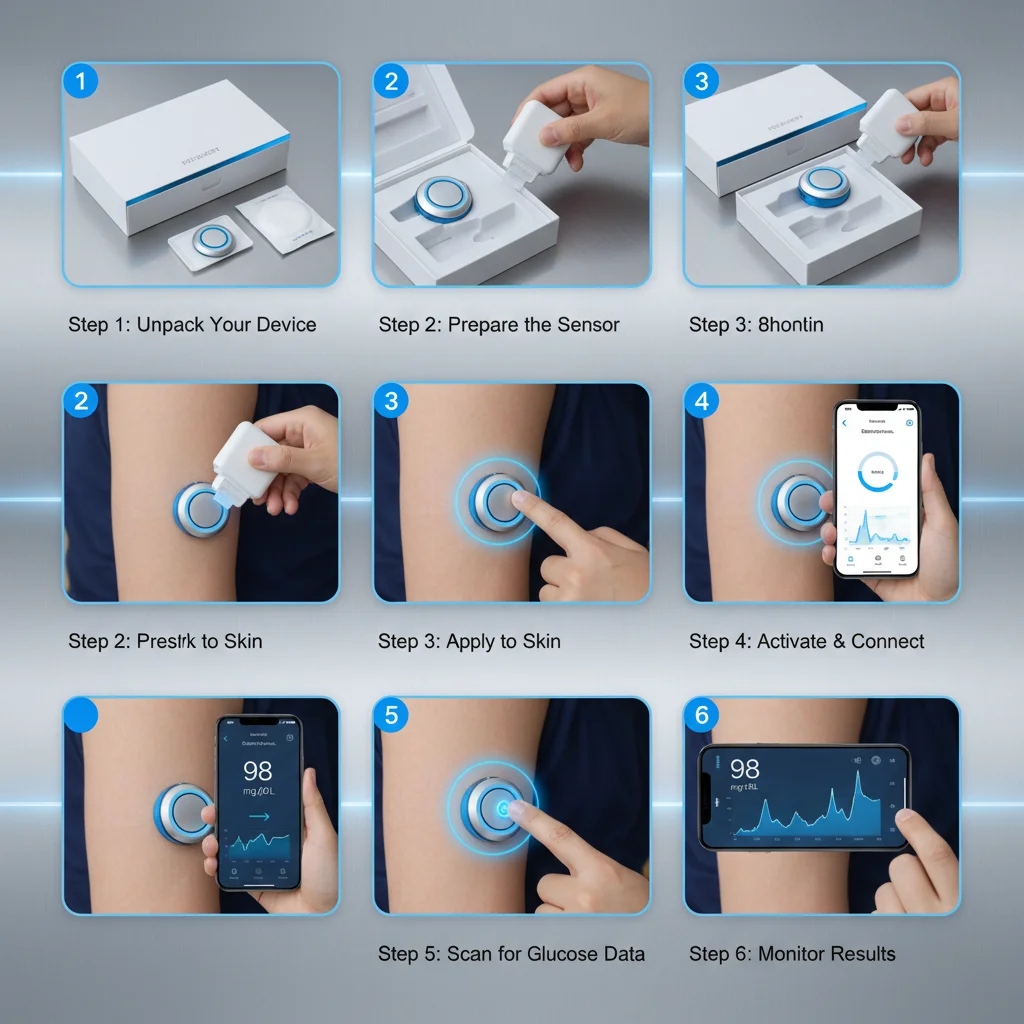
There are primarily two types of systems: real-time CGM (rt-CGM) and intermittently scanned CGM (is-CGM). rt-CGM systems continuously transmit glucose data to a receiver or smartphone, providing real-time alerts. is-CGM systems require the user to scan the sensor with a reader to access the glucose data. Both types offer valuable insights, but rt-CGM provides more immediate and comprehensive information. Furthermore, the technology behind these systems is constantly evolving, with new features such as predictive alerts and integration with insulin pumps.
Key Differences at a Glance:
• rt-CGM: Continuous data transmission, real-time alerts.
• is-CGM: Requires scanning for data, no automatic alerts.
• BGMs: Finger-prick testing, provides a single point-in-time reading.
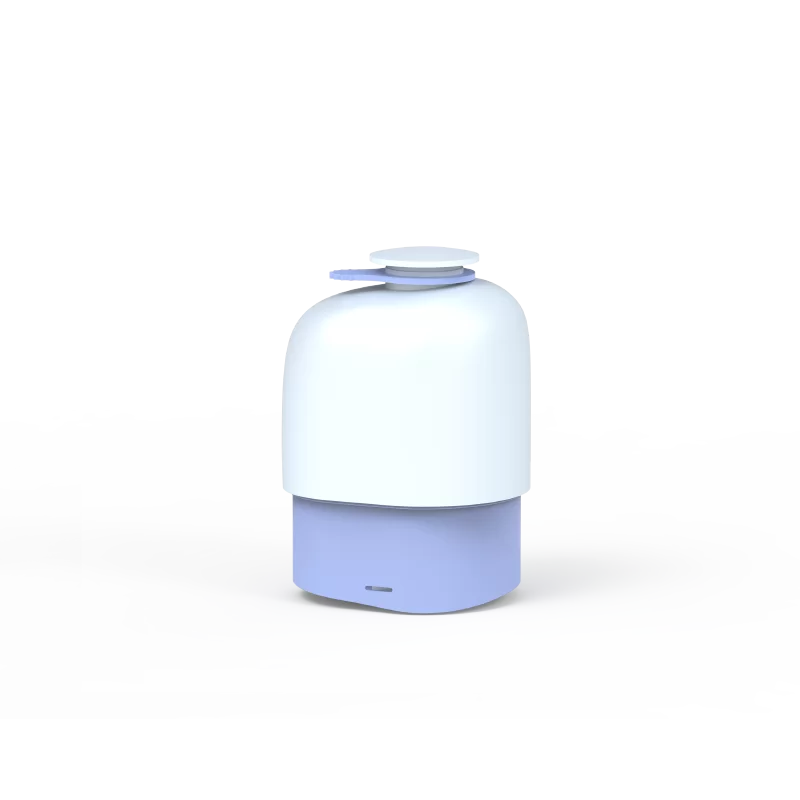
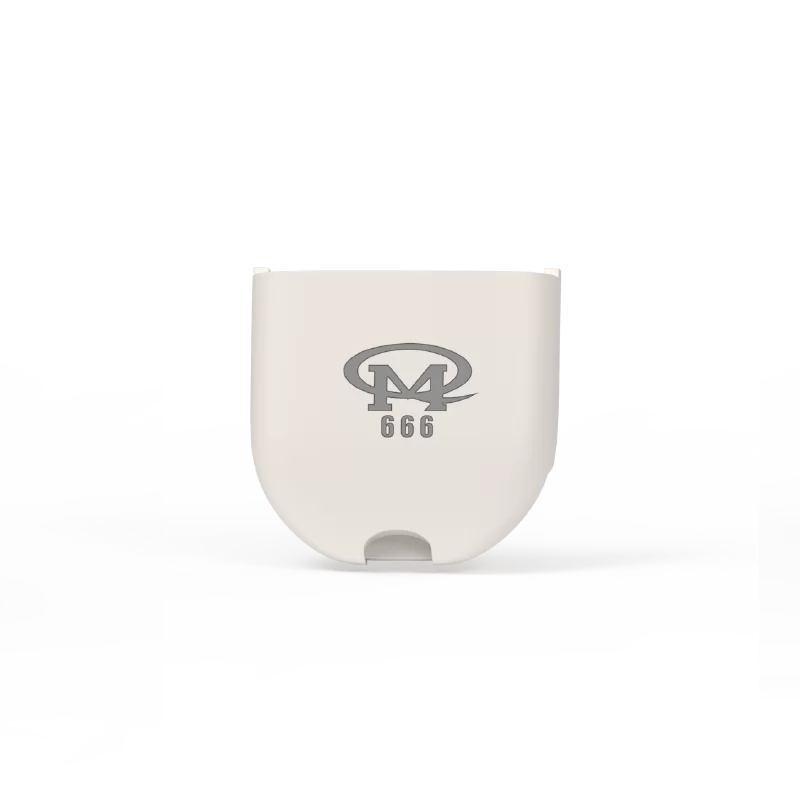
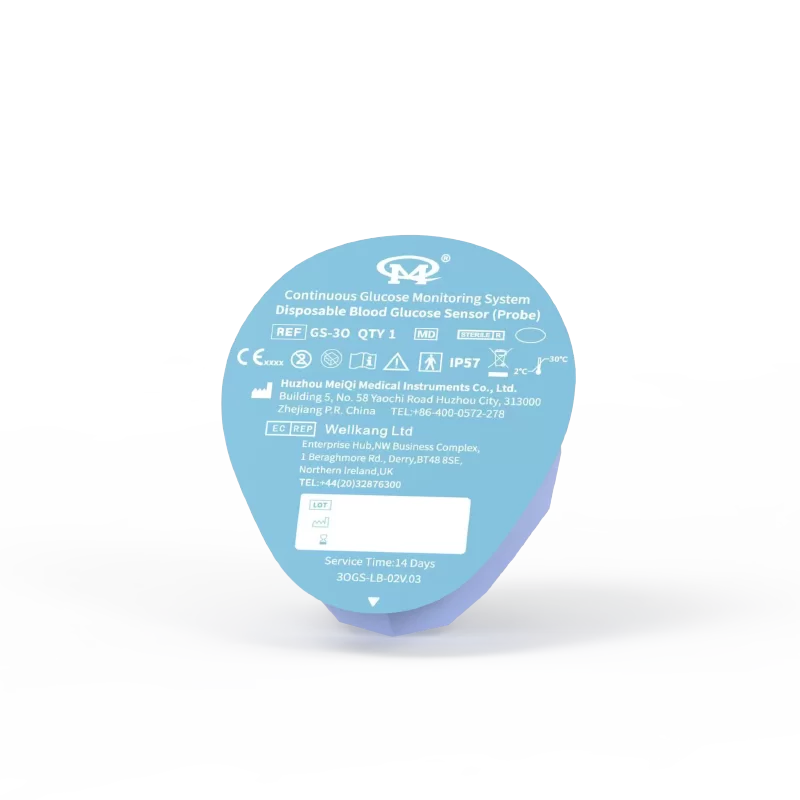
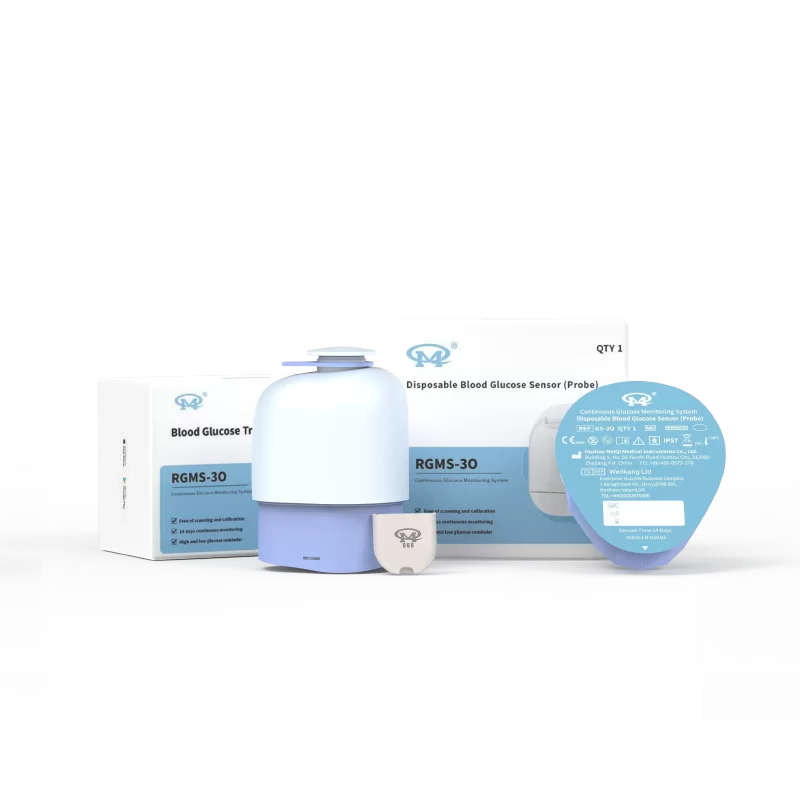
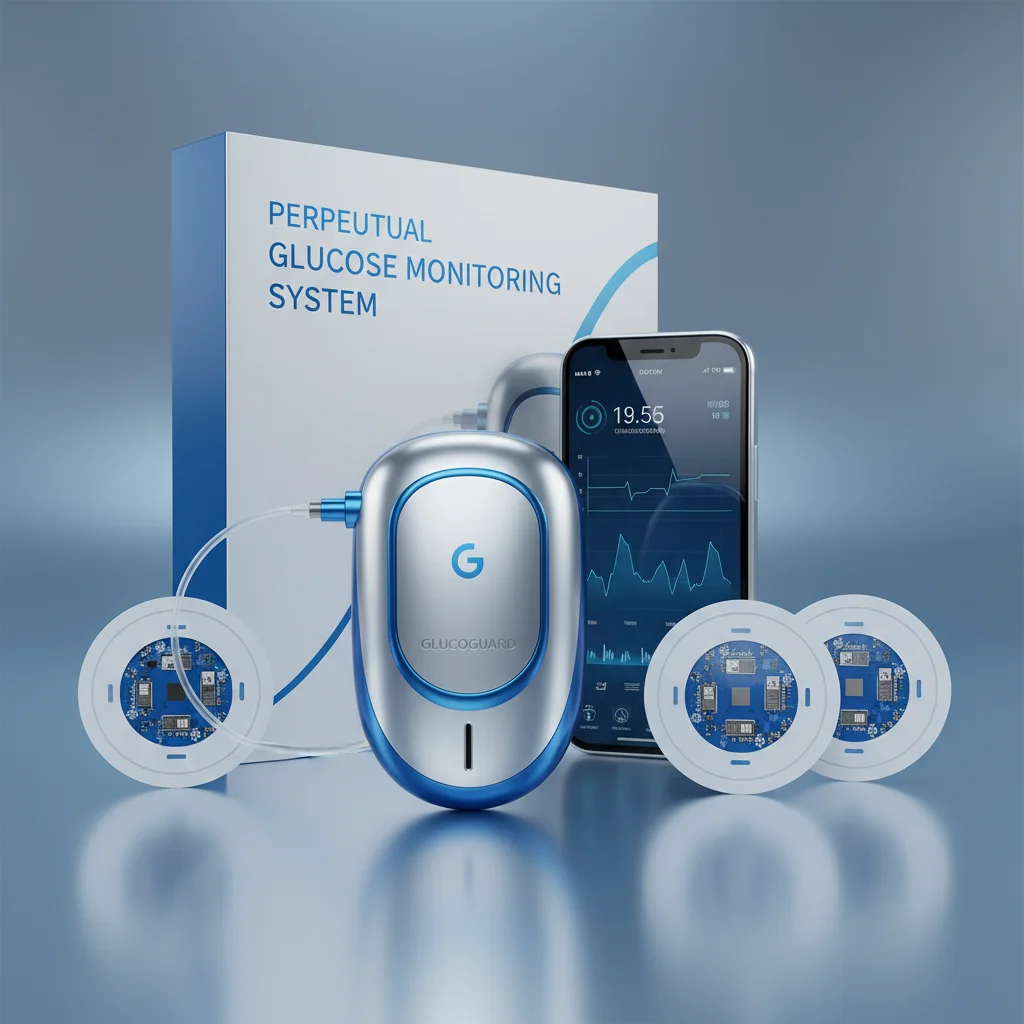
XMyl CGM offers cutting-edge continuous glucose monitoring systems designed for accuracy, comfort, and ease of use. Their systems feature a small, discreet sensor that continuously monitors glucose levels and transmits data wirelessly to a smartphone app. The app provides detailed glucose graphs, trend arrows, and customizable alerts. XMyl CGM is committed to providing innovative solutions that empower individuals with diabetes to take control of their health.
XMyl CGM stands out in the market due to its commitment to accuracy, ease of use, and comprehensive data insights. The system's real-time data allows individuals to make informed decisions about their health, leading to improved glycemic control and a better quality of life. The discreet sensor and user-friendly app make monitoring convenient and seamless. Furthermore, XMyl CGM provides excellent customer support and resources to help users get the most out of their system.
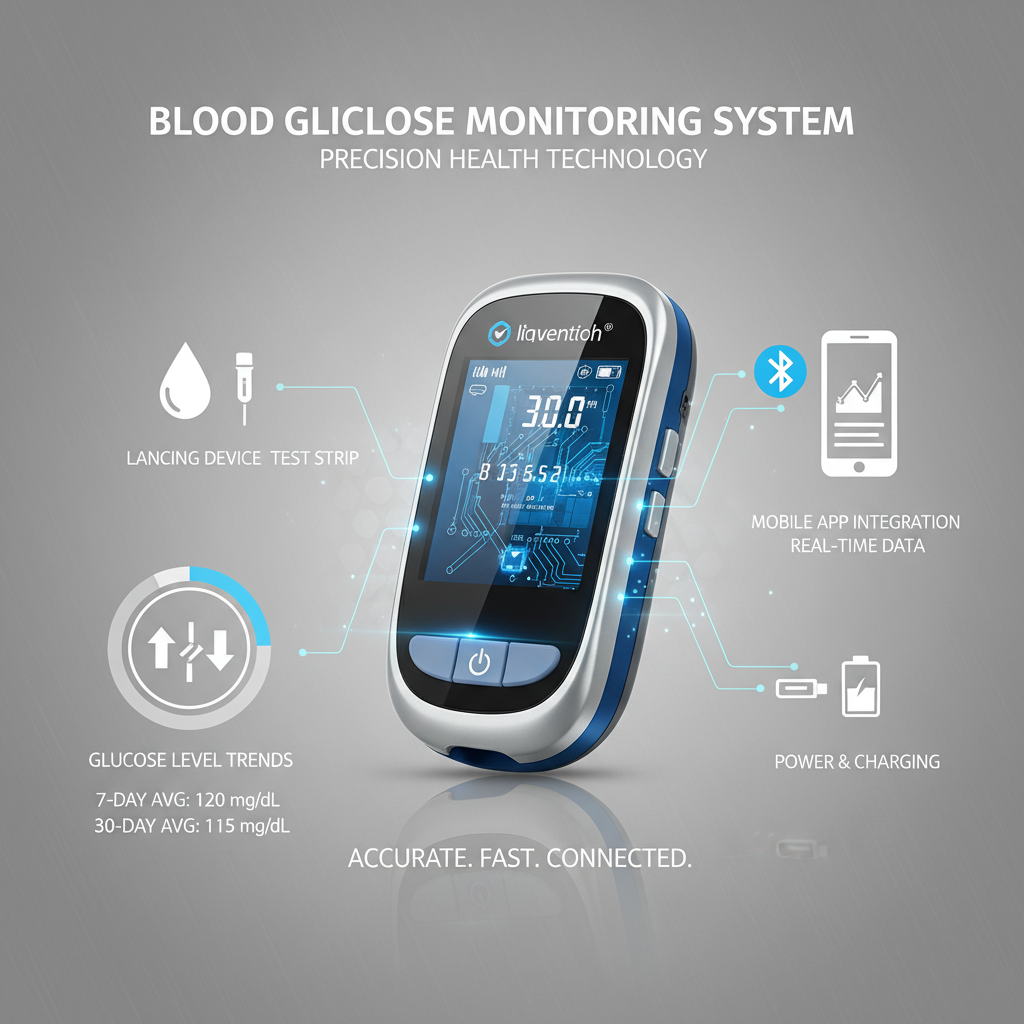
Investing in a blood glucose monitoring system, particularly a CGM like those offered by XMyl CGM, is a significant step towards effective diabetes management. The real-time data and personalized insights empower individuals to make informed decisions, improve their health outcomes, and live fuller, more active lives. Explore the XMyl CGM website today to learn more about their innovative solutions.
While both CGM systems and BGMs measure blood glucose levels, CGMs offer a more comprehensive picture of glucose trends. CGMs generally have a slightly lower level of absolute accuracy compared to BGMs at a single point in time. However, CGMs provide continuous data, allowing users to identify patterns and make proactive adjustments. The accuracy of CGMs has significantly improved in recent years, and many now meet stringent accuracy standards. It's important to follow the manufacturer's guidelines and calibrate the CGM as needed for optimal accuracy. XMyl CGM systems are designed for high accuracy and reliable performance.
In many countries, including the United States, a prescription is required to purchase a CGM system. This is because CGM systems are considered medical devices and require oversight from a healthcare professional. A prescription ensures that the CGM is appropriate for your individual needs and that your healthcare provider can interpret the data and adjust your treatment plan accordingly. XMyl CGM can provide information on how to obtain a prescription from your doctor.
Used CGM sensors contain small amounts of biological material and should be disposed of properly. Follow the disposal instructions provided with your specific CGM system. Generally, sensors should be treated as medical waste and disposed of in a sealed container. Do not dispose of sensors in regular household trash or recycling bins. Contact your local waste management authority for information on medical waste disposal guidelines. XMyl CGM provides detailed disposal instructions with its products.
Yes, most CGM systems allow you to share your glucose data with your healthcare provider. This is a valuable tool for collaborative diabetes management. Data sharing can be done through a secure online platform or by exporting reports. Sharing your data allows your doctor to gain a comprehensive understanding of your glucose trends and make informed adjustments to your treatment plan. XMyl CGM’s app facilitates easy data sharing with healthcare professionals.