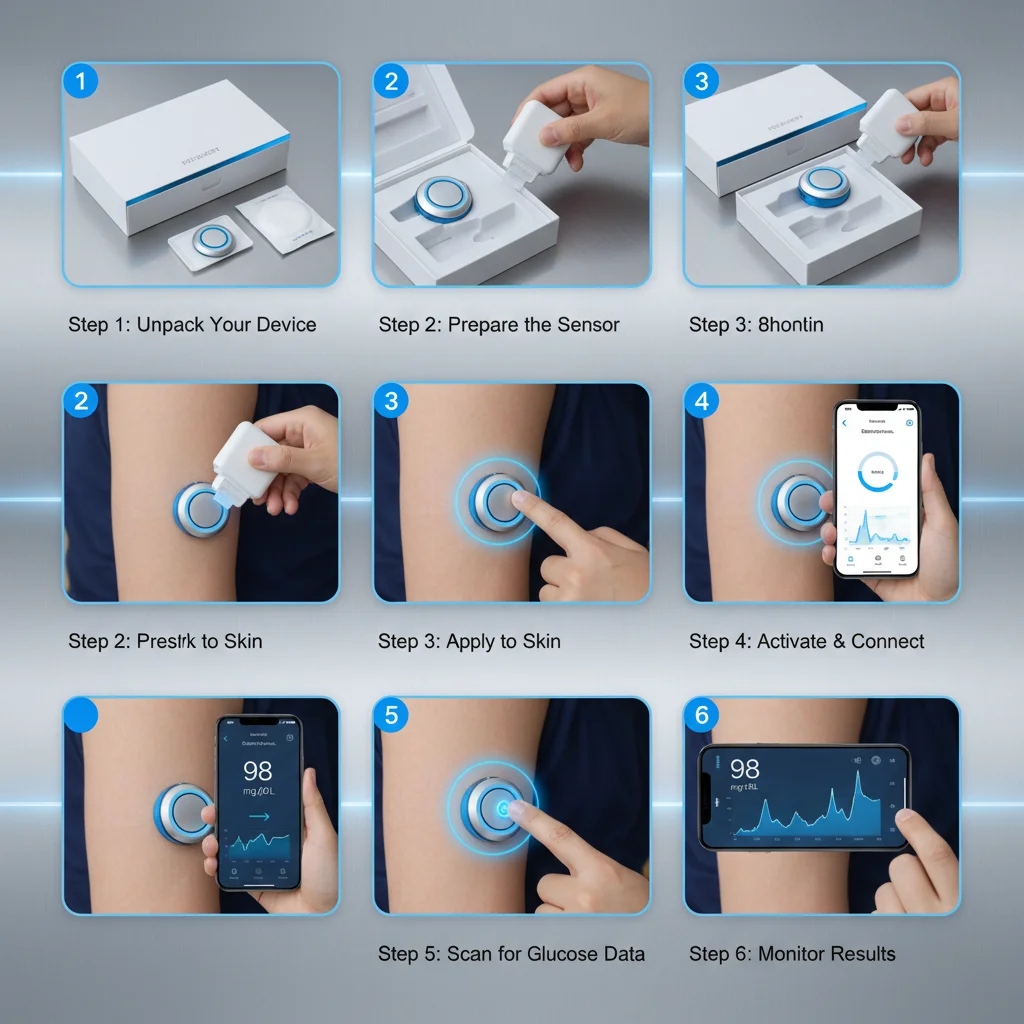
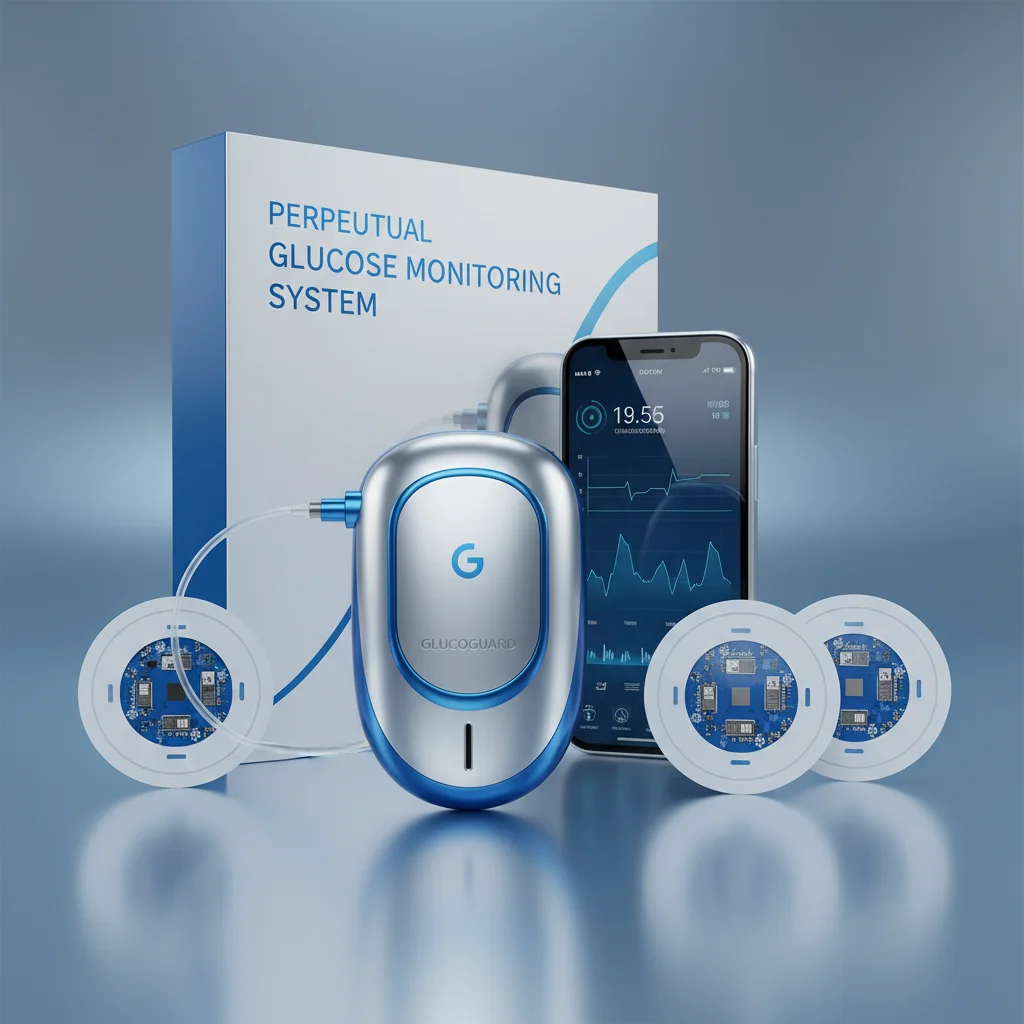
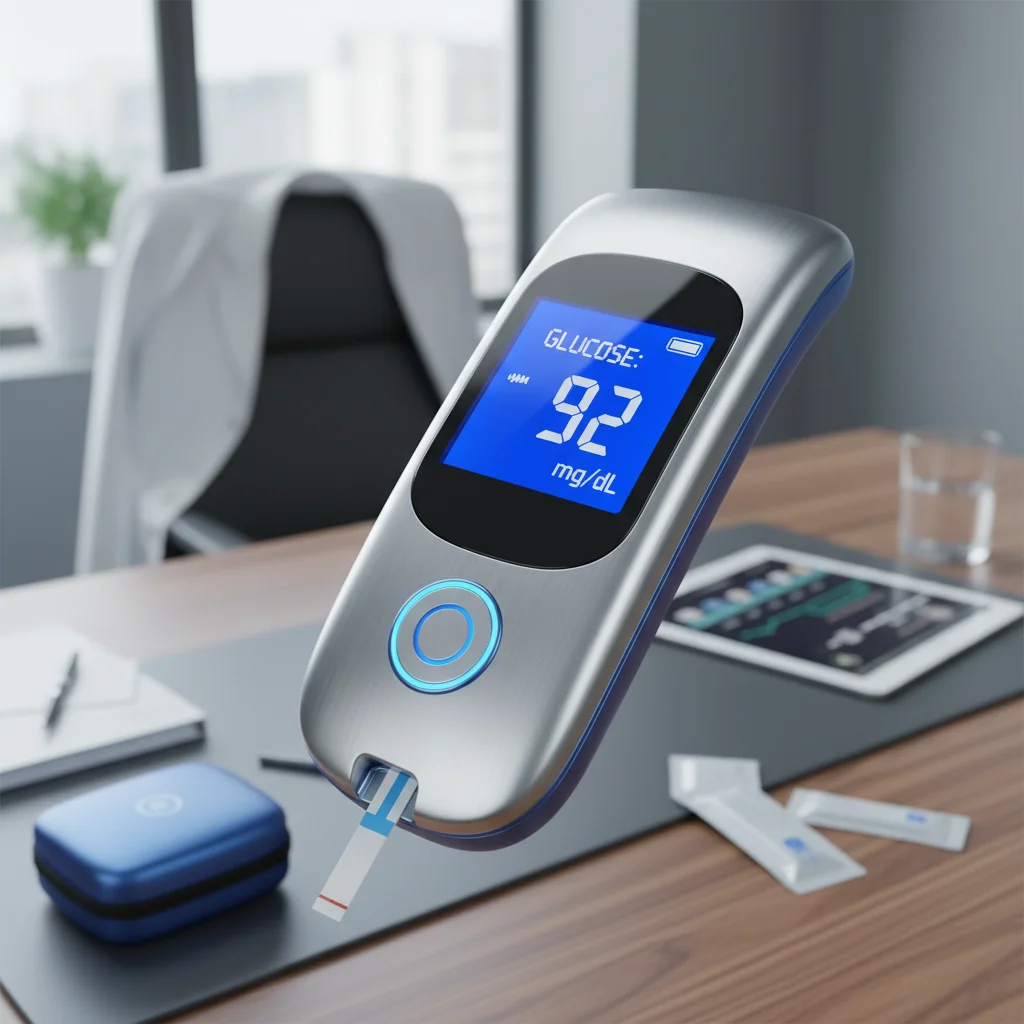
Managing diabetes requires consistent monitoring of glucose levels. Traditional methods can be inconvenient and often require finger pricks. Fortunately, advancements in technology have introduced glucose monitor patch products, offering a painless and continuous way to track your glucose. These patches, also known as continuous glucose monitors (CGMs), are revolutionizing diabetes management by providing real-time data and valuable insights into your body's response to food, exercise, and medication. This article will explore the benefits, features, and selection criteria for choosing the best glucose monitor patch to meet your individual needs.
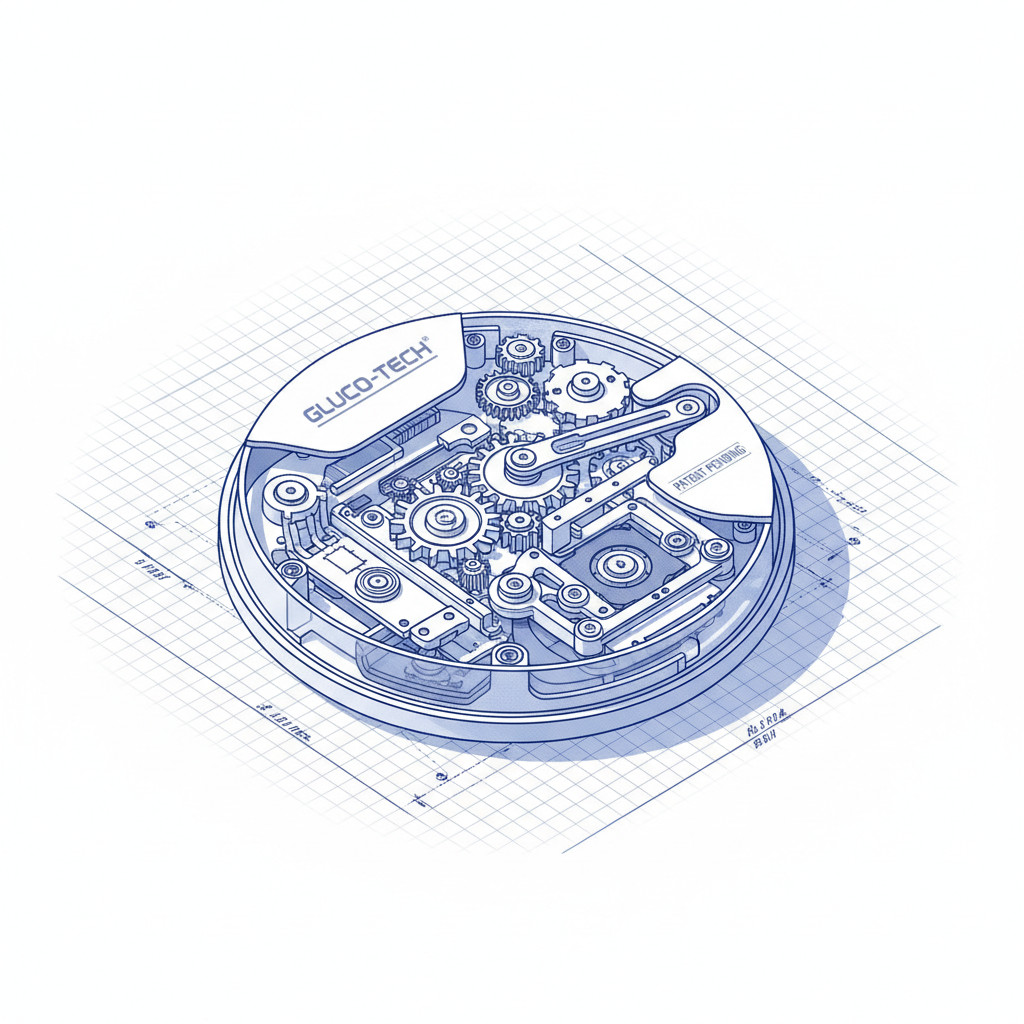
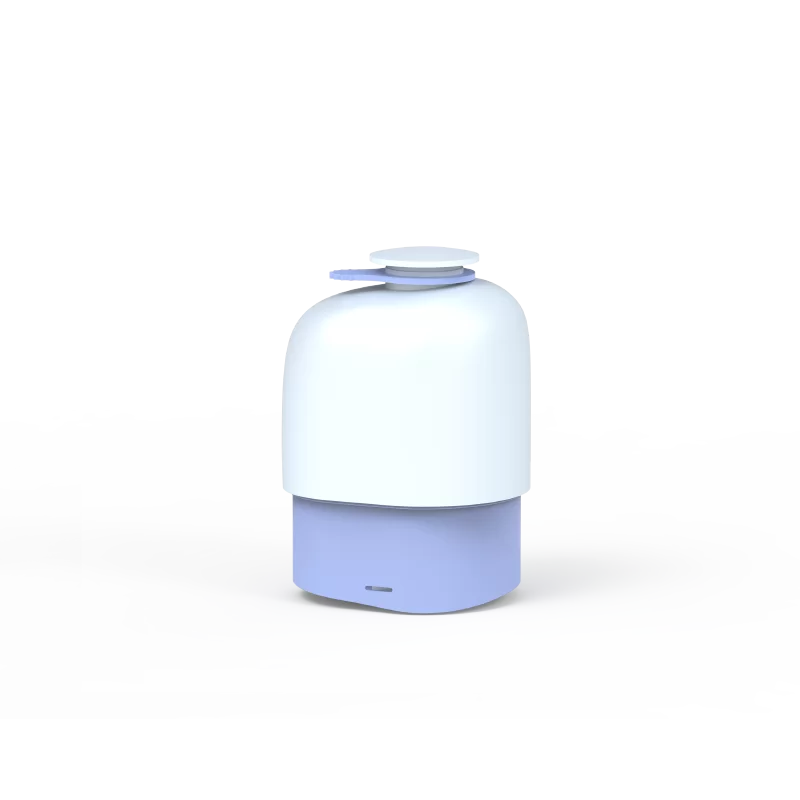
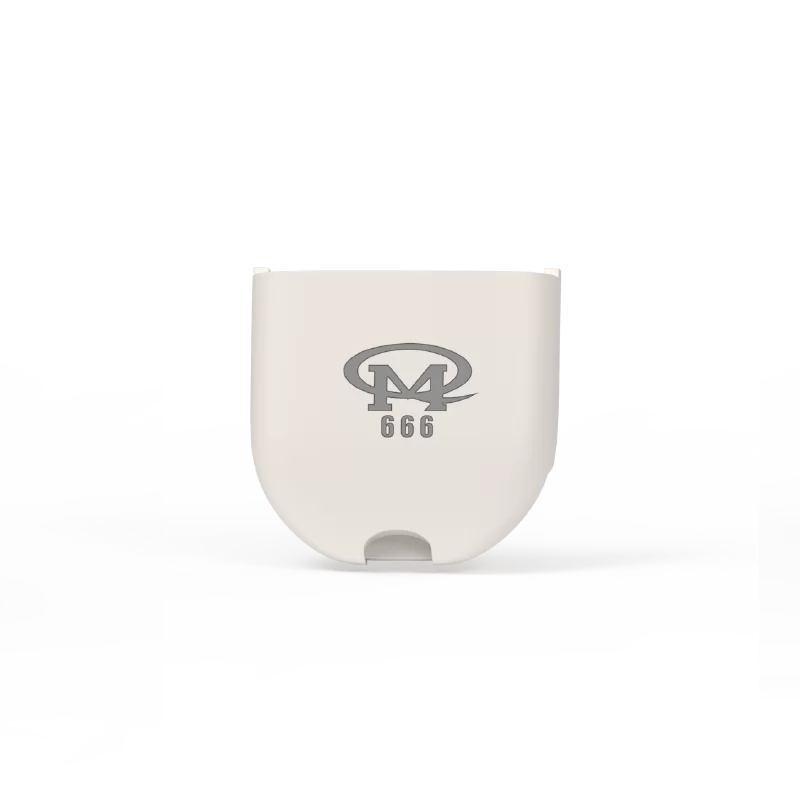
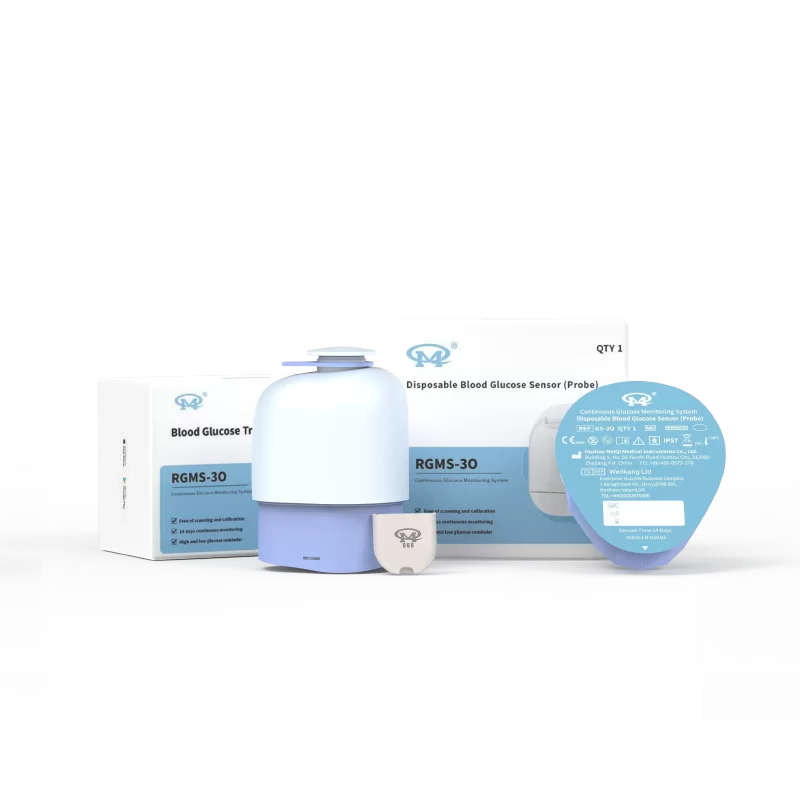
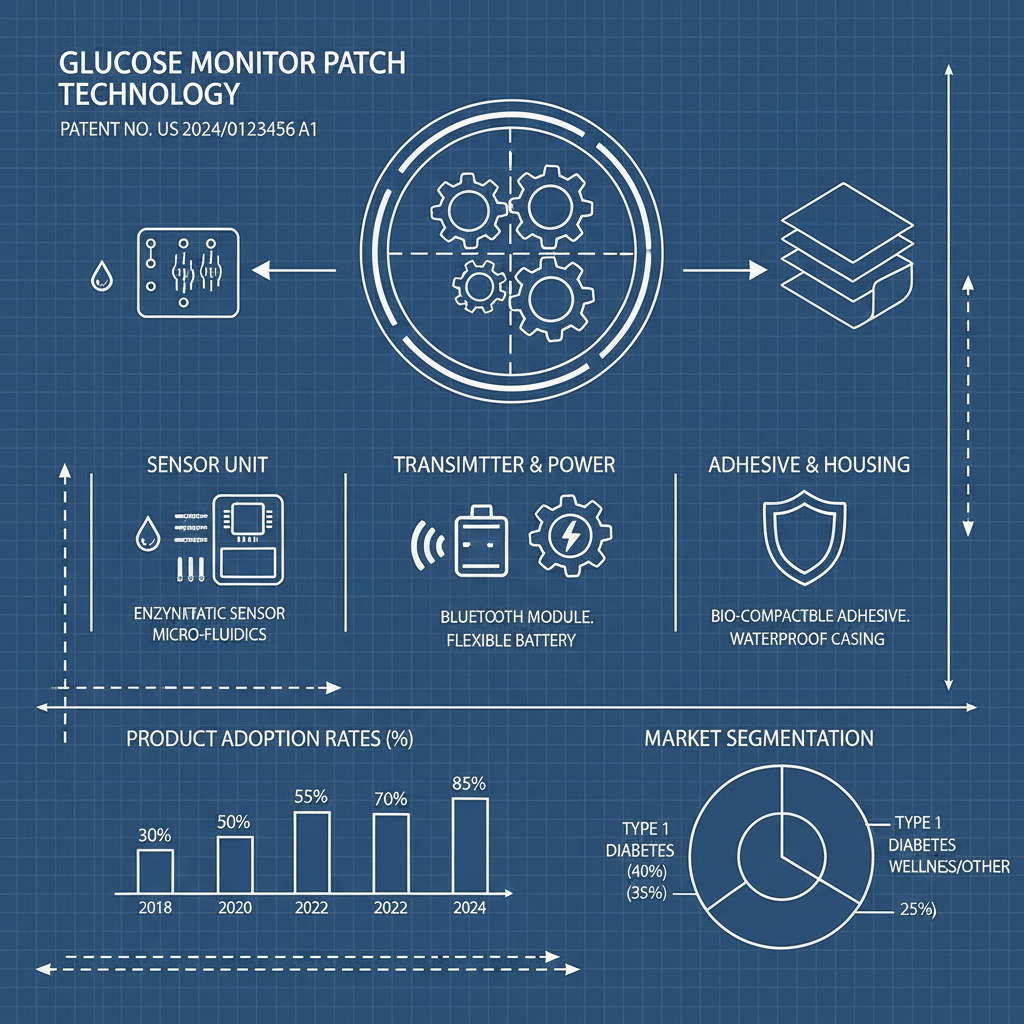
Glucose monitor patches work by inserting a small sensor just under the skin, typically on the abdomen or upper arm. This sensor measures glucose levels in the interstitial fluid (the fluid surrounding the cells) and transmits the data wirelessly to a receiver, smartphone app, or dedicated monitor. Unlike traditional glucose meters that provide a snapshot in time, CGMs offer a continuous stream of data, allowing you to identify trends and patterns in your glucose levels. This information empowers you to make informed decisions about your diet, exercise, and medication, ultimately leading to better glucose control and improved overall health. XMylCGM offers cutting-edge technology for precise and comfortable glucose monitoring.
Key Benefits: Painless and continuous glucose monitoring, real-time data, trend identification, improved glucose control, and enhanced quality of life.
When selecting a glucose monitor patch, several key features should be considered. Accuracy is paramount, as reliable data is crucial for making informed decisions. Comfort is also important, as you'll be wearing the patch for several days at a time. Consider the size, adhesion, and flexibility of the patch. Data transmission capabilities are another vital aspect; ensure the patch is compatible with your smartphone or other preferred receiving device. Battery life, sensor lifespan, and alarm features (for high or low glucose levels) are also important factors to evaluate. Finally, consider the overall cost, including the initial purchase price and ongoing sensor costs.
Essential Features Checklist:
• Accuracy and Reliability
• Comfort and Wearability
• Data Transmission and Compatibility
• Battery and Sensor Lifespan
• Alarm Features (High/Low Glucose)
Several glucose monitor patch products are available on the market, each with its own strengths and weaknesses. Here's a comparison of some popular options:
XMylCGM stands out as a leading provider of advanced glucose monitor patch products. We are committed to innovation, accuracy, and user experience. Our patches feature cutting-edge sensor technology, delivering highly reliable glucose readings. We also prioritize comfort and ease of use, ensuring our customers can seamlessly integrate glucose monitoring into their daily lives. Contact us today to learn more about how XMylCGM can help you take control of your health.
Choosing the right glucose monitor patch is a significant step towards better diabetes management. By providing continuous, real-time data, these devices empower you to make informed decisions and achieve optimal glucose control. XMylCGM is dedicated to providing innovative and reliable solutions to help you live a healthier, more active life.
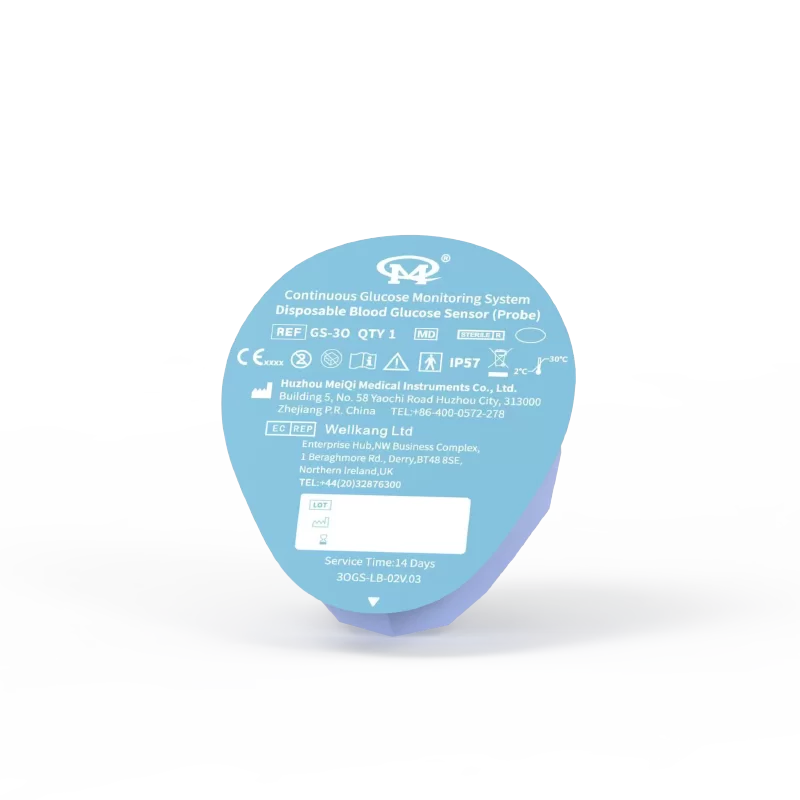
Most glucose monitor patch sensors are designed to be worn for 10-14 days. The specific lifespan varies depending on the brand and model. After this period, the sensor will need to be replaced to ensure continued accuracy. XMylCGM sensors offer a 14-day lifespan and are designed for optimal performance throughout that period.
The insertion process is generally painless for most users. The sensor is very small and designed to be inserted with minimal discomfort. Some people may experience a slight, temporary stinging sensation during insertion, but this quickly subsides. XMylCGM's sensor design minimizes insertion discomfort.
Glucose monitor patches are primarily designed for individuals with diabetes to help manage their blood sugar levels. While some people without diabetes may use them for biohacking or personal health tracking, it's important to consult with a healthcare professional before doing so. Continuous glucose monitoring can provide valuable insights into how your body responds to different foods and activities, but it's essential to interpret the data correctly with the guidance of a medical expert.