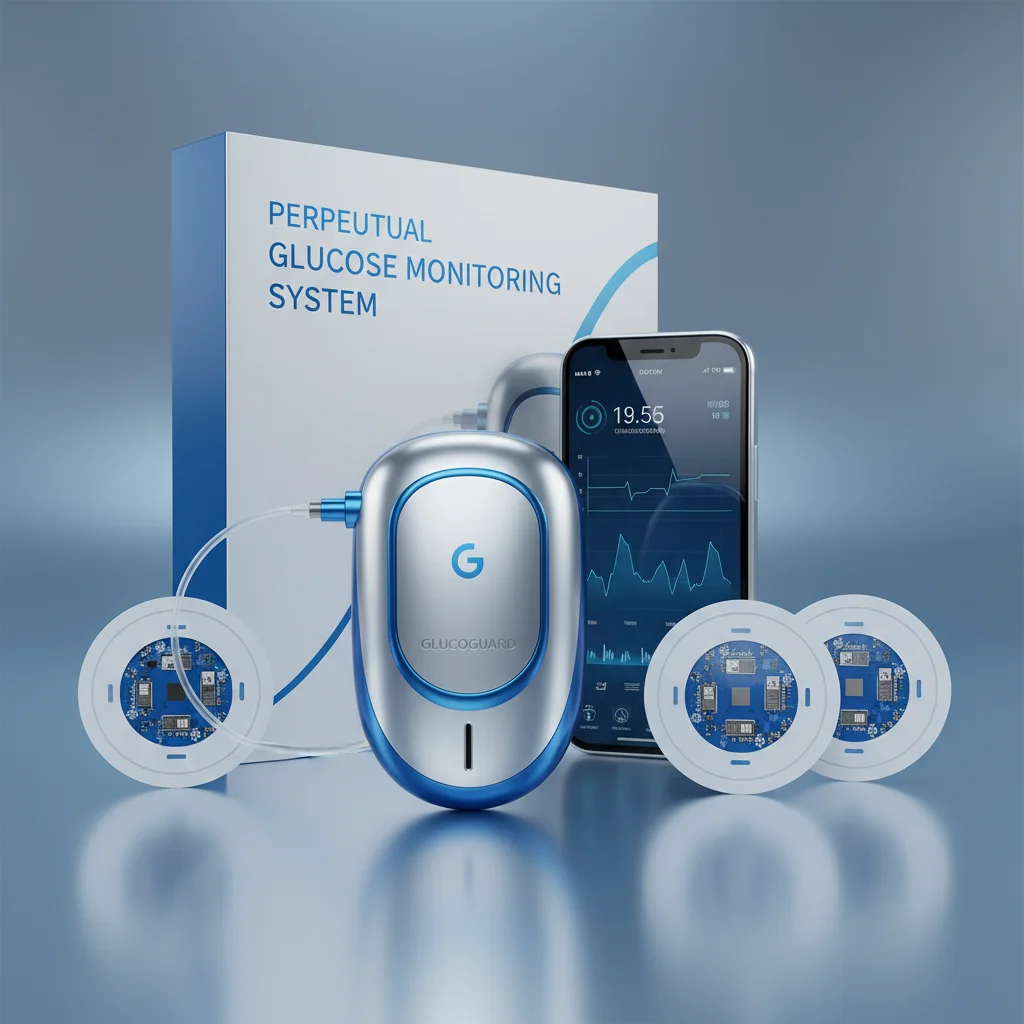
Managing blood sugar levels is crucial for individuals with diabetes or those at risk. Traditional methods often involve painful finger pricks, but advancements in technology have introduced non-invasive blood sugar glucose monitor products. These devices offer a pain-free way to track glucose levels continuously. This article will explore the benefits, technology, and available options in non-invasive glucose monitoring, helping you make an informed decision about your health. Staying proactive with your health is key, and exploring alternative methods like non-invasive monitoring can significantly improve your quality of life.

Non-invasive glucose monitoring utilizes various technologies to measure blood sugar levels without breaking the skin. Unlike traditional methods requiring a lancet, these systems aim to provide continuous glucose monitoring (CGM) through techniques such as radiofrequency, optical sensors, or ultrasound. This eliminates the discomfort associated with finger pricks and offers a more convenient way to manage diabetes. The ability to track glucose trends in real-time empowers users to make informed decisions about diet, exercise, and medication.
Key Benefits: Pain-free monitoring, continuous glucose data, improved diabetes management, convenient and discreet.
Several technologies are being developed and refined for non-invasive glucose monitoring. Radiofrequency (RF) devices emit radio waves to measure glucose concentration in interstitial fluid. Optical sensors, like Raman spectroscopy, analyze the way light interacts with glucose molecules. Ultrasound-based monitors use sound waves to determine glucose levels. Each method has its advantages and challenges, with ongoing research focused on improving accuracy and reliability. XMYLCGM is at the forefront of developing advanced CGM technology.
Technology Spotlight:
• Radiofrequency (RF): Measures glucose in interstitial fluid using radio waves.
• Optical Sensors: Analyzes light interaction with glucose molecules.
• Ultrasound: Uses sound waves to detect glucose levels.
The market for non-invasive glucose monitors is evolving, with several companies developing promising products. While currently, fully accurate and commercially available devices are still limited, numerous technologies are under development and undergoing clinical trials. Here’s a comparison of features and functionalities you may find in different models:
The field of non-invasive glucose monitoring is rapidly advancing. Researchers are continually refining existing technologies and exploring new approaches to improve accuracy and reliability. Artificial intelligence (AI) and machine learning are playing an increasingly important role in data analysis and pattern recognition, enhancing the precision of non-invasive measurements. XMYLCGM is committed to innovation in this area, aiming to deliver a truly calibration-free and accurate non-invasive CGM solution. The development of these technologies promises a future where managing diabetes is more convenient, comfortable, and empowering for individuals worldwide.
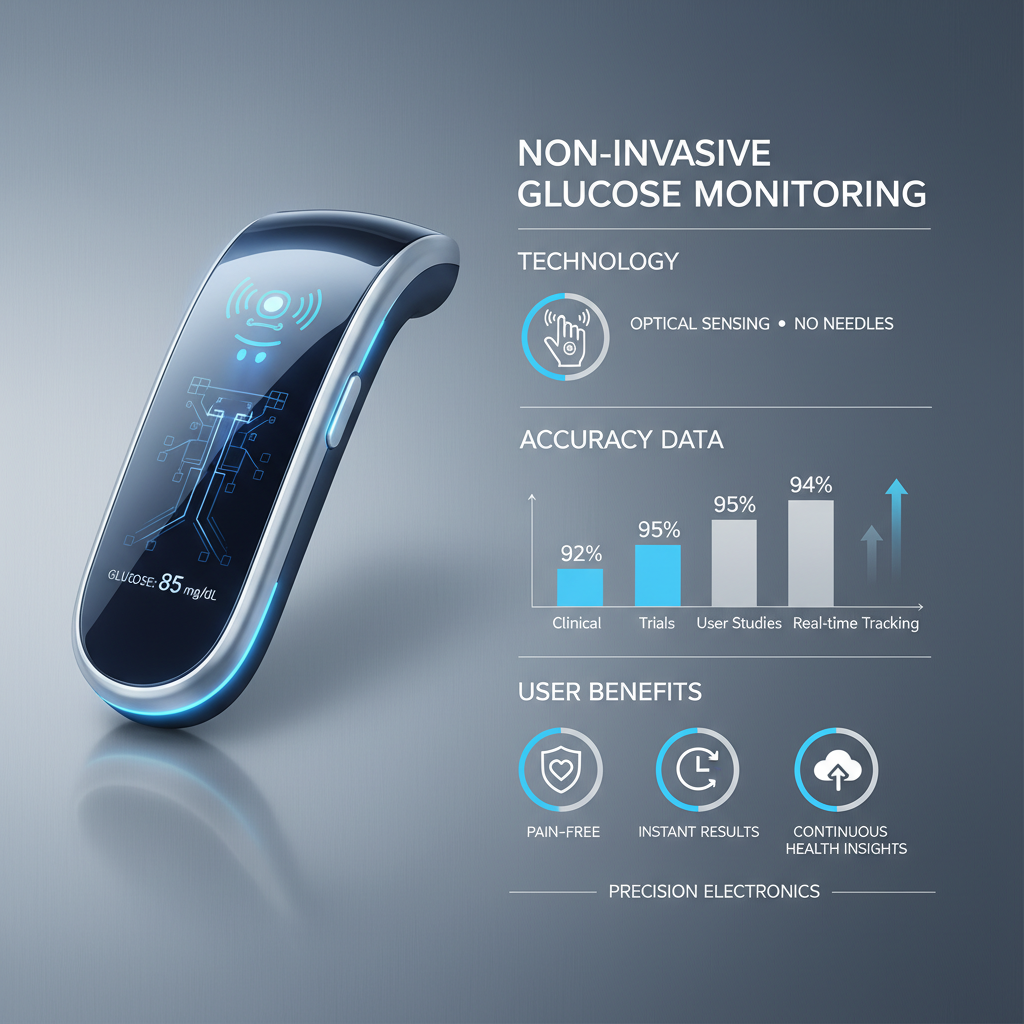
Non-invasive blood sugar glucose monitor products represent a significant step forward in diabetes management. While challenges remain in achieving widespread accuracy and affordability, ongoing research and development are paving the way for a future where pain-free glucose monitoring is a reality. Stay informed, consult with your healthcare provider, and explore the potential benefits of these innovative technologies.
Currently, most non-invasive glucose monitors do not yet match the accuracy of traditional finger-prick methods. However, ongoing research is continuously improving their precision. Accuracy can vary depending on the technology used, individual factors, and calibration requirements. It's crucial to discuss the limitations and potential benefits with your healthcare provider before relying solely on a non-invasive device. The goal is to develop devices that are not only pain-free but also provide reliable and accurate glucose readings for effective diabetes management.
Individuals who dislike or find it difficult to perform frequent finger pricks may be good candidates for non-invasive glucose monitoring. It’s also a suitable option for those who want to track glucose trends continuously without the pain and inconvenience of traditional methods. However, it’s essential to consult with your healthcare provider to determine if a non-invasive device is appropriate for your specific needs and medical condition. Factors such as your diabetes type, treatment plan, and overall health will be considered.
Calibration requirements vary depending on the specific device and technology. Some non-invasive monitors require daily calibration, while others may only need calibration weekly or even less frequently. XMYLCGM is actively working on developing calibration-free non-invasive glucose monitoring solutions. Accurate calibration is crucial for ensuring the reliability of glucose readings, so it’s essential to follow the manufacturer’s instructions carefully.
Insurance coverage for non-invasive glucose monitors varies depending on your insurance plan and the specific device. Currently, coverage may be limited as many of these devices are still considered investigational or experimental. It’s essential to check with your insurance provider to determine if a non-invasive monitor is covered and what the requirements are for reimbursement. As these technologies become more widely adopted and clinically validated, insurance coverage is likely to expand.