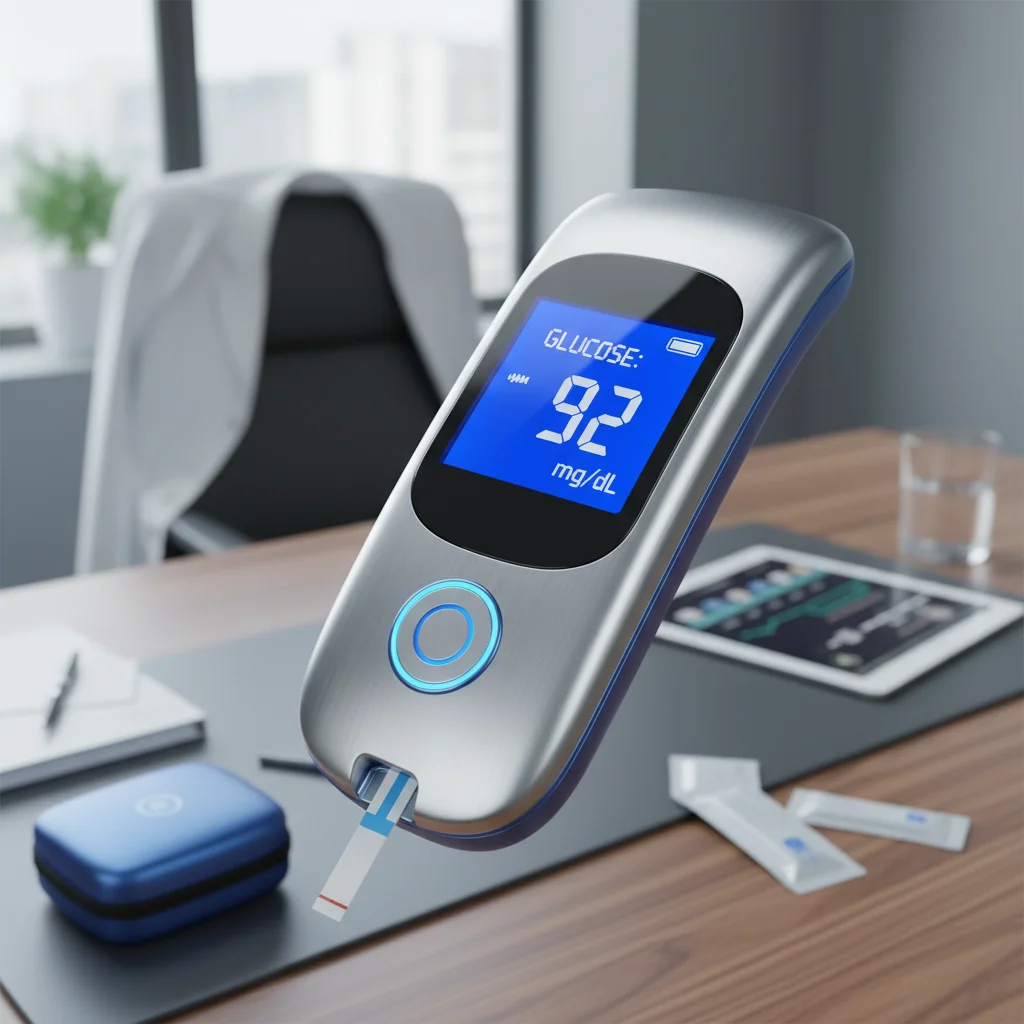
Managing diabetes effectively requires regular blood glucose monitoring. A reliable blood glucose monitor kit is essential for individuals with diabetes to understand how their body responds to food, exercise, and medication. This article provides a detailed overview of blood glucose monitor kits, focusing on features, types, and factors to consider when choosing the right kit for your needs. Accurate monitoring empowers individuals to make informed decisions about their health and maintain optimal blood sugar control. We’ll explore the benefits of continuous glucose monitoring (CGM) systems and traditional blood glucose meters (BGMs).
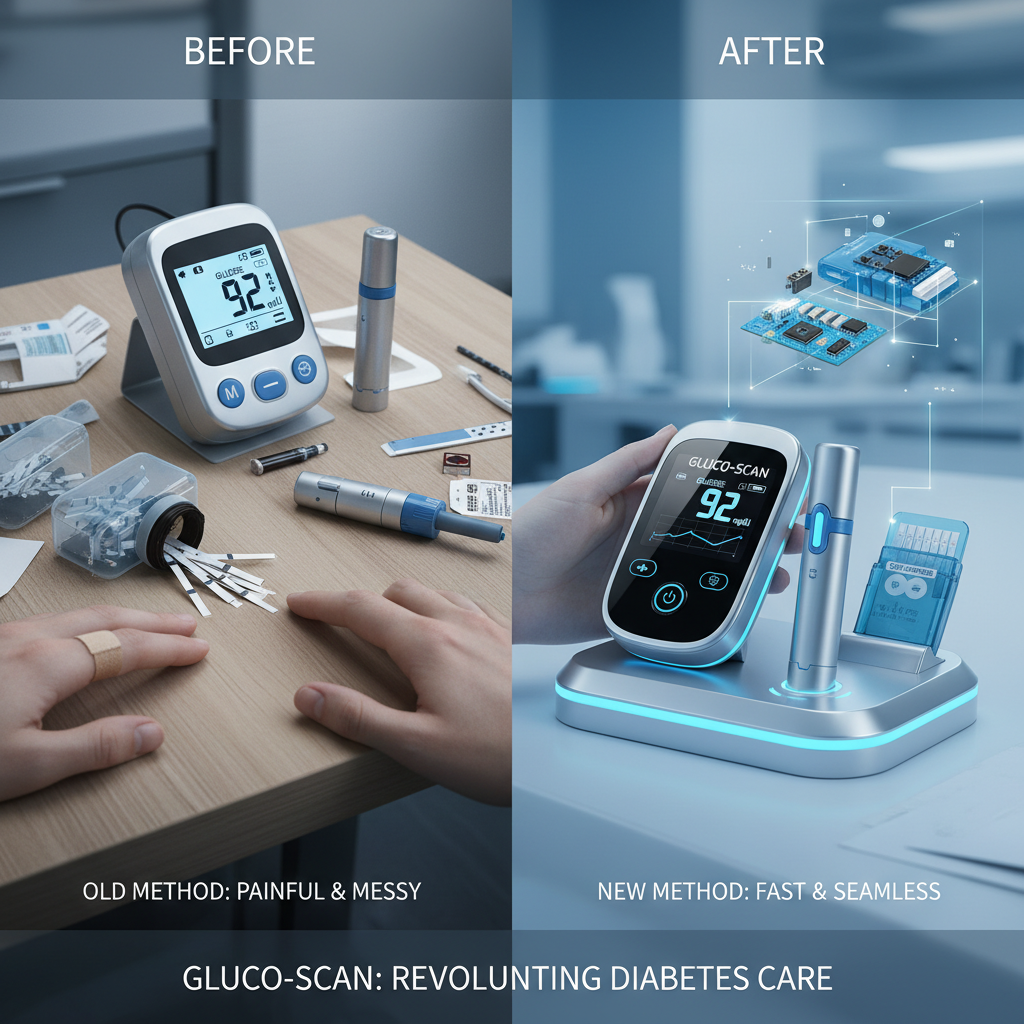
A blood glucose monitor kit typically includes a glucose meter, test strips, lancets (for obtaining blood samples), and a lancing device. Some kits may also include control solutions for verifying meter accuracy, carrying cases, and data management software or apps. The core function of these kits is to measure the concentration of glucose in a small blood sample, usually obtained from a fingertip. Choosing the right kit depends on individual needs, lifestyle, and budget. Features like memory capacity, display size, and connectivity options can significantly enhance the user experience. XMYLCGM offers a range of kits to suit different requirements.
Key Highlights: A blood glucose monitor kit typically includes a glucose meter, test strips, lancets, and a lancing device. Some advanced kits may include data management software or apps.
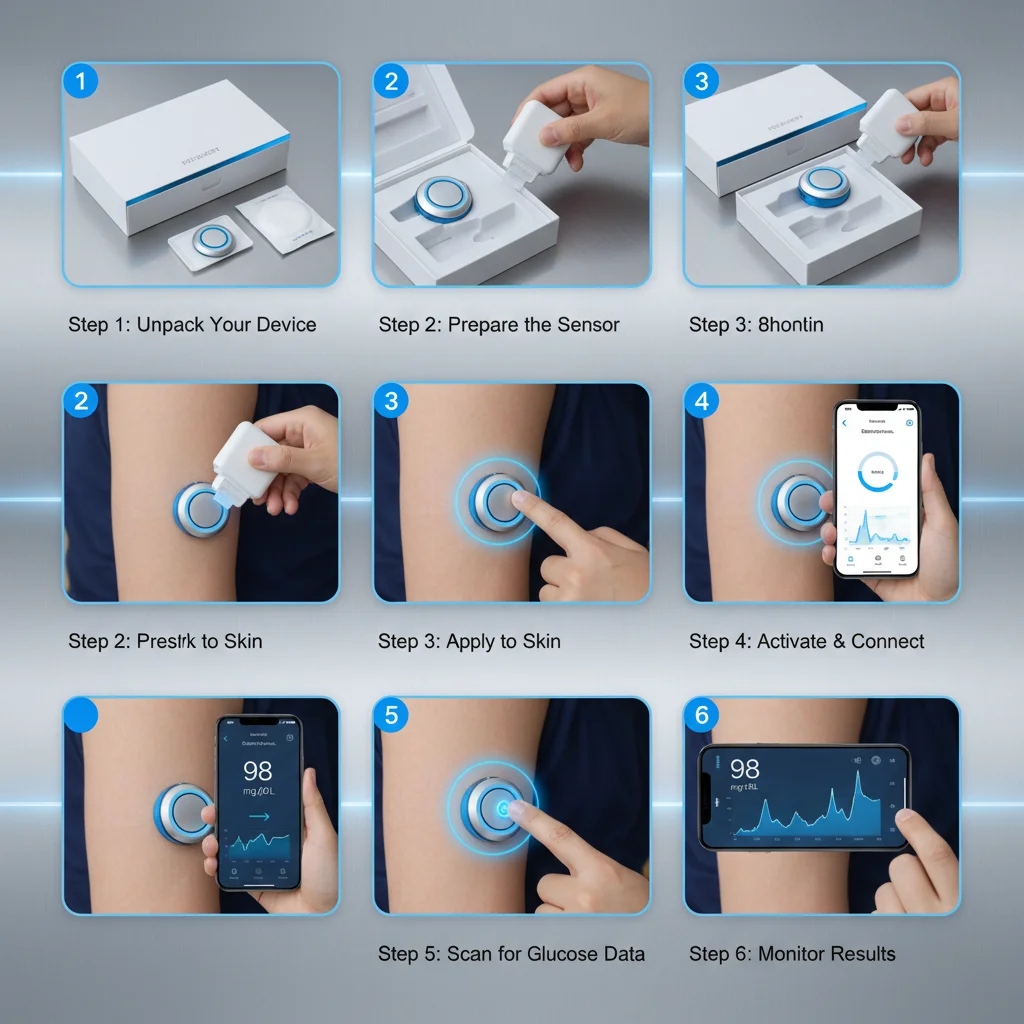
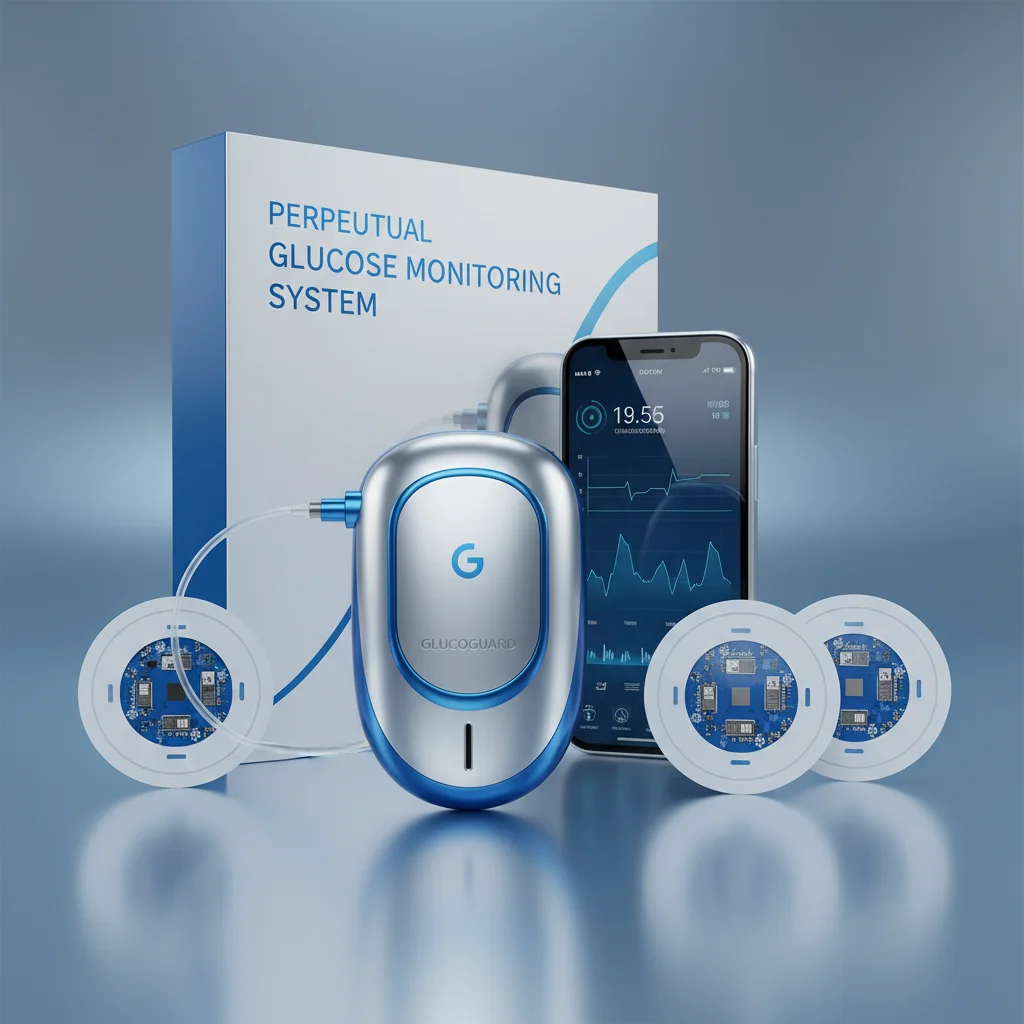
There are two main types of blood glucose monitoring systems: traditional blood glucose meters (BGMs) and continuous glucose monitors (CGMs). BGMs require a finger prick to obtain a blood sample and provide a snapshot of your blood glucose level at that specific moment. CGMs, on the other hand, use a small sensor inserted under the skin to continuously track glucose levels throughout the day and night. CGMs provide more comprehensive data and can alert users to trends and potential highs or lows. Selecting between a BGM and a CGM depends on individual needs and preferences. CGMs are particularly beneficial for individuals who require frequent monitoring or have difficulty managing their blood sugar levels.
BGM vs. CGM: A Quick Comparison
• BGMs require finger pricks for each reading.
• CGMs provide continuous glucose readings.
• CGMs can alert users to highs and lows.
• BGMs are generally less expensive than CGMs.
Several factors should be considered when choosing a blood glucose monitor kit. These include accuracy, ease of use, cost of test strips, memory capacity, display size, and connectivity options. Accuracy is paramount, so look for meters that meet international standards for glucose monitoring. Ease of use is also important, especially for individuals who are new to blood glucose monitoring. Consider the size of the display and the clarity of the readings. The cost of test strips can add up over time, so compare prices before making a purchase. Connectivity options, such as Bluetooth or Wi-Fi, allow you to easily transfer your data to a smartphone or computer for tracking and analysis.
XMYLCGM is dedicated to providing innovative and reliable blood glucose monitoring solutions. We offer a range of products, including both traditional BGMs and advanced CGMs, designed to meet the diverse needs of individuals with diabetes. Our commitment to accuracy, ease of use, and affordability sets us apart. We continually invest in research and development to improve our products and deliver the best possible experience for our customers. We are committed to helping you manage your diabetes effectively and live a healthier life. Our products are designed for simplicity and provide accurate, reliable results.
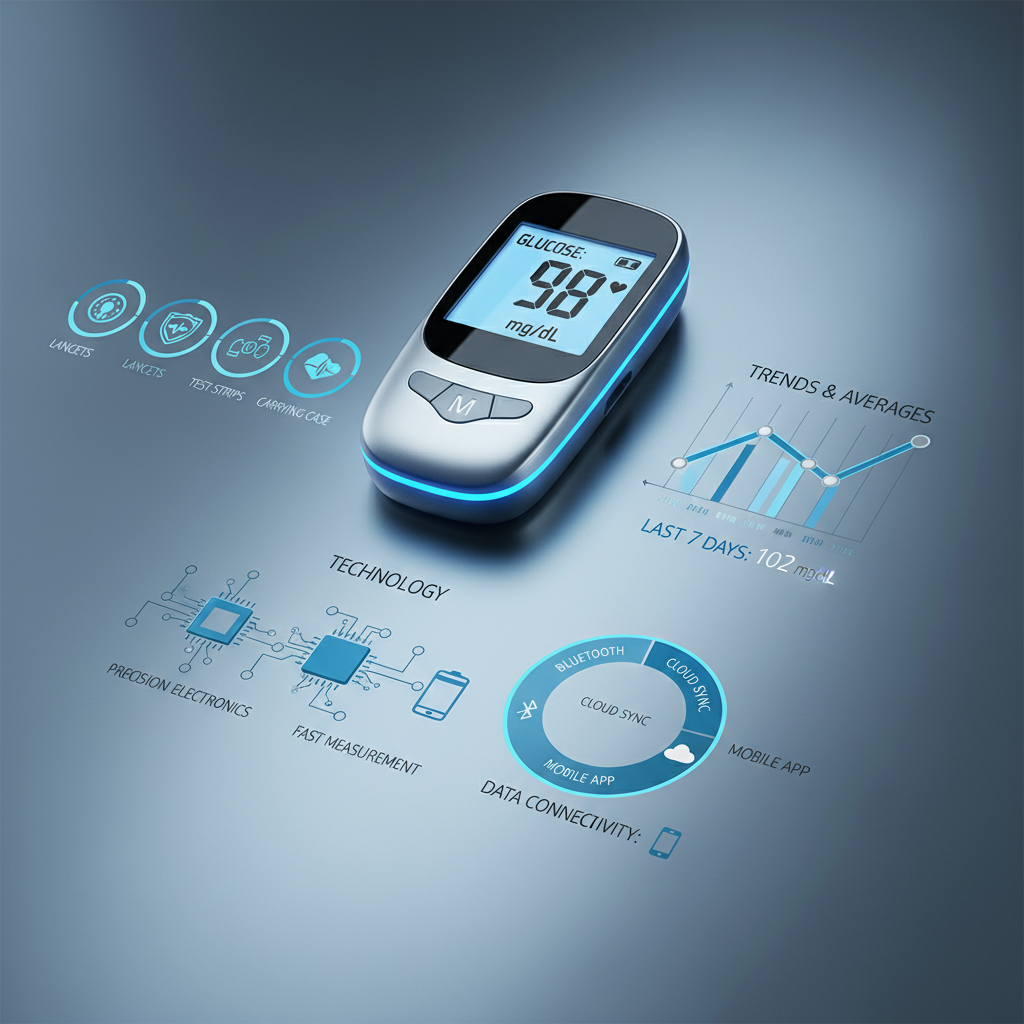
Our flagship CGM system features real-time glucose monitoring, customizable alerts, and data sharing capabilities. The BGM kits offer fast and accurate results with minimal blood sample requirements. Below is a table summarizing the specifications of our most popular models:
Choosing the right blood glucose monitor kit is a crucial step in managing diabetes effectively. Whether you opt for a traditional BGM or an advanced CGM, accurate monitoring empowers you to make informed decisions about your health. At XMYLCGM, we are committed to providing innovative and reliable solutions to help you live a healthier, more fulfilling life. Don’t wait, take control of your diabetes today.
The frequency of blood glucose monitoring depends on several factors, including the type of diabetes you have, your treatment plan, and your individual needs. Individuals taking insulin typically need to check their blood glucose more frequently, often before meals, after meals, and before bedtime. Those managing diabetes with diet and exercise may only need to check their blood glucose a few times a week. It is essential to follow your doctor’s recommendations regarding how often to monitor your blood glucose levels. Regular monitoring helps you understand how your body responds to food, exercise, and medication, and allows you to adjust your treatment plan as needed.
Coverage for blood glucose monitors and test strips varies depending on your insurance plan. Many insurance plans cover at least a portion of the cost of these supplies, but you may be required to meet a deductible or pay a co-pay. It is recommended to contact your insurance provider to determine your specific coverage benefits. Some manufacturers also offer assistance programs to help cover the cost of supplies for individuals who qualify.
Proper storage of blood glucose test strips is essential to maintain their accuracy. Test strips should be stored in a cool, dry place, away from direct sunlight and moisture. Keep the container tightly closed to prevent the strips from absorbing moisture from the air. Do not store test strips in the refrigerator or freezer, as this can damage them. Always check the expiration date on the test strip container before using them. Using expired test strips can lead to inaccurate readings.