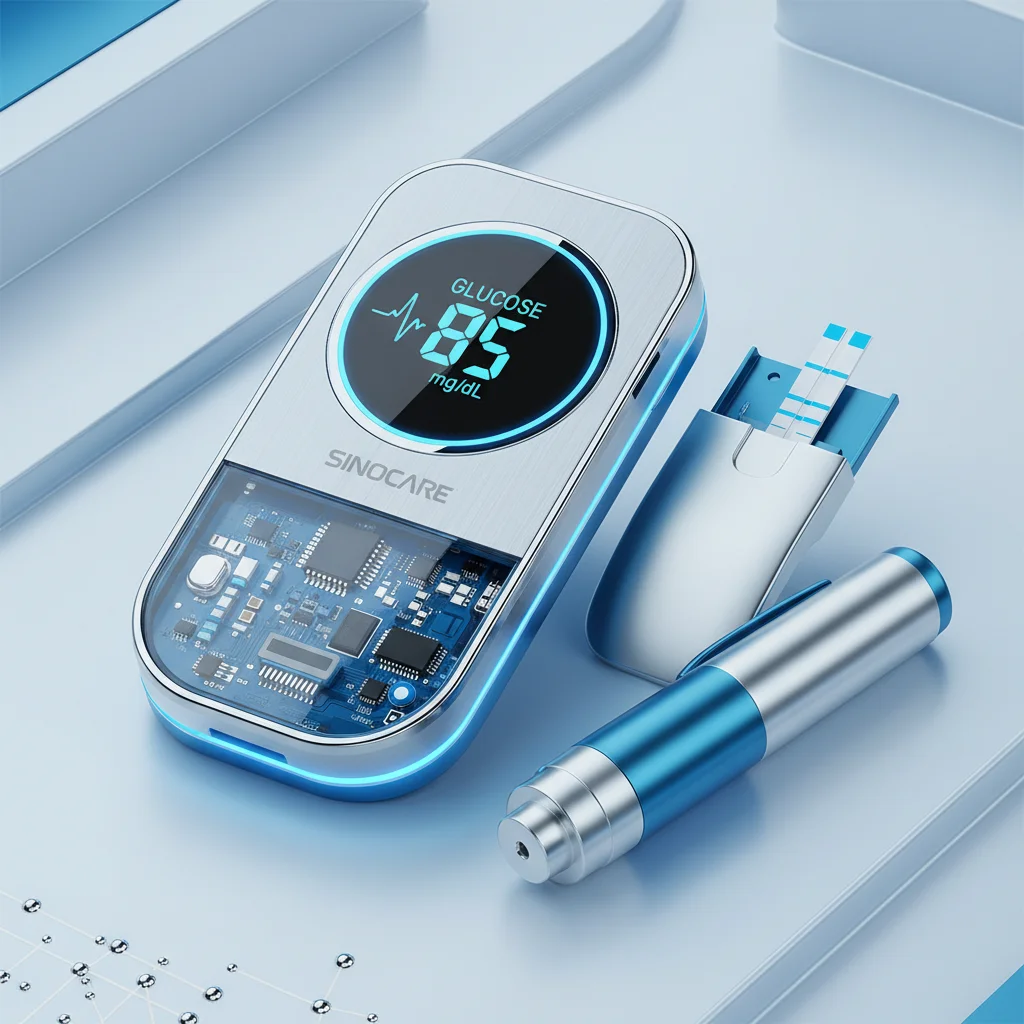

The international medical device industry is undergoing a wave of digitization, fueled by demographic shifts, chronic disease prevalence, and the integration of sensor-based diagnostics into everyday patient care. Among these transformations, Continuous Glucose Monitoring (CGM) systems have established themselves as a vital component of modern diabetes management. From hospitals to home health monitoring, CGM technology has become one of the most rapidly expanding segments in the global medical electronics market.
While CGM adoption was once limited to high-end clinical environments, recent advancements in biosensing materials, manufacturing automation and software ecosystems have broadened accessibility and reduced barriers to usage. During this process, China has emerged as one of the fastest-growing suppliers of CGM systems and related components to markets across Asia, Europe, the Middle East, and the Americas. The rise of Chinese CGM exporters reflects a broader trend: medical technology globalization driven by manufacturing scalability, affordability, supply chain maturity and compliance capabilities.
Traditional glucose testing—based on finger-prick blood sampling—provides only isolated data points. This makes it difficult to detect overnight hypoglycemia, postprandial glucose spikes, and long-term glycemic variability. By contrast, CGM systems continuously record interstitial glucose levels throughout the day, providing:
1. Real-time glucose curves
2. Trend arrows and alerts
3. Time-in-range analysis
4. Historical glucose pattern reporting
These analytical capabilities improve patients’ understanding of glucose dynamics, support more effective insulin therapy, and help clinicians make data-driven treatment decisions. As a result, CGM systems are rapidly transitioning from optional tools to standard management devices for Type 1 and increasingly Type 2 diabetes patients.
Beyond direct clinical outcomes, CGM technology addresses broader healthcare challenges:
● Reducing complications: Early detection of hypoglycemia/hyperglycemia prevents emergency hospitalizations.
● Lowering healthcare costs: Better glucose control mitigates long-term complications such as neuropathy, retinopathy and cardiovascular disease.
● Supporting telemedicine: Remote data platforms facilitate doctor-patient communication and proactive interventions.
These advantages explain why the CGM market continues to expand at double-digit growth rates worldwide.
Several forces are shaping the global demand for CGM systems and influencing exporter strategies:
Urbanization, sedentary behavior and dietary changes are contributing to a global diabetes burden. Regions such as Southeast Asia, Latin America and the Middle East exhibit some of the fastest increases in diabetes incidence. This creates long-term structural demand for glucose monitoring technologies.
Governments and healthcare systems increasingly support remote chronic disease monitoring through reimbursement models, digital care platforms and telehealth guidelines.
Coverage for CGM sensors, readers and supplies has expanded in countries like the U.S., Germany, Japan and South Korea—accelerating adoption beyond severe patient segments.
The convergence of medical-grade sensing and consumer UX design is making CGM devices more accessible, compact and user-friendly. Integration with smartphones, cloud platforms and AI analytics closes the loop between data acquisition and medical decision-making.
Exporting CGM systems requires alignment with international certification frameworks such as ISO 13485, EU MDR, FDA regulations, and regional device registration systems. Chinese exporters who possess strong compliance competencies gain significant competitive advantages in global markets.
These combined elements are not temporary trends—they represent deep structural changes in how chronic diseases are managed worldwide.
China plays a central role in exporting CGM-related technologies and medical components due to several competitive factors:
✔ Mature sensor and electronic supply chains
✔ Advanced manufacturing automation and cost optimization
✔ Extensive OEM/ODM experience for international markets
✔ Strong materials and biosensing R&D capabilities
✔ Rapid regulatory adaptation and market compliance strategies
While early CGM technologies were dominated by a small number of Western companies, the supply chain has diversified considerably. Today, Chinese manufacturers serve both branded product lines and supporting component markets, including:
1. CGM sensor modules
2. Medical adhesives and wearables
3. Reader and terminal devices
4. Software and interface support
5. Packaging and sterilization processes
As CGM adoption expands into emerging regions with cost-sensitive healthcare systems, Chinese exporters are uniquely positioned to accelerate accessibility without compromising core clinical performance.
Within this evolving export ecosystem, Huzhou Xinmei Medical Device Co., Ltd. stands out as a specialized developer and supplier of continuous glucose monitoring solutions. Based in Zhejiang, China, Xinmei Medical focuses on bridging biosensing technologies with scalable global deployment, offering components and finished solutions suitable for hospitals, distributors, and telehealth platforms.
Xinmei Medical’s strengths align with the direction of global CGM expansion, including:
● Sensor and Biocompatible Material Research
The company invests in sensor stability, skin compatibility and low-pain insertion materials—key to patient comfort and long-duration wear.
● Medical-Grade Manufacturing Capabilities
Controlled production environments, batch traceability and calibration processes ensure consistent sensor performance during export.
● Integrated Product Architecture
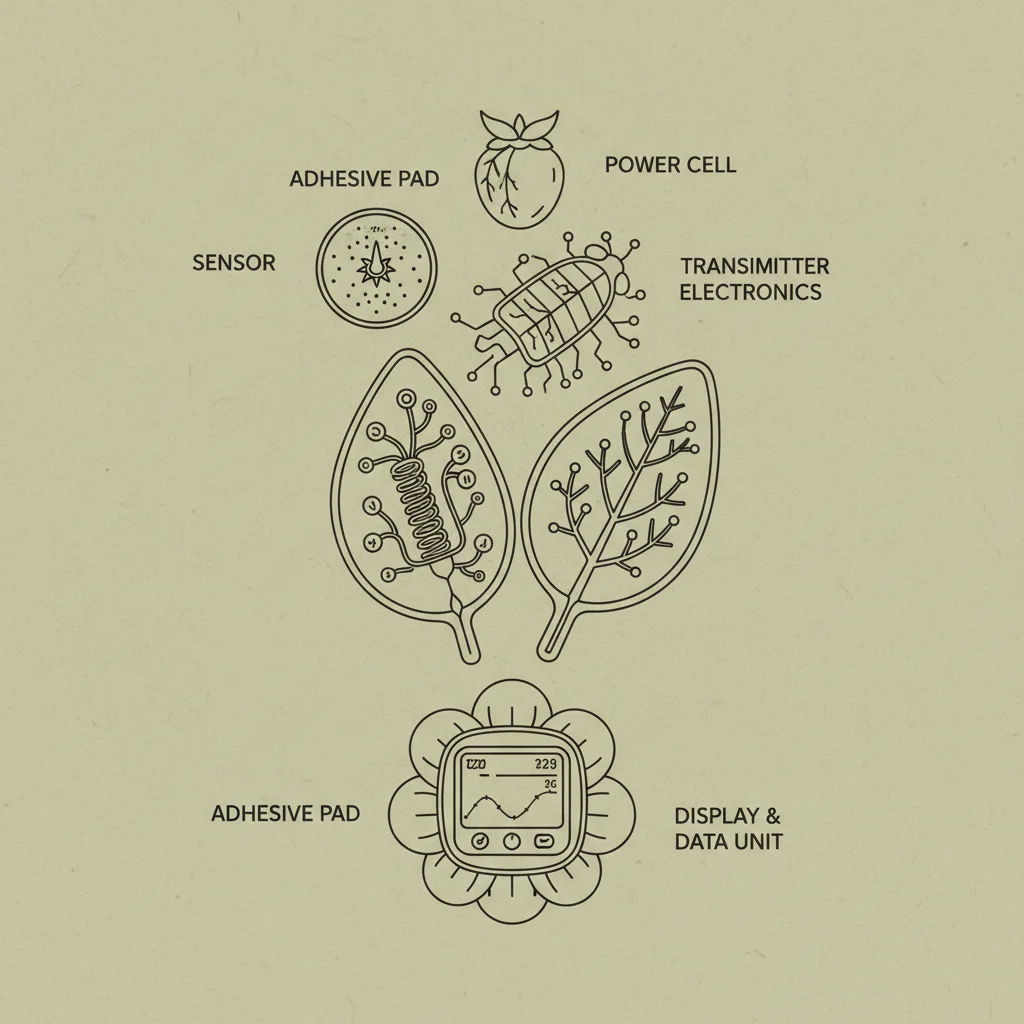
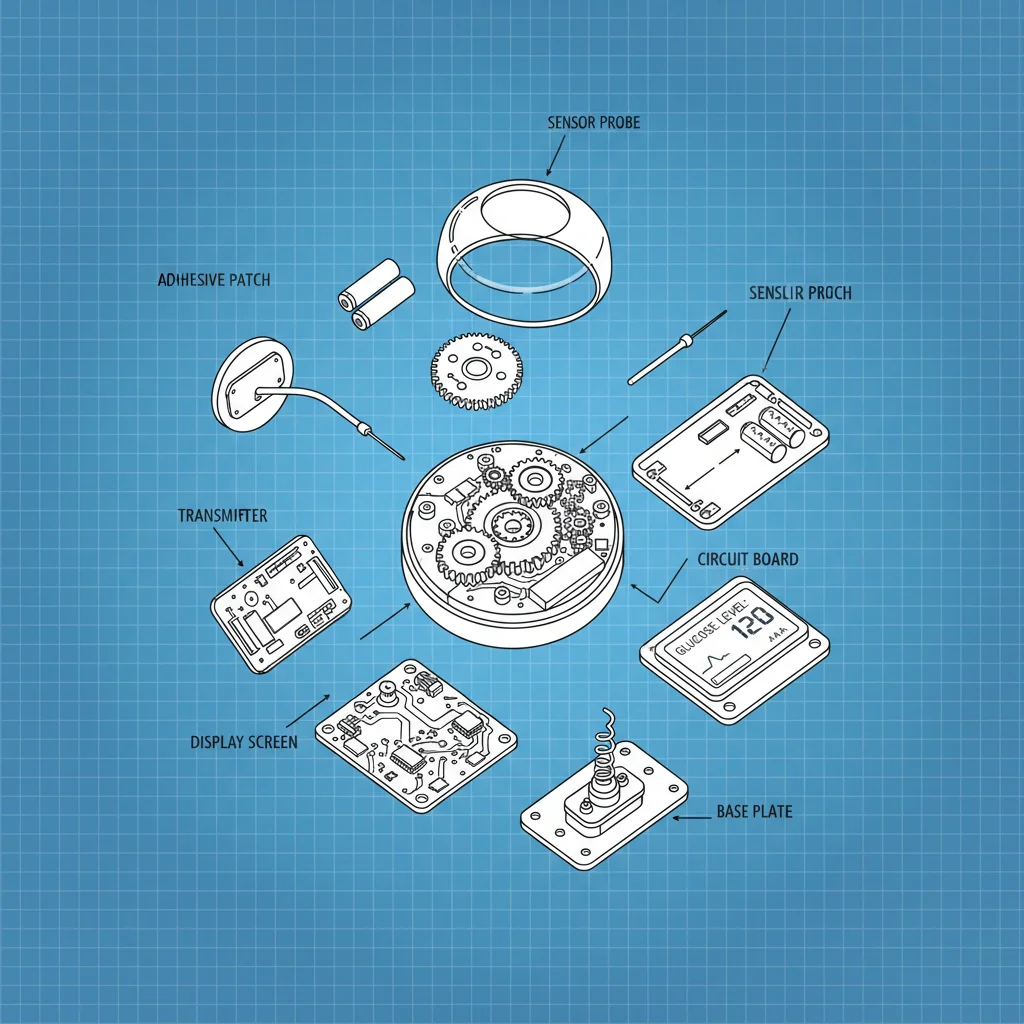
Xinmei Medical builds ecosystems that include CGM sensors, terminal display units, adhesive accessories and data interface support.
● International Market Orientation
Compliance, documentation and export experience enable Xinmei Medical to serve multi-regional customers with varying regulatory frameworks.
This combination of scientific development and export infrastructure positions Xinmei Medical among the emerging leaders in China’s CGM export sector.
The global CGM industry is now entering a new phase characterized by:
CGM usage will extend beyond Type 1 diabetes to Type 2 diabetes, prediabetes and lifestyle health applications, due to better affordability and insurance support.
The integration of CGM with insulin pumps and AI-driven insulin delivery systems represents the next frontier—creating automated solutions that reduce manual decision-making.
Data from CGM systems will support population health analytics, AI pattern detection, and personalized treatment optimization.
Lower-cost sensors, improved wear duration and expanded reimbursement policies will shape global adoption rates—especially in developing regions.
Chinese exporters will increasingly supply both complete devices and specialized components, enabling international brands to accelerate product deployment.
Companies like Xinmei Medical that combine biosensing R&D, manufacturing discipline and export compliance are positioned to support this structural growth.
Continuous glucose monitoring has transitioned from a specialized diagnostic technology into a cornerstone of global chronic disease management. As diabetes prevalence grows and healthcare systems adopt digital and remote monitoring tools, CGM systems are becoming essential infrastructure for both clinical and household applications.
China’s emergence as a major exporter of CGM technologies reflects its broader role in medical device modernization—delivering scalable, research-driven and globally compliant manufacturing solutions. Huzhou Xinmei Medical Device Co., Ltd. represents this new generation of exporters, contributing to worldwide CGM adoption through integrated product development and international market capabilities.
For product inquiries, distribution partnerships or technical cooperation, visit the official website:
https://www.xmylcgm.com/