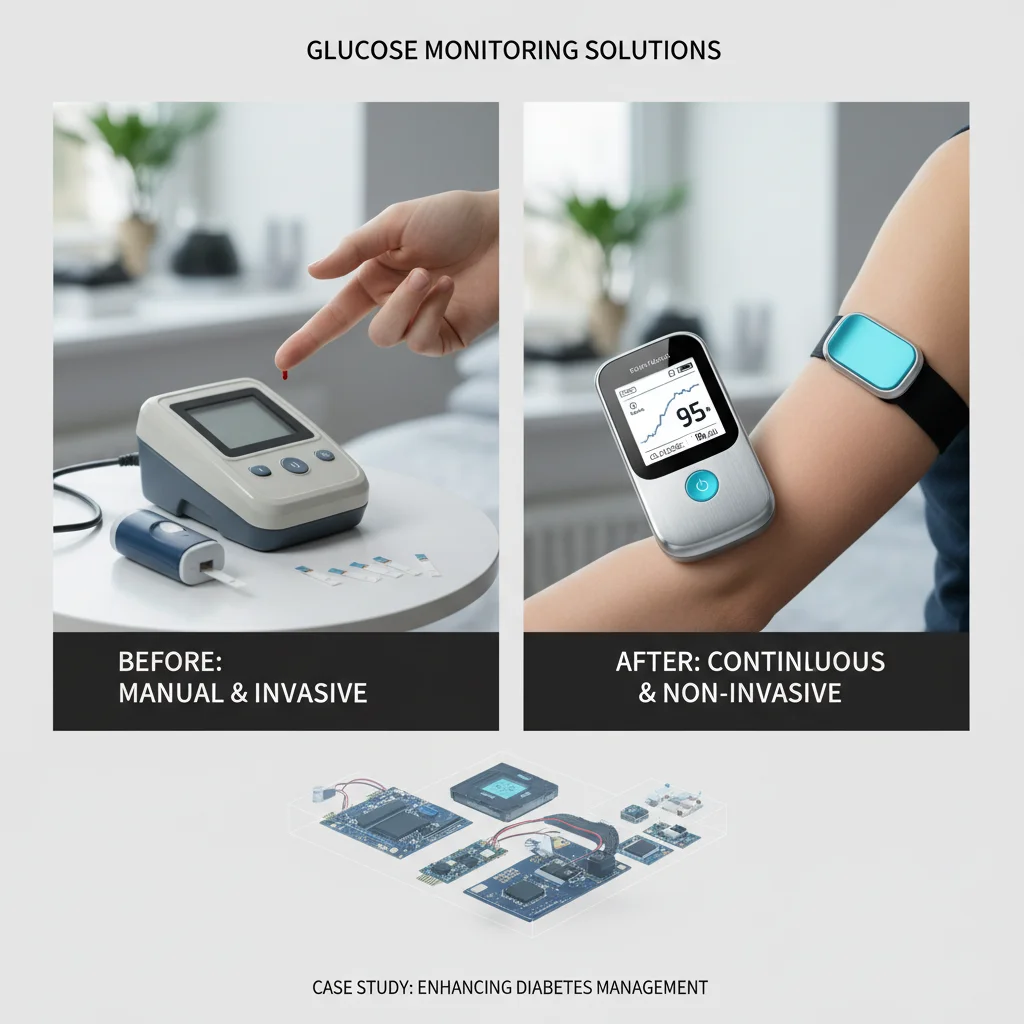

Over the past decade, the global healthcare landscape has undergone a profound transformation fueled by advances in digital diagnostics, sensor technologies, and personalized medicine. One of the most influential shifts has occurred in the field of chronic disease management, where diabetes care has transitioned from reactive symptom treatment to proactive, data-driven health monitoring. Within this context, Continuous Glucose Monitoring (CGM) systems have become a pivotal tool and one of the fastest-expanding categories in the medical device industry.
CGM technology leverages microsensors, biocompatible materials, wireless communication modules and data analytics platforms to monitor glucose levels in real time. This breakthrough allows clinicians and patients to view continuous glucose profiles rather than sporadic readings, significantly reducing the risk of unrecognized hypoglycemia, improving insulin dosing accuracy and enhancing long-term metabolic management. As healthcare digitization accelerates and remote patient monitoring becomes mainstream, CGM systems are increasingly seen not simply as medical devices but as integral components of a connected healthcare ecosystem.
The CGM sector is being shaped by a combination of medical need, technological capability and policy support. Several global trends define its current trajectory:
1. Rising Diabetes Prevalence and Health Burden
The worldwide population with diabetes continues to grow, driven by lifestyle, aging demographics and metabolic disorders. Beyond the immediate clinical concerns, diabetes imposes massive social and economic costs in the form of complications, disability, hospitalizations and reduced work productivity. CGM systems, by providing earlier detection and optimized glucose control, have repeatedly been shown to reduce hospitalization rates and lower the risk of chronic complications.
2. Expansion of Remote and At-Home Medical Diagnostics
Technologies that once belonged exclusively in hospital settings have now entered homes. Remote monitoring—supported by telemedicine platforms, mobile apps, and wearable sensors—helps reduce the strain on healthcare systems and empowers patients to take control of their conditions.
3. Integration of Data, AI and Personalized Healthcare
CGM data feeds modern decision-support tools. Algorithms can identify glucose patterns, predict hypoglycemic events, or recommend insulin adjustments. As AI and machine learning continue to advance, they will become fundamental to diabetes management workflows.
4. Increasing Regulatory and Reimbursement Support
More healthcare systems around the world are including CGM under insurance or governmental reimbursement programs. This not only expands adoption but signals CGM’s transition from luxury device to clinical standard.
5. Convergence of Consumer Wearables and Medical-Grade Sensors
The increasing overlap between medical technology and consumer electronics is pushing glucose monitoring toward convenience, comfort and unobtrusive design. This convergence is shaping the next generation of device form factors and user experiences.
Together, these elements create a fertile environment for CGM manufacturers to innovate, scale and expand into global markets.
Although CGM systems originated as specialized hospital equipment, the sector has evolved significantly. The modern CGM value chain encompasses:
1. biosensors and biocompatible materials
2. microelectronics and low-power communication
3. mobile software and data interfaces
4. cloud platforms and telemedicine integration
5. medical adhesives and wearable ergonomics
6. regulatory and clinical validation frameworks
This shift represents a transition from purely hardware-focused products to full-stack health solutions. As a result, competitive advantage in CGM manufacturing no longer depends solely on sensor accuracy, but also on:
✔ user comfort and wearability
✔ real-time data accessibility
✔ clinical usability and integration
✔ data analytics and physician support
✔ international compliance certification
✔ supply chain scalability and affordability
Companies that can bridge these areas are best positioned to define the future CGM landscape.
Within this rapidly evolving sector, Huzhou Xinmei Medical Device Co., Ltd. has emerged as a specialized manufacturer focused on CGM systems and their connected components. Based in Zhejiang, China, Xinmei Medical represents a new generation of medical device companies that integrate scientific research, technology manufacturing and data interoperability.
Xinmei Medical builds its competitive position on a combination of:
1. sensor research and biosensing technology
2. biocompatible material optimization
3. medical-grade production environments
4. component synergy (sensor + adhesives + terminals)
5. data interface and software adaptability
6. international certification and market compliance
This integrated manufacturing and development model allows Xinmei Medical to produce CGM solutions that are suitable for both clinical and household settings.
Xinmei Medical’s product architecture spans multiple segments of the CGM ecosystem, including:
● CGM Sensor Components
Designed for continuous glucose reading with stable sampling intervals, low-latency data transmission and improved skin tolerance during insertion and wear.
● Terminal Display Units and Reader Devices
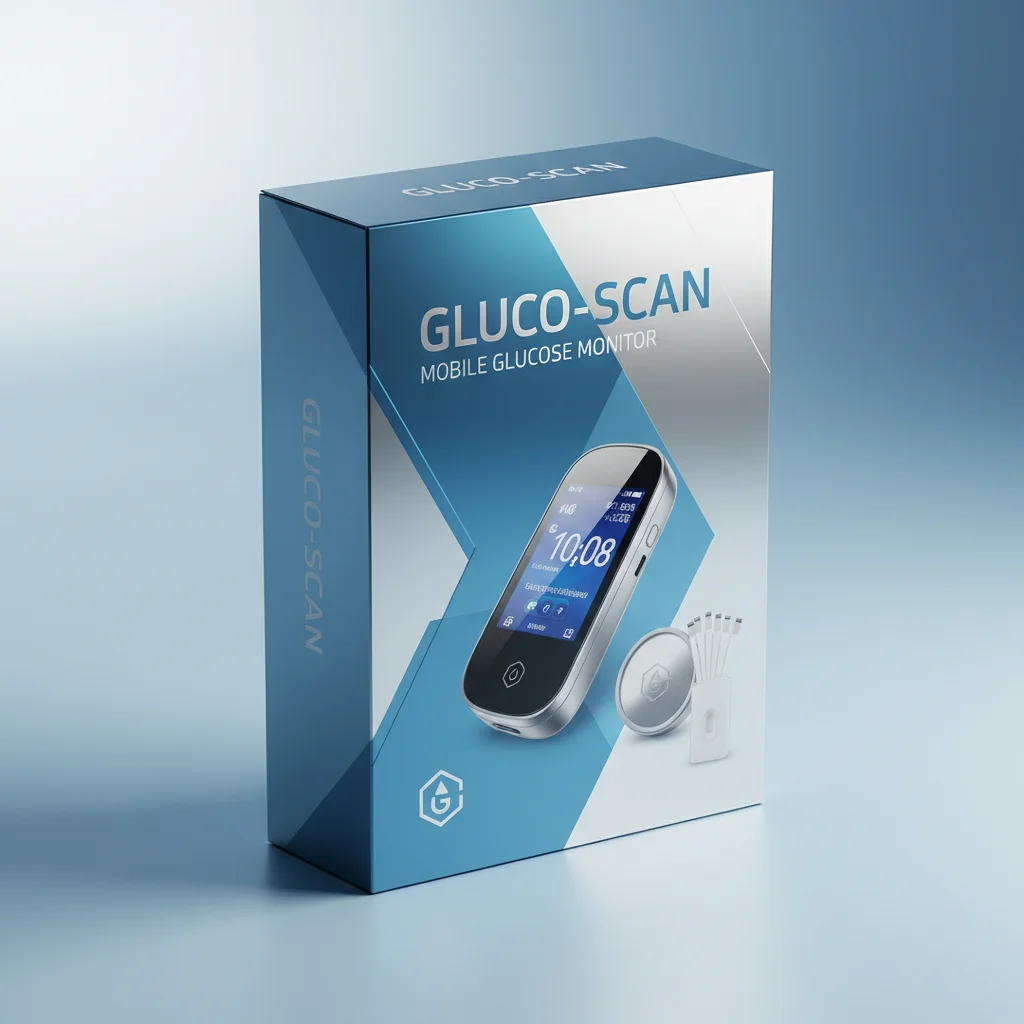
Providing trend curves, time-in-range metrics, event alerts, and historical reports that clinicians and patients can both interpret.
● Medical-Grade Adhesive Materials and Wearable Kits
Ensuring that sensors remain secure during daily movement, exercise, sweating or prolonged wear, while minimizing skin irritation.
● Software and Data Integration Capabilities
Supporting mobile app connectivity, patient-doctor communication channels, and electronic medical record compatibility in regions demanding digital interoperability.
Through this multi-component ecosystem, Xinmei Medical serves hospitals, distributors, telemedicine platforms and end-user communities with flexible application pathways.
Medical device manufacturing is defined not only by design but by verification and compliance. Xinmei Medical adheres to rigorous production controls involving:
1. environmental standards for medical-grade manufacturing
2. material traceability and batch tracking
3. sensor calibration and stability validation
4. biocompatibility and comfort testing
5. international regulatory documentation preparation
Such processes ensure that the company’s CGM solutions align with international expectations for safety, consistency and performance—critical requirements for cross-border market entry.
Looking forward, the CGM sector is on the verge of deeper evolution driven by three transformative directions:
1. Market Expansion and Accessibility
Advances in cost optimization, insurance reimbursement and manufacturing scalability will expand CGM use beyond severe diabetes cases to prediabetes and lifestyle monitoring.
2. System Integration and Closed-Loop Technologies
The integration of CGM systems with insulin pumps and automated insulin delivery (AID) platforms will accelerate the development of closed-loop artificial pancreas systems, reducing manual intervention.
3. Intelligence and Predictive Medicine
Data science will empower early warnings, individualized treatment and population-level analytics—allowing physicians to shift from reactive care to predictive healthcare models.
For manufacturers like Xinmei Medical, these shifts represent both opportunity and responsibility: to produce reliable technology, enable accessible care and contribute to the modernization of global diabetes management.
Continuous glucose monitoring stands at the intersection of medical innovation, digital healthcare and global market demand. As diabetes becomes one of the defining health challenges of the 21st century, CGM systems are transitioning from niche medical devices to essential health infrastructure. Companies such as Huzhou Xinmei Medical Device Co., Ltd. are playing an increasingly significant role in shaping this sector by bridging scientific development with real-world usability, and manufacturing with global deployment.
For technical consultation, distribution partnerships or business inquiries, please visit the official website:
https://www.xmylcgm.com/