
Blood glucose monitoring has undergone a dramatic transformation in the last decade. Traditional fingerstick meters used to define diabetes self-management, offering single blood glucose readings at isolated moments in time. Today, medical engineering, biosensor innovation, wearable materials, and digital health platforms are reshaping how patients, physicians and caregivers interact with metabolic data. This shift is powered by new technologies such as the continuous blood glucose monitor, wearable glucose monitor patch, intelligent glucose sensor monitor, and experimental non invasive glucose monitor research.
As diabetes prevalence continues to increase globally, the demand for accurate, continuous, and user-friendly monitoring systems is accelerating. In response, China has developed one of the most advanced medical device manufacturing ecosystems in the world, exporting diagnostic technologies, clinical supplies, sensors, and monitoring equipment to hospitals, distributors, and healthcare companies across more than 100 countries. Among the companies contributing to this momentum, Huzhou Xinmei Medical Equipment Co., Ltd. plays an important role through professional medical equipment manufacturing, compliance with global standards, and support for international OEM/ODM supply chains.
To understand why the diabetes monitoring industry is shifting toward continuous and wearable formats, it helps to look at the clinical and lifestyle drivers behind the trend.
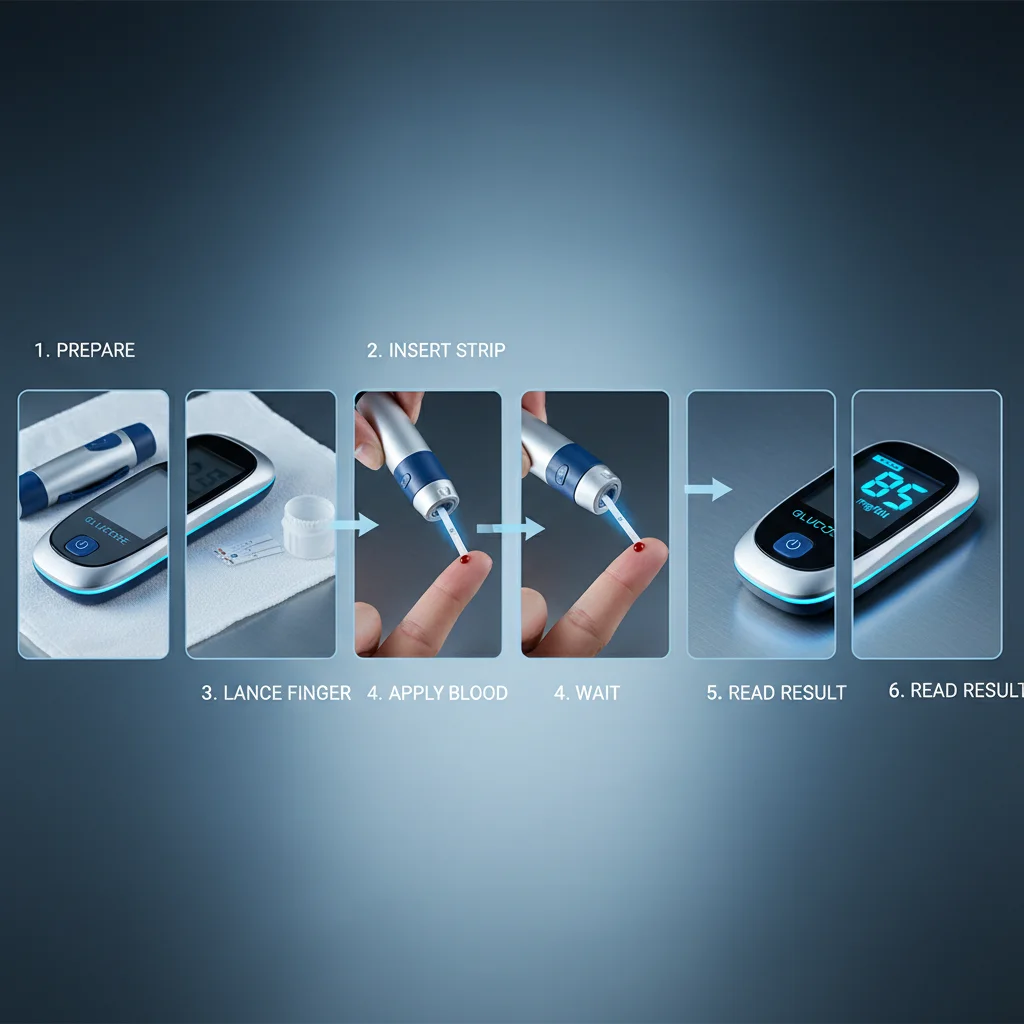
Fingerstick meters only provide a momentary snapshot of glucose levels. By contrast, a continuous blood glucose monitor collects readings at frequent intervals, generating a full glucose curve throughout the day and night. This continuous tracking enables:
1. detection of nocturnal hypoglycemia
2. analysis of post-meal glucose spikes
3. better insulin pump adjustments
4. long-term metabolic trend evaluation
Such insights are critical for patients undergoing intensive insulin therapy and for endocrinologists making medication adjustments.
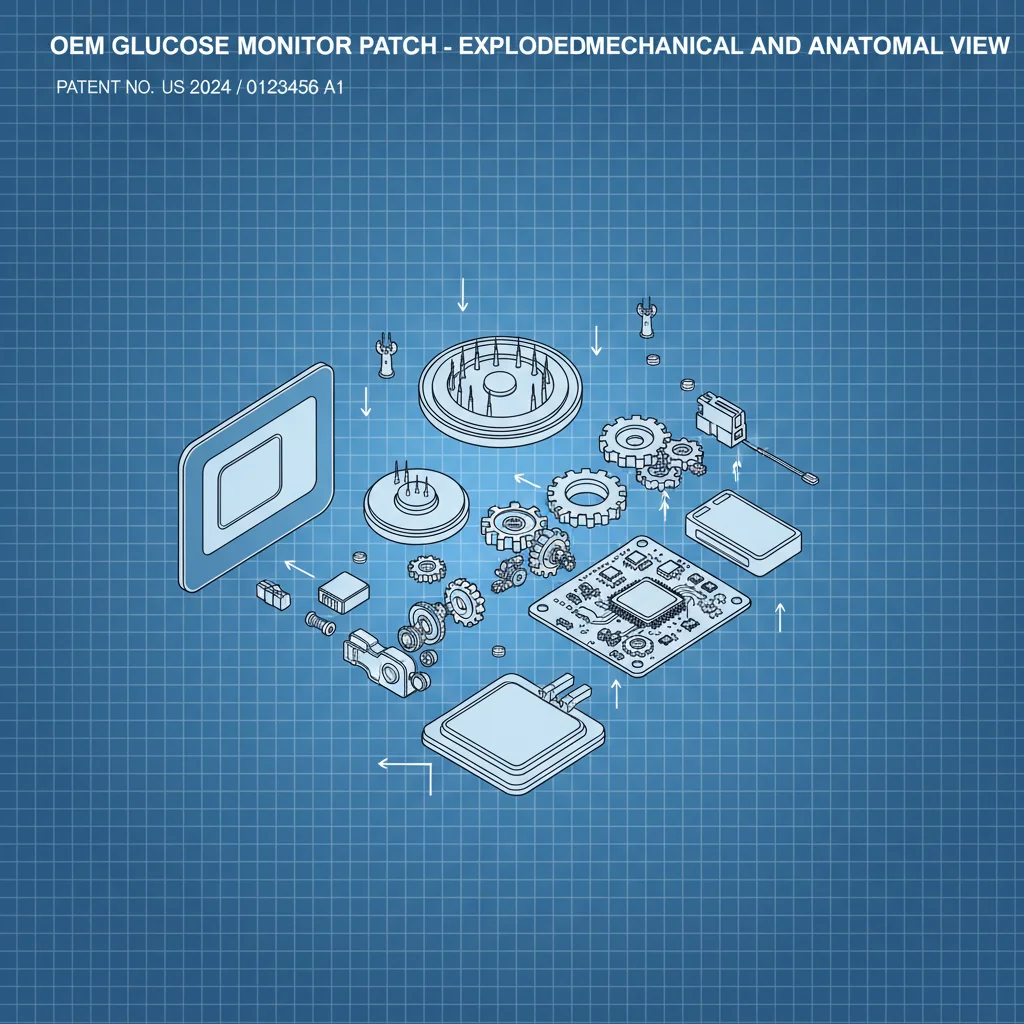
Wearable technologies such as the glucose monitor patch and glucose sensor monitor reduce the burden of frequent fingersticks and allow patients to receive real-time alerts on smartphones or wearable devices. In addition, some continuous systems integrate cloud platforms that allow physicians and family members to monitor glucose remotely.
One of the most ambitious goals in the industry is the non invasive glucose monitor, which aims to measure glucose without skin insertion or blood sampling. While fully non-invasive systems remain under development, advances in spectroscopy, optical measurement, microfluidics, and electromagnetic sensing are accelerating progress.
This combination of medical, consumer, and engineering innovations is creating a new ecosystem around diabetes management tools, making the industry one of the strongest growth segments in global medical devices.
China is not only a major user market for diabetes products — it is also a core manufacturing base for glucose monitoring devices, biosensors, adhesives, microelectronics, and diagnostic equipment.
Several structural advantages drive this leadership:
Modern continuous glucose monitor systems depend on micro-sensors, electrodes, polymer membranes, and enzyme coatings, all of which require precision manufacturing. Chinese suppliers have developed specialized production lines for medical-grade components used in CGM devices.
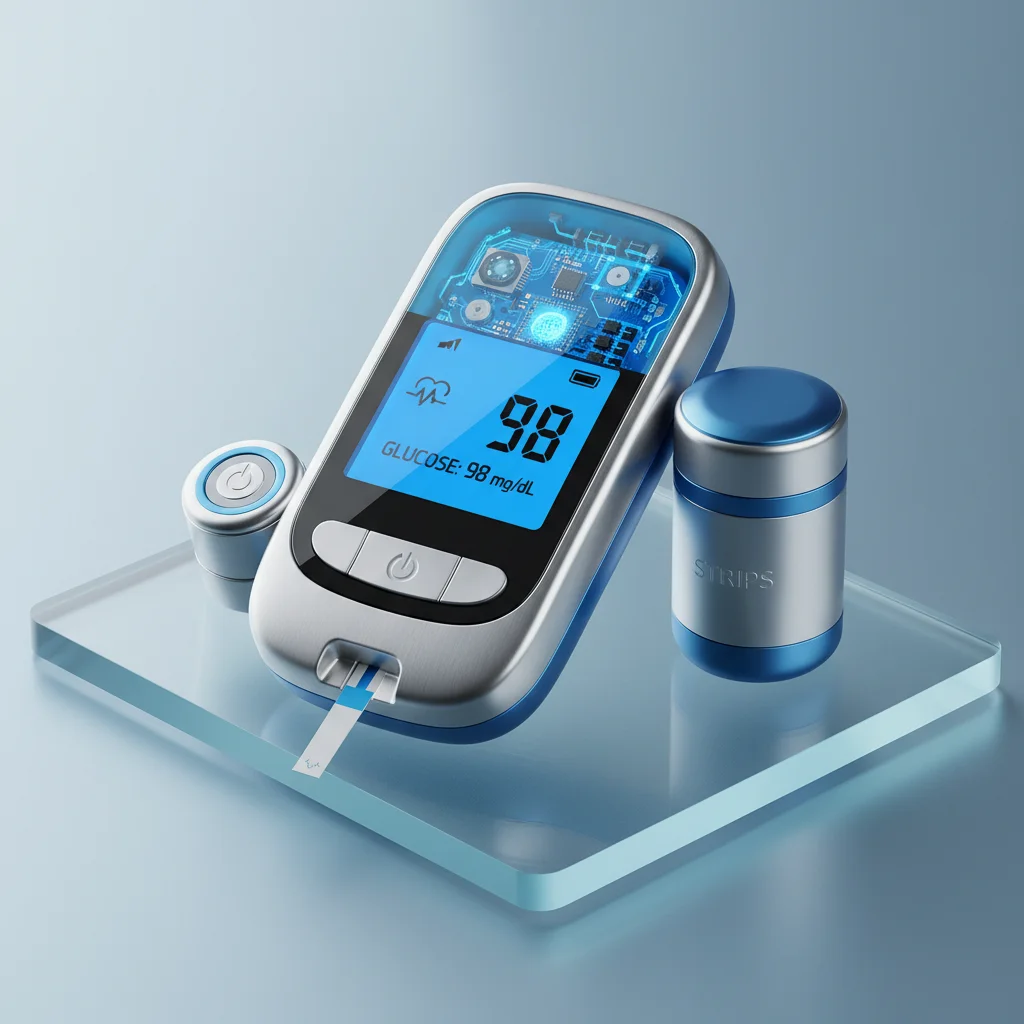
Blood glucose monitoring systems integrate:
1. low-power communication modules
2. microcontrollers and signal processors
3. miniaturized batteries
4. RF connectivity or Bluetooth integration
5. digital display units
China’s electronics ecosystem makes it possible to mass-produce these components cost-effectively.
Medical sensors and patches require sterile environments, ISO-certified production areas, and controlled packaging conditions. Many Chinese factories now operate under ISO13485 and GMP frameworks to meet export requirements.
China’s national strategies supporting biotech, digital health, and biomedical engineering have encouraged R&D collaboration between industry, universities, and hospitals, improving both product quality and clinical relevance.
Together, these factors enable Chinese glucose monitoring device manufacturers to scale globally and compete in performance and quality rather than only price.
Among the companies contributing to this rapidly growing sector, Huzhou Xinmei Medical Equipment Co., Ltd. represents a new generation of Chinese manufacturers committed to quality, precision, and global regulatory compliance.
Xinmei specializes in manufacturing and supplying medical-grade equipment and components that support glucose monitoring system supply chains. While not a retail consumer brand, the company is deeply integrated in the backend of the healthcare industry through professional OEM/ODM partnerships and medical export services.
Medical products must meet strict standards due to their direct impact on patient health. Xinmei maintains compliance with international quality systems and supports certification requirements for export, which may include:
1. ISO13485 medical device manufacturing standards
2. CE compliance for European markets
3. FDA-related documentation support for U.S. partners
4. GMP-compliant production workflows
This level of compliance gives overseas distributors confidence in supply continuity, safety, and product traceability.
Xinmei works with medical distributors, healthcare companies, and diabetic supply suppliers worldwide, providing stable manufacturing capacity and professional documentation for cross-border trade.
To learn more about Xinmei’s medical equipment offerings, visit:
https://www.xmylcgm.com/
Several long-term industry trends are reshaping how glucose monitoring products are designed, manufactured, distributed, and used.
Wearable medical electronics are becoming smaller, lighter, and more comfortable. Modern patches and sensors use biocompatible adhesives, flexible printed circuits, and low-power wireless communication modules that enable unobtrusive daily usage.
This is why wearable systems like glucose sensor monitor patches are gaining traction, especially among younger and more active patients.
Algorithms can now:
1. predict glucose fluctuations
2. analyze food and activity logs
3. assist in insulin dose recommendations
4. generate long-term risk assessments
Such decision-support tools are gradually becoming integrated with CGM platforms.
Closed-loop insulin systems combine a continuous blood glucose monitor with an insulin pump to automatically adjust insulin delivery without patient intervention. Though not yet globally widespread, this technology represents a major milestone toward fully automated diabetes care.
While the fully mature non invasive glucose monitor is still several years away, accelerated research in optical sensing and spectroscopy demonstrates strong long-term potential for patient comfort and adoption.
The transformation of diabetes care is not driven by a single invention, but by the collective efforts of sensor researchers, material scientists, device manufacturers, clinical technologists, and medical suppliers. China’s role in this transformation is becoming increasingly strategic, supplying critical components, complete monitoring systems, and professional OEM services to the global healthcare ecosystem.
Companies like Huzhou Xinmei Medical Equipment Co., Ltd. contribute to this international landscape by supporting medical infrastructure, meeting global certification standards, and delivering stable, professional medical equipment manufacturing to partners worldwide.
As the industry evolves, the combination of continuous monitoring, wearable comfort, digital health integration, and emerging non-invasive technologies will reshape diabetes care into a more proactive and personalized healthcare experience, improving quality of life for millions of patients around the world.
For more information, visit:
https://www.xmylcgm.com/