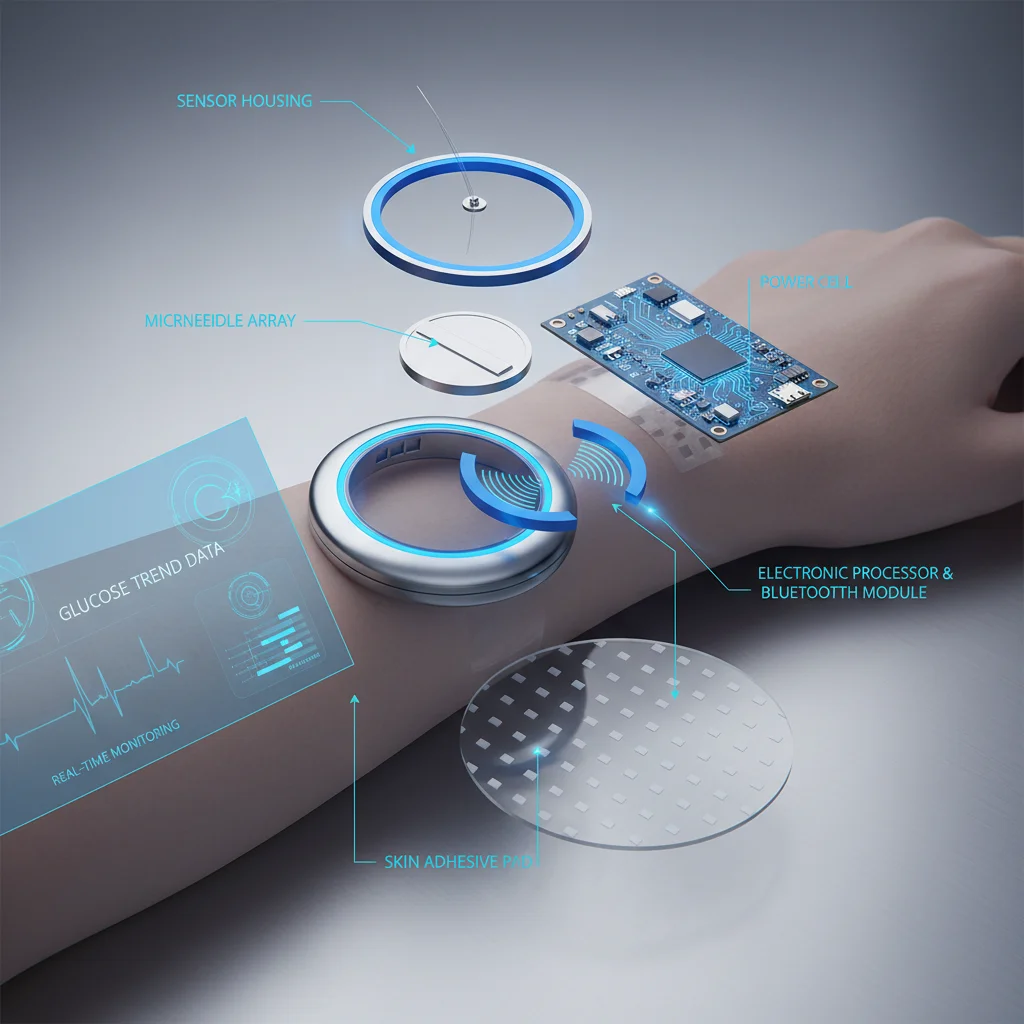

To be honest, things are moving fast in this industry. Everyone's talking about miniaturization, integration, and wireless. Seems like yesterday we were wrestling with bulky cables, and now everything’s gotta be tiny and connect to your phone. It’s a good thing, don't get me wrong, but it also introduces a whole new level of headaches. Have you noticed how much more complicated even a simple connection becomes when you’re dealing with Bluetooth and NFC?
The biggest trap I see designers fall into? They overthink it. Spend months perfecting some fancy algorithm, then forget that the guy on the construction site is dealing with dust, mud, and a deadline. I encountered this at a factory in Dongguan last time – they’d designed this incredibly sleek glucose monitor, all glass and polished metal. Beautiful to look at, sure, but completely impractical. A little knock and it shattered. Anyway, I think simplicity and robustness are always king.
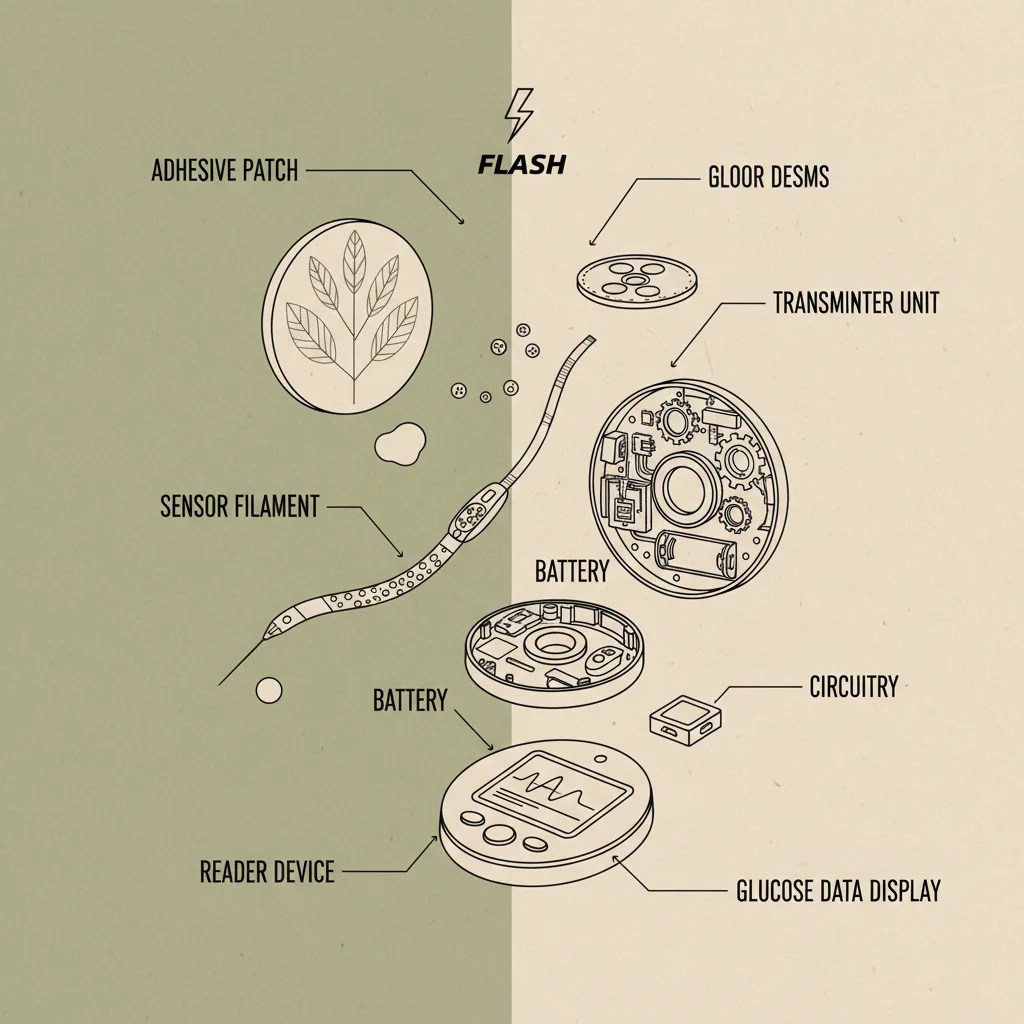
We mostly use medical-grade polycarbonate for the housing, it’s got that slightly rubbery feel, a faint plastic smell – not unpleasant, surprisingly. It’s tough stuff, impact-resistant, and can withstand a surprising amount of abuse. The sensor itself uses a bio-compatible membrane, feels kinda… slick when you handle it, like a thin film of oil. The electrode material? That's the tricky part. Platinum-iridium alloy mostly, but finding a supplier who consistently delivers quality stuff is a nightmare.
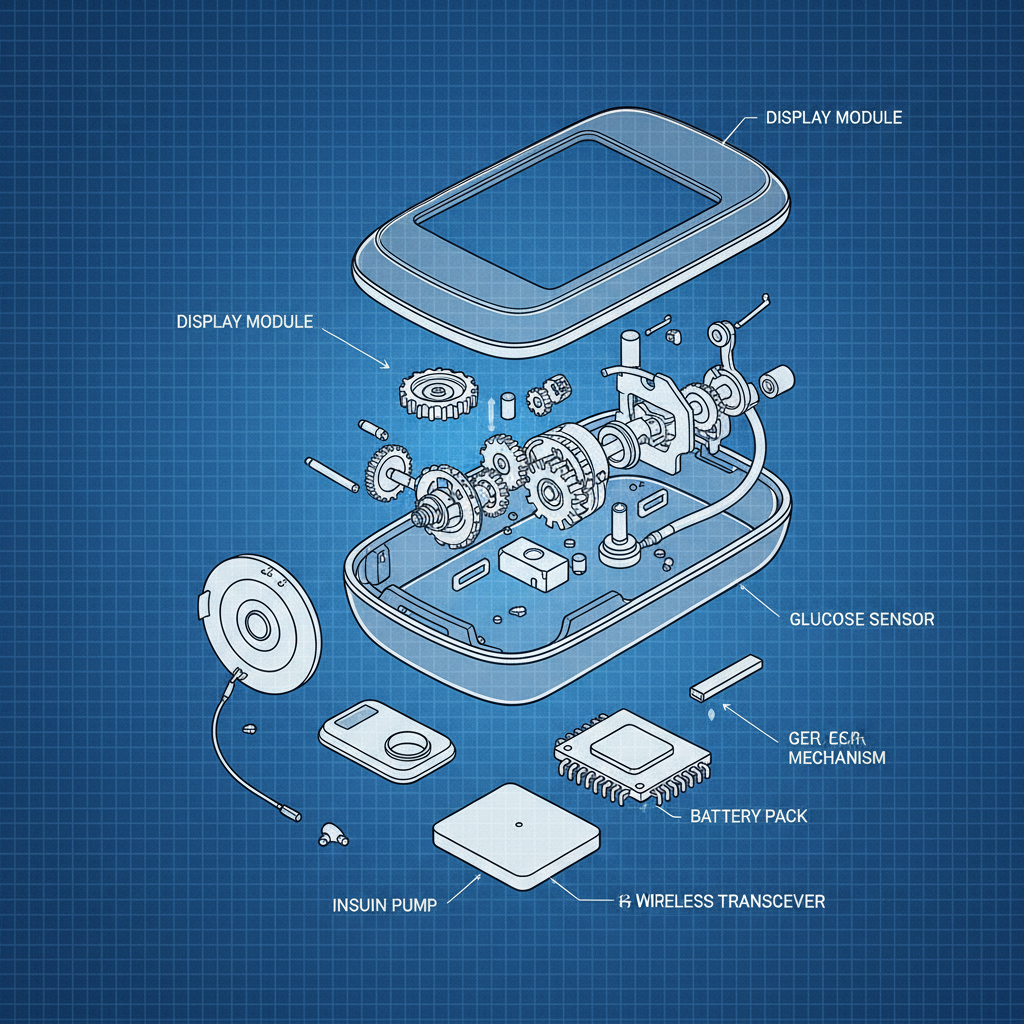
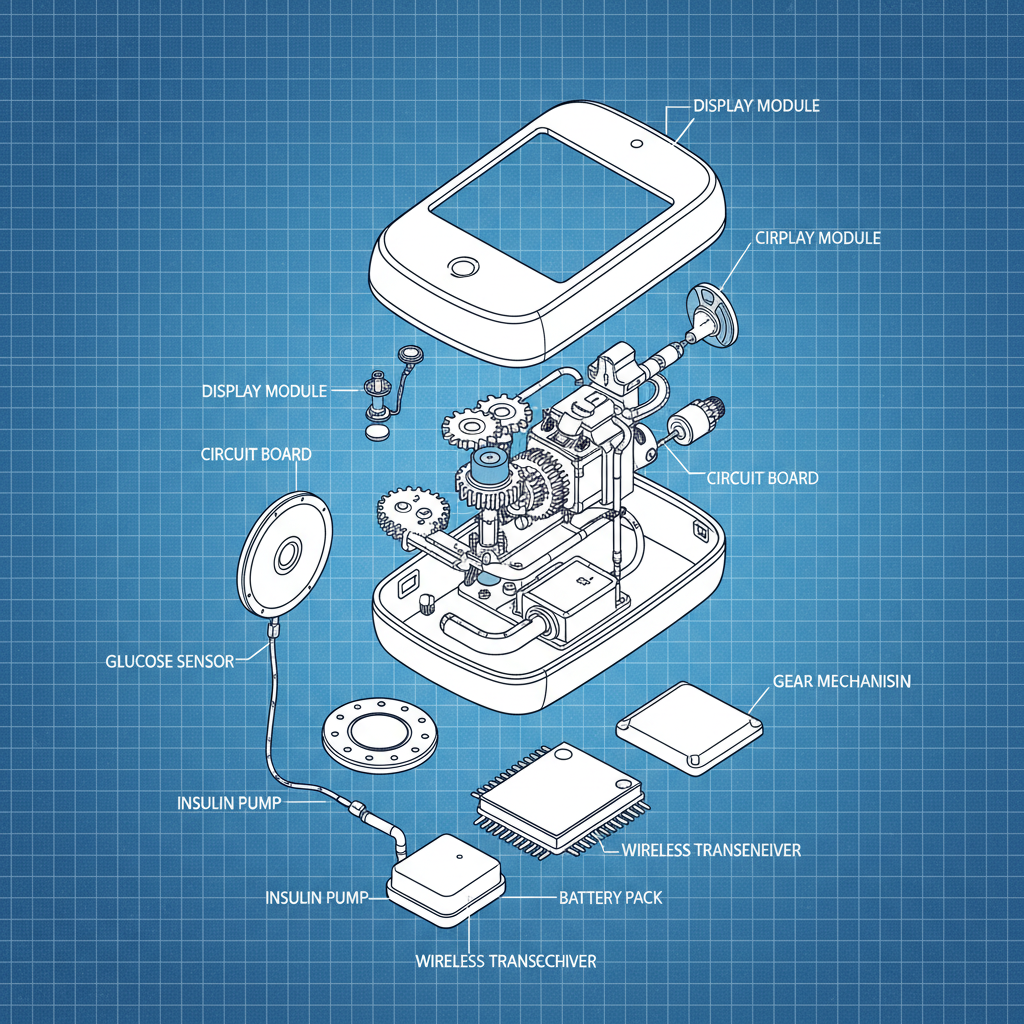
Strangely, everyone's obsessed with 'smart' features. Data logging, trend analysis, cloud connectivity… all well and good, but what about just getting an accurate reading quickly and reliably? I saw one design that required three separate apps and a PhD in data science to interpret. Seriously! The trend toward continuous glucose monitoring is big, too, which means focusing on comfort and minimizing skin irritation. That's a tough one, though.
The biggest mistake? Assuming the user is as tech-savvy as the designer. You need to design for the lowest common denominator, for someone who barely knows how to turn on their smartphone. Keep it simple. Keep it robust. Keep it working. That’s the key.
Typically, the sensor needs to be replaced every 14 days. It really depends on the model and the user’s activity level, but that’s a good guideline. We're working on extending that lifespan, but maintaining accuracy is the priority. Some users try to stretch it longer, but the readings become less reliable. Don't do that. Seriously.
Water resistant, yes. Waterproof, no. You can wash your hands or shower with it on, but don’t go swimming or snorkeling with it. We've had a few unfortunate incidents involving swimming pools and saltwater. The device is rated IPX7, meaning it can withstand immersion in up to 1 meter of water for 30 minutes. But better safe than sorry.
Absolutely. The device connects to a smartphone app, and the app allows you to generate reports that you can easily share with your doctor. We’re also working on integrating directly with electronic health record systems, but that's still a work in progress. It’s all about making the data accessible and useful for both patients and healthcare providers.
First, make sure the sensor is properly inserted and that your skin is clean and dry. If it’s still not reading correctly, try recalibrating the device. If that doesn't work, contact our customer support team. We’ll troubleshoot the issue and, if necessary, send you a replacement sensor. Don't try to fix it yourself, you'll probably just make things worse.
Coverage varies depending on your insurance plan and location. Some plans cover continuous glucose monitoring, while others don't. You’ll need to check with your insurance provider to see if it’s covered. We can provide you with the necessary documentation to submit a claim, but ultimately it's up to your insurance company.
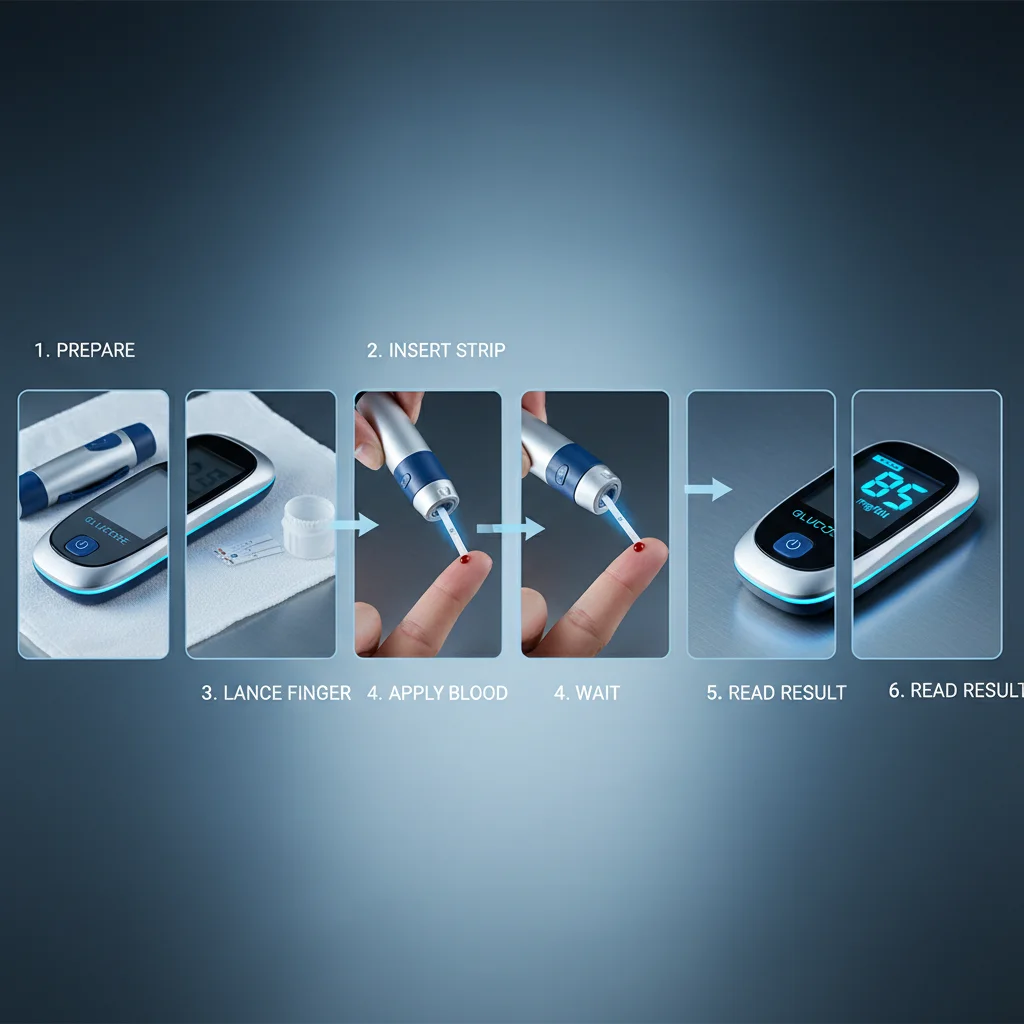
The sensor is generally very accurate, but it’s not perfect. There’s typically a 10-15 minute lag between the glucose level in your interstitial fluid (what the sensor measures) and your blood glucose level (what a finger prick test measures). It’s also important to calibrate the sensor regularly to ensure accuracy. We recommend checking with a finger prick test whenever you feel something’s off.
Ultimately, these smart glucose monitor Products are about empowering people to take control of their health. It's about giving them the information they need to make informed decisions about their diet, exercise, and medication. It’s a complex field, with a lot of challenges, but the potential benefits are enormous. We’ve come a long way, but we still have a lot of work to do.
And, frankly, whether this thing works or not, the worker will know the moment he tightens the screw. They’ll feel it, see it, and know if it’s right. That's what matters. If you're interested in learning more about our smart glucose monitor Products or discussing a custom project, visit our website: smart glucose monitor Products.

Ethan is the Marketing Director at Cangzhou Jiujiang, focusing on expanding the brand's presence in North America. With over a decade of experience in outdoor apparel marketing, Ethan leverages his knowledge to promote the company’s PU rainwear, emphasizing its BSCI and GRS certifications.