

To be honest, lately everyone's talking about integrating AI into everything. Sensors, data analysis... it’s a buzzword frenzy. But out on site, what *really* matters is whether the thing holds up to the dust, the rain, and the guys who treat everything like a hammer. I’ve seen too many ‘smart’ solutions fail because they forget the basics. It's not about fancy algorithms, it's about durability. That’s what I keep telling the engineers back in the office. They’re always so focused on the software side…
Have you noticed how everyone's chasing smaller, lighter designs? Great in theory, but if the casing feels flimsy, it’s just asking for trouble. I once saw a protorack just from someone leaning against it. Embarrassing. Anyway, I think we’re finally starting to see a bit of a shift back towards robust construction. People are realizing that ‘good enough’ often *is* good enough, especially when it comes to tools. It doesn’t need to look like something out of a sci-fi movie; it needs to work, reliably, every single time.
And don't even get me started on those cheap plastic housings. They become brittle in the sun, crack in the cold... it’s a nightmare. I remember being at a factory in Dongguan last time, and the smell of that plastic was just overpowering. Seriously, it lingers for days.
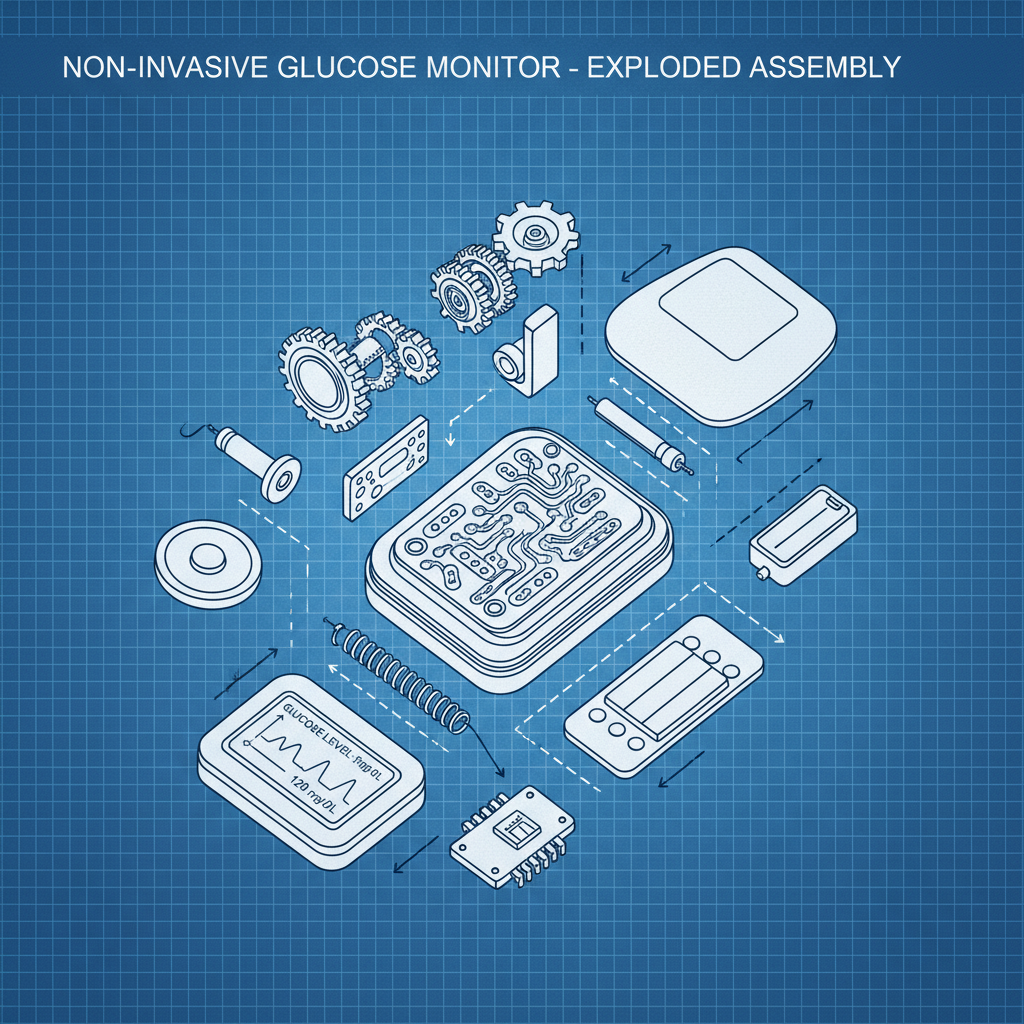
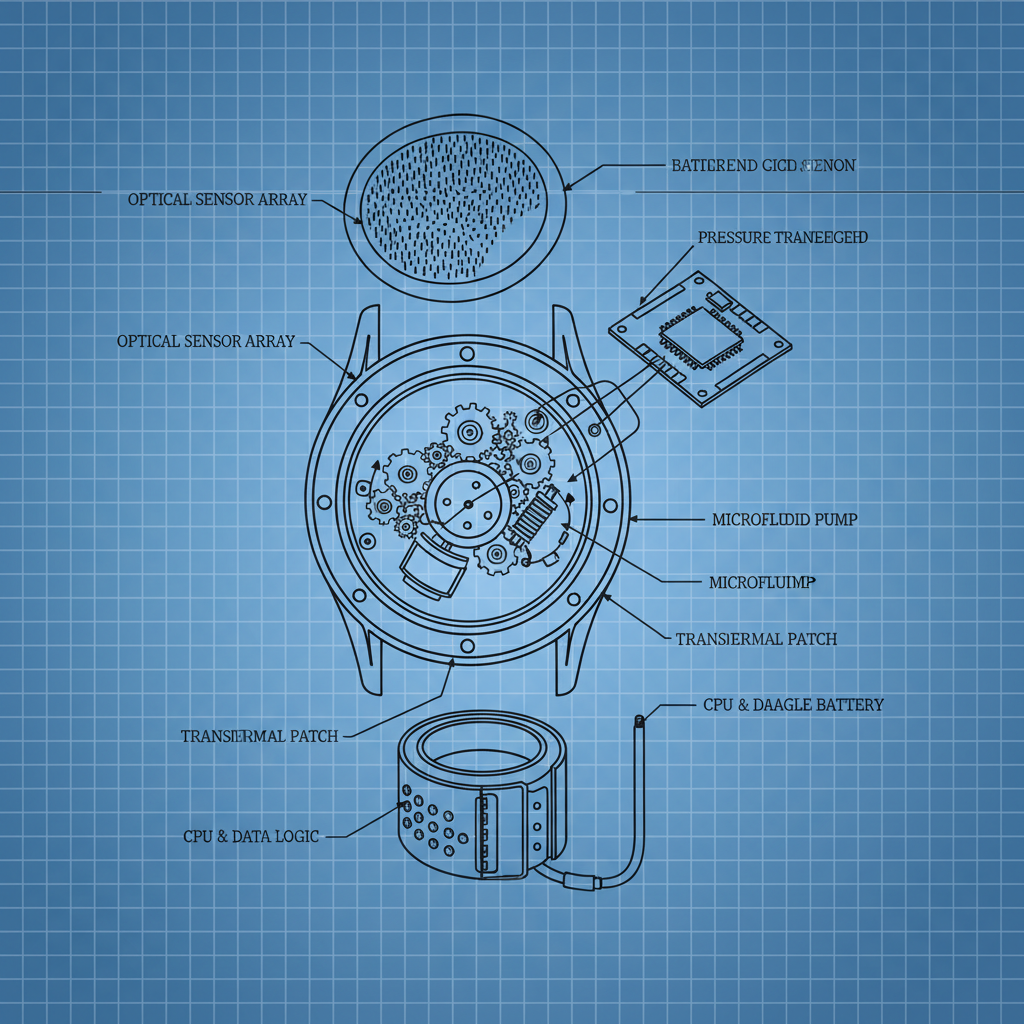
Strangely enough, it’s not just about smaller devices anymore. It’s about *integrated* systems. People want the data automatically synced to their phones, to their doctor’s office, to…well, everything. The demand for seamless connectivity is huge, and it’s driving a lot of the innovation. But that brings its own set of problems – battery life, data security, and interoperability are all major headaches.
What I’m also seeing is a growing emphasis on comfort. The older models, even the less intrusive ones, could still be a bit… irritating. People don’t want to be reminded constantly that they’re monitoring their glucose. So, materials that are soft, flexible, and hypoallergenic are becoming increasingly important. It sounds trivial, but trust me, it makes a big difference to user compliance.
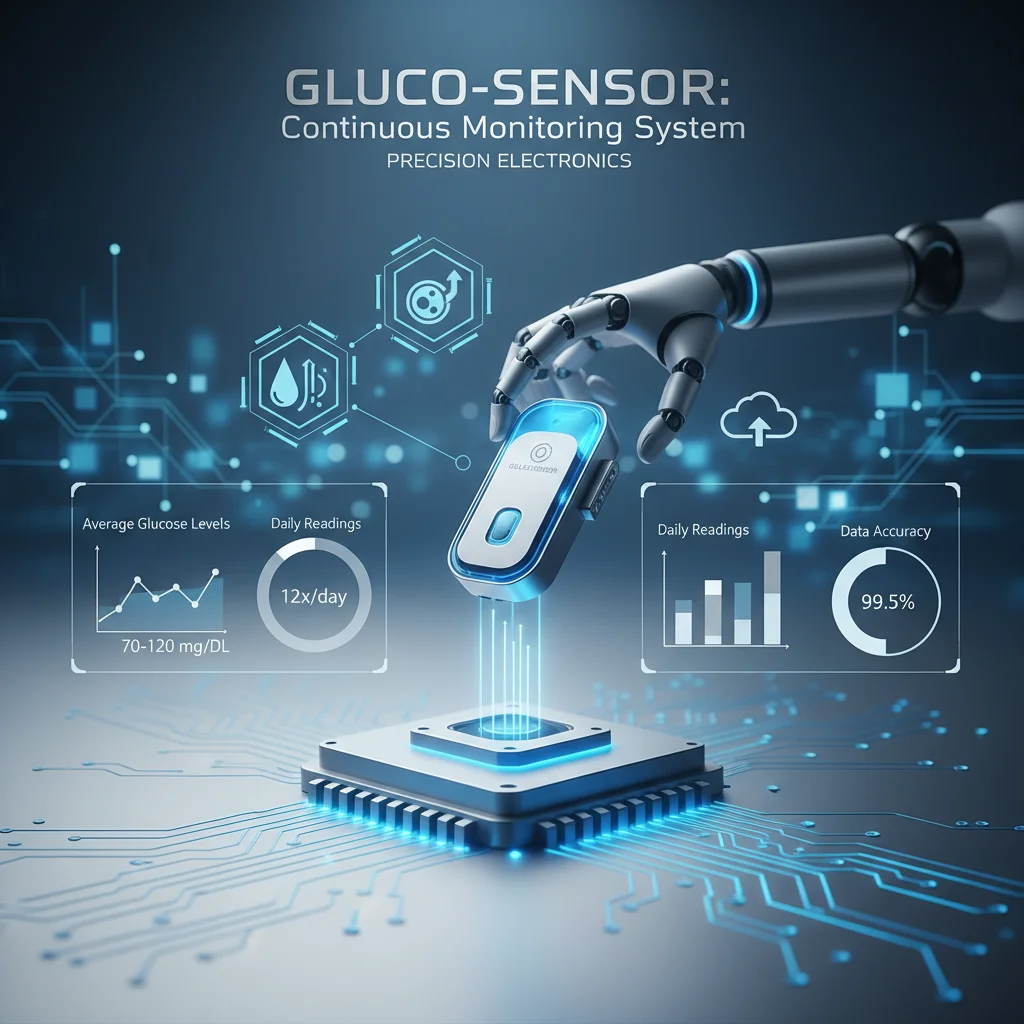
Currently, non-invasive glucose monitoring technologies aren’t quite as accurate as traditional blood glucose meters. However, the gap is closing rapidly. Many devices now boast accuracy within 15-20% of a finger-prick test, which is good enough for trend tracking and general monitoring. The accuracy also depends on factors like skin tone, hydration levels, and the individual’s physiology. It's important to remember that these devices are intended to supplement, not replace, traditional testing. We’re constantly working to improve accuracy through better sensor technology and more sophisticated algorithms.
Right now, non-invasive glucose monitors are generally not recommended for people with type 1 diabetes who rely on precise insulin dosing. The accuracy limitations mean that using these devices for critical insulin decisions could be dangerous. People with type 1 diabetes typically need the highly accurate readings provided by a continuous glucose monitor (CGM) with finger-prick confirmation. However, advancements are being made, and future generations of non-invasive monitors may eventually be accurate enough for use by people with type 1 diabetes. For now, caution and consultation with a healthcare professional are essential.
The lifespan of the sensor varies depending on the specific device and the manufacturer. Generally, you can expect the sensor to last anywhere from 7 to 14 days. After that, the accuracy starts to decline as the sensor degrades. The device will usually indicate when it’s time to replace the sensor. It's crucial to follow the manufacturer’s instructions for sensor replacement to ensure accurate readings. We’re also exploring ways to extend sensor lifespan through improved materials and calibration techniques.
Several factors can influence the accuracy of a reading. Skin perfusion (blood flow) is a big one – if your hands are cold, or if you have poor circulation, the sensor may not get a reliable reading. Hydration levels also play a role. Dehydration can affect the sensor’s ability to penetrate the skin. Furthermore, skin tone can impact the optical sensors. We work to calibrate for these variations, but it's something users should be aware of. Movement and pressure on the sensor can also cause inaccuracies.
Data security and privacy are paramount. Reputable manufacturers use encryption to protect your data both during transmission and storage. They also adhere to strict data privacy regulations, like HIPAA. It's important to read the manufacturer’s privacy policy carefully to understand how your data is collected, used, and shared. You should also be cautious about sharing your data with third-party apps or services. We are committed to providing a secure and private experience for our users.
Calibration requirements vary significantly between devices. Some require daily calibration with a finger-prick test, while others may only need calibration once a week or even less frequently. Some newer models aim for calibration-free operation. The calibration process typically involves comparing the non-invasive reading to a traditional glucose meter reading. It’s crucial to follow the manufacturer’s instructions carefully to ensure accurate calibration. We are working to simplify the calibration process and reduce the need for frequent calibrations.
Ultimately, non-invasive glucose monitoring has come a long way, but it’s still a work in progress. It offers undeniable convenience and a more comfortable experience for many users. The integration of AI and advancements in sensor technology are constantly pushing the boundaries of what’s possible. It’s not about replacing traditional methods entirely, but about providing a valuable tool for people to better manage their health.
But, and this is important, whether this thing works or not, the worker will know the moment he tightens the screw. We need to keep focusing on real-world performance, durability, and user needs. That’s what truly matters. If we can deliver a product that’s reliable, accurate, and easy to use, then we’ll be on the right track. And if we can make someone’s life a little bit easier, that’s a win in my book. Visit our website: non invasive glucose monitor Products
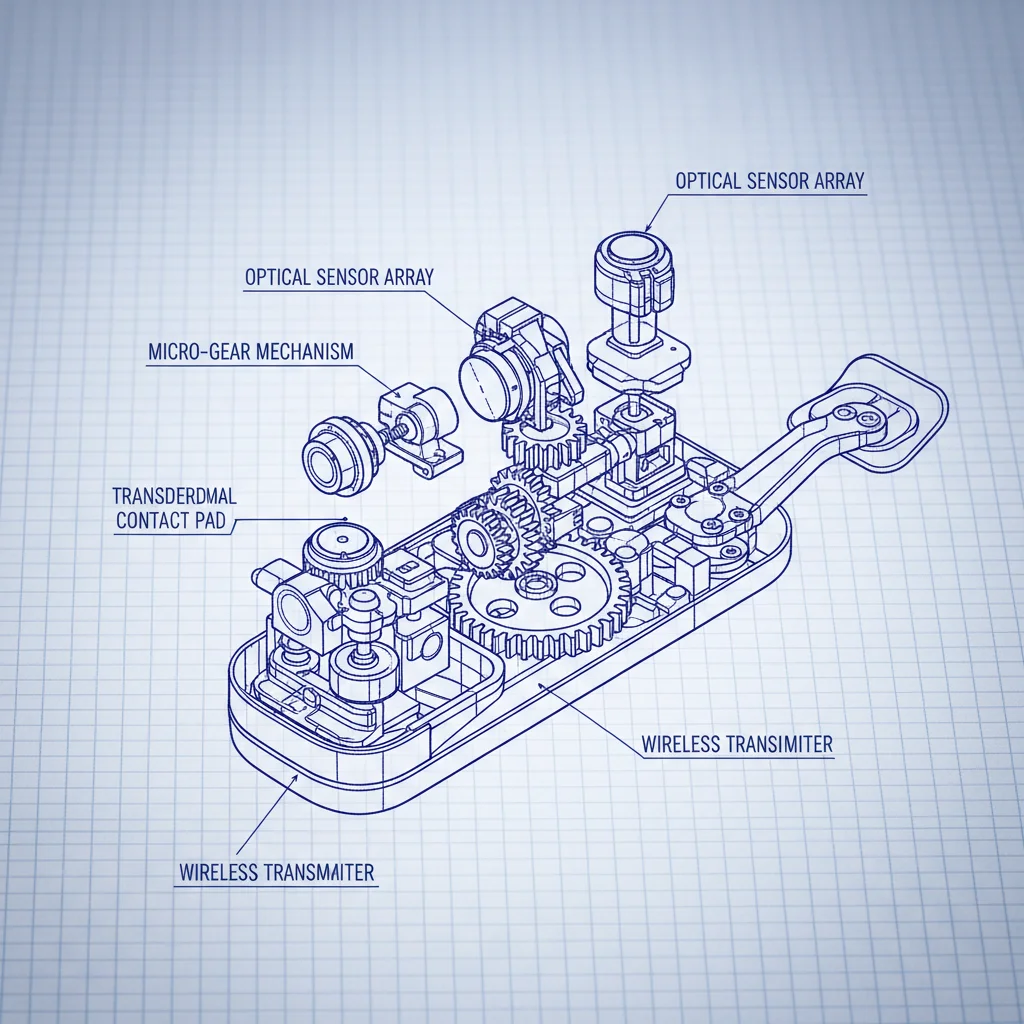
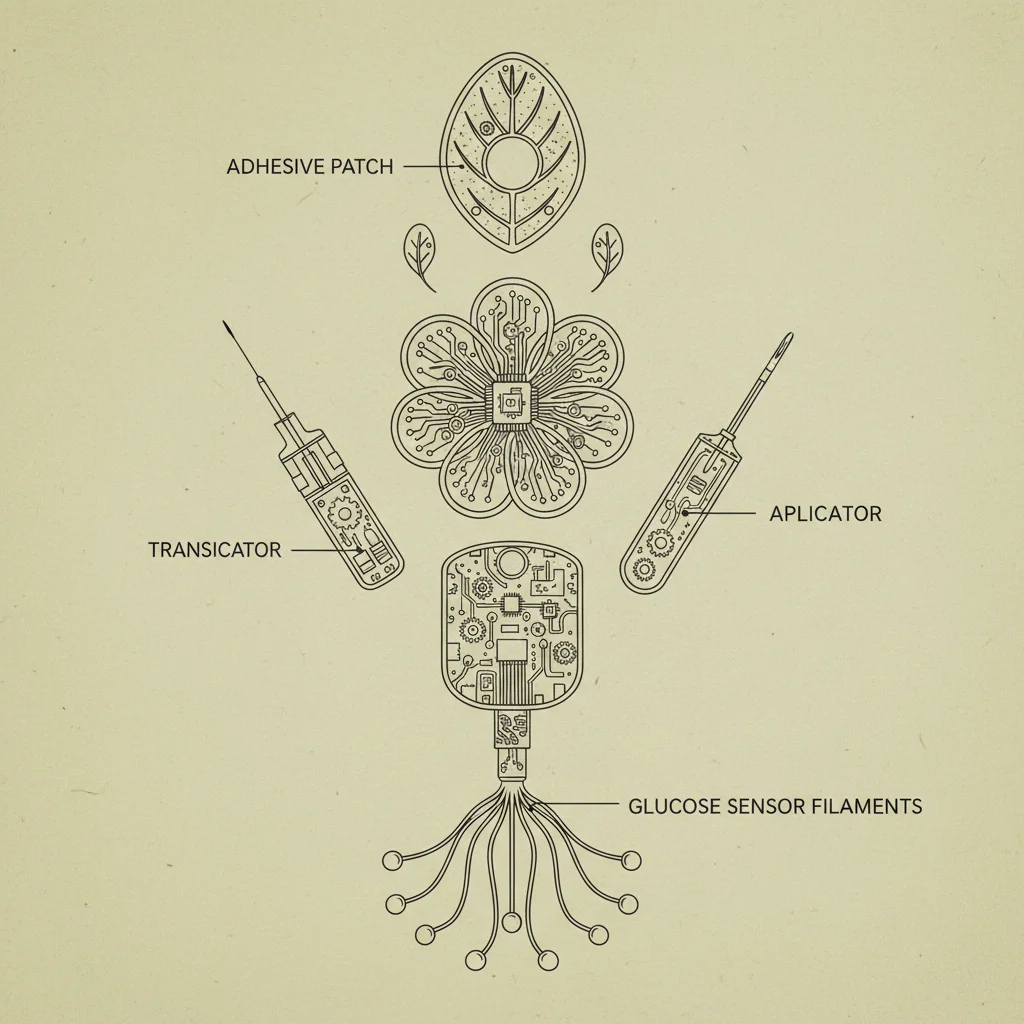

Ethan is the Marketing Director at Cangzhou Jiujiang, focusing on expanding the brand's presence in North America. With over a decade of experience in outdoor apparel marketing, Ethan leverages his knowledge to promote the company’s PU rainwear, emphasizing its BSCI and GRS certifications.