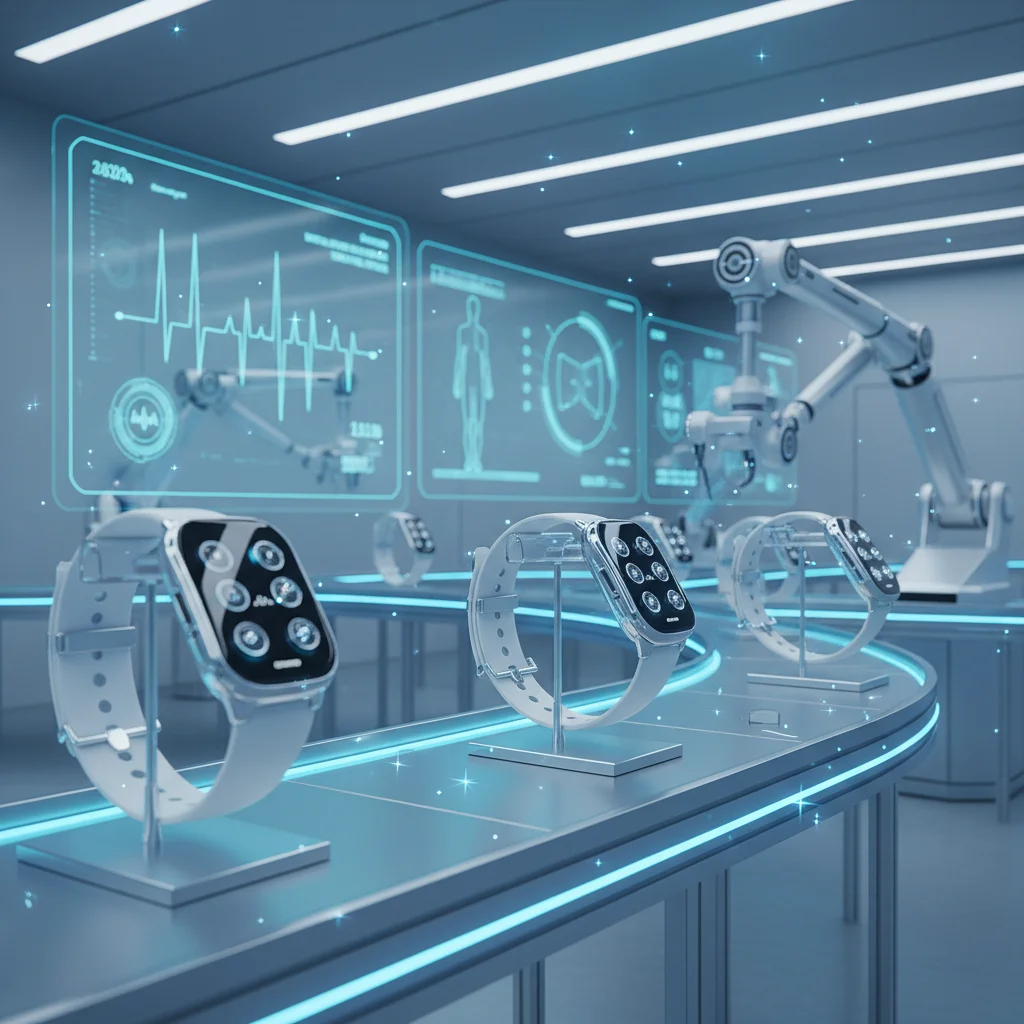
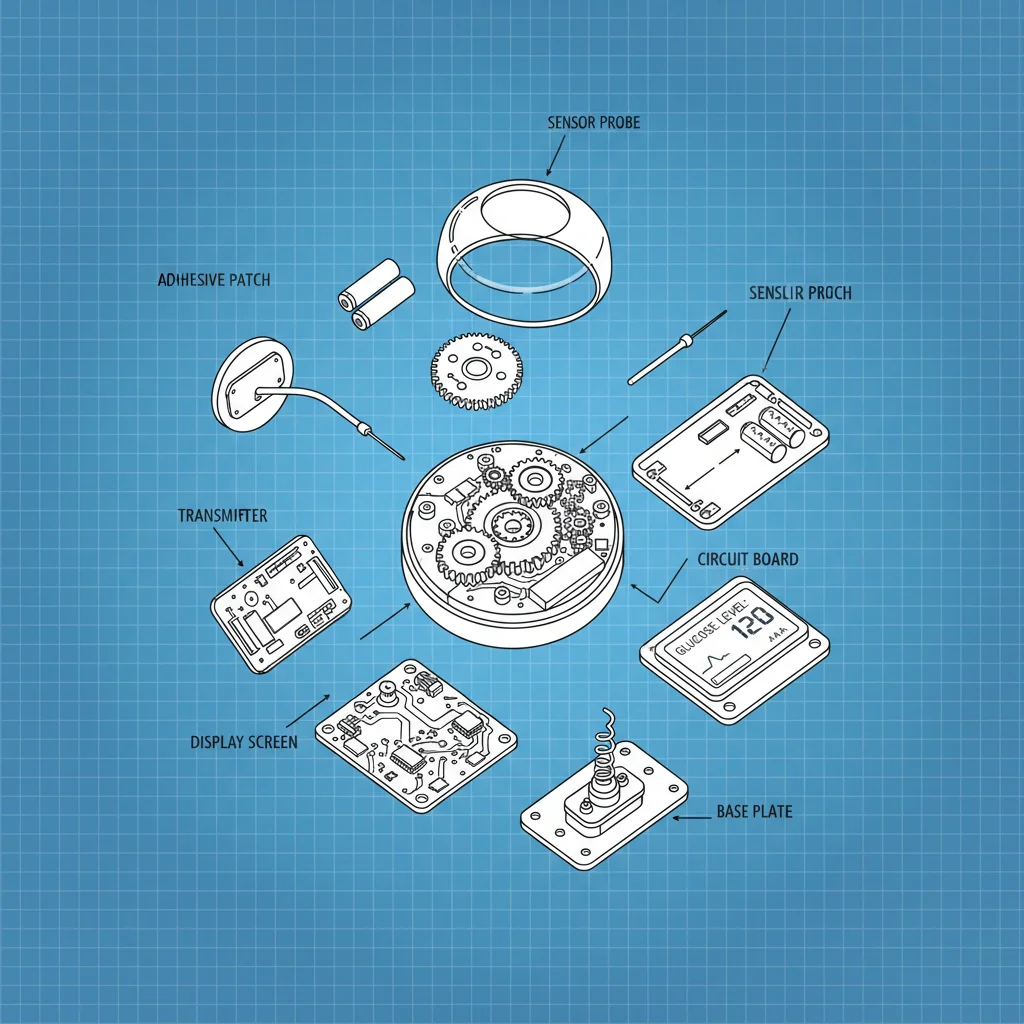
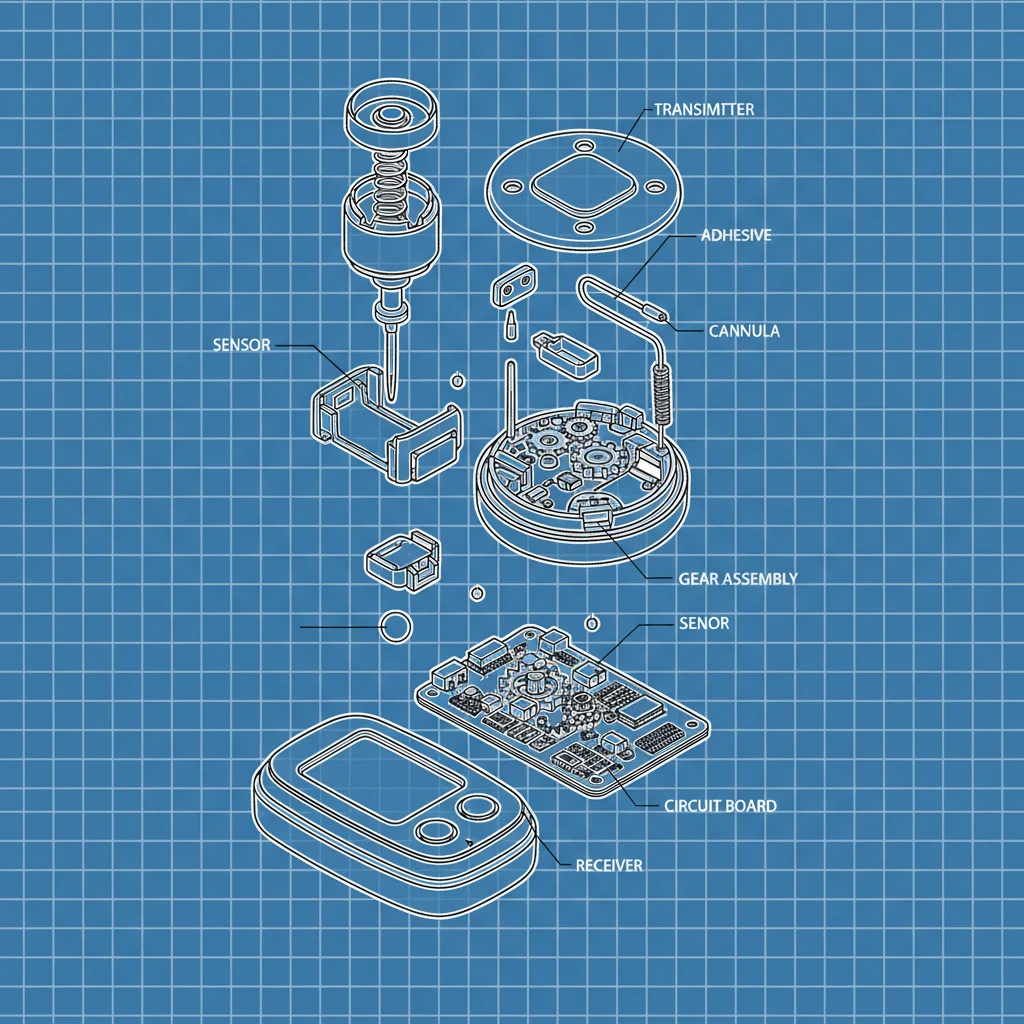
The landscape of diabetes management has undergone a seismic shift with the introduction of glucose monitor real time Products, moving away from the intermittent snapshots of finger-prick testing toward a continuous stream of biological data. This evolution allows patients and clinicians to observe glycemic trends in real-time, identifying rapid spikes or dangerous drops before they become critical emergencies. By providing a comprehensive view of glucose fluctuations, these systems empower users to make immediate, informed decisions regarding insulin dosing, diet, and physical activity.
Globally, the demand for these sophisticated monitoring tools is surging as healthcare systems shift toward personalized medicine and preventative care. The integration of sensor technology with mobile connectivity means that glucose monitor real time Products are no longer just medical devices but are becoming central hubs for metabolic health tracking. This shift is particularly vital for those with Type 1 diabetes and insulin-dependent Type 2 diabetes, where the margin for error in glucose management is slim and the risks of hypoglycemia are high.
Understanding the nuances of these technologies—from the enzyme-based sensors to the cloud-based analytics—is essential for maximizing their therapeutic value. When implemented correctly, these products do more than just track numbers; they reduce the psychological burden of disease management, improve HbA1c levels, and significantly enhance the overall quality of life for millions of people worldwide.
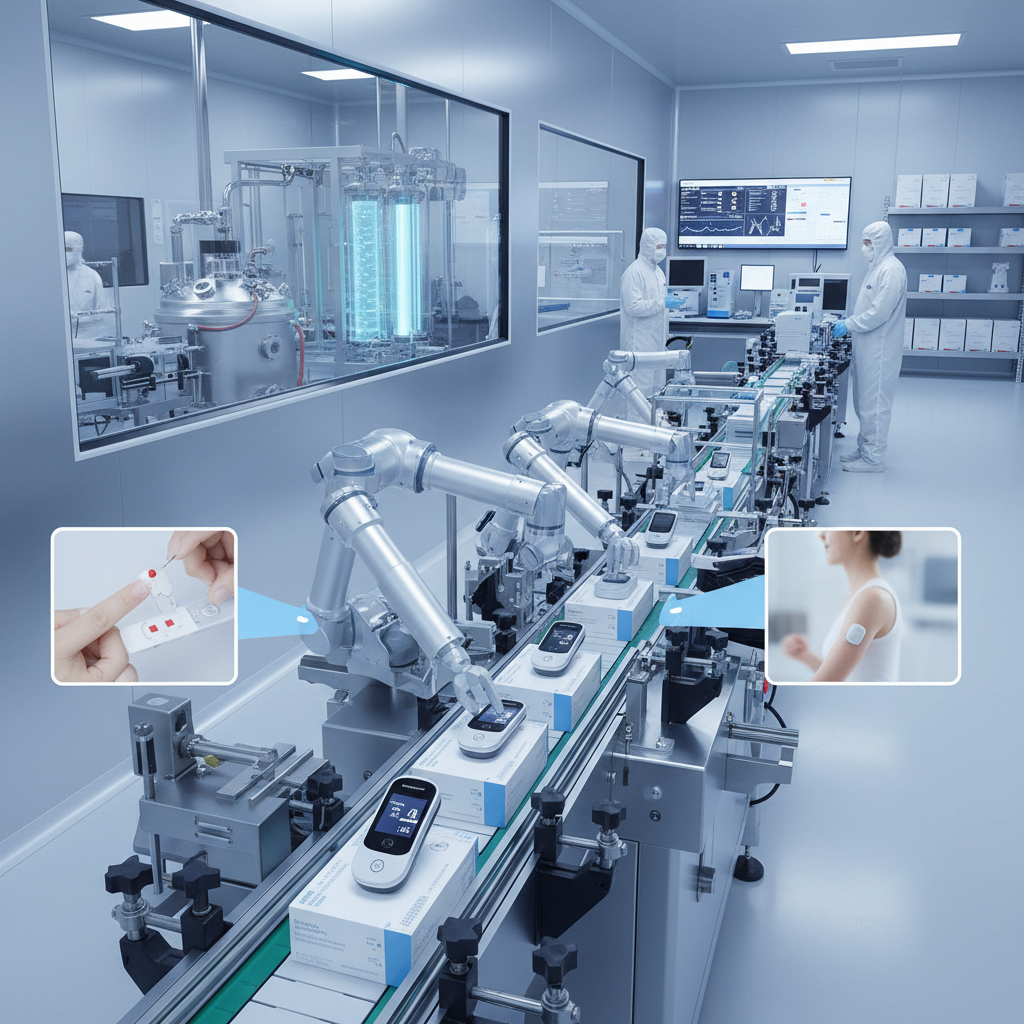
The Global Impact of Real-Time Glucose Monitoring
The global prevalence of diabetes continues to rise, with the International Diabetes Federation (IDF) reporting hundreds of millions of affected individuals. In this context, glucose monitor real time Products have transitioned from luxury medical gadgets to essential life-saving tools. By eliminating the "blind spots" between traditional blood glucose tests, these devices provide a cinematic view of glucose behavior rather than a series of still photographs, which is critical for preventing severe hypoglycemic events.
Furthermore, the socio-economic burden of diabetes—ranging from emergency room visits to long-term complications like neuropathy and retinopathy—can be mitigated through the precise control offered by real-time systems. When patients can see the immediate effect of a meal or a workout on their glucose levels, they develop a more intuitive understanding of their body's metabolic responses, leading to better adherence and improved health outcomes across diverse populations.
Defining the Mechanics of Real-Time Glucose Products
At their core, glucose monitor real time Products operate by utilizing a small subcutaneous sensor that measures the glucose concentration in the interstitial fluid—the fluid surrounding the cells—rather than the blood itself. This sensor uses a glucose oxidase enzyme to create a chemical reaction that generates a tiny electrical current, which is then translated into a glucose value by a transmitter.
This continuous process allows the system to provide readings every few minutes, which are then transmitted wirelessly via Bluetooth or NFC to a smartphone or a dedicated receiver. This seamless data flow is what separates "real-time" monitoring from traditional "point-in-time" testing, allowing for the calculation of "Time in Range" (TIR), a metric that is now considered as important as HbA1c for assessing glucose control.
The humanitarian need for such technology is evident in remote regions where access to frequent clinical visits is limited. By equipping patients with autonomous, real-time tools, the burden on healthcare infrastructure is reduced, and the patient gains a sense of agency and dignity in managing their own chronic condition without constant clinical supervision.
Core Technical Components for Maximum Accuracy
The reliability of glucose monitor real time Products depends heavily on the biocompatibility of the sensor filament. To prevent the body's immune system from rejecting the sensor (which can cause "noise" in the data), advanced polymers are used to coat the electrode, ensuring that glucose can diffuse freely while preventing protein fouling.
Another critical factor is the algorithm used for signal processing. Because interstitial fluid lags behind blood glucose by approximately 5 to 15 minutes, glucose monitor real time Products employ predictive algorithms to estimate current blood glucose levels and forecast future trends, providing "trend arrows" that warn users if they are heading toward a hypoglycemic zone.
Finally, the power efficiency of the transmitter is paramount. To ensure a device can last for 10 to 14 days without a battery change, engineers utilize Low Energy Bluetooth (BLE) and optimized sampling rates. This balance between data granularity and battery longevity is a hallmark of high-quality medical instrumentation.
Comparative Performance of Monitoring Modalities
When evaluating different glucose monitor real time Products, it is essential to look at the MARD (Mean Absolute Relative Difference) score. A lower MARD percentage indicates a higher accuracy compared to a laboratory reference. While early generation sensors had higher variance, modern iterations have pushed the boundaries of precision, making them reliable enough for insulin dosing decisions without confirmatory finger-sticks.
Beyond accuracy, the user experience—including the ease of insertion and the stability of the adhesive—plays a significant role in long-term patient compliance. A device that is technically superior but physically uncomfortable will often be abandoned by the user, highlighting the need for a holistic approach to device design that blends clinical precision with ergonomic comfort.
Performance Analysis of Real-Time Monitoring Methods
Practical Applications Across Diverse Patient Groups
The application of glucose monitor real time Products extends far beyond standard clinic visits. For instance, in pediatric care, these devices allow parents to remotely monitor their child's glucose levels via a shared app, receiving alerts on their own phone if the child enters a hypoglycemic state at school, thereby reducing parental anxiety and increasing child safety.
In professional athletics, high-performance athletes use these monitors to optimize their fueling strategies. By observing how different carbohydrates affect their blood sugar in real-time during endurance events, they can prevent "bonking" (glycogen depletion) and maintain a steady energy supply, demonstrating that the value of real-time glucose tracking extends into the realm of human performance optimization.
Long-Term Clinical Value and Patient Outcomes
The long-term value of glucose monitor real time Products is most evident in the reduction of glycemic variability. While a standard HbA1c test provides an average, it can hide dangerous swings between extreme highs and lows. Real-time monitoring smooths these peaks and valleys, which is directly linked to a lower risk of long-term microvascular complications.
Psychologically, the "fear of hypoglycemia" often leads patients to over-eat or over-correct their insulin, resulting in chronic hyperglycemia. The confidence provided by a real-time alarm system removes this fear, allowing patients to engage more fully in social activities and exercise, which in turn improves their mental health and overall willingness to manage their condition.
From a healthcare provider's perspective, the data exported from these devices allows for "Ambulatory Glucose Profiles" (AGP). This standardized report gives physicians a clear, data-driven map of a patient's glucose patterns over weeks, enabling them to make highly precise adjustments to medication dosages rather than relying on patient memory or sporadic logs.
Future Innovations in Glucose Sensing Technology
The next frontier for glucose monitor real time Products is the pursuit of fully non-invasive sensing. Researchers are currently exploring Raman spectroscopy and electromagnetic sensing to measure glucose through the skin without any needle penetration. While challenges in signal-to-noise ratios remain, the goal is a "wear-and-forget" device that requires zero consumables.
Furthermore, the integration of these monitors into "Closed-Loop Systems" (the Artificial Pancreas) is the current gold standard of innovation. In these systems, the real-time monitor communicates directly with an insulin pump, which automatically adjusts the basal rate of insulin based on the sensor's readings, effectively mimicking the function of a healthy pancreas.
Sustainability is also becoming a priority. The industry is moving toward biodegradable sensor materials and recyclable transmitter housings to reduce the environmental impact of millions of disposable sensors. Digital transformation via AI will further personalize these experiences, with systems that can predict glucose crashes based on a combination of glucose data, heart rate, and sleep patterns.
Technical Comparison of Glucose Sensing Generations
| Technology Generation |
Invasiveness Level |
Data Frequency |
Clinical Reliability |
| Traditional BGM |
High (Finger-prick) |
Manual/Intermittent |
High (Gold Std) |
| Early CGM |
Moderate (Subcutaneous) |
Every 15 Minutes |
Moderate |
| Modern Real-Time |
Low (Mini-filament) |
Every 1-5 Minutes |
Very High |
| Closed-Loop Integrated |
Low (Subcutaneous) |
Continuous/Automated |
Highest |
| Optical Non-Invasive |
Zero (Skin-surface) |
Real-time |
Developing |
| AI-Predictive Sensors |
Low to Zero |
Predictive Flow |
High (Forecasted) |
FAQS
Traditional meters provide a single data point from a drop of blood at one specific moment. glucose monitor real time Products provide a continuous stream of data from the interstitial fluid, showing not just the current level but also the direction and speed of glucose changes, which is vital for preventing hypoglycemia.
For many users, yes, but it depends on the device's MARD rating. Most modern systems are highly accurate, but clinical guidelines often suggest a confirmatory finger-stick if symptoms do not match the sensor reading or if the glucose is changing very rapidly, as there is a slight physiological lag between blood and interstitial fluid.
Most commercial glucose monitor real time Products have sensors that last between 10 and 14 days. After this period, the enzyme on the sensor filament degrades, and a new sensor must be inserted to maintain accuracy and safety.
Yes, they are increasingly used by biohackers, athletes, and people with pre-diabetes. By tracking real-time responses to specific foods and exercises, non-diabetics can optimize their metabolic health and prevent the onset of Type 2 diabetes through precise lifestyle adjustments.
Most users find the insertion process to be significantly less painful than daily finger-pricking. Modern devices use an automated applicator that inserts a hair-thin filament into the skin almost instantaneously, often described as a slight pinch that is barely noticeable.
High-quality glucose monitor real time Products use encrypted Bluetooth transmissions and secure cloud storage. Since medical data is sensitive, manufacturers typically adhere to HIPAA (USA) or GDPR (EU) standards to ensure that glucose logs are only accessible to the patient and their authorized healthcare providers.
Conclusion
The transition toward glucose monitor real time Products represents one of the most significant advancements in endocrine care in the last few decades. By synthesizing sensor chemistry, wireless communication, and predictive algorithms, these devices have transformed diabetes from a condition managed by guesswork and fear into one managed by data and precision. The ability to track glycemic variability in real-time not only saves lives by preventing acute crises but also preserves long-term organ health by maintaining tight glycemic control.
Looking forward, the convergence of AI and non-invasive sensing will likely make glucose monitoring a standard part of general wellness rather than just a medical necessity. For those currently managing diabetes, the adoption of these technologies is the most effective way to reclaim autonomy over their health. To explore the latest in monitoring technology and improve your metabolic management, visit our website: www.xmylcgm.com