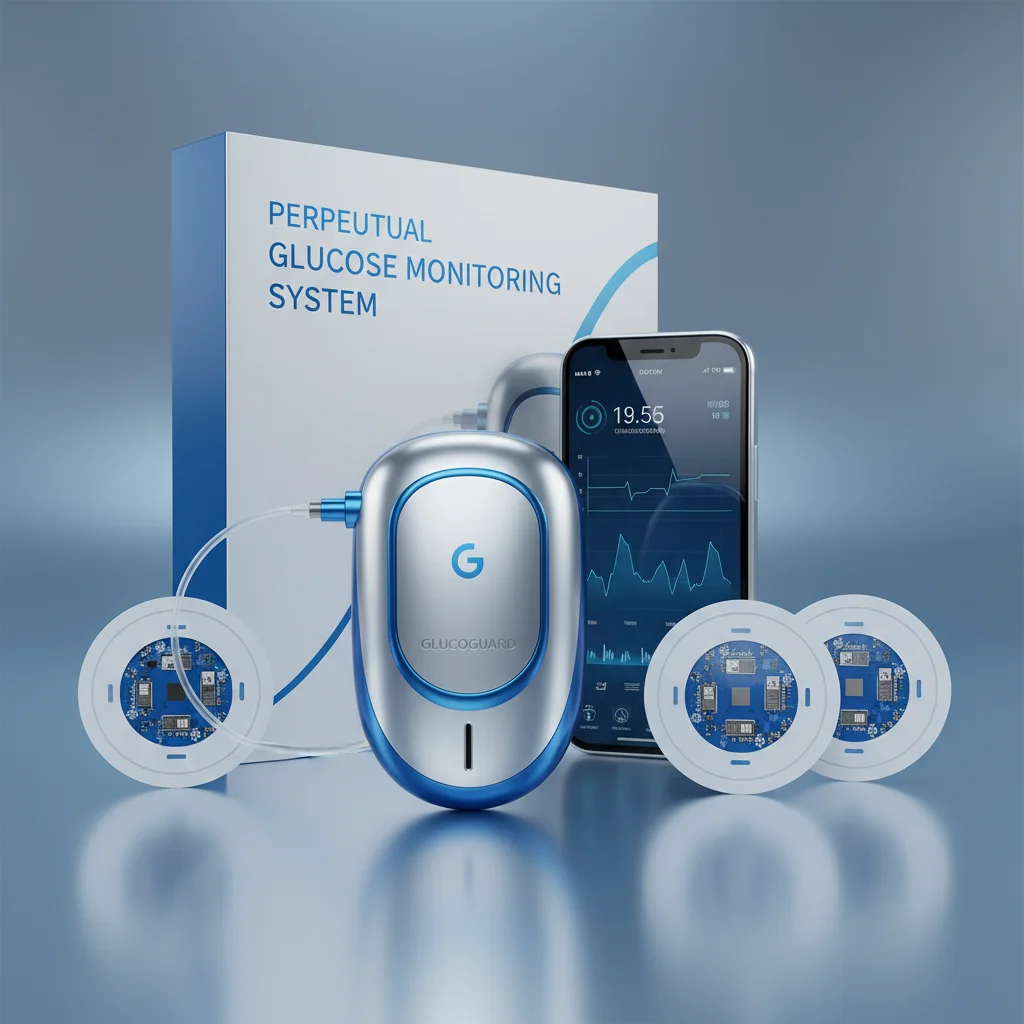
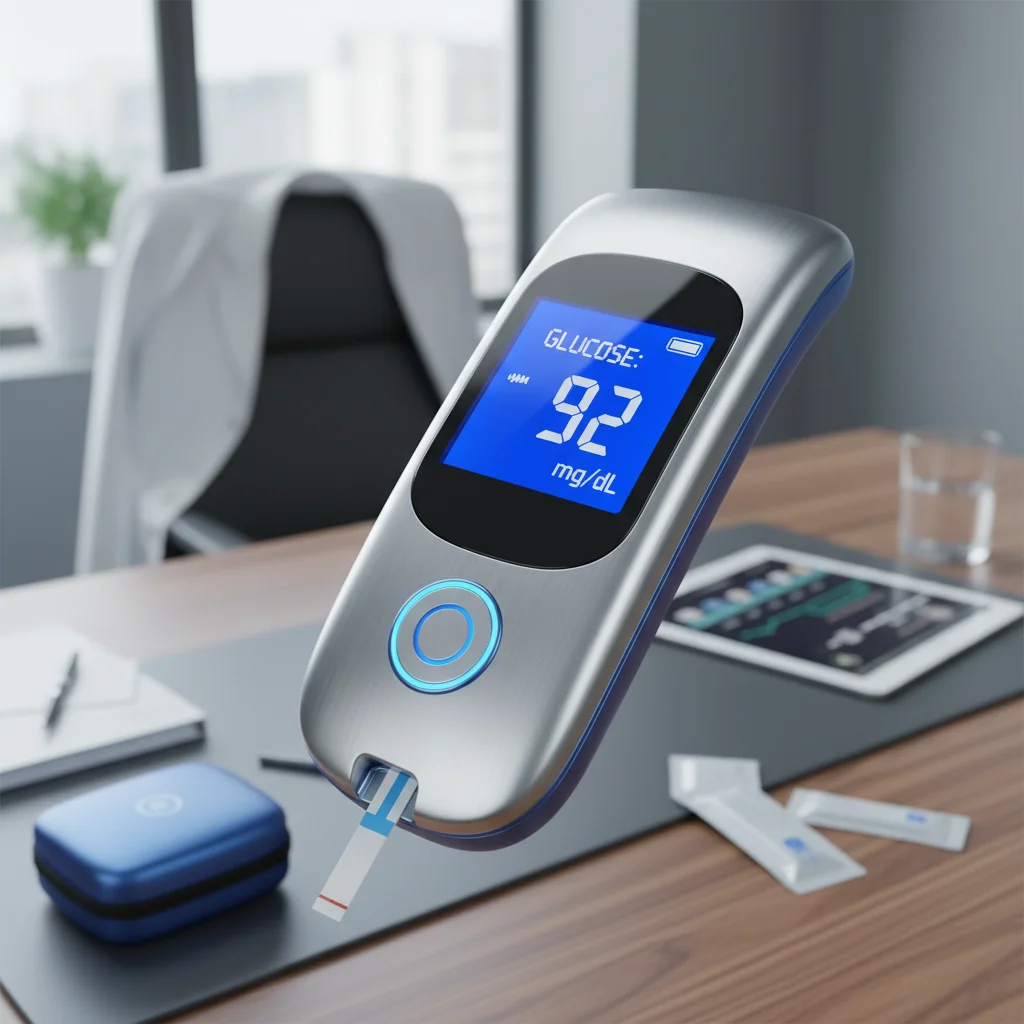
Managing diabetes or simply monitoring blood glucose levels has traditionally involved finger-prick tests. However, advancements in technology have led to the development of non invasive glucose monitoring products, offering a pain-free and convenient alternative. This article delves into the science behind these innovative devices, their benefits, applications, and what the future holds for glucose monitoring. We'll explore how these products are revolutionizing diabetes management and improving the quality of life for millions.
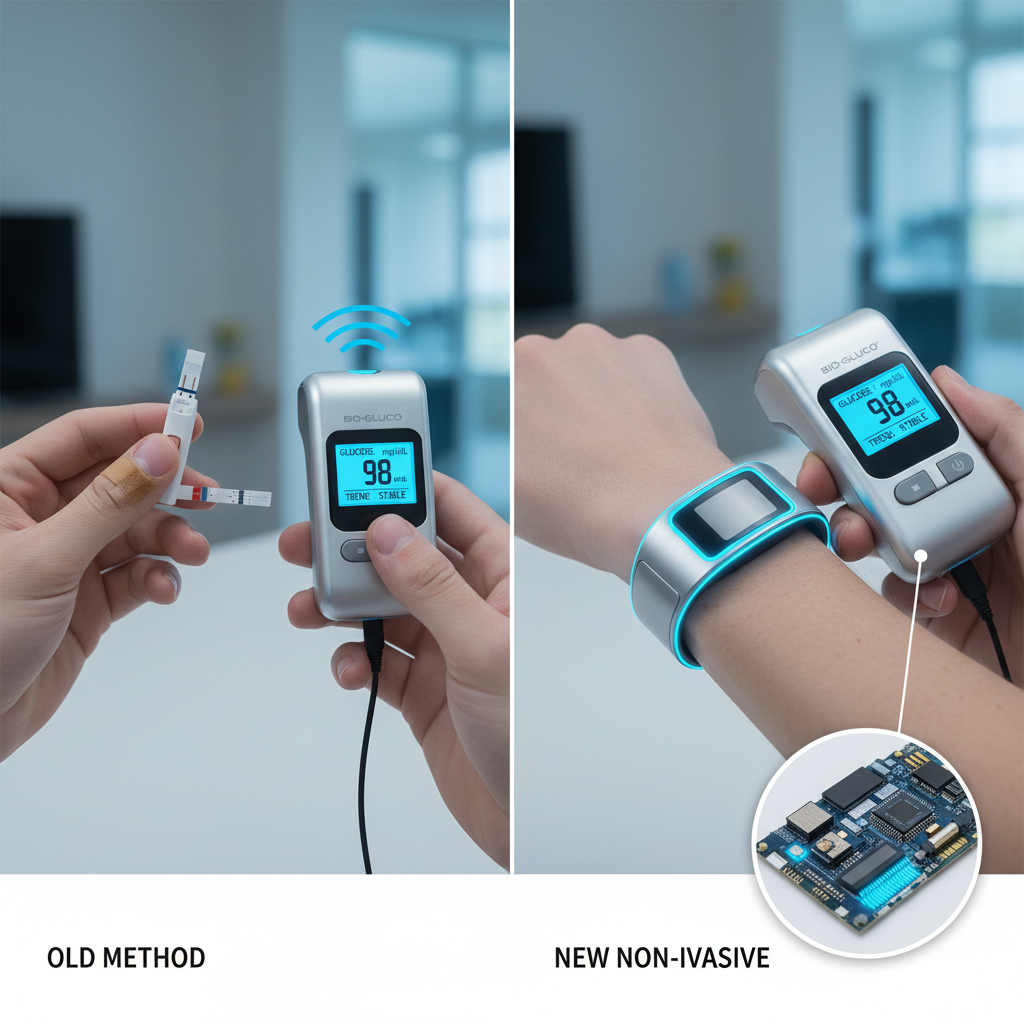
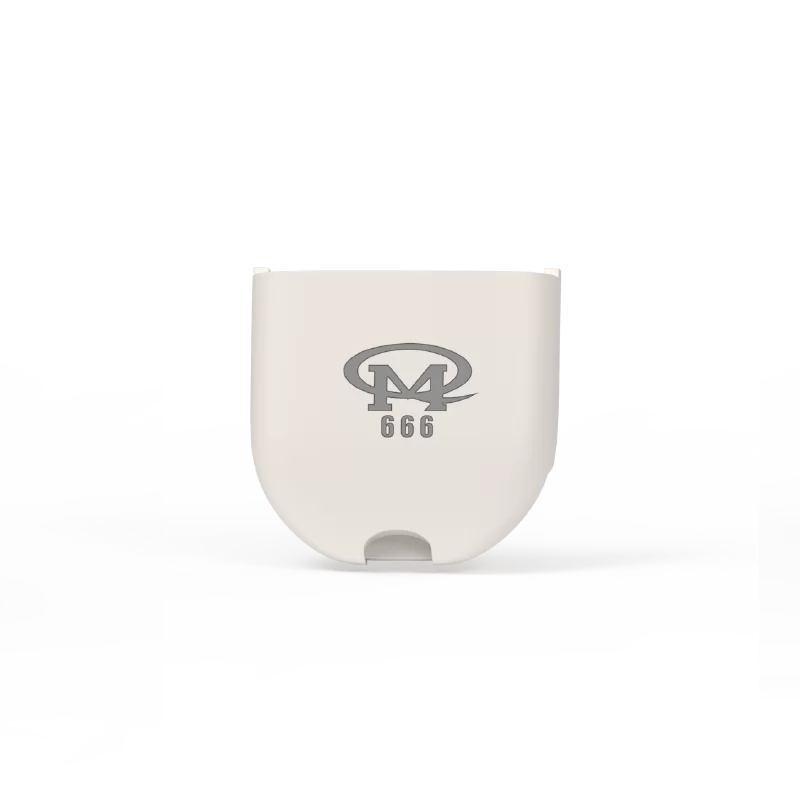
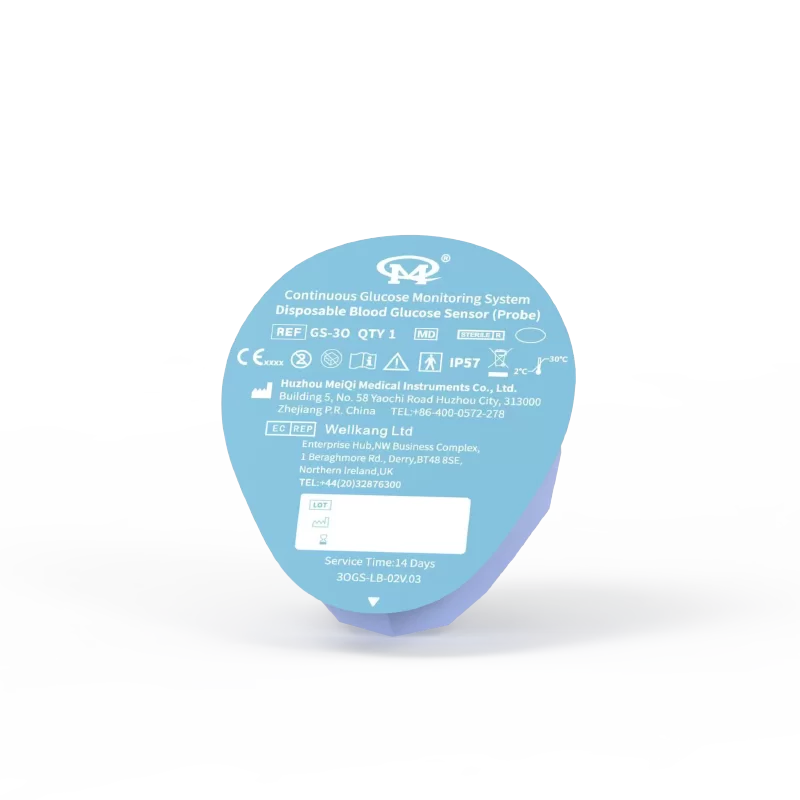
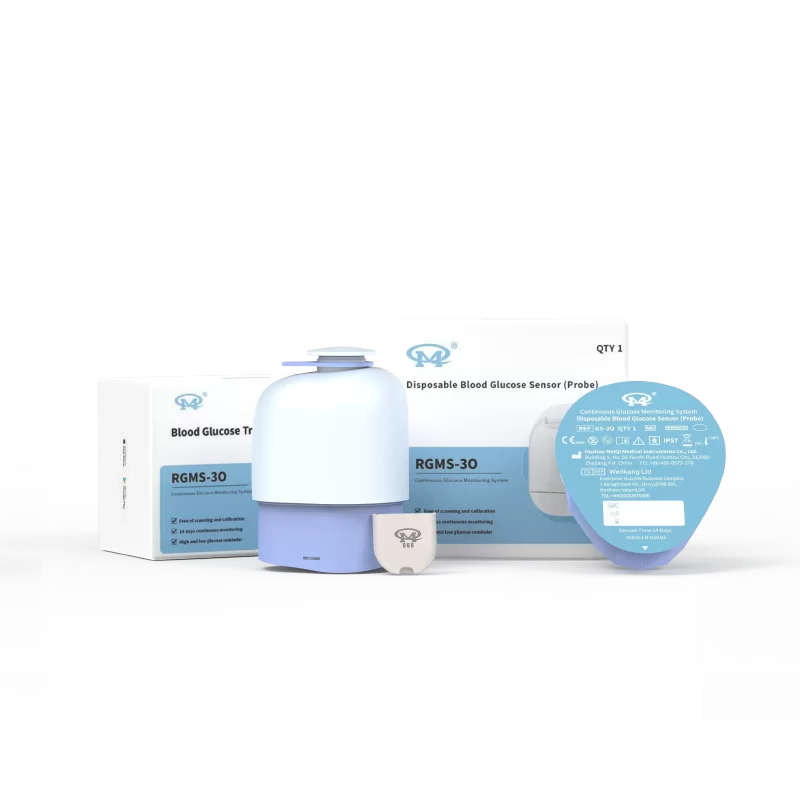
Unlike traditional glucose meters that require a blood sample, non-invasive methods utilize various technologies to measure glucose levels through the skin. These primarily include: Spectroscopy (using light to analyze glucose in interstitial fluid), Radiofrequency (RF) technology, and Ultrasound. Spectroscopic methods typically employ near-infrared or Raman spectroscopy. RF-based devices transmit radio waves to measure glucose concentration. Ultrasound-based systems utilize sound waves to analyze glucose levels. These technologies aim to detect glucose in the interstitial fluid – the fluid surrounding cells – without breaking the skin. The products from XMYLCGM represent a cutting-edge application of this technology, providing real-time glucose readings without the discomfort of needles.
Key Benefit: Painless and convenient glucose monitoring, reducing the burden of traditional finger-prick tests.
The advantages of embracing non invasive glucose monitoring products are significant. Firstly, they eliminate the pain and discomfort associated with traditional blood glucose testing. Secondly, they offer increased convenience, allowing for more frequent monitoring without the need for lancets and test strips. This leads to a better understanding of how diet, exercise, and medication impact glucose levels. Furthermore, frequent and painless monitoring encourages better adherence to diabetes management plans, potentially leading to improved health outcomes. The discreet nature of these devices also reduces the social stigma sometimes associated with traditional methods.
Key Advantages:
• Painless glucose readings
• Increased convenience and frequency of monitoring
• Improved adherence to management plans
• Discreet and reduces social stigma
The market offers various types of non-invasive glucose monitoring devices. Here’s a comparison to help you understand the options:
While primarily designed for individuals with diabetes, non-invasive glucose monitoring can also be beneficial for: Pre-diabetics (to track blood sugar levels and prevent progression to diabetes), Athletes (to optimize performance based on glucose fluctuations), Individuals interested in preventative health (to monitor metabolic health), and People with gestational diabetes (for convenient and painless monitoring during pregnancy). The XMYLCGM devices are suitable for a wide range of users seeking a comfortable and reliable glucose monitoring solution.
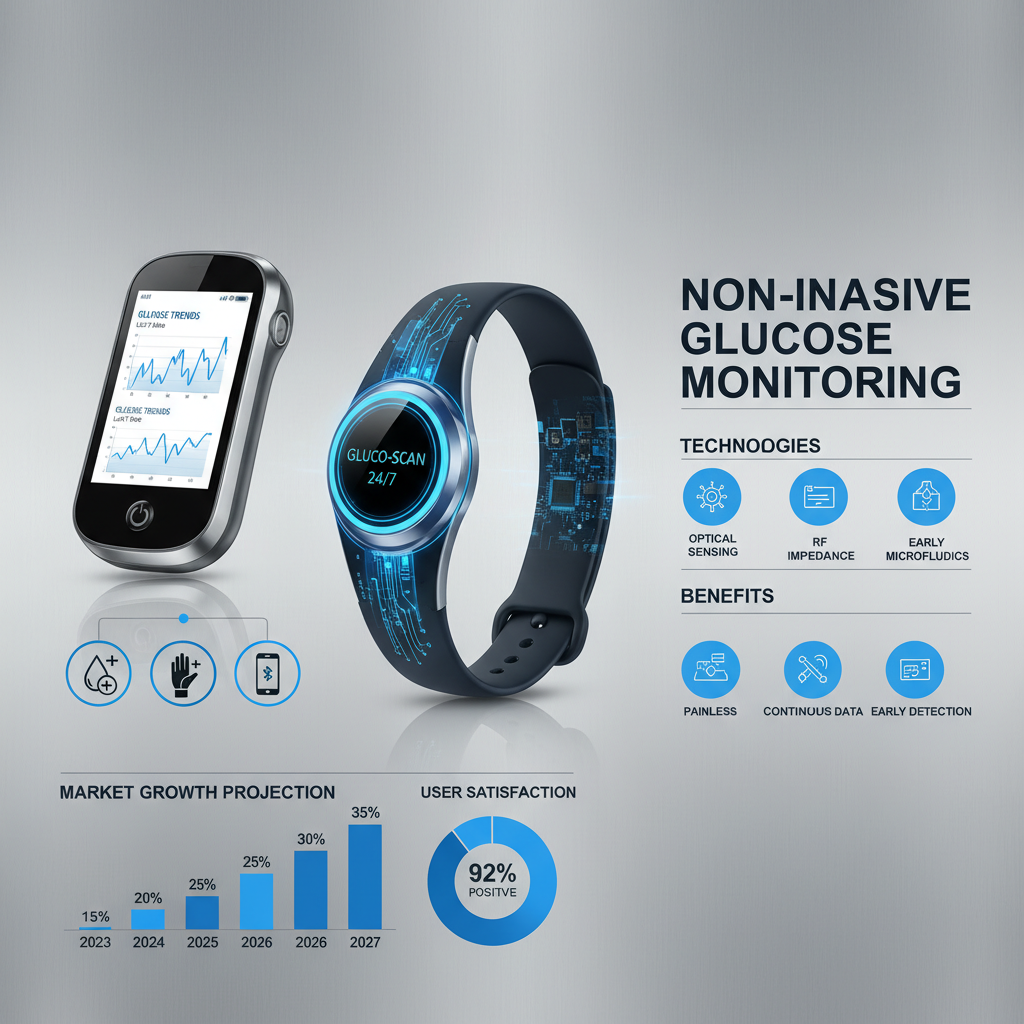
Research and development in non-invasive glucose monitoring are rapidly evolving. Future advancements are expected to focus on improving accuracy, reducing device size, and integrating with smartwatches and smartphones for seamless data tracking. We can anticipate even more personalized diabetes management solutions powered by artificial intelligence and machine learning. The goal is to create a truly unobtrusive and effective system that empowers individuals to take control of their health. XMYLCGM is committed to staying at the forefront of these innovations.
Non invasive glucose monitoring represents a significant leap forward in diabetes management and preventative healthcare. Offering a pain-free, convenient, and discreet alternative to traditional methods, these devices are poised to transform how we monitor and manage blood glucose levels. The future of glucose monitoring is here, and it's looking brighter than ever.
Accuracy varies depending on the technology and device. While not yet as precise as traditional blood glucose meters, the latest non-invasive monitors, like those offered by XMYLCGM, are achieving increasingly high levels of correlation with traditional methods. It’s important to note that factors like skin type, hydration levels, and environmental conditions can influence readings. Regular calibration against a traditional glucose meter may be recommended to ensure optimal accuracy.
Non-invasive glucose monitors are generally suitable for many people with diabetes, particularly those seeking a more comfortable and convenient monitoring experience. However, individuals with certain medical conditions or taking specific medications may need to consult with their healthcare provider before switching to a non-invasive method. It's crucial to ensure that the device aligns with your individual needs and treatment plan. Those requiring highly precise and immediate readings for critical decision-making should still rely on traditional blood glucose monitoring.
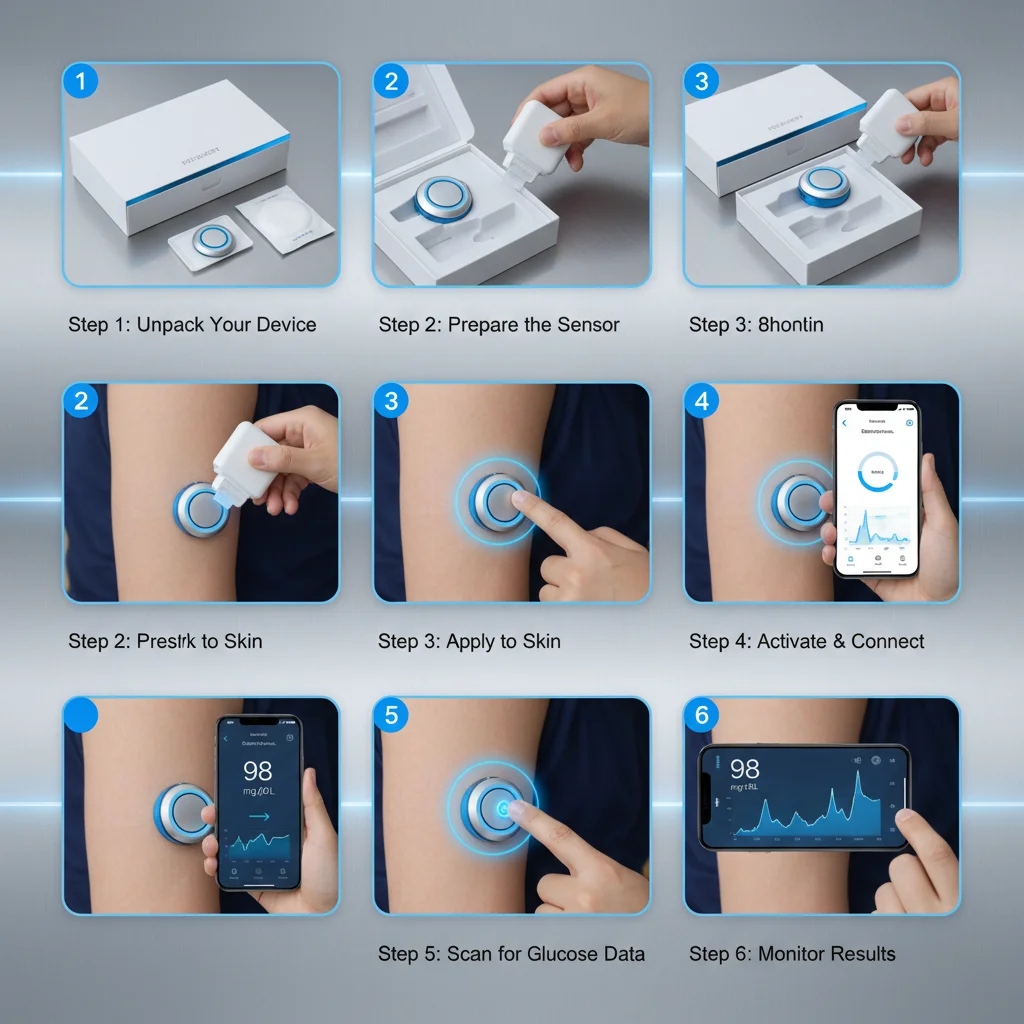
The time it takes to obtain a reading varies depending on the device. Some devices provide continuous glucose monitoring (CGM) with readings updated every few minutes, while others offer on-demand readings that take a few seconds to a minute. XMYLCGM products offer real-time data with minimal delay, providing users with up-to-date information on their glucose levels.
The cost of non-invasive glucose monitoring products varies widely, ranging from around $100 to $500 or more. The price depends on the technology, features, and brand. It’s important to factor in the ongoing costs of consumables or subscription fees, if applicable. While the initial investment might be higher than traditional glucose meters, the long-term benefits of comfort, convenience, and improved adherence can outweigh the costs.