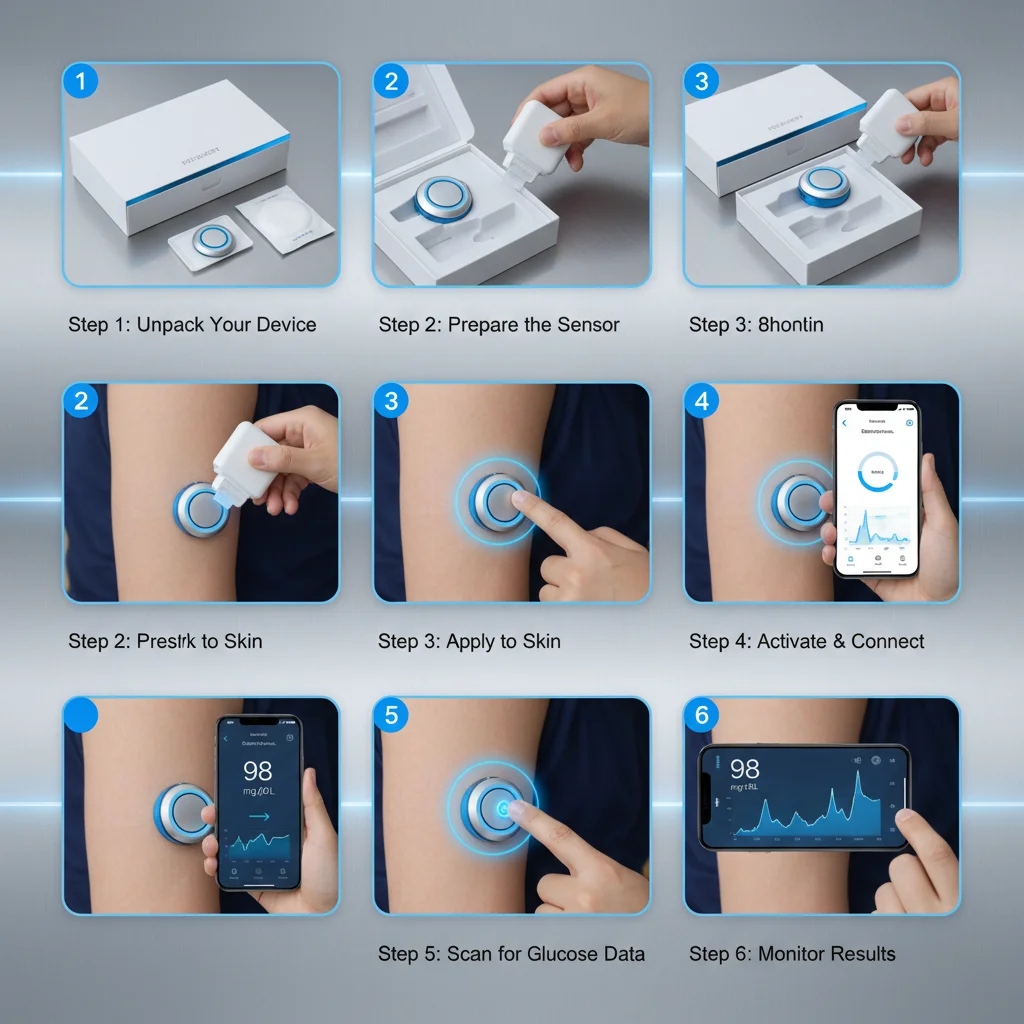
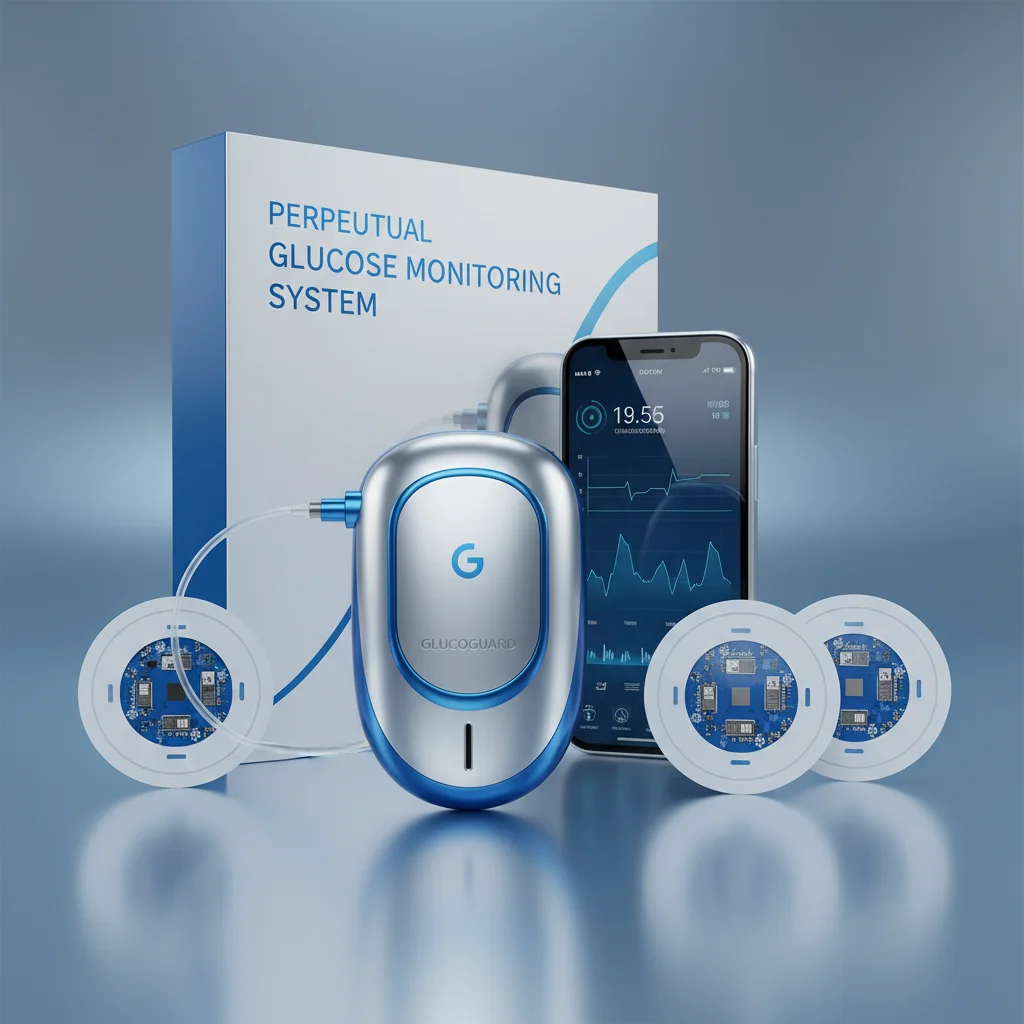
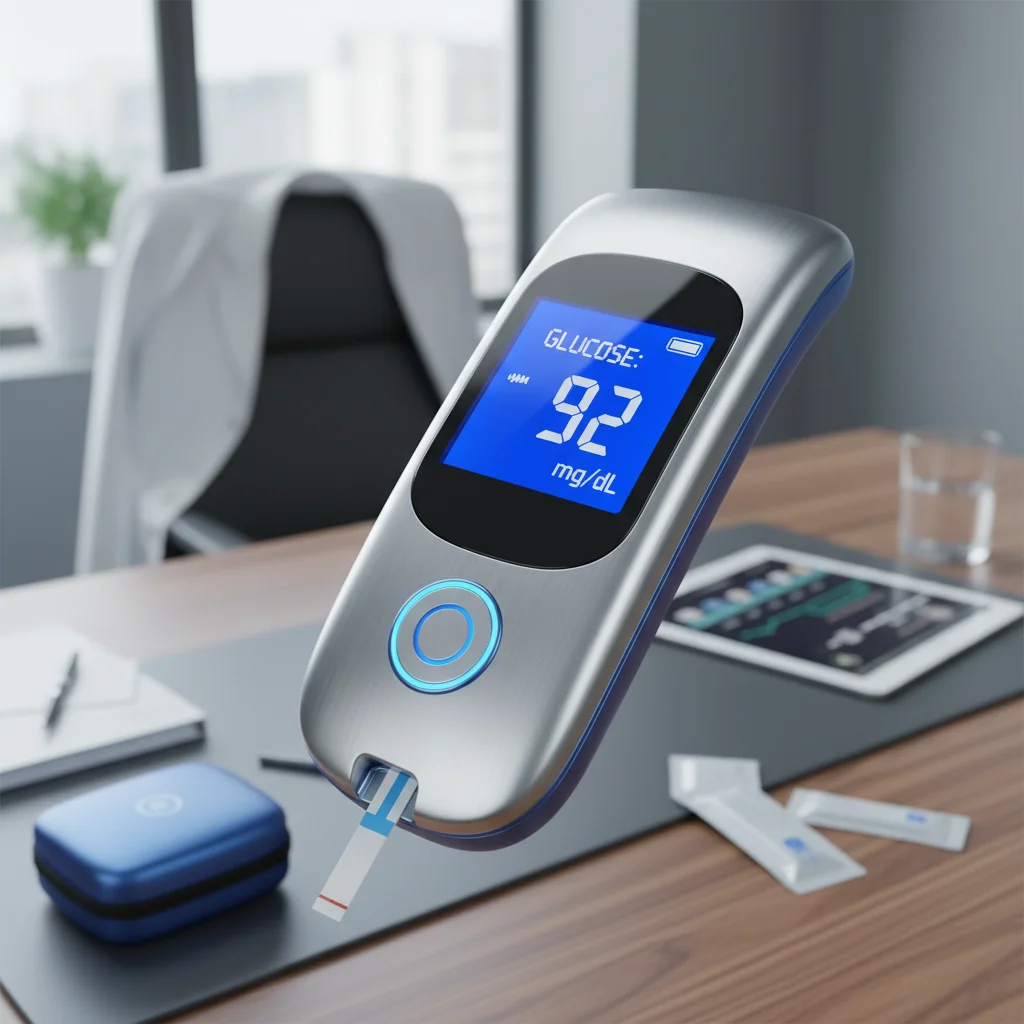
Managing diabetes effectively requires consistent monitoring of glucose levels. Continuous Glucose Monitoring (CGM) systems have revolutionized diabetes care, offering real-time data and empowering individuals to make informed decisions about their health. This article will explore the benefits, features, and applications of CGM systems, with a focus on the innovative products offered by XMYLCGM. Understanding the nuances of CGM technology is essential for both patients and healthcare professionals seeking to optimize glucose control and improve overall quality of life.
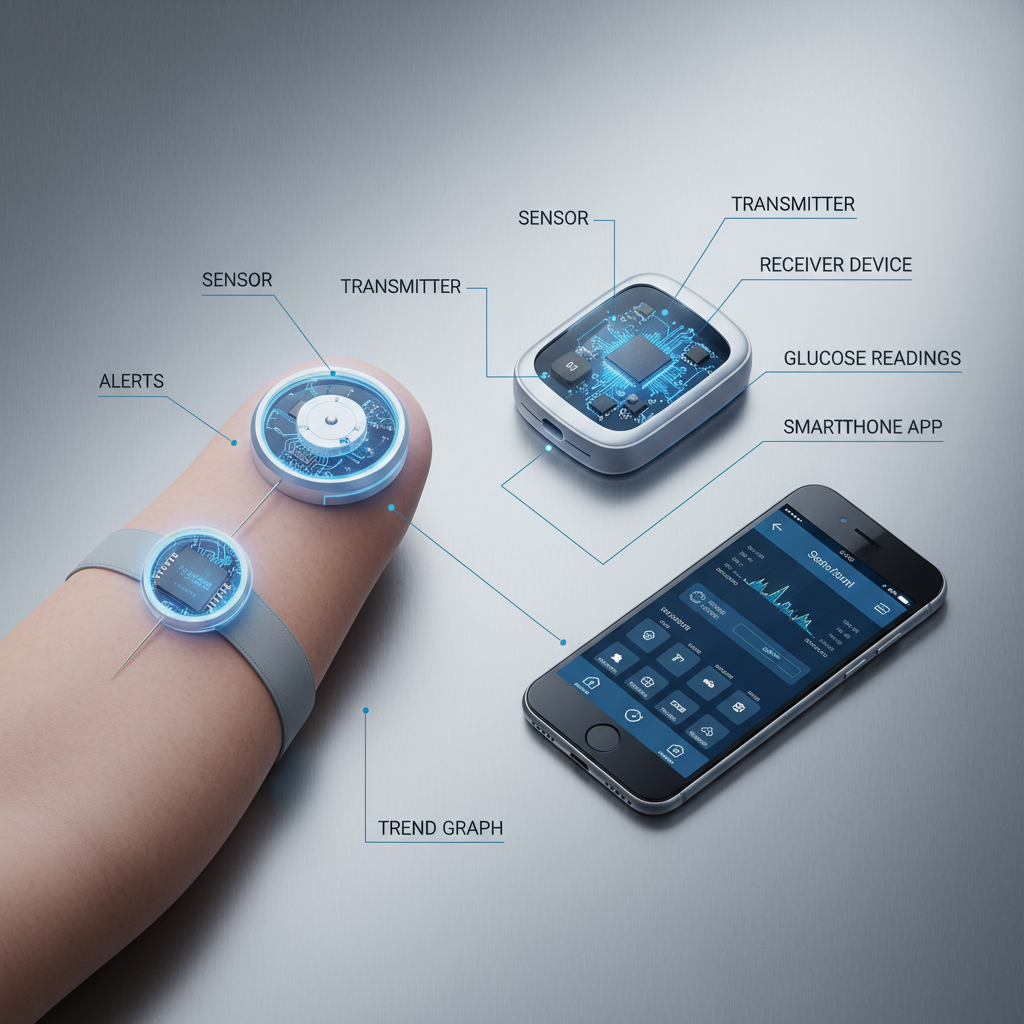
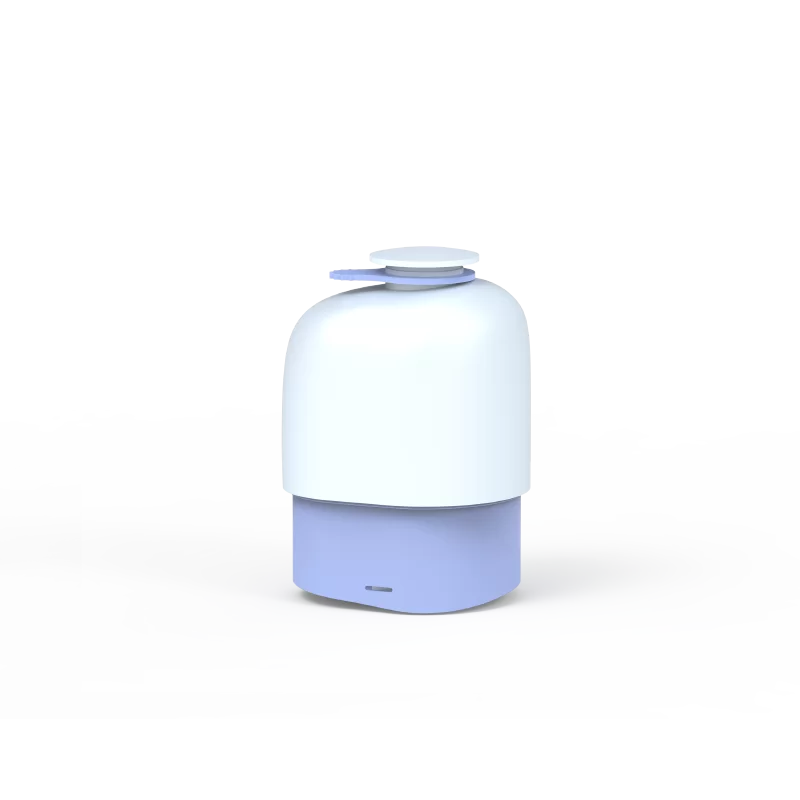
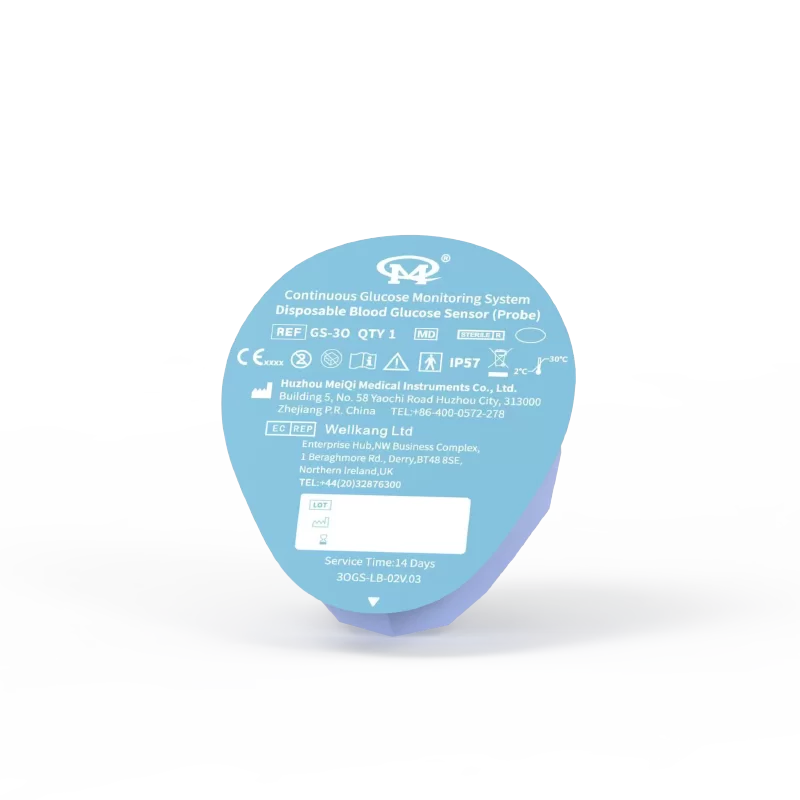
Traditional glucose monitoring relies on finger-prick blood tests, providing a snapshot of glucose levels at a specific moment in time. CGM systems, however, measure glucose levels continuously throughout the day and night. A small sensor inserted under the skin tracks glucose levels in the interstitial fluid, transmitting data to a receiver or smartphone. This provides a dynamic picture of glucose trends, revealing patterns that finger-prick tests might miss. This continuous data stream allows for more proactive diabetes management, enabling timely adjustments to medication, diet, and exercise. XMYLCGM offers a range of advanced CGM systems designed to meet diverse needs.
Key Highlights: CGM systems offer real-time glucose data, identify trends, and enable proactive diabetes management, leading to improved glucose control and better health outcomes.
The advantages of CGM systems are numerous. They can help reduce the frequency of finger-prick tests, minimize the risk of hypoglycemia (low blood sugar) and hyperglycemia (high blood sugar), and improve HbA1c levels (a measure of long-term glucose control). Furthermore, CGM data can be shared with healthcare providers, facilitating more informed treatment decisions. CGM systems also provide valuable insights into how factors like food, exercise, and stress affect glucose levels, empowering individuals to make lifestyle adjustments for optimal health. The data allows users to understand their individual responses to various stimuli.
Key Benefits:
• Reduced finger-prick tests
• Minimized risk of hypoglycemia and hyperglycemia
• Improved HbA1c levels
• Personalized insights into glucose trends
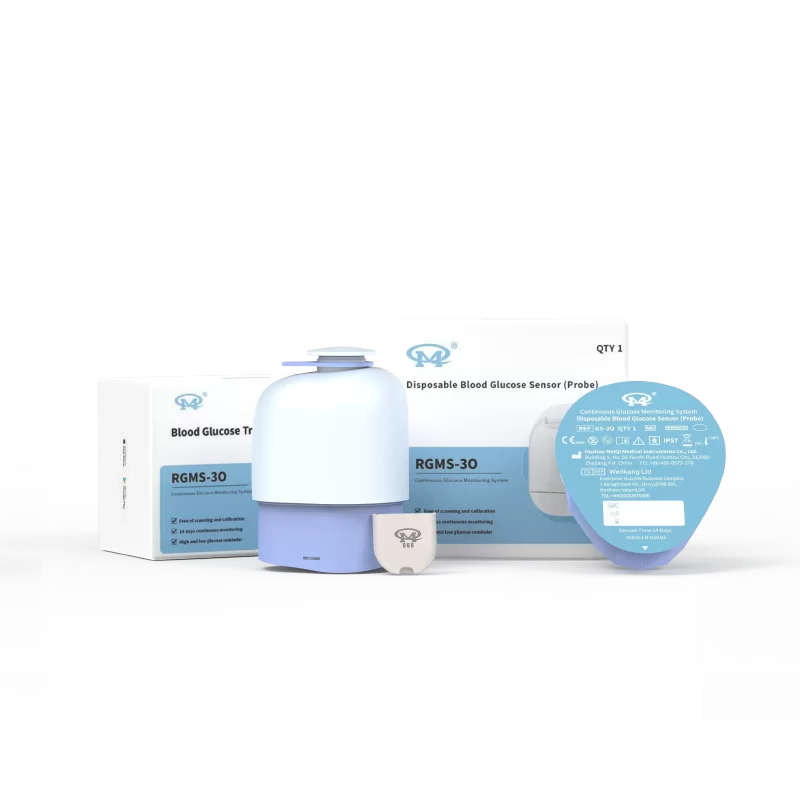
Different CGM systems offer varying features and specifications. Some key factors to consider include sensor accuracy, data transmission method, receiver or smartphone compatibility, and cost. XMYLCGM provides a range of CGM options to suit different budgets and needs. Below is a comparison of some popular CGM models:
At XMYLCGM, we understand that every individual's diabetes management journey is unique. That’s why we offer a diverse portfolio of CGM systems, ranging from our entry-level Lite model to our advanced Pro system. Our products are designed with accuracy, reliability, and user-friendliness in mind. We are committed to providing innovative solutions that empower individuals to take control of their health and live fulfilling lives. Our CGM systems are backed by comprehensive customer support and educational resources.
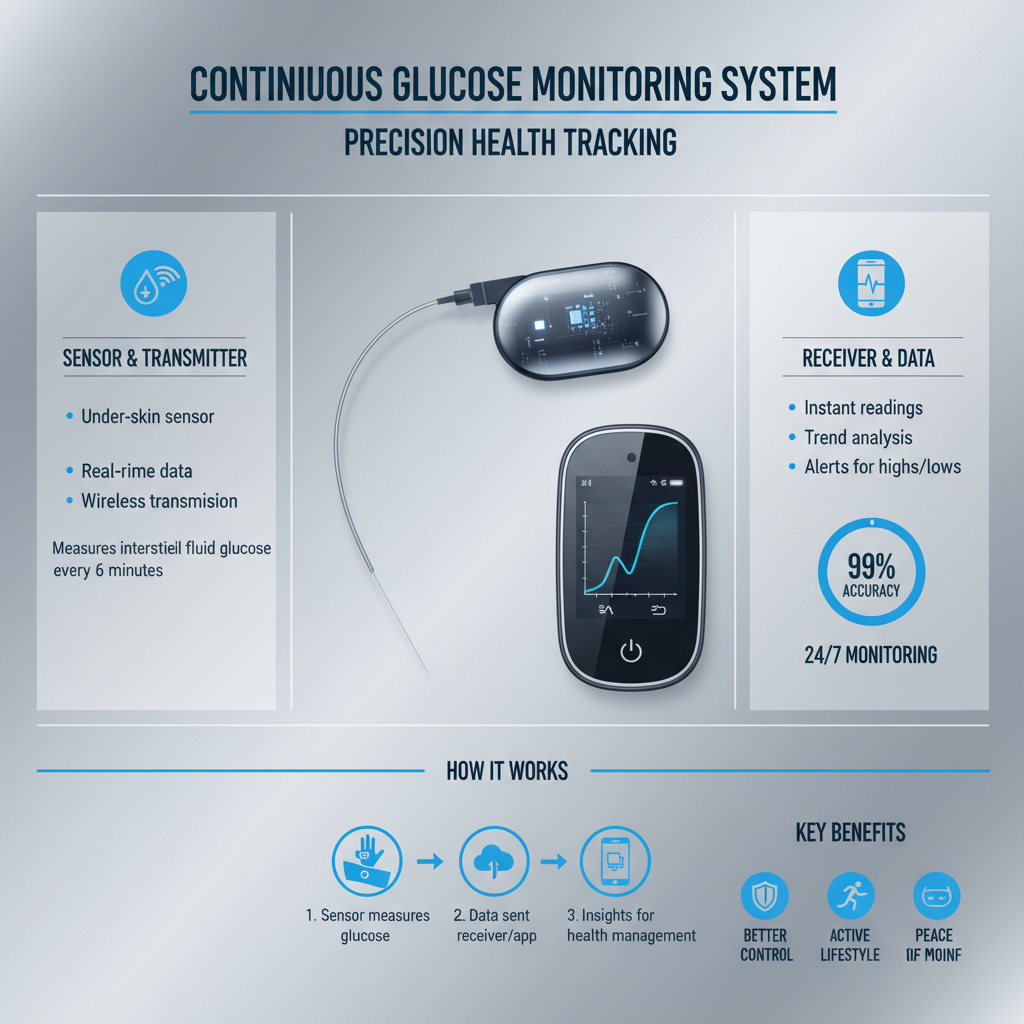
Selecting the right CGM system involves considering your individual needs and preferences. Factors to consider include your lifestyle, budget, comfort level with technology, and the level of detail you require in your glucose data. Consult with your healthcare provider to discuss the options and determine which system is best suited for you. XMYLCGM offers personalized consultations to help you navigate the selection process.
Continuous glucose monitoring systems are transforming diabetes care, providing real-time insights and empowering individuals to make informed decisions. XMYLCGM is dedicated to providing innovative and reliable CGM solutions to help you achieve optimal glucose control and improve your quality of life. Take the next step towards proactive diabetes management – explore the possibilities with XMYLCGM.
Calibration requirements vary depending on the specific XMYLCGM model. Some systems are factory-calibrated and require no routine finger-prick calibration, while others require one or two calibrations per day. Our advanced sensors minimize the need for calibration, ensuring a seamless user experience. Please refer to the user manual for your specific model for detailed calibration instructions. Consistent and accurate calibration is crucial for maintaining the reliability of your CGM data.
Insurance coverage for CGM systems varies depending on your insurance plan and location. Many insurance providers are now recognizing the value of CGM technology and providing coverage for eligible patients. We recommend contacting your insurance provider directly to inquire about coverage for XMYLCGM products. Our customer support team can also assist you with navigating the insurance process and provide documentation to support your claim.
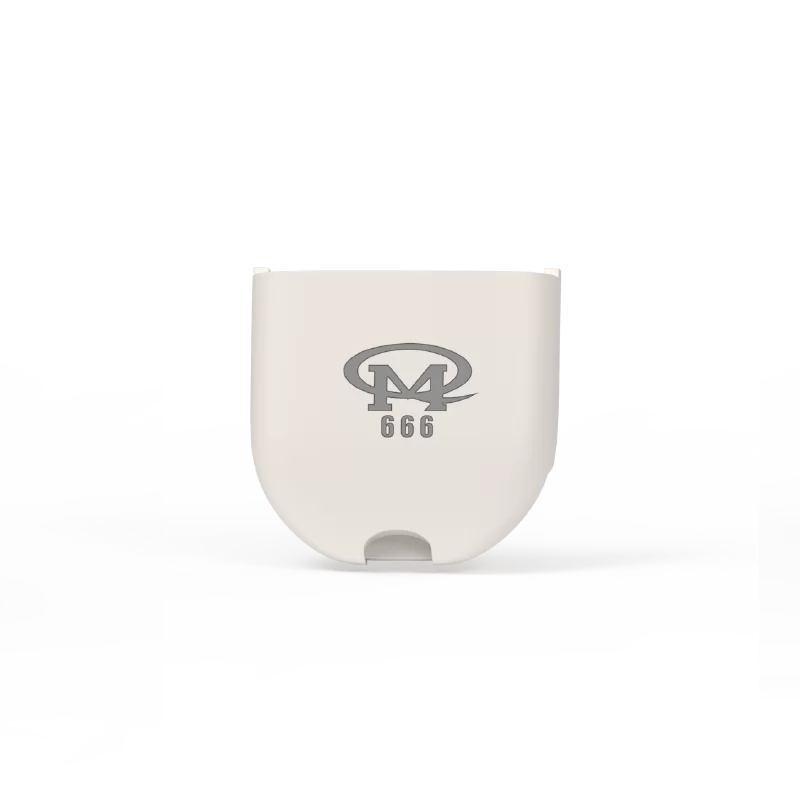
Proper disposal of used sensors and transmitters is important for environmental safety. Please follow local regulations for medical device disposal. Typically, sensors and transmitters are considered biohazardous waste and should be disposed of in designated sharps containers. Do not dispose of these items in regular trash. Contact your local waste management authority for specific guidelines in your area.
In the event of a sensor failure, XMYLCGM provides readily available replacement sensors. Sensor failures are rare, but can occur due to various factors. If a sensor fails, you should temporarily revert to finger-prick testing until a replacement sensor is functioning properly. Contact our customer support team immediately for assistance and to initiate a replacement. We prioritize ensuring our customers have uninterrupted access to accurate glucose data.