Living with diabetes or maintaining metabolic health often involves a trade-off between gaining necessary data and enduring the discomfort of traditional monitoring methods. For patients and healthcare providers alike, the challenge is no longer just about measuring blood sugar; it is about finding a solution that integrates seamlessly into daily life without the constant reminder of a medical condition. The anxiety associated with painful finger pricks and the fear of data gaps during sleep or exercise create a significant barrier to effective health management.
Huzhou Xinmei Medical Equipment Co., Ltd. addresses these critical pain points by redefining the user experience through advanced continuous monitoring technology. Backed by over 16 years of production experience, our approach prioritizes patient comfort and data reliability. By utilizing a non-invasive, patch-based design equipped with micro-needle technology, we significantly reduce trauma and application pain. This shift towards a "Smart Glucose Monitoring" ecosystem ensures that users can access vital health insights anytime and anywhere, transforming a medical necessity into a manageable, simplified lifestyle routine.
In the realm of Continuous Glucose Monitoring (CGM), technical specifications are not merely numbers; they are the safeguards of patient health. A superior glucose sensor must balance longevity with sensitivity, ensuring that the data provided is both immediate and actionable. At Huzhou Xinmei, we have optimized our sensor architecture to exceed standard market expectations, focusing on durability and high-frequency data transmission to support timely medical decisions.
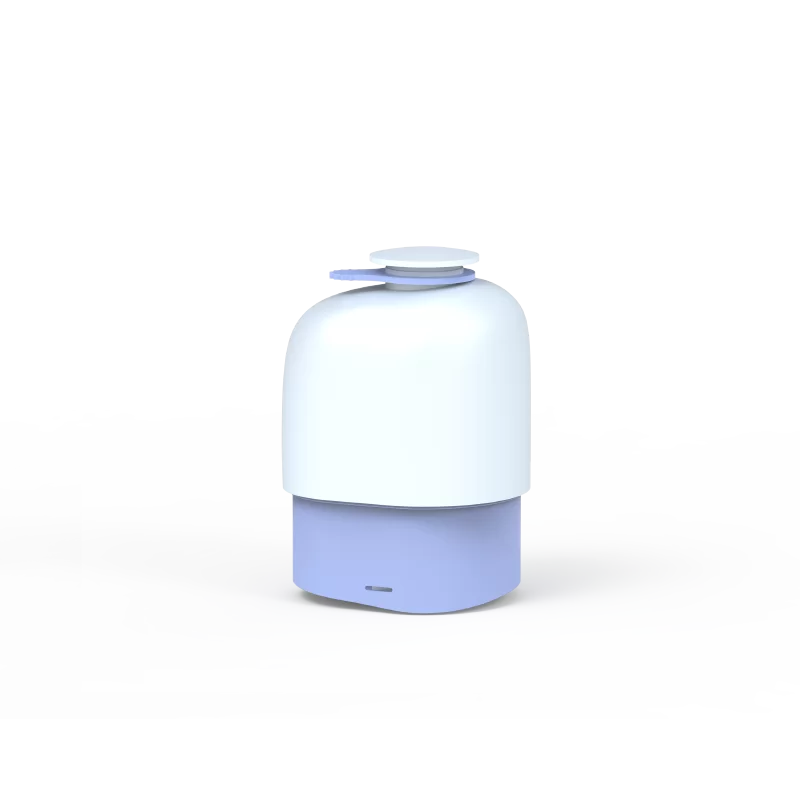
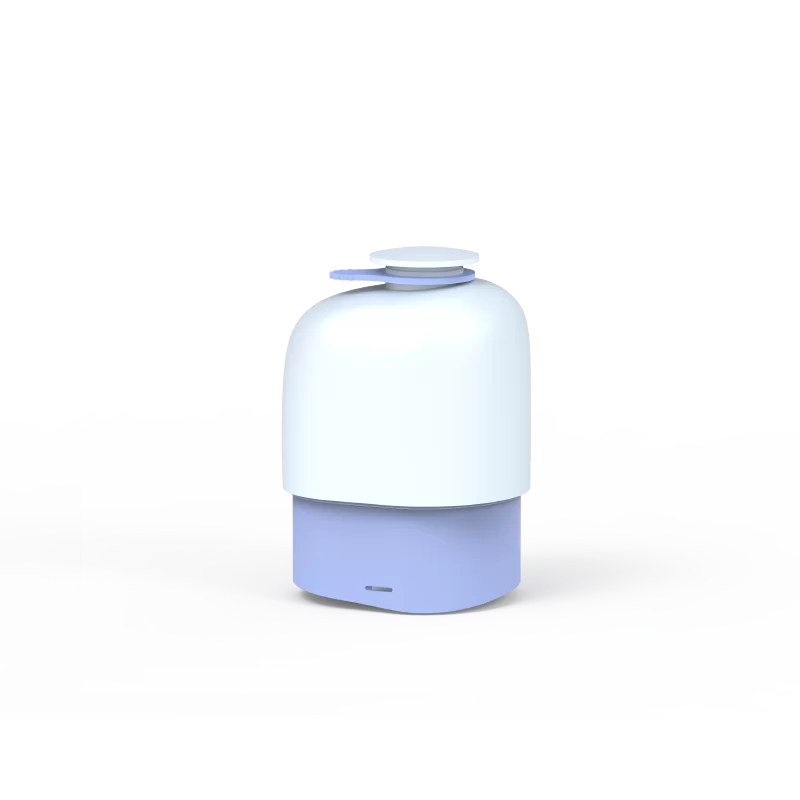
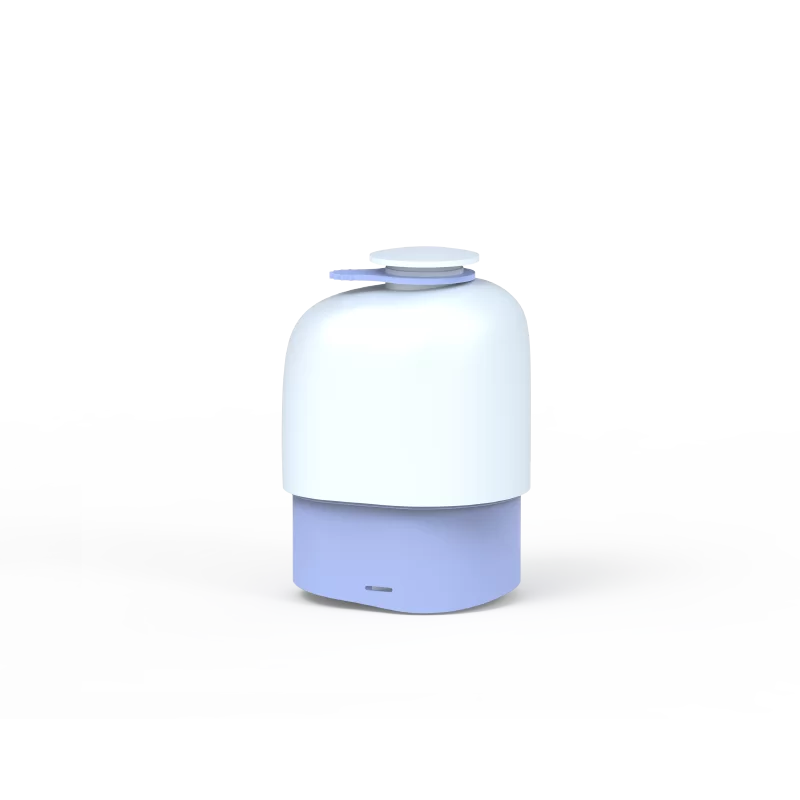
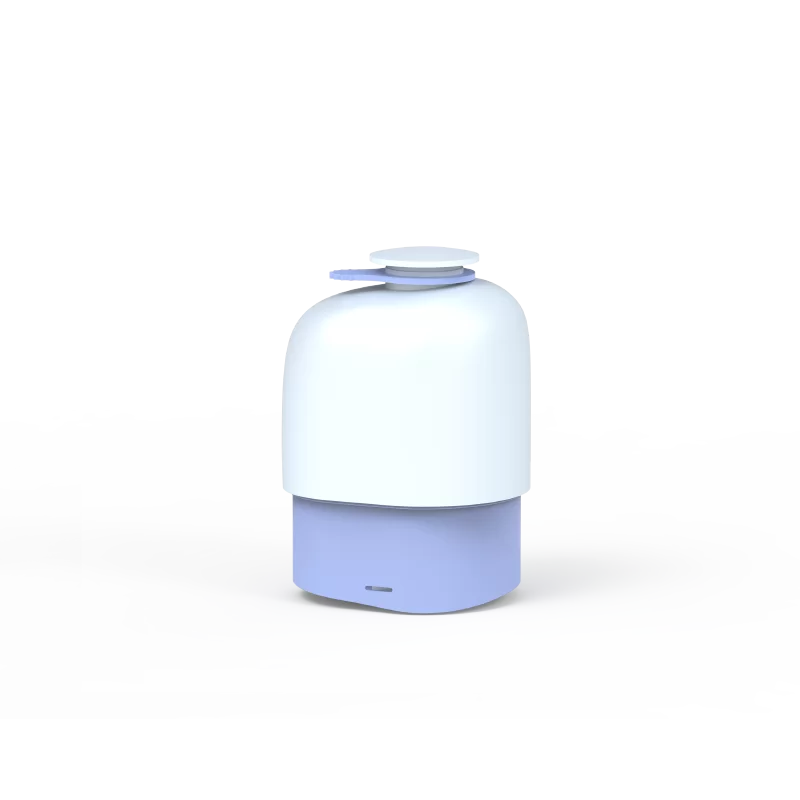
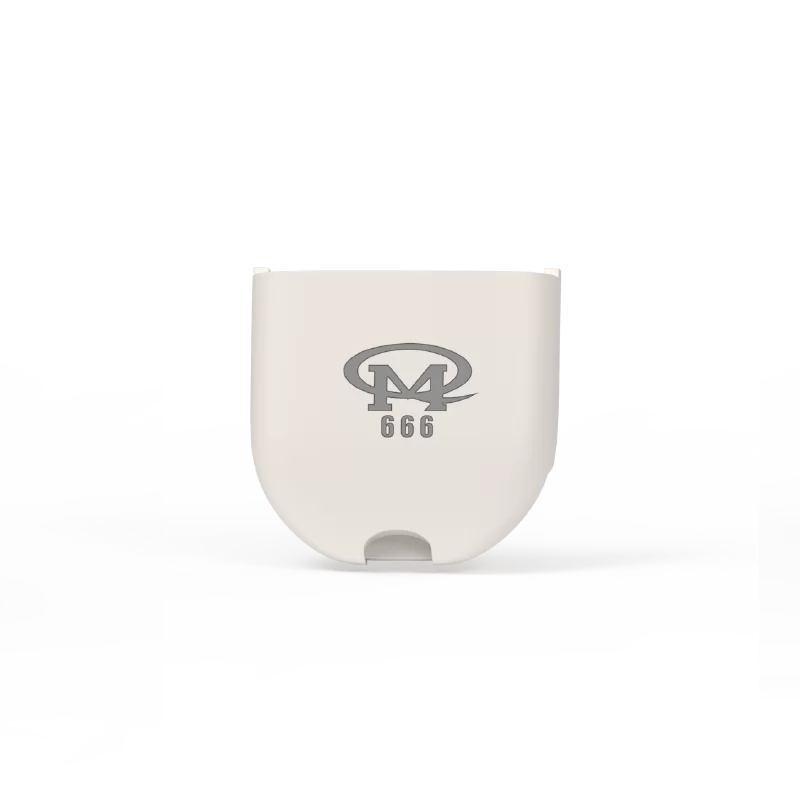
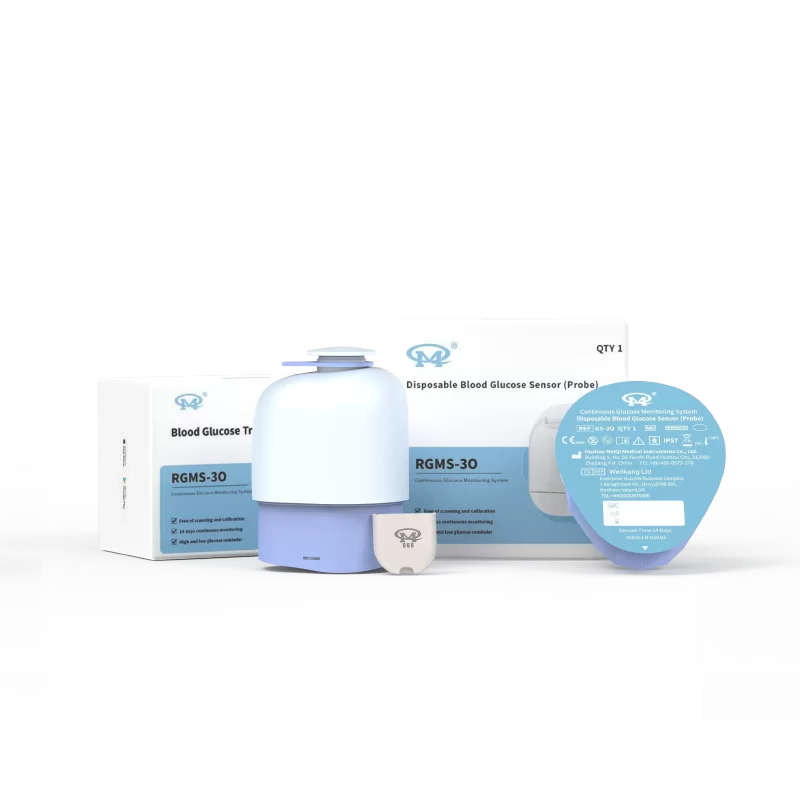
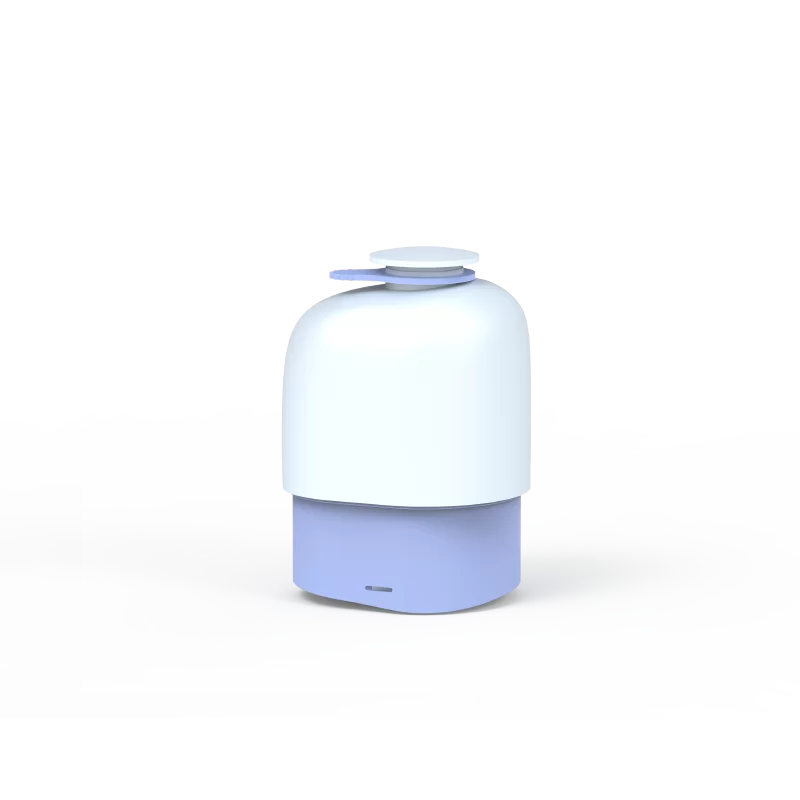
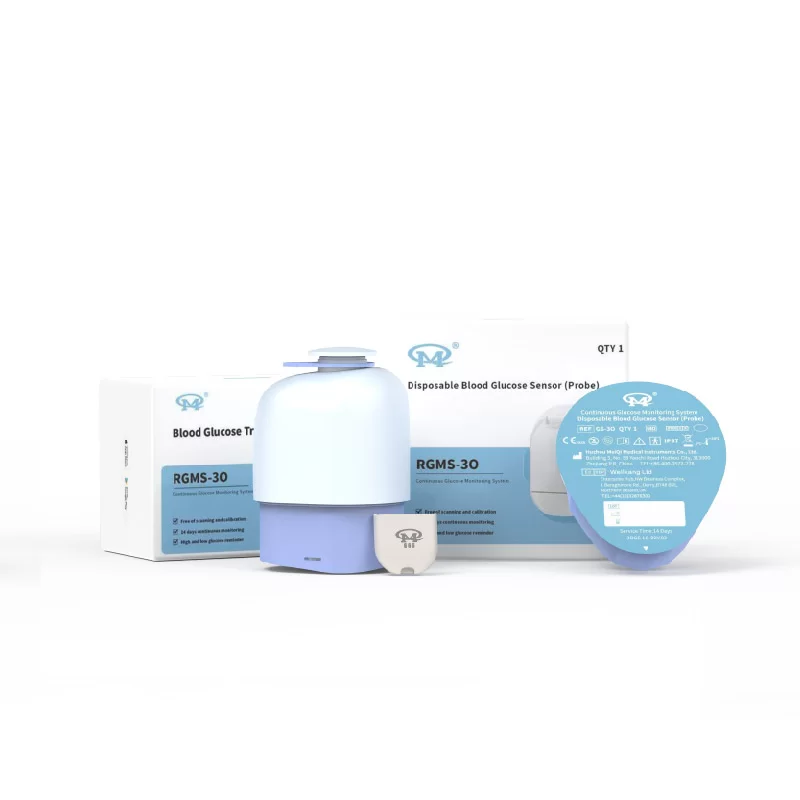
Our device leverages a robust reusable transmitter paired with high-sensitivity sensors to deliver clinical-grade accuracy. Below is a technical breakdown of how our engineering standards compare to general industry benchmarks, highlighting the specific advantages of our architecture.
| Performance Metric | Industry Significance | Our Engineering Standard | Advantage |
|---|---|---|---|
| Data Update Frequency | Determines reaction time for hypoglycemia. | Updates every 3 minutes | Faster detection of rapid glucose changes compared to standard 5-15 min intervals. |
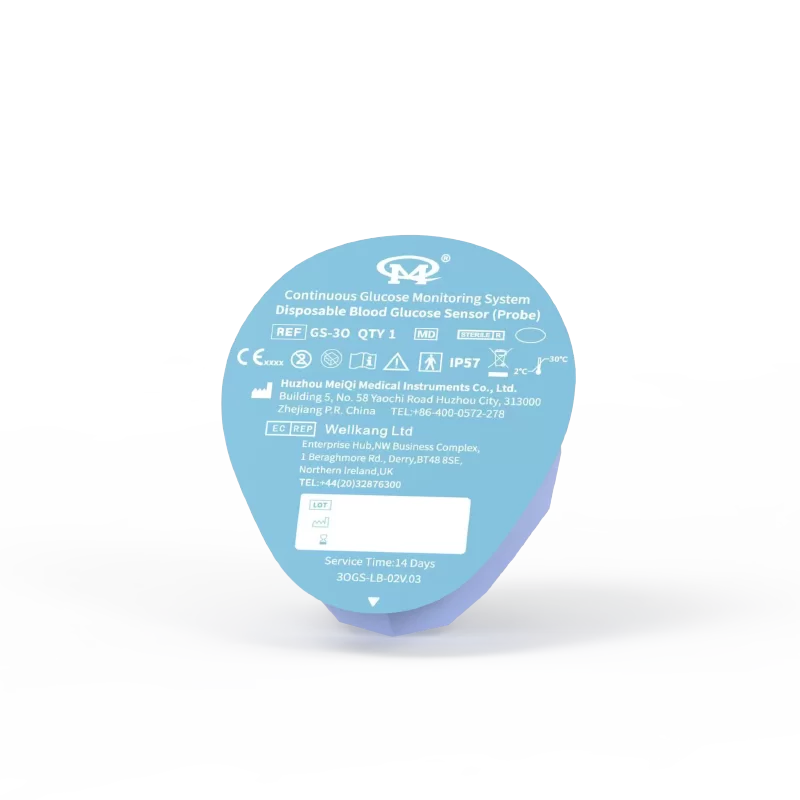
| Sensor Lifespan | Reduces frequency of sensor replacement. | 14-Day Continuous Monitoring | Minimizes disruption and application trauma for the user. |
| Ingress Protection | Allows for showering and swimming. | IPX7 Waterproof Protection | Maintains accuracy during full submersion, ensuring lifestyle freedom. |
| System Longevity | lowers long-term cost of ownership. | 3-Year Transmitter Lifespan | Significantly more cost-effective than fully disposable systems. |
When evaluating medical device procurement or personal health investments, the analysis must extend beyond the initial purchase price to consider the Total Cost of Ownership (TCO) and long-term value. A glucose sensor that requires frequent replacement or lacks durability inevitably drives up costs and waste. By engineering a system centered around a reusable transmitter with a 3-year lifespan, we fundamentally alter the economic model of glucose monitoring.
This strategic shift aligns with global trends toward cost-effective healthcare solutions without compromising on quality. The combination of a reusable core component with affordable 14-day sensors delivers a high return on investment for distributors and end-users. Furthermore, with the domestic CGM market experiencing explosive growth and policy dividends being unleashed as of late 2025, adopting a compliant, durable solution positions stakeholders to maximize value in a rapidly iterating industry. The chart below illustrates the data density advantage, demonstrating how our 3-minute update interval provides superior granular insight compared to market averages.
Related products
Top Selling Products