


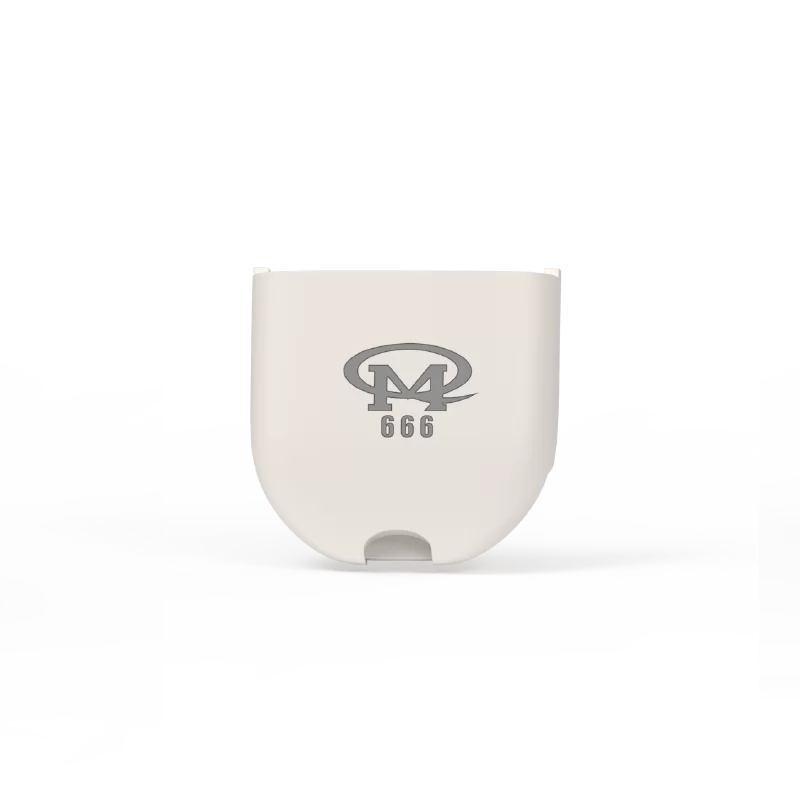
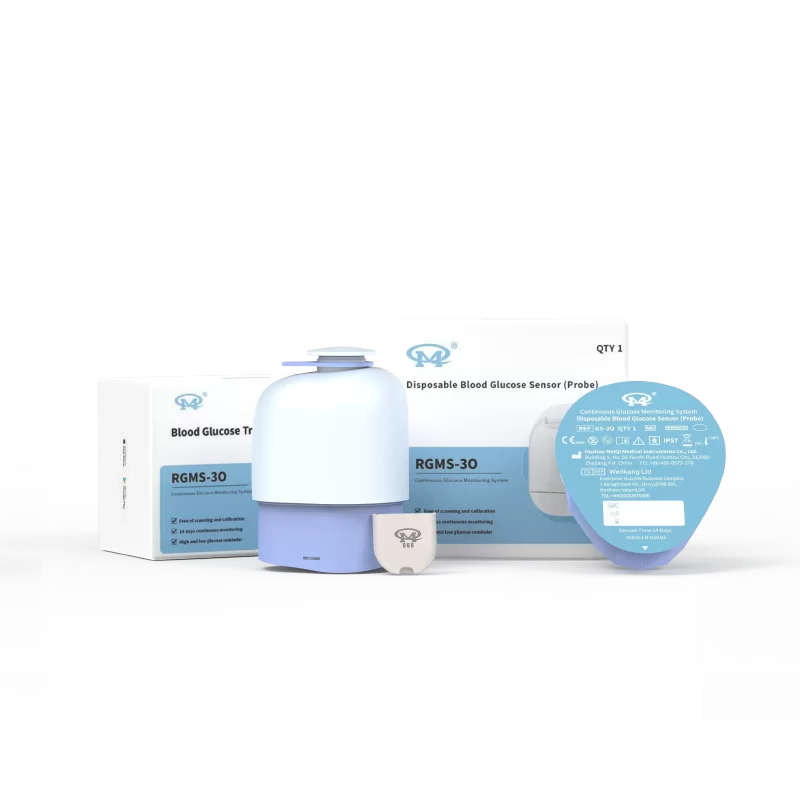
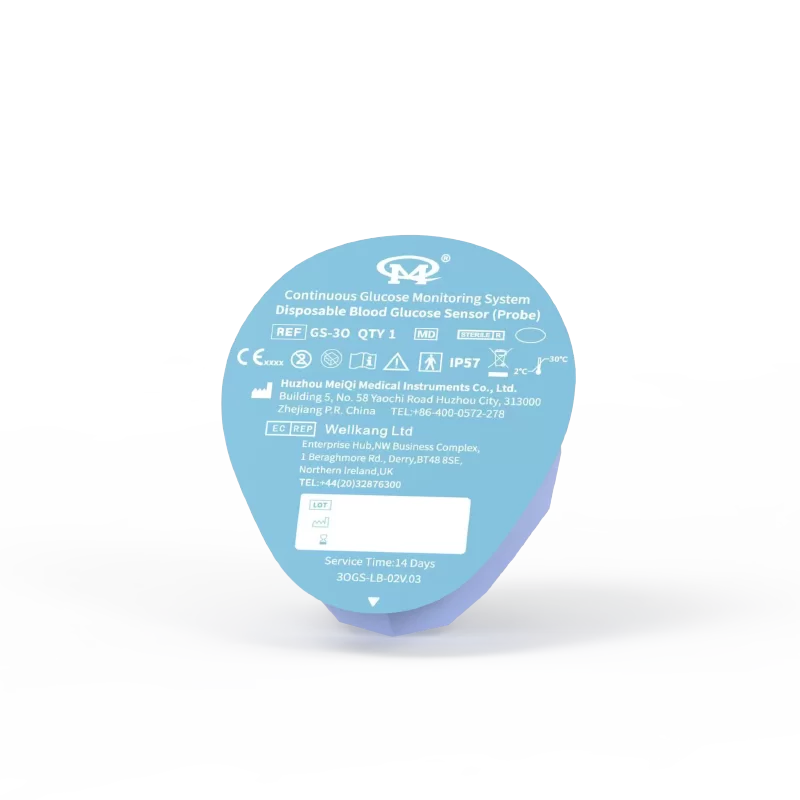

In Yemen, the prevalence of diabetes is rising amidst a fragile healthcare infrastructure. The extreme climate, characterized by intense heat and dust, poses significant challenges for the stability of traditional reagents and the durability of a glucose monitor patch, requiring medical devices that are robust and temperature-resistant.
Economic instability has led to a scarcity of high-end diagnostic tools. Most patients still rely on intermittent finger-prick tests, which fail to capture nocturnal hypoglycemia or postprandial spikes. This creates an urgent demand for an affordable and reliable continous glucose monitor that can function independently of frequent clinical visits.
Furthermore, the logistics of medical supply chains in Yemen are often disrupted. The shift toward a non invasive glucose monitor is viewed as a strategic goal to reduce the dependency on disposable lancets and strips, which are often subject to import delays and high costs.


