


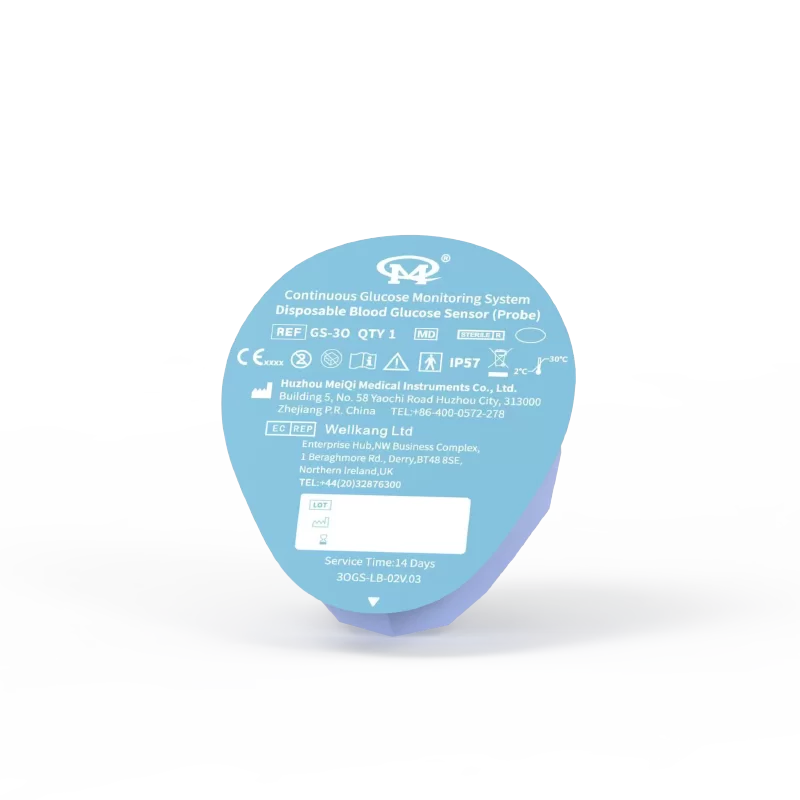
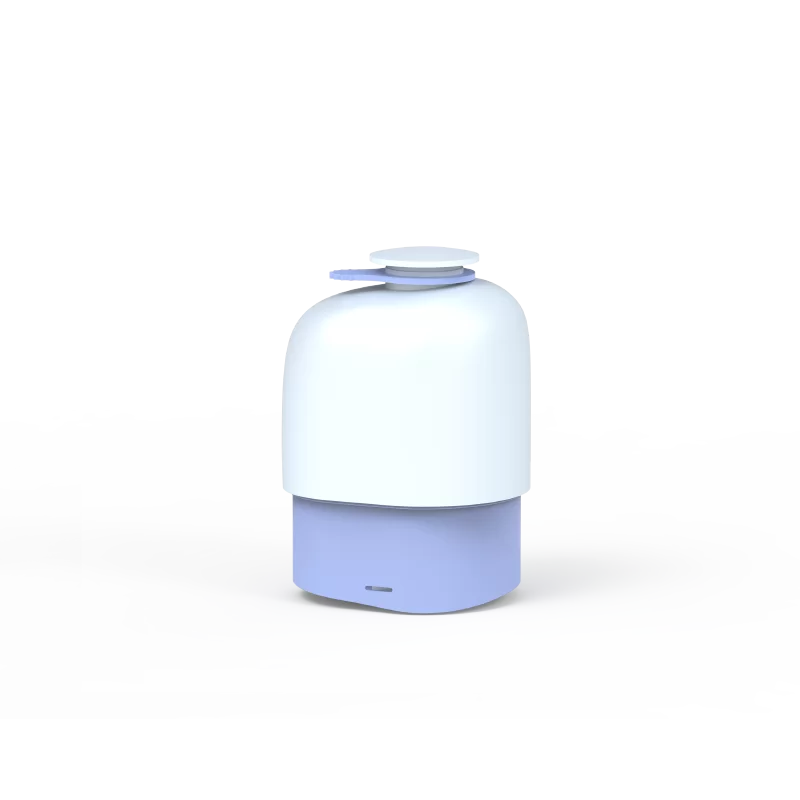
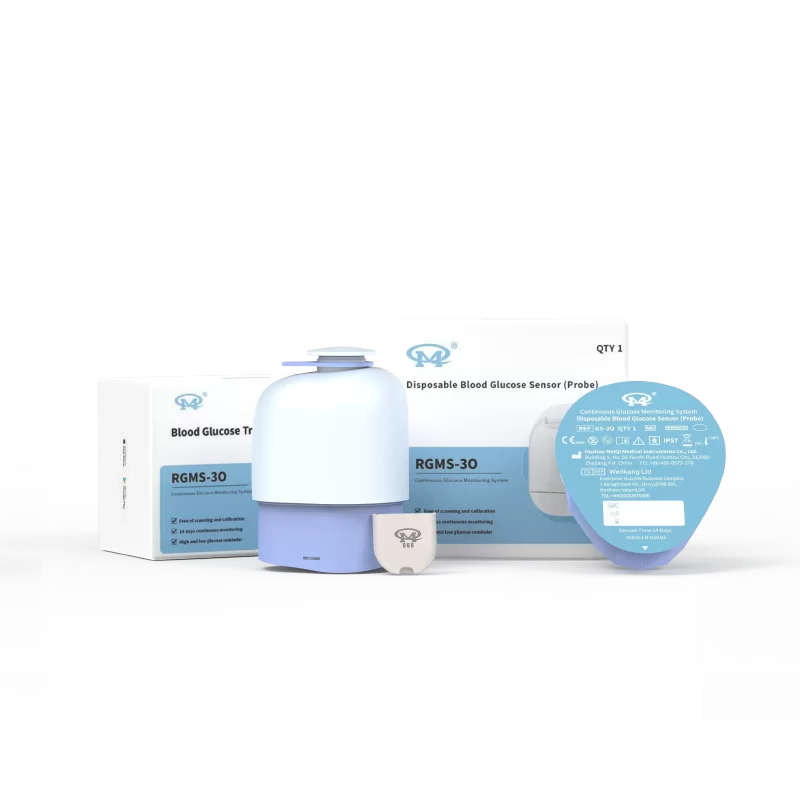
Mongolia faces unique challenges in chronic disease management due to its extreme continental climate and low population density. In rural regions, the distance to medical centers makes the adoption of a glucose monitor patch essential, as it reduces the need for frequent clinical visits and allows for remote patient monitoring.
The economic transition in Mongolia has led to dietary changes, increasing the prevalence of Type 2 diabetes. There is a growing demand for a continous glucose monitor that can withstand extreme temperature fluctuations, from scorching summers to freezing winters, without losing sensor accuracy.
Current healthcare infrastructure in Ulaanbaatar is modernizing rapidly, but the "last mile" of care remains difficult. The introduction of a non invasive glucose monitor is viewed as a transformative step to increase screening rates among nomadic populations who may be hesitant about traditional invasive sampling.


