

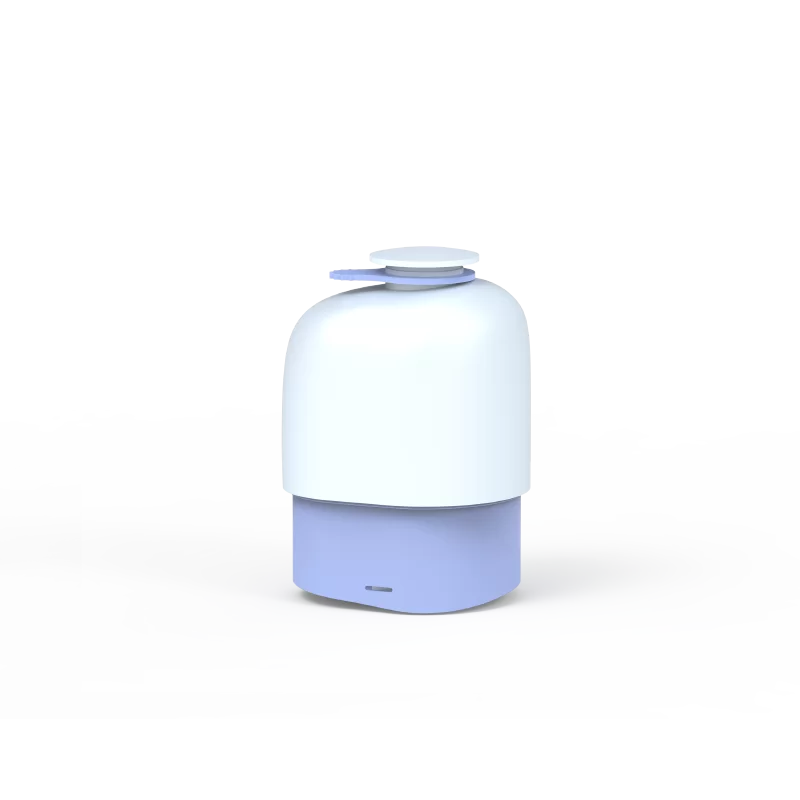
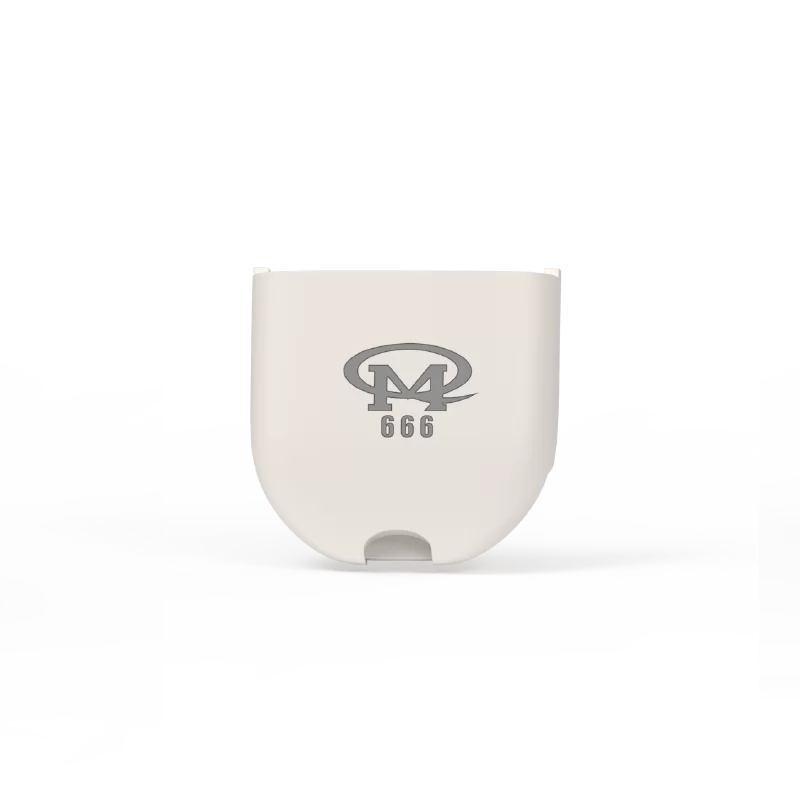
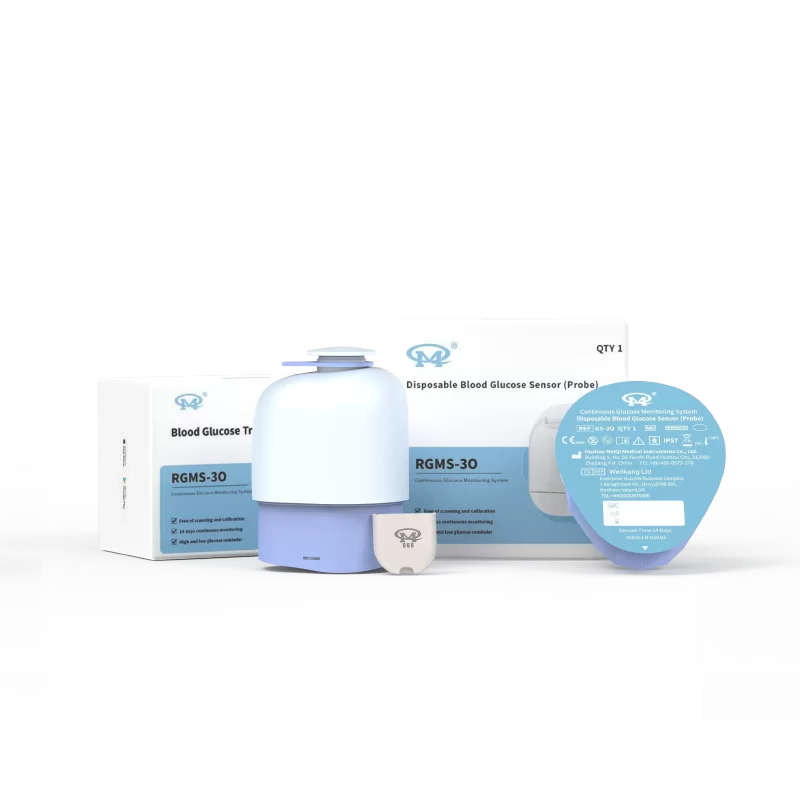
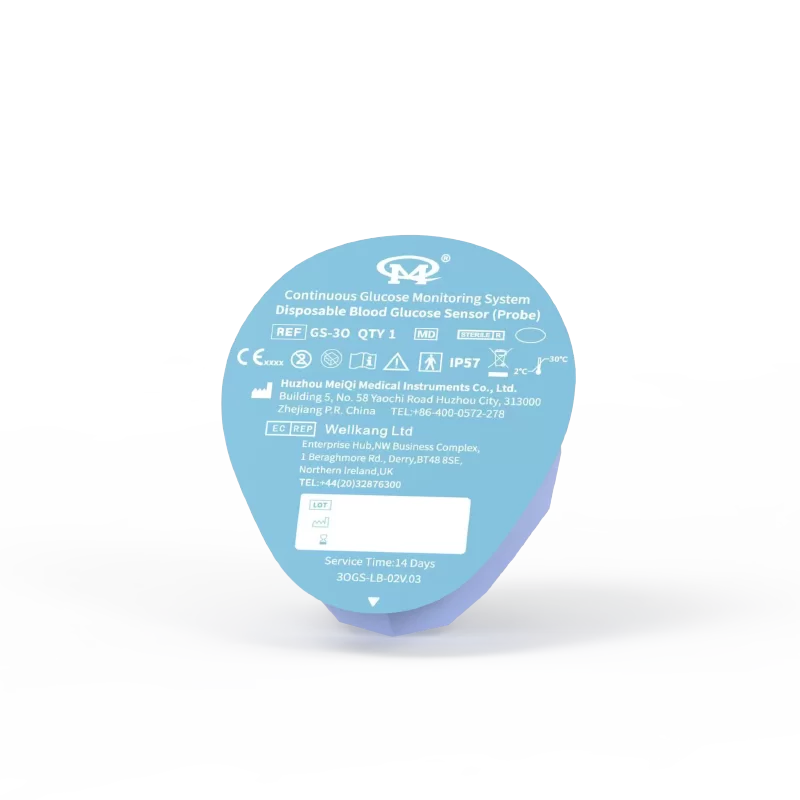
Advanced Diabetes Management in Libya via cgm glucose monitoring system

Advanced Diabetes Management in Libya via cgm glucose monitoring system

Download PDF
Contact Us

Advanced Diabetes Management in Libya via cgm glucose monitoring system

Integrating precision medical instrumentation to combat diabetes prevalence across the Libyan healthcare landscape with real-time monitoring technology.

Advanced Diabetes Management in Libya via cgm glucose monitoring system

Our comprehensive diagnostic solutions provide Libyan patients and clinicians with uninterrupted glucose data, reducing the reliance on painful finger-stick tests and improving long-term glycemic control.

Healthcare Landscape for Glucose Monitoring in Libya

Analyzing the intersection of environmental challenges and medical device adoption in North Africa.

Libya's healthcare infrastructure faces unique challenges due to geopolitical instability and extreme arid climates. The high temperature and humidity levels in coastal regions like Tripoli and Benghazi can affect the stability of traditional chemical reagents used in standard testing, making the demand for a robust continuous glucose monitor more critical than ever for reliable patient data.

Economically, there is a growing shift towards privatized healthcare and imported medical instrumentation. However, the scarcity of specialized endocrinologists in rural Libyan districts necessitates the use of a glucose monitor patch that allows patients to self-manage their condition and transmit data remotely to urban centers.

Currently, the market is transitioning from reactive treatment to proactive monitoring. The adoption of a non invasive glucose monitor is viewed as a strategic priority to increase patient compliance, as the local population is increasingly seeking pain-free alternatives to traditional blood sampling.

Evolution of Glucose Monitoring Technology in Libya

From manual capillary testing to autonomous digital health ecosystems.

Market Development History

Prior to 2010, the Libyan market relied almost exclusively on traditional glucometers requiring manual blood sampling. This era was characterized by sporadic monitoring and high patient discomfort, leading to poor adherence in chronic disease management.

Between 2012 and 2020, the introduction of early-stage continous glucose monitor devices began to appear in private clinics. This period marked the shift toward "trend analysis," where doctors could see glucose fluctuations over 24 hours rather than single point-in-time snapshots.

From 2021 to the present, the integration of IoT and wearable sensors has revolutionized the field. The deployment of the continuous glucose monitor has become a standard for high-risk diabetic patients in Libya, enabling real-time alerts for hypoglycemia.

Future Development Trends

AI-Driven Predictive Analytics

Integrating machine learning with sensor data to predict hypoglycemic events 30 minutes before they occur, specifically tailored to the dietary patterns of the Libyan population.

Eco-Friendly Biosensors

Developing biodegradable sensor materials to reduce medical waste in North African landfills while maintaining high precision in extreme heat.

Full Integration with Telemedicine

Creating a unified cloud platform where Libyan health ministries can monitor regional diabetes trends in real-time using aggregated CGM data.

Industry Trends and Future Outlook

Strategic foresight into the medical diagnostic equipment market for Libya.

Non-Invasive Dominance
A surge in demand for sensors that require no skin penetration, reducing infection risks in dusty environments.
Smart-Patch Integration
Moving toward ultra-thin, flexible patches that blend with the skin for better discretion and patient comfort.
Cloud-Based Diagnostics
Real-time synchronization between devices and hospital databases across Libyan governorates.
Cost-Effective Scaling
Developing tiered pricing models to make high-end CGM systems accessible to lower-income Libyan families.

Industry Outlook

Based on Google search trends in the MENA region, queries for "non-invasive diabetes monitoring" have increased by 25% annually. In Libya, this reflects a systemic desire to move away from traditional invasive methods toward digital health autonomy.

The next five years will likely see the consolidation of medical device manufacturing and local distribution, where the focus shifts from selling hardware to providing "Monitoring-as-a-Service" (MaaS) for the Libyan healthcare sector.

Localized Application Scenarios in Libya

Practical implementations of CGM technology across various Libyan environments.

01. Remote Desert Community Monitoring

Utilizing a glucose monitor patch for patients in the Sahara regions of southern Libya, allowing them to maintain stable levels without traveling hundreds of kilometers to a clinic.

02. Urban Clinic Efficiency in Tripoli

Implementing cgm glucose monitoring system in crowded metropolitan clinics to reduce patient waiting times by eliminating manual blood tests during consultations.

03. Elderly Care in Benghazi

Applying a non invasive glucose monitor for the elderly population who suffer from fragile skin and struggle with daily needle-based sampling.

04. Pediatric Diabetes Management

Using a continuous glucose monitor for children in Libyan schools, providing parents with real-time alerts to prevent sudden hypoglycemic shocks.

05. Occupational Health for Oil Field Workers

Deploying ruggedized CGM systems for technicians working in Libya's oil and gas sector, ensuring their health is monitored despite harsh working conditions and irregular shifts.

Brand Story

Global Development Journey of Huzhou Xinmei Medical Equipment Co., Ltd.

Founding Vision

Established with a mission to democratize precision diagnostics, we focused on solving the "pain point" of invasive monitoring in early medical device design.

Technological Breakthrough

Our R&D team perfected the biosensor interface, enabling a higher signal-to-noise ratio and unprecedented accuracy in wearable glucose patches.

Global Expansion

We extended our reach into Africa and the Middle East, tailoring our manufacturing processes to meet the regulatory and environmental needs of diverse climates.

Quality Certification

Achieving international ISO and CE certifications, ensuring that our diagnostic tools meet the highest global safety and efficacy standards.

Future Commitments

Continuing to innovate in non-invasive sensing technology to ensure a future where diabetes management is invisible, effortless, and accessible to all.

Libya CGM Technology FAQs

Addressing common technical and operational queries from our Libyan partners.

How does a continuous glucose monitor perform in Libya's high heat?

Our devices are engineered with heat-resistant adhesives and temperature-compensated enzymes to ensure stability and accuracy even in temperatures exceeding 40°C.

Is a non invasive glucose monitor suitable for all diabetic types in Libya?

Yes, non-invasive systems are excellent for general monitoring and trend tracking for both Type 1 and Type 2 patients, though clinical consultation is recommended for insulin dosing.

What is the lifespan of a glucose monitor patch in humid coastal areas?

Our medical-grade hypoallergenic patches are designed to resist moisture and sweat, typically lasting 10-14 days without losing adhesion in humid environments.

How do I integrate a cgm glucose monitoring system with local Libyan clinics?

Our systems support standard data export formats (PDF/CSV) and cloud synchronization, allowing patients to share their reports directly with their physicians via email or app.

Does the continous glucose monitor require special calibration?

Our latest generation of sensors is factory-calibrated, meaning users in Libya can start monitoring immediately without the need for frequent finger-stick calibrations.

Are these medical devices compliant with North African healthcare regulations?

Our products hold international certifications including CE and ISO, which are widely recognized and accepted by the Libyan Ministry of Health and private providers.

Partner With Us for Better Health

Ready to upgrade your diagnostic capabilities? Contact our specialists to bring advanced glucose monitoring solutions to Libya.

Contact Us Now

If you are interested in our products, you can choose to leave your information here, and we will be in touch with you shortly.