


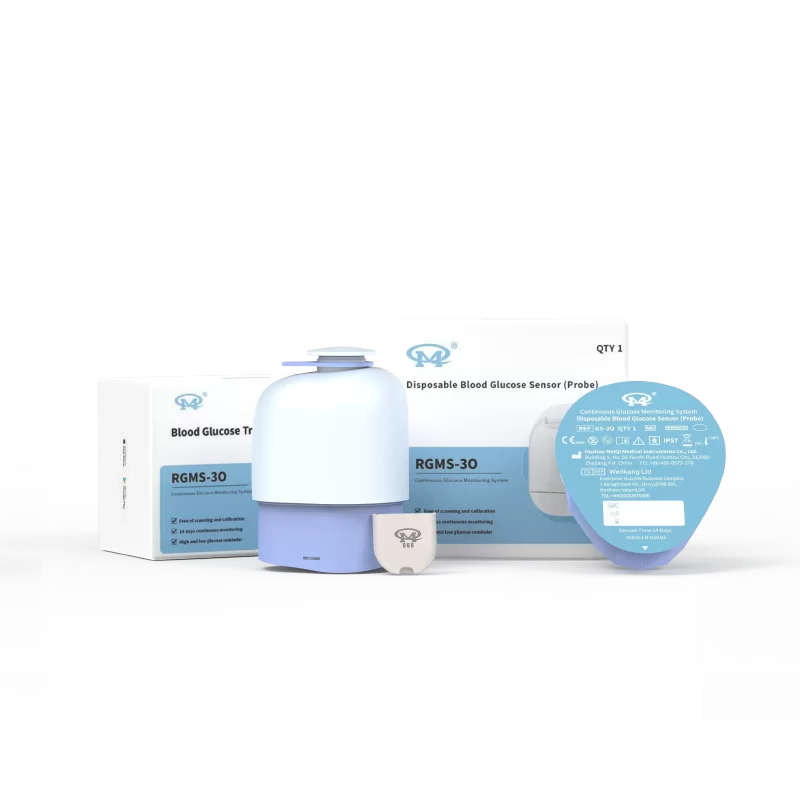
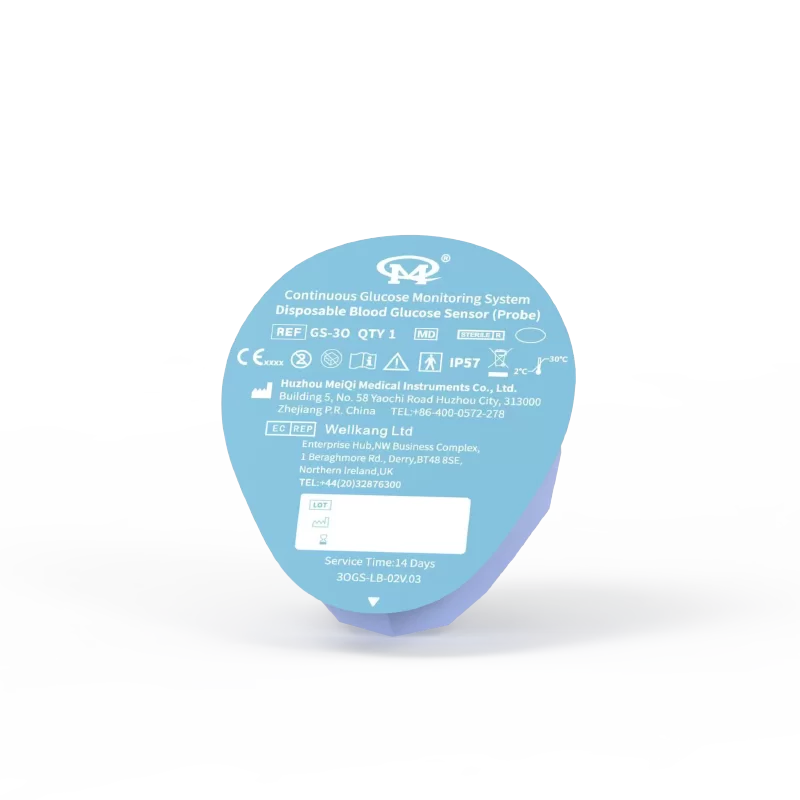

In Argentina, the prevalence of diabetes remains a critical public health concern, exacerbated by regional dietary habits and economic instability. The demand for a reliable continuous glucose monitor is rising as patients in urban centers like Buenos Aires and Córdoba seek alternatives to the pain and inconvenience of traditional blood glucose strips.
The local medical device market faces unique hurdles, including strict import regulations and currency volatility, which often delay the adoption of high-end continous glucose monitor technologies. Consequently, there is a significant gap between the clinical need for real-time monitoring and the actual accessibility of these devices in public hospitals.
Despite these challenges, the Argentinian medical community is rapidly pivoting towards digital health. The integration of a glucose monitor patch into routine care is seen as a vital step in reducing long-term complications, such as retinopathy and neuropathy, which place a heavy burden on the national healthcare budget.


