


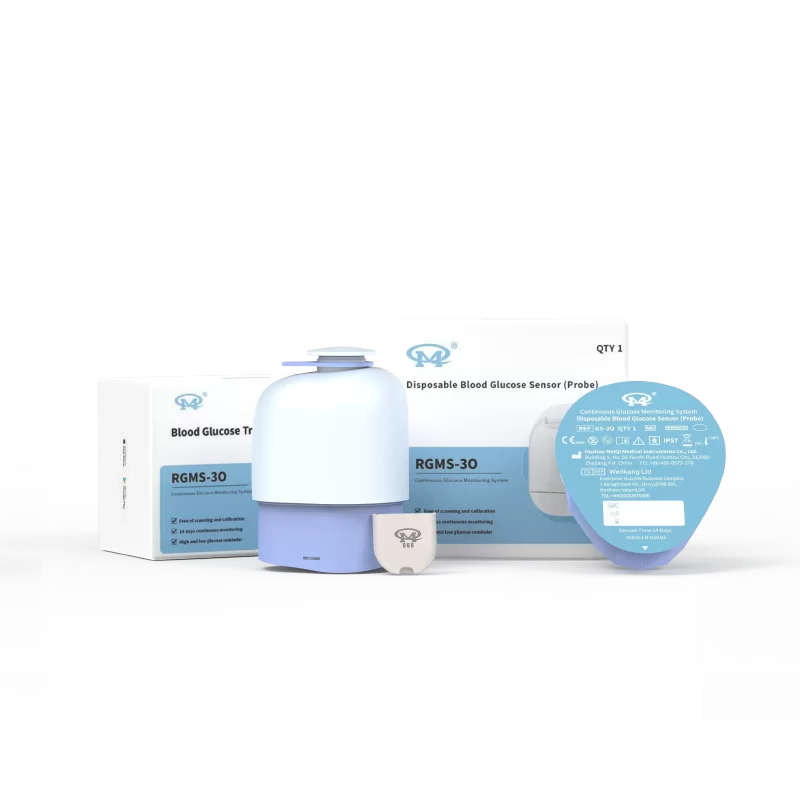
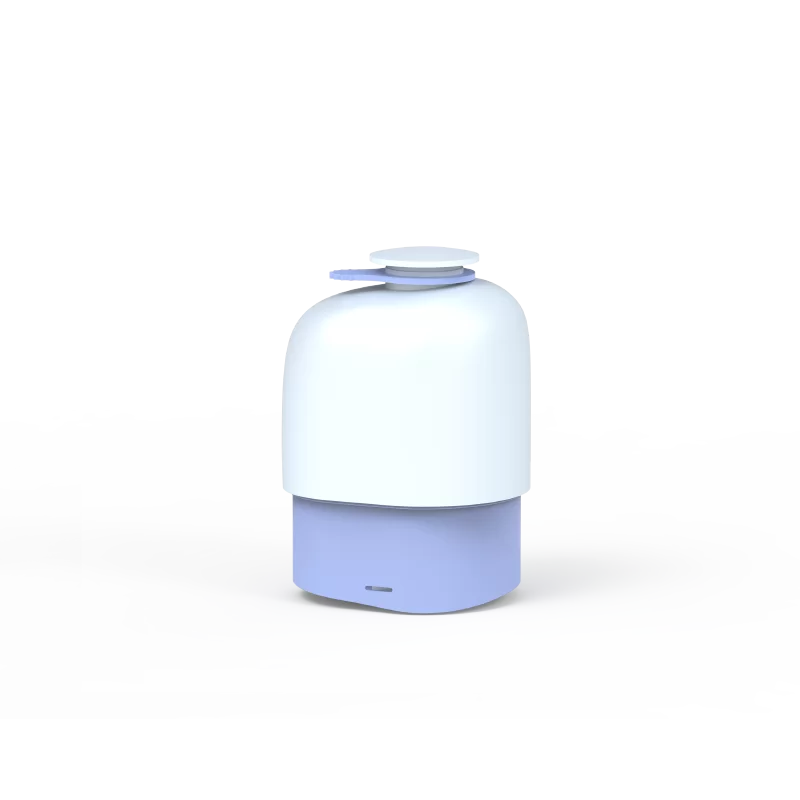
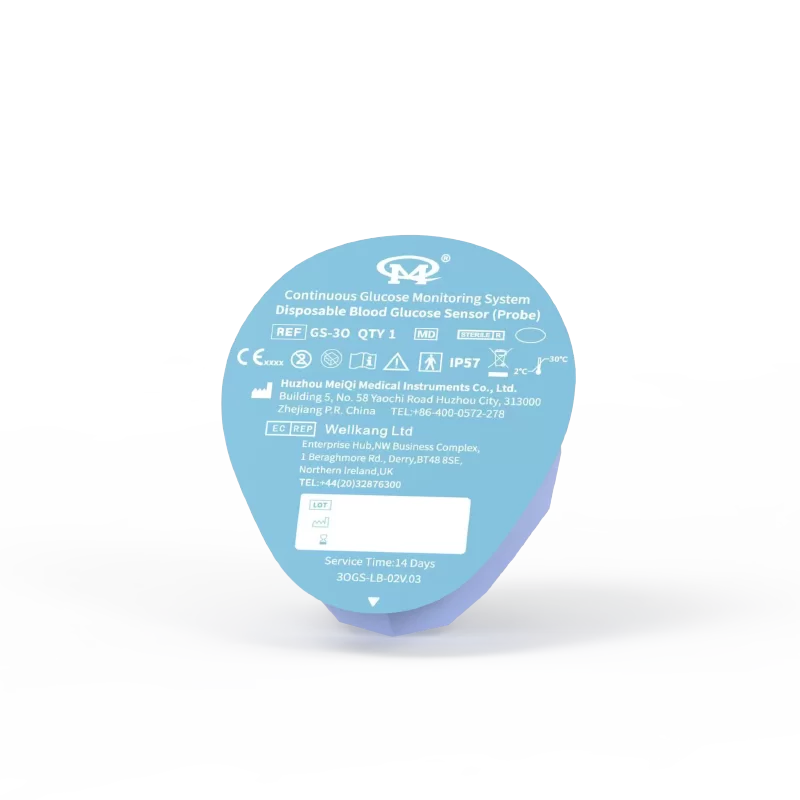
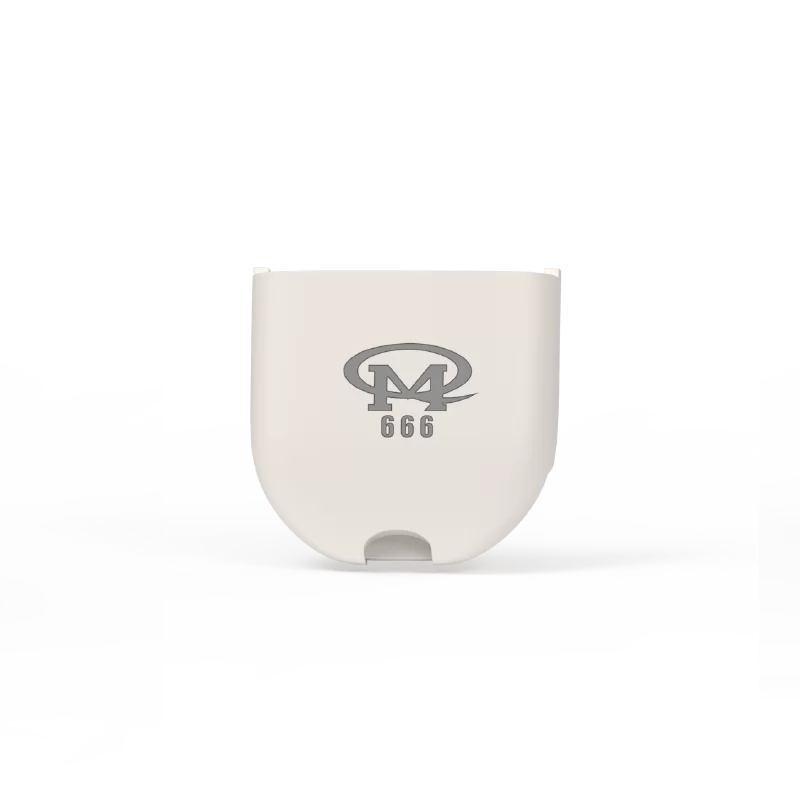
In Myanmar, diabetes management is often hindered by limited access to specialized endocrinology clinics in rural regions. The prevalence of traditional finger-prick testing remains high, but there is a growing demand for a continuous glucose monitor to avoid the discomfort and inconsistency of manual sampling.
The tropical climate of Myanmar, characterized by high humidity and temperatures, poses a significant challenge for the stability of medical adhesives. This makes the development of a robust glucose monitor patch essential, ensuring that sensors remain adhered to the skin despite heavy perspiration and humid conditions.
Economic shifts in urban centers like Yangon and Mandalay have led to an increased adoption of digital health. Patients are now seeking a non invasive glucose monitor to simplify their daily routines, reflecting a broader transition toward preventative healthcare and remote patient monitoring.


