

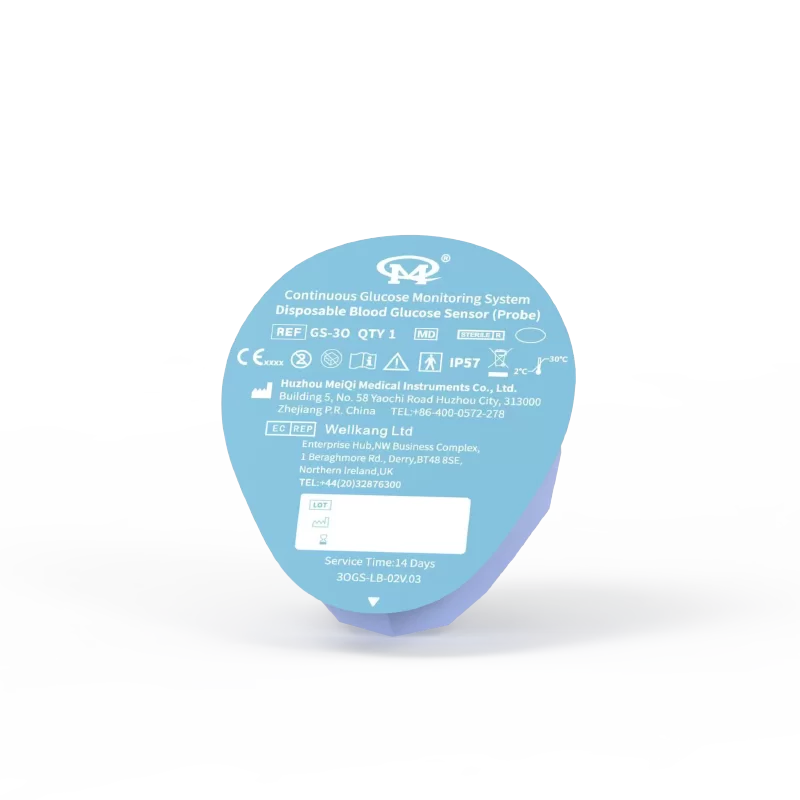
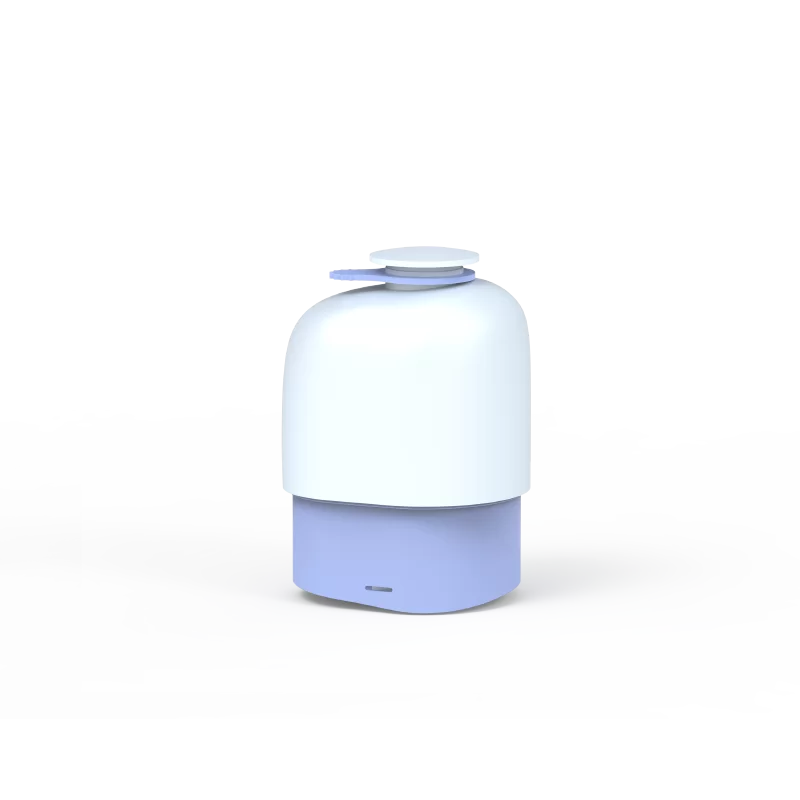
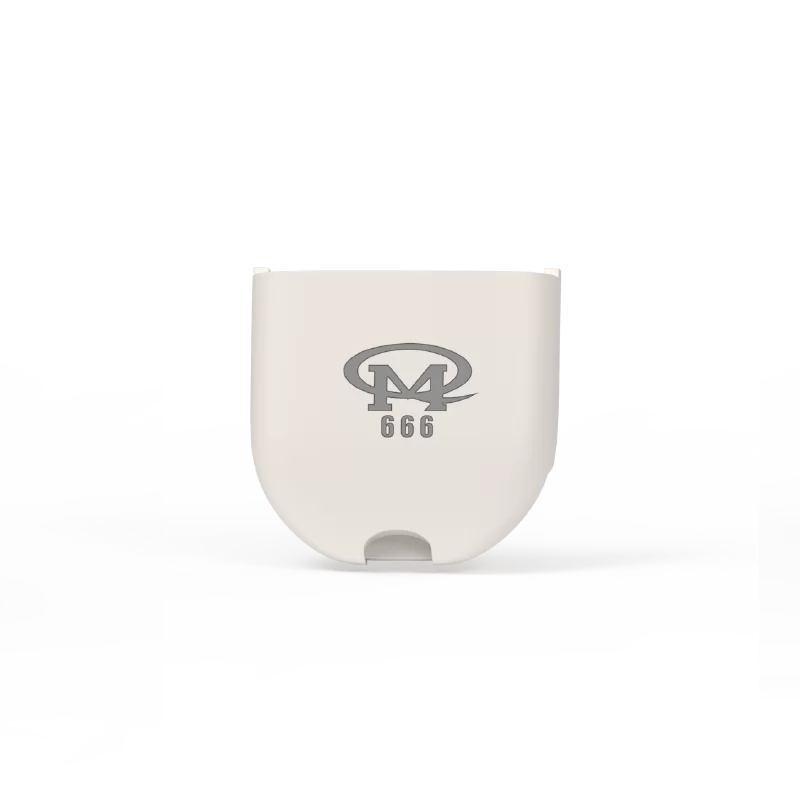
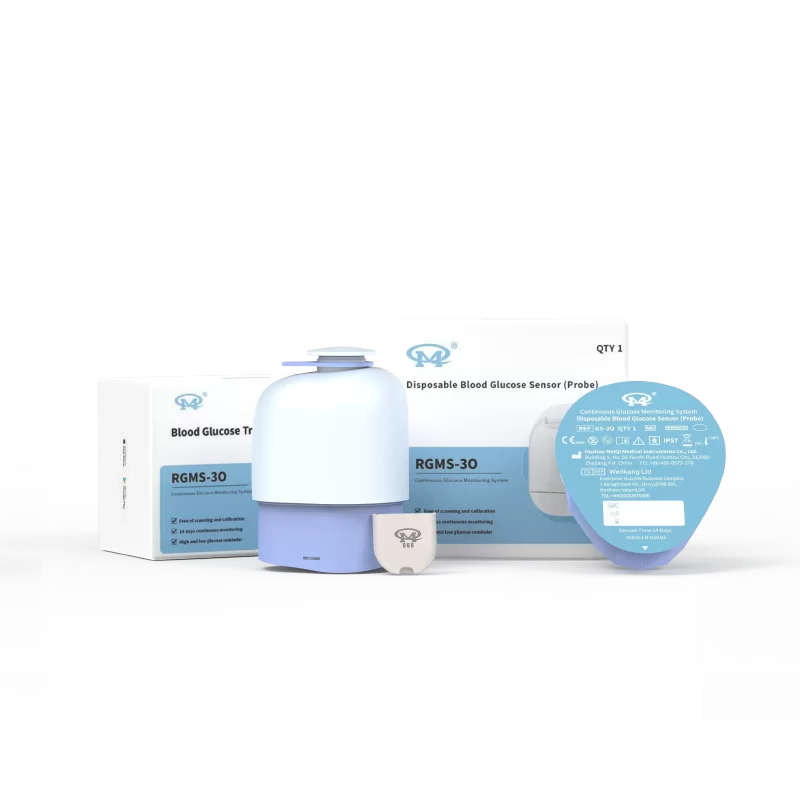
Advanced Diabetes Care in Belarus with cgm glucose monitoring system

Advanced Diabetes Care in Belarus with cgm glucose monitoring system

Download PDF
Contact Us

Advanced Diabetes Care in Belarus with cgm glucose monitoring system

Precision medical diagnostic solutions tailored for the Belarusian healthcare landscape, integrating seamless monitoring and real-time metabolic data.

Advanced Diabetes Care in Belarus with cgm glucose monitoring system

Empowering patients across Belarus with state-of-the-art diagnostic equipment to ensure stable glycemic control and improved quality of life through innovative sensing technology.

The State of Glucose Monitoring in Belarus

Analyzing the current adoption of medical diagnostic devices in Eastern Europe.

In Belarus, the management of diabetes is transitioning from traditional finger-prick methods to more automated systems. Due to the continental climate with significant temperature swings, the stability of a glucose monitor patch is critical for patients who require consistent monitoring during harsh winters and humid summers.

The Belarusian healthcare system is currently prioritizing the integration of digital health records. This shift has created a surge in demand for a continous glucose monitor that can sync data directly with clinical platforms, reducing the burden on regional endocrinology centers in Minsk and Gomel.

Despite the progress, there remains a significant gap in accessibility for non-invasive options. The market is actively seeking a reliable non invasive glucose monitor to eliminate the pain of subcutaneous insertion, aligning with the national goal of improving patient compliance in chronic disease management.

Evolution of Glycemic Monitoring Technology

From reactive testing to proactive, real-time metabolic surveillance.

Market Development History

Until the early 2010s, the Belarusian market relied almost exclusively on Glucometers. The primary technical limitation was the "snapshot" nature of data, which often missed nocturnal hypoglycemia episodes common in elderly patients.

Between 2015 and 2020, the introduction of the first generation continuous glucose monitor began to change the paradigm. These devices introduced interstitial fluid sensing, allowing for trend arrows and alarms, though they required frequent calibrations.

From 2021 to the present, the focus has shifted toward factory-calibrated systems and miniaturization. The evolution has culminated in the high-precision continuous glucose monitor, which offers longer wear-times and seamless smartphone integration via Bluetooth Low Energy (BLE).

Future Development Trends

AI-Driven Predictive Analytics

Integration of machine learning to predict glucose fluctuations 30 minutes in advance based on Belarusian dietary patterns and activity levels.

Multi-Analyte Sensing

Evolution toward patches that monitor not just glucose, but also ketones and lactate, providing a holistic metabolic profile.

Zero-Incision Interface

The movement toward fully optical or electromagnetic sensing to realize a commercial-grade non-invasive experience.

Future Trends and Strategic Outlook

Predicting the next frontier of medical diagnostic equipment in Belarus.

Closed-Loop Integration
Connecting CGM systems with automated insulin pumps to create an artificial pancreas system.
Telemedicine Expansion
Cloud-based sharing of glucose trends between patients in rural Belarus and specialists in Minsk.
Eco-Friendly Sensors
Developing biodegradable materials for disposable patches to reduce medical waste in Europe.
Wearable Miniaturization
Reducing the form factor of sensors to be virtually imperceptible under clothing.

Industry Outlook

Based on Google search trends in the region, there is a growing volume of queries regarding "painless glucose monitoring," indicating a strong psychological shift among users towards non-invasive technologies. We expect the Belarusian market to move toward high-frequency, low-friction data collection.

The future of the pharmaceutical manufacturing sector in Belarus will likely focus on "Smart Diagnostics," where the hardware is only one part of a larger ecosystem encompassing nutrition, activity, and pharmaceutical intervention.

Localized Application Scenarios in Belarus

How our monitoring systems solve real-world challenges for Belarusian patients.

01. Management of Type 1 Diabetes in Urban Youth

Students in Minsk using smartphones for education can discreetly monitor their levels via a cgm glucose monitoring system, receiving alerts during class to prevent hypoglycemia.

02. Remote Monitoring for Rural Elderly Patients

For patients in remote villages who cannot travel frequently to clinics, the system allows doctors to monitor trends remotely, ensuring timely medication adjustments.

03. Athletic Performance and Metabolic Tracking

Belarusian athletes training for winter sports use continuous monitoring to optimize carbohydrate intake and maintain energy levels during high-intensity training.

04. Gestational Diabetes Screening and Control

Expectant mothers can use a glucose monitor patch to maintain strict glycemic control without the stress of constant needle pricks.

05. Hospital-Grade Intensive Care Monitoring

Medical facilities in Belarus utilize integrated CGM systems to reduce the risk of errors in glucose measurement for patients in critical care units.

Brand Story

Global Development History of Huzhou Xinmei Medical Equipment Co., Ltd.

Foundation of Precision

Established with a vision to democratize medical diagnostics, focusing on high-precision sensor manufacturing.

Technological Breakthrough

Developed the core enzyme-electrode technology that allows for higher accuracy in interstitial fluid monitoring.

Global Quality Certification

Achieved international certifications (ISO/CE), enabling the expansion of our devices into the European market.

Digital Ecosystem Launch

Launched a proprietary cloud platform to bridge the gap between patient data and physician insights.

Strategic Belarus Partnership

Collaborated with regional healthcare providers to optimize CGM deployment for the Eastern European demographic.

Frequently Asked Questions in Belarus

Expert answers to common queries regarding glucose monitoring technology.

How does a glucose monitor patch differ from traditional meters?

A patch provides continuous data streams every few minutes, whereas traditional meters only give a single point in time, allowing users to see trends and patterns.

Is a continous glucose monitor accurate in cold Belarusian winters?

Yes, our sensors are designed with thermal stability to ensure that temperature drops do not affect the biochemical reaction of the sensor.

When should I choose a non invasive glucose monitor over a CGM?

Non-invasive options are ideal for those with extreme needle phobia or skin sensitivities, while CGMs are preferred for those requiring medical-grade precision for insulin dosing.

Can a continuous glucose monitor be used by Type 2 diabetics?

Absolutely. It is an excellent tool for Type 2 patients to understand how specific Belarusian foods and exercise affect their blood sugar levels.

How long does a cgm glucose monitoring system sensor typically last?

Depending on the model, our sensors typically last from 10 to 14 days before needing replacement, reducing the frequency of application.

Is the data from my monitor secure and compliant with local regulations?

Yes, all data is encrypted and transferred via secure protocols, meeting the stringent medical data privacy standards applicable in Belarus and Europe.

Consult Our Specialists Today

Looking for professional medical equipment distribution or patient support in Belarus? Our team is ready to assist you with precision diagnostic solutions.

Contact Us Now

If you are interested in our products, you can choose to leave your information here, and we will be in touch with you shortly.