


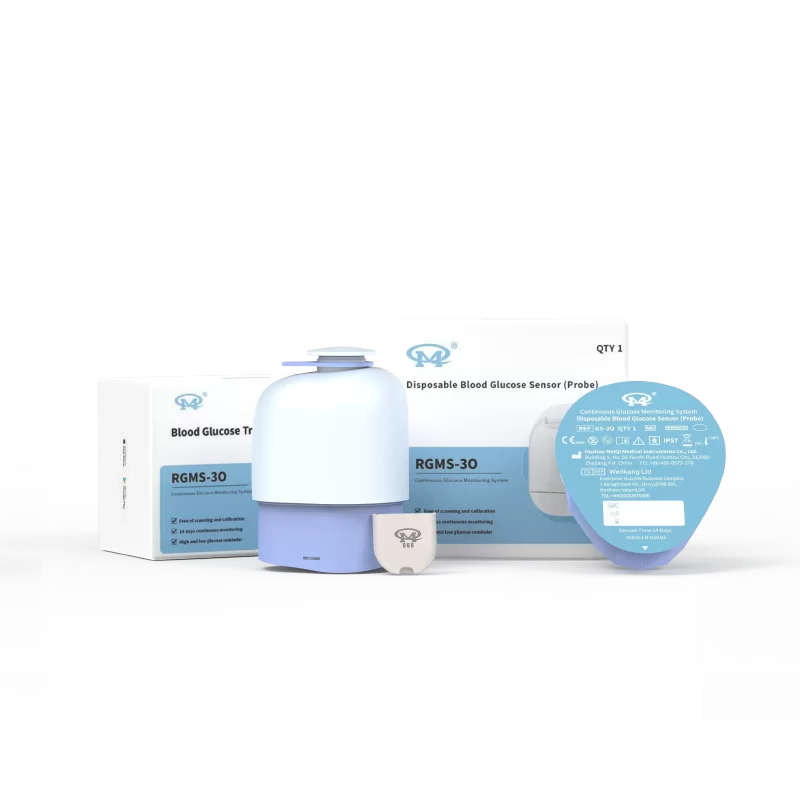
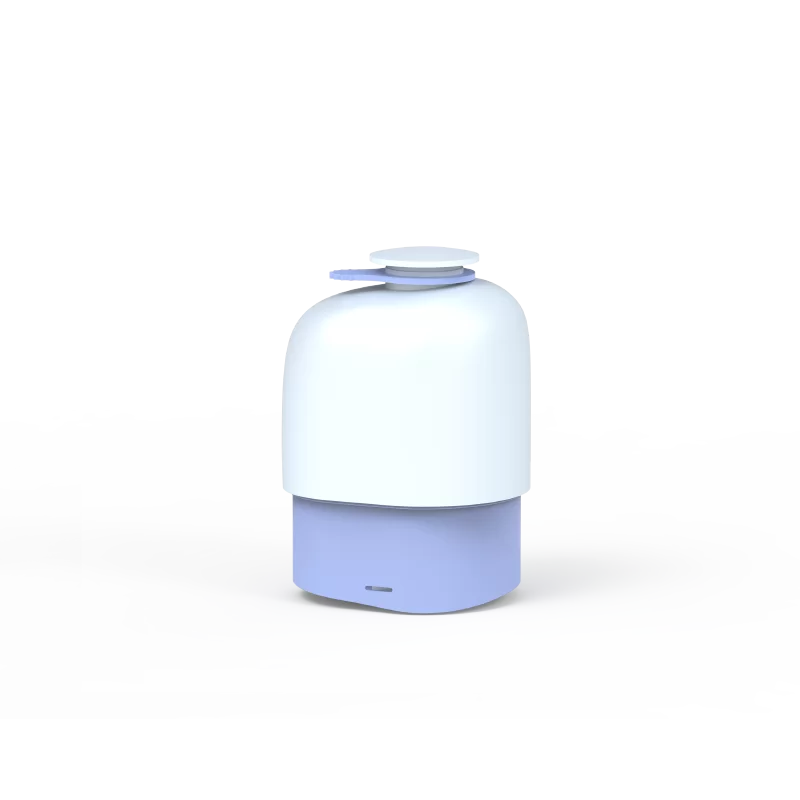
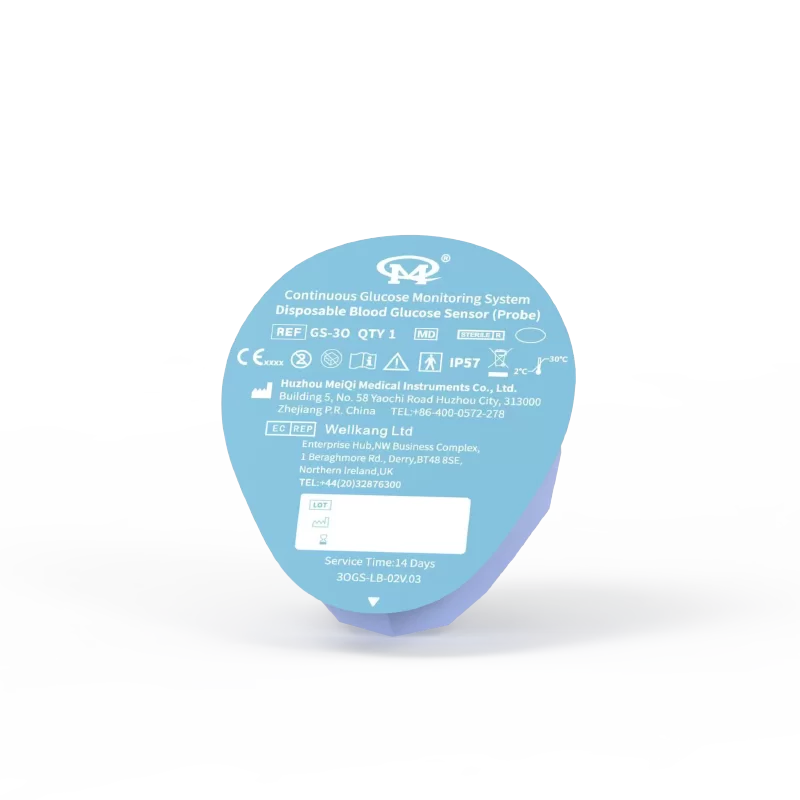
In Turkmenistan, the management of diabetes is facing a transition period. With a diet traditionally rich in carbohydrates and a growing sedentary lifestyle in urban centers like Ashgabat, the demand for a reliable continuous glucose monitor has surged. However, the extreme continental climate, characterized by scorching summers, poses challenges for the stability of traditional chemical reagents used in legacy testing.
Currently, most patients rely on intermittent finger-prick tests. This creates a "data gap" where nocturnal hypoglycemia often goes undetected. The introduction of the glucose monitor patch is proving to be a game-changer, allowing for a more consistent data stream that survives the regional environmental fluctuations and reduces the burden on the overstretched primary healthcare clinics.
Economic shifts toward digitalization in the Turkmen health sector are paving the way for integrated telemetry. There is a clear movement toward adopting a continous glucose monitor that can sync with mobile devices, enabling doctors to monitor patients remotely across vast desert distances, thereby optimizing the distribution of medical resources.


