


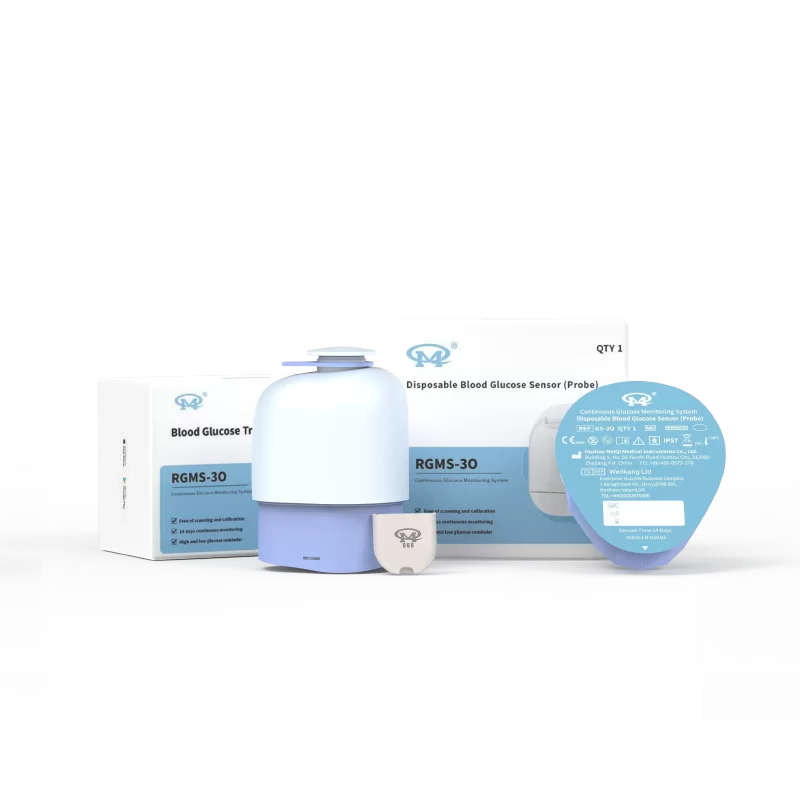
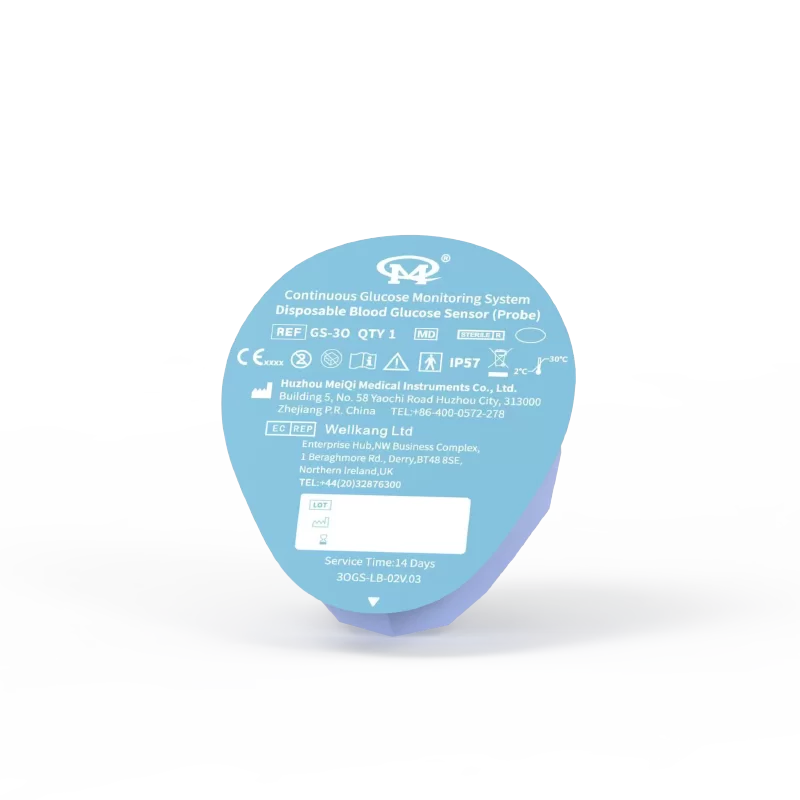
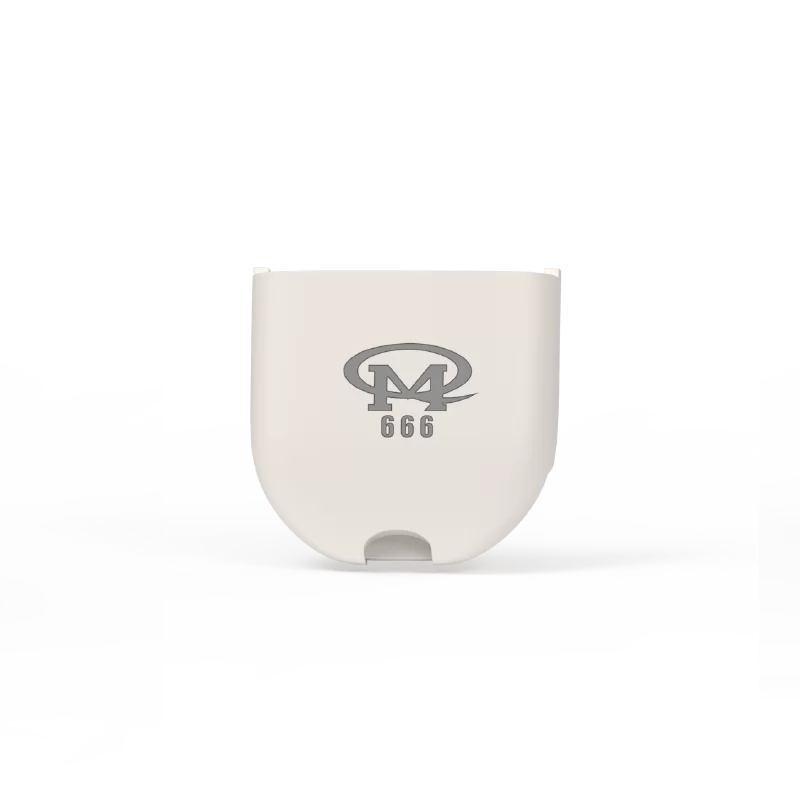
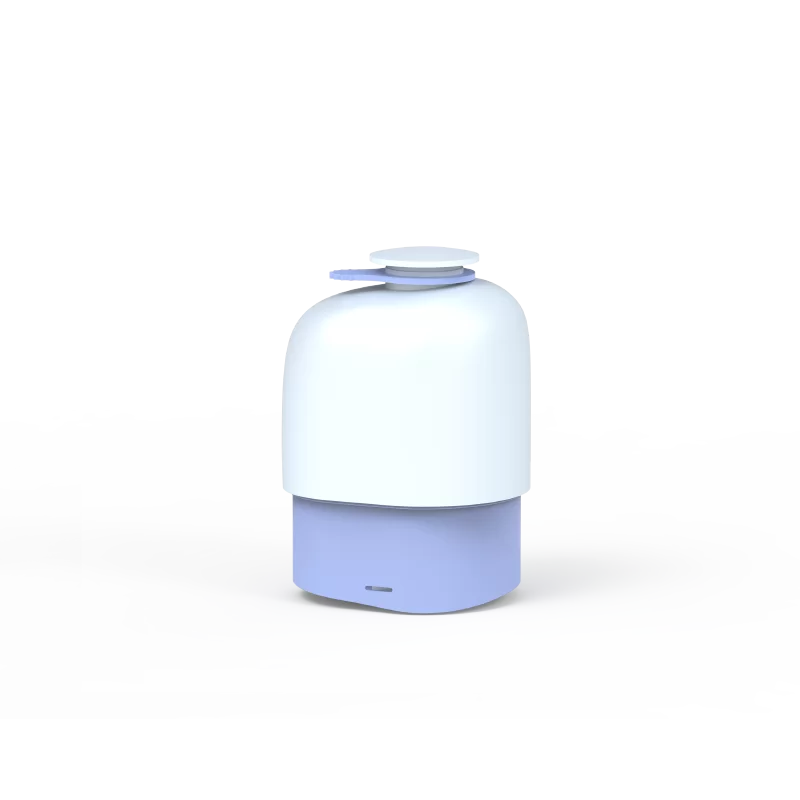
In Papua New Guinea, the healthcare system faces significant hurdles due to rugged terrain and remote village clusters, making frequent clinic visits for blood glucose testing difficult. The humid tropical climate often affects the shelf life of traditional chemical strips, creating an urgent need for a more resilient continuous glucose monitor that can withstand extreme moisture and temperature fluctuations.
Currently, many patients rely on intermittent finger-prick tests, which fail to capture nocturnal hypoglycemia or post-prandial spikes. The introduction of the glucose monitor patch offers a transformative approach, allowing patients in provinces like Enga or Morobe to track their levels without constant manual intervention.
Economically, the shift toward digital health in Oceania is accelerating. There is a growing demand for low-maintenance, high-durability medical devices that reduce the burden on limited hospital staff while empowering patients with real-time data through mobile integration.


