


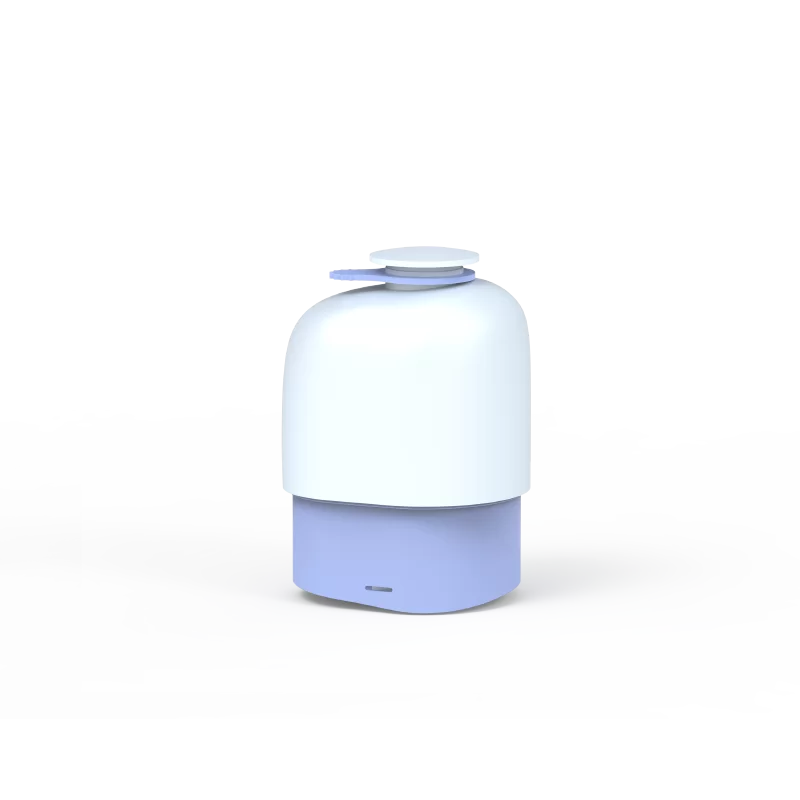
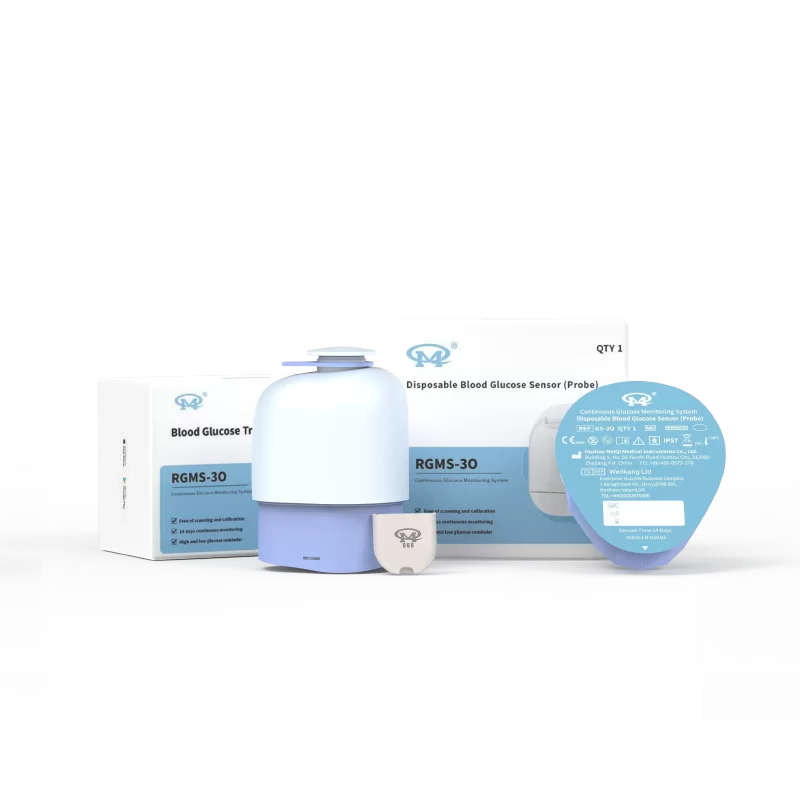
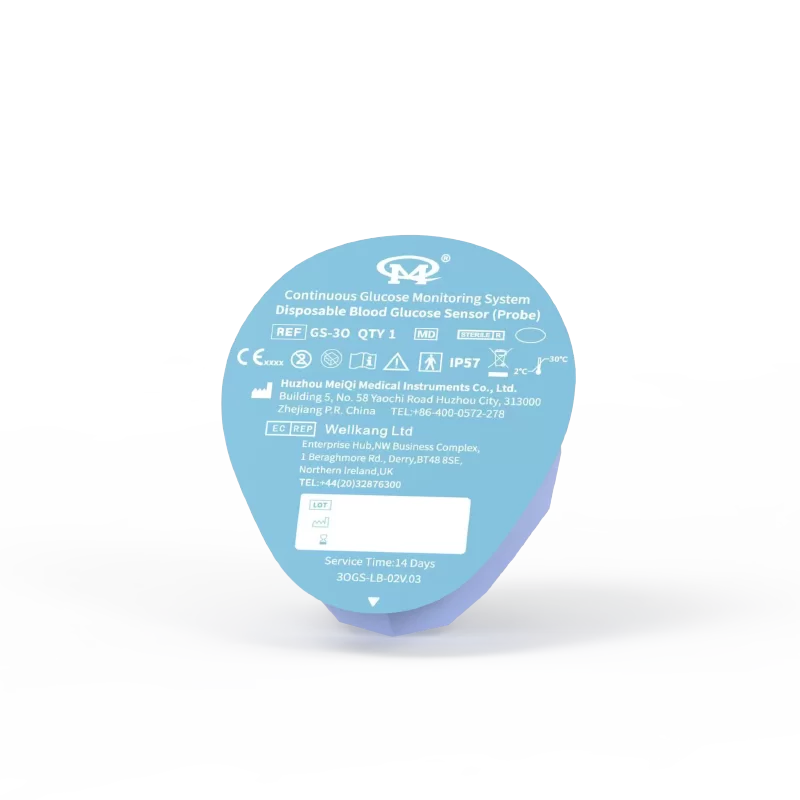
In Asia - Palestine, the management of diabetes faces unique challenges due to intermittent supply chain disruptions and varying levels of access to specialized endocrinology centers. The reliance on traditional finger-prick testing is still high, but there is a growing urgent demand for a continous glucose monitor to reduce the burden on patients in volatile environments.
Environmental factors, including high temperature and humidity in certain Palestinian coastal areas, necessitate medical devices with high thermal stability. The introduction of the glucose monitor patch has begun to change the landscape, offering a more discreet and resilient method of monitoring that persists despite the physical rigors of daily life in the region.
Currently, the healthcare system is shifting toward digitized diagnostics. The adoption of a continuous glucose monitor allows local clinicians to receive longitudinal data rather than snapshot readings, which is critical for patients who cannot visit clinics frequently due to movement restrictions.


