


In Nigeria, the prevalence of Type 2 diabetes is rising rapidly due to urbanization and dietary shifts. However, the reliance on traditional finger-prick methods remains high, which often leads to poor patient compliance and inconsistent data collection in humid tropical climates.
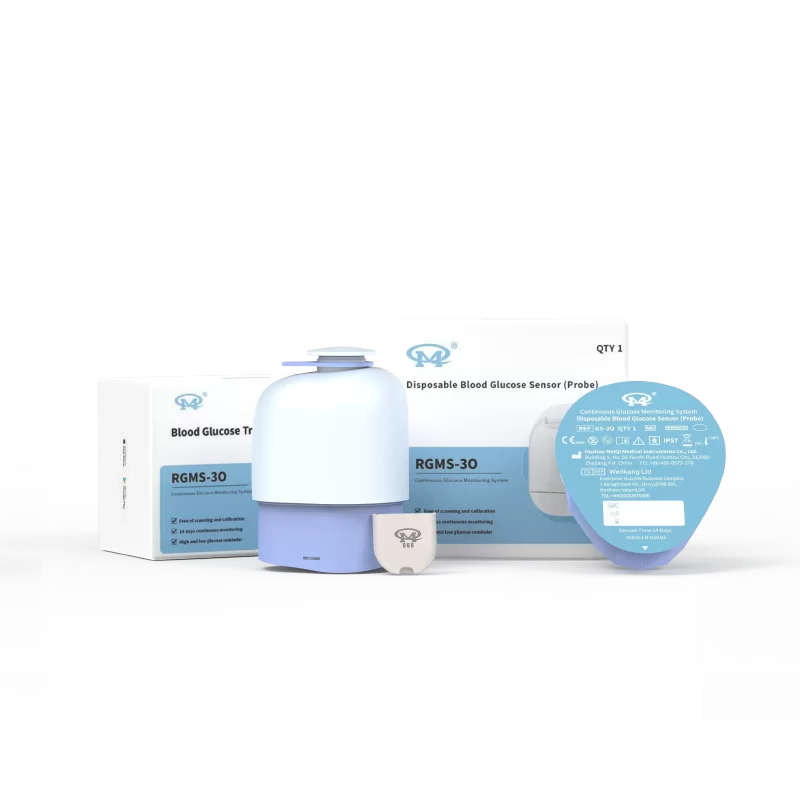
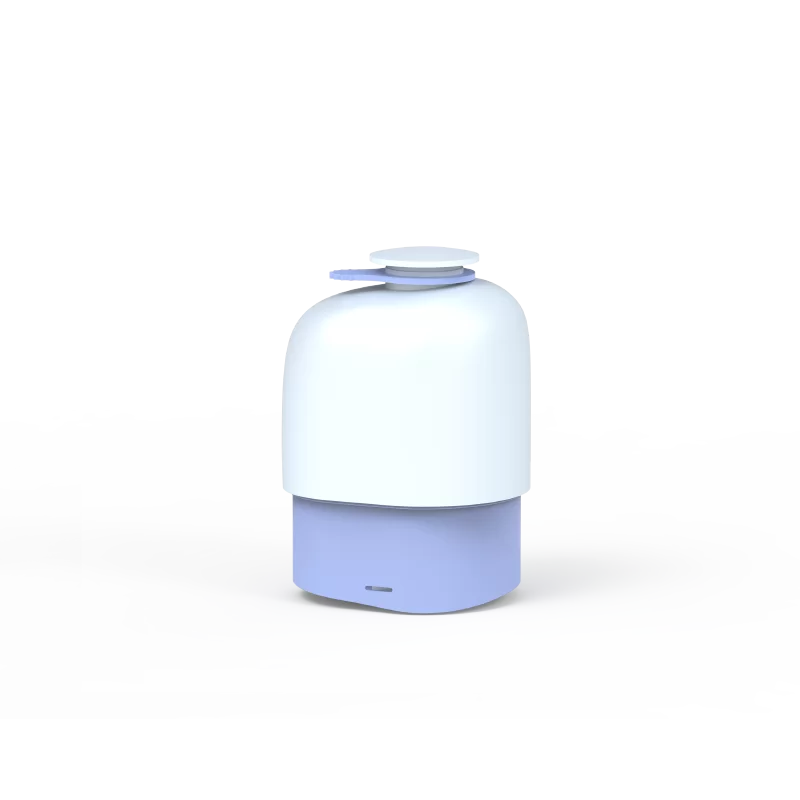
The adoption of a continuous glucose monitor is often hindered by infrastructure gaps and the high cost of imported medical consumables, creating a critical need for durable, cost-effective monitoring technologies.
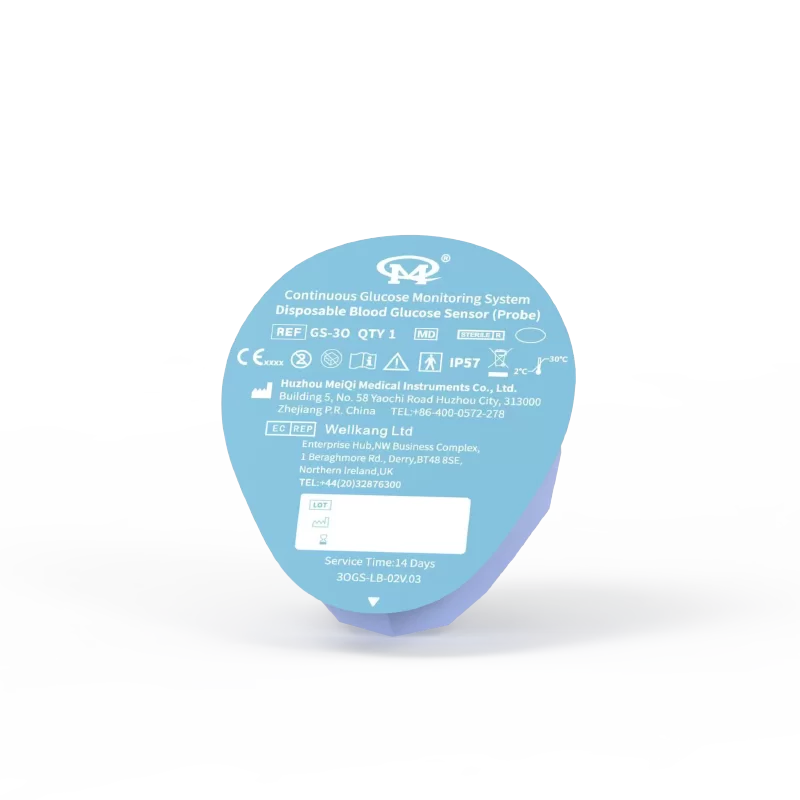
Environmental factors in Nigeria, including extreme heat and humidity, demand medical-grade adhesives and sensors that can maintain stability on the skin, making the specialized design of a glucose monitor patch essential for local reliability.


