


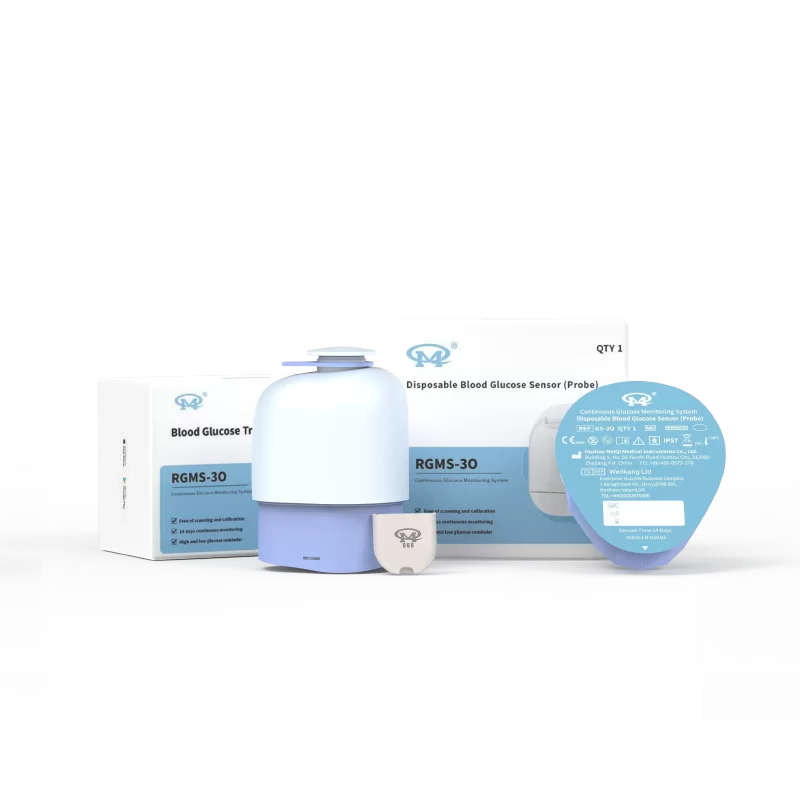
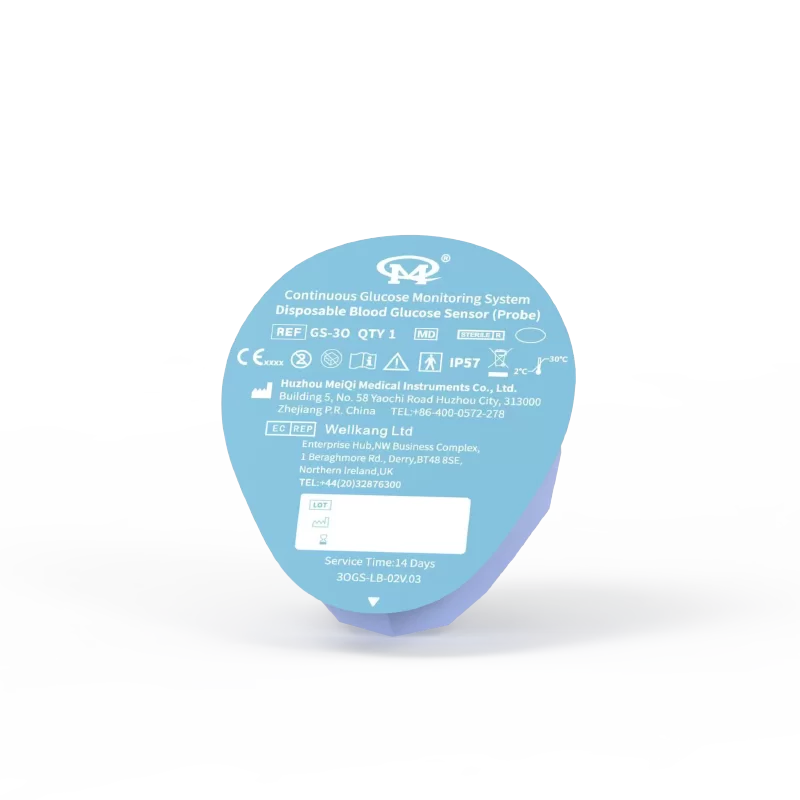
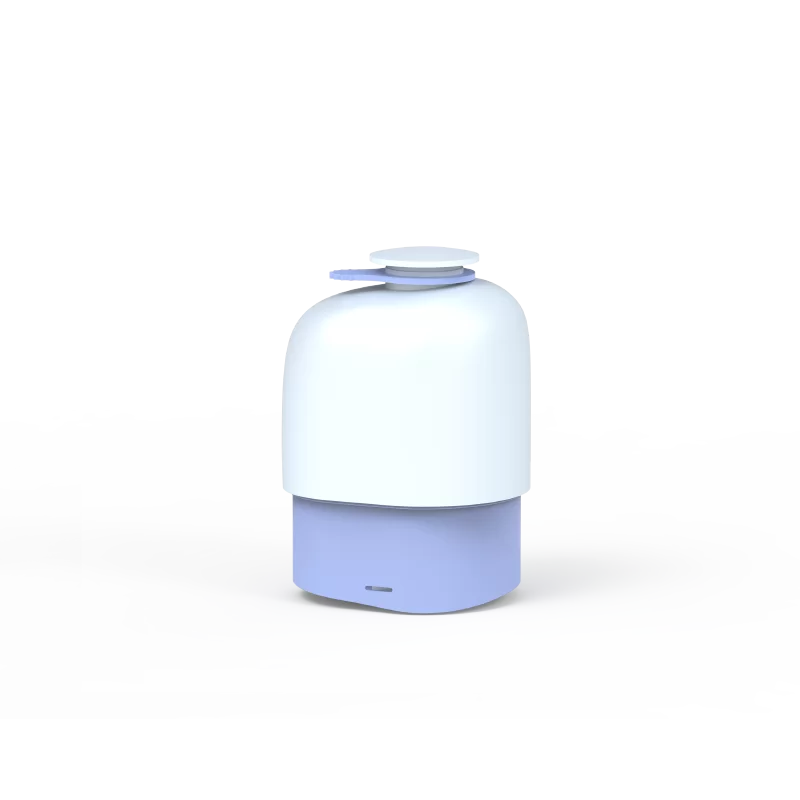
Kuwait faces a significant challenge with diabetes prevalence, compounded by a sedentary lifestyle and extreme summer temperatures. In this environment, traditional finger-pricking is often cumbersome, driving the demand for a reliable continuous glucose monitor that can withstand heat and humidity.
The local healthcare infrastructure is rapidly digitizing, with the Ministry of Health promoting smart health initiatives. This shift makes the adoption of a glucose monitor patch highly attractive for patients seeking discretion and ease of use during daily activities in Kuwait City and surrounding areas.
However, the harsh climate requires medical devices with superior adhesive properties and sensor stability. The transition toward a non invasive glucose monitor is becoming a primary goal for local clinics to improve patient compliance and reduce the risk of infection in sandy environments.


