

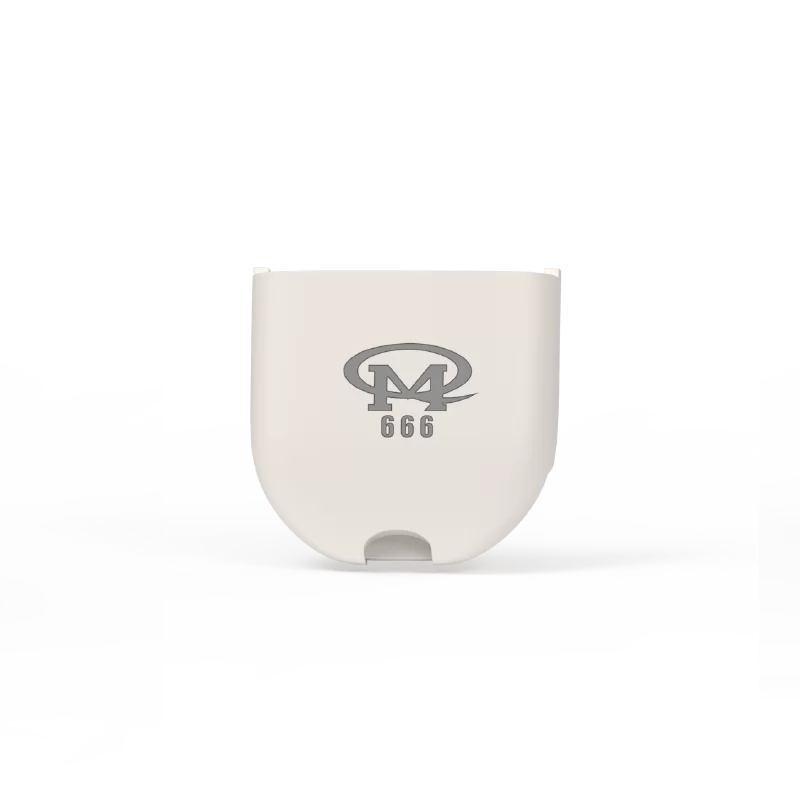
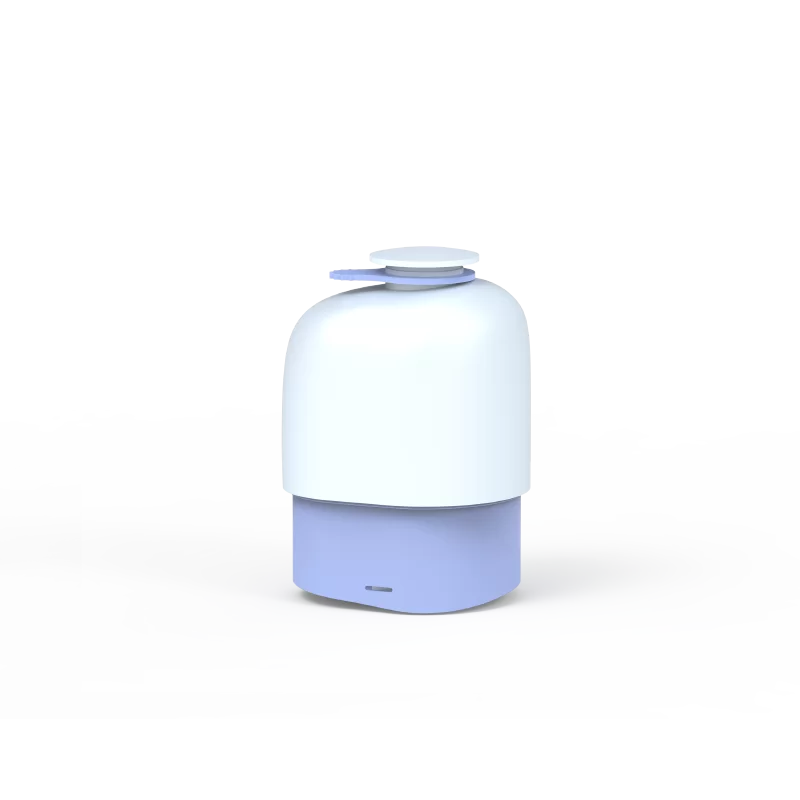
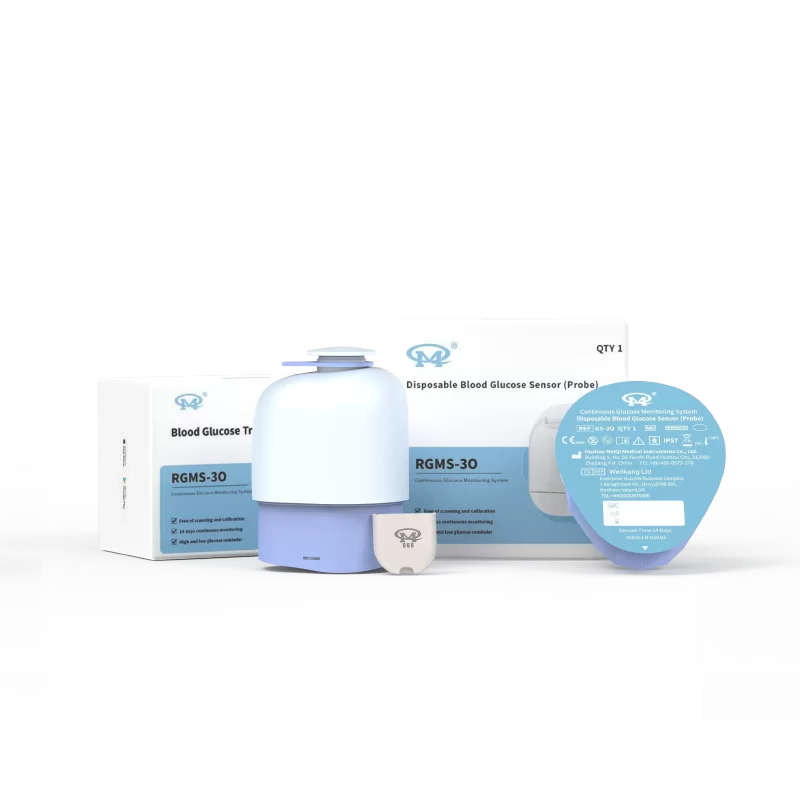
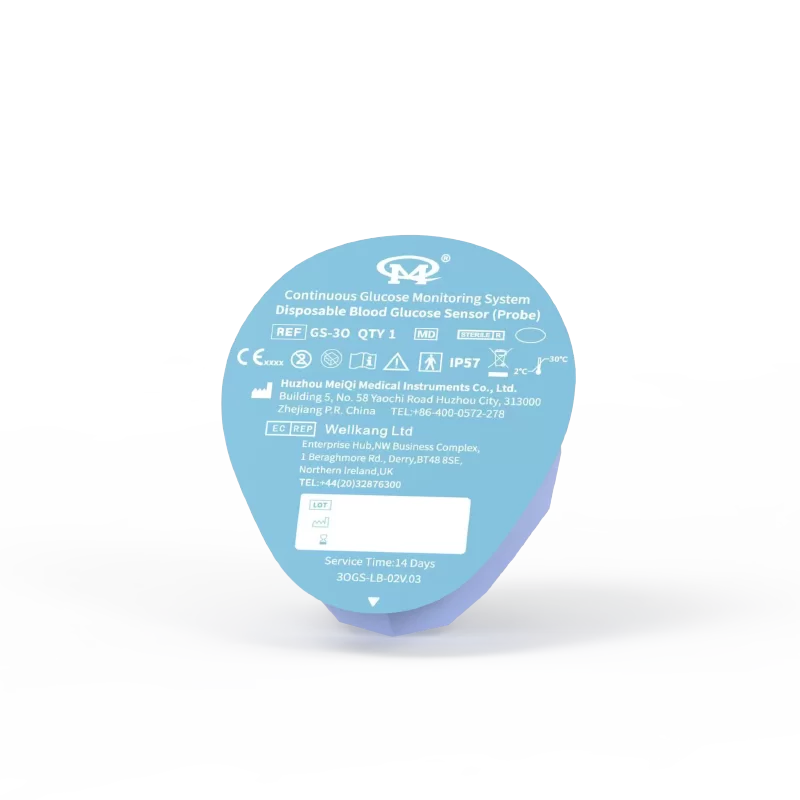
Advanced cgm glucose monitoring system Solutions for Iran

Advanced cgm glucose monitoring system Solutions for Iran

Download PDF
Contact Us

Advanced cgm glucose monitoring system Solutions for Iran

Empowering diabetes management across Iran with precision medical-grade monitoring technology designed for durability and accuracy.

Advanced cgm glucose monitoring system Solutions for Iran

Integrating high-precision sensors and real-time data analytics to solve the challenges of glucose volatility in the Middle Eastern clinical environment.

Diabetes Monitoring Landscape in Iran

Analyzing the integration of modern glucose monitoring in the Iranian healthcare sector.

Iran faces a significant rise in diabetes prevalence, exacerbated by regional dietary habits and an aging population. The demand for a reliable continuous glucose monitor has spiked as patients move away from traditional finger-stick methods toward more automated, long-term tracking solutions.

The arid climate and extreme temperature fluctuations in various Iranian provinces pose a challenge to sensor stability. Consequently, there is a critical need for a glucose monitor patch that utilizes high-grade medical adhesives capable of maintaining skin adhesion despite high perspiration levels and heat.

Economic shifts and healthcare infrastructure upgrades in cities like Tehran and Mashhad are driving the adoption of digital health. The market is transitioning toward a cgm glucose monitoring system that integrates seamlessly with smartphones, allowing for remote patient monitoring and improved clinical outcomes.

Evolution of Glucose Monitoring Technology

From episodic testing to autonomous metabolic surveillance.

Market Development History

Prior to 2010, glucose management in Iran relied almost exclusively on manual glucometers. These required frequent invasive sampling, leading to low patient compliance and poor glycemic control across rural populations.

Between 2011 and 2018, the introduction of early-stage continous glucose monitor technology began to penetrate urban clinics. This era marked the shift from "snapshots" of glucose levels to "trend lines," enabling doctors to identify nocturnal hypoglycemia.

From 2019 to the present, the focus has shifted toward miniaturization and user comfort. The emergence of the non invasive glucose monitor concept has ignited research into optical and electromagnetic sensing to eliminate skin penetration entirely.

Future Development Trends

AI-Driven Predictive Analytics

Integration of machine learning to predict glucose crashes 30 minutes before they occur, specifically tailored to regional dietary patterns.

Ultra-Long-Wear Sensors

Development of sensor patches that last 30-60 days, reducing the cost per day for the end-user in the Iranian market.

Multi-Analyte Monitoring

Expanding the continuous glucose monitor to track ketones and lactate simultaneously for comprehensive metabolic health.

Future Trends & Strategic Outlook

Mapping the trajectory of therapeutic device manufacturing for 2025-2030.

Non-Invasive Shift
Accelerating the transition toward non invasive glucose monitor technology to eliminate pain and infection risks.
IoT Connectivity
Cloud-based synchronization for real-time data sharing between patients and endocrinologists across Iran.
Closed-Loop Integration
Pairing continuous glucose monitor systems with automated insulin pumps for an "artificial pancreas" effect.
Biocompatible Materials
Using hypoallergenic polymers in the glucose monitor patch to prevent skin irritation in sensitive users.

Industry Outlook

Based on Google search trends in the Middle East, there is a rising query volume for "pain-free diabetes tracking," indicating a strong market pull for non-invasive solutions. We anticipate that the next 3-5 years will see a massive shift toward wearable hybrid systems that combine electrochemical sensing with AI filtering.

For the Iranian market, the focus will be on "Affordable Precision." Manufacturers who can balance clinical-grade accuracy with sustainable pricing models will dominate the regional distribution networks.

Local Application Scenarios in Iran

Practical implementations of CGM technology in diverse Iranian environments.

01. Urban Professional Management in Tehran

Busy professionals in Tehran utilize a discreet glucose monitor patch under business attire to manage stress-induced glucose spikes without interrupting their workday.

02. Rural Health Clinic Integration

Using a cgm glucose monitoring system to allow rural patients in remote provinces to send their data to specialists in major cities via telemetry, reducing travel needs.

03. Pediatric Diabetes Care

Parents of children with Type 1 diabetes in Iran adopt continuous glucose monitor technology to receive real-time alerts on their phones, ensuring safety during school hours.

04. Elderly Care in Home Settings

Elderly patients with limited mobility use a non invasive glucose monitor to avoid the pain and dexterity challenges associated with traditional lancets.

05. Athletic Performance Tracking

Local athletes and fitness enthusiasts use continuous monitoring to optimize their metabolic windows and prevent hypoglycemia during intense training in high-altitude regions.

Brand Story

Global Development Journey of Huzhou Xinmei Medical Equipment Co., Ltd.

Foundational Precision

Established with a mission to democratize metabolic health, we began by mastering the core electrochemical sensor technology.

Expanding Horizons

Successfully expanded our manufacturing capabilities to meet international ISO standards, enabling global distribution of monitoring devices.

Innovation Breakthrough

Launched our first generation of high-stability patches, solving the critical pain point of sensor detachment in humid environments.

Global Integration

Strategically entered the Middle Eastern market, providing tailored glucose solutions for the unique climatic conditions of Iran.

Vision for the Future

Committed to achieving zero-invasive monitoring, ensuring every person on earth has access to painless, real-time glucose data.

Frequently Asked Questions - Iran Region

Expert answers to common queries regarding CGM implementation.

How accurate is a continuous glucose monitor compared to finger-sticks?

Our systems are designed to meet clinical MARD standards, providing high correlation with lab results while offering the added benefit of trend arrows to see where glucose is heading.

Can a glucose monitor patch withstand the heat in southern Iran?

Yes, our patches use advanced medical-grade acrylic adhesives that are specifically tested for high-temperature and high-humidity stability to ensure they stay secure.

What is the difference between a CGM and a non invasive glucose monitor?

A CGM typically uses a tiny subcutaneous filament to measure interstitial fluid, while non-invasive systems use optical or electromagnetic sensors to measure glucose through the skin.

Is the cgm glucose monitoring system compatible with Android and iOS?

Yes, our software is fully compatible with both major operating systems, ensuring that patients in Iran can access their data regardless of their device preference.

How often does the sensor in a continuous glucose monitor need replacement?

Depending on the model, our sensors typically last between 10 to 14 days, providing seamless 24/7 monitoring without the need for daily insertions.

Are these devices approved for clinical use in Iranian hospitals?

Our products are manufactured under strict international quality standards and are designed for integration into both home-care and professional hospital environments.

Partner With Us for Better Health

Ready to elevate diabetes care in Iran? Our team is here to provide technical support and wholesale solutions for medical distributors in Iran.

Contact Us Now

If you are interested in our products, you can choose to leave your information here, and we will be in touch with you shortly.