

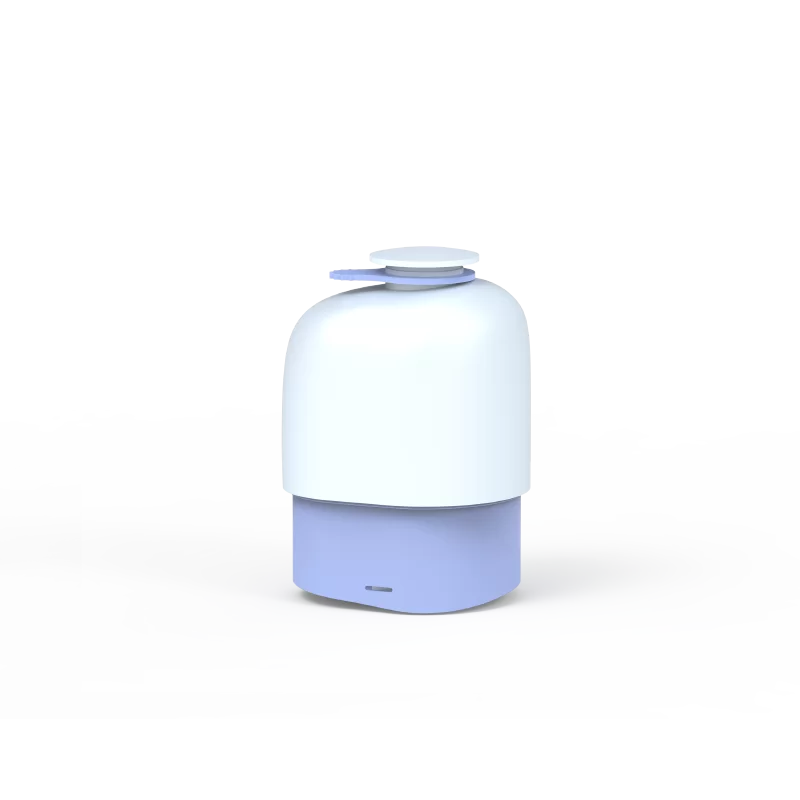
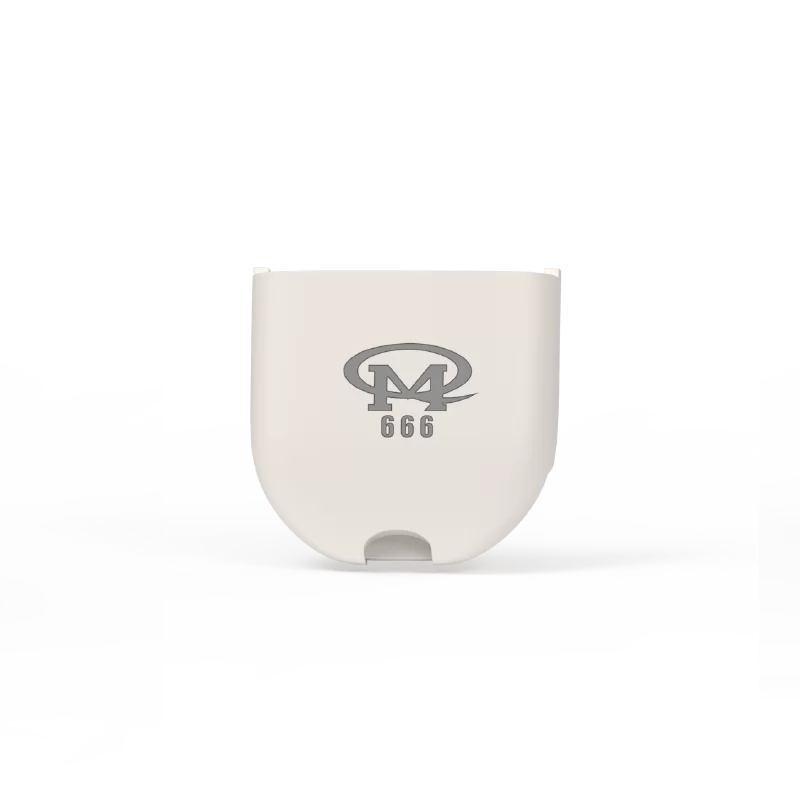
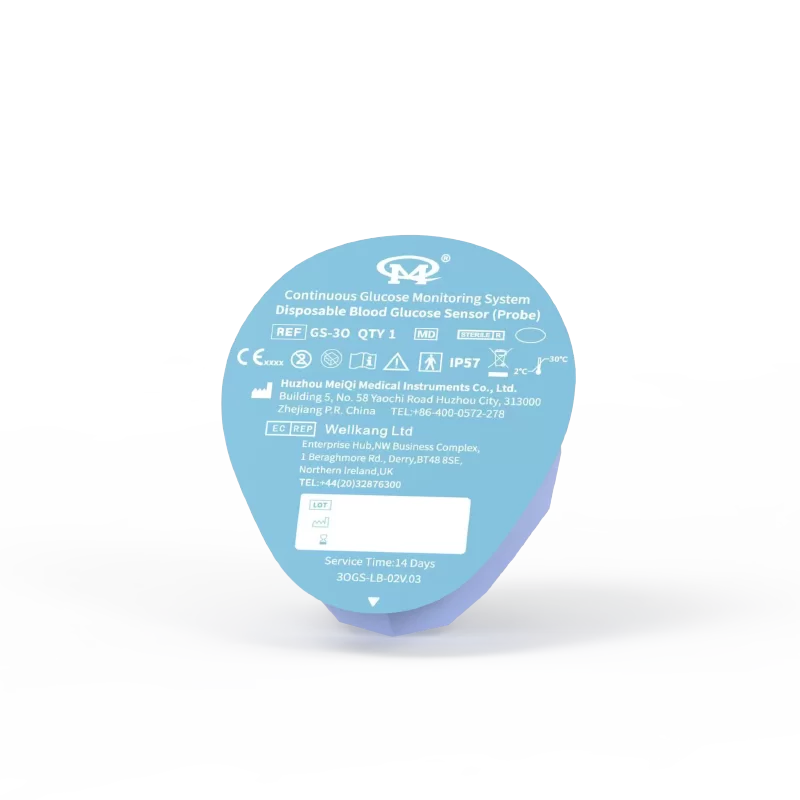
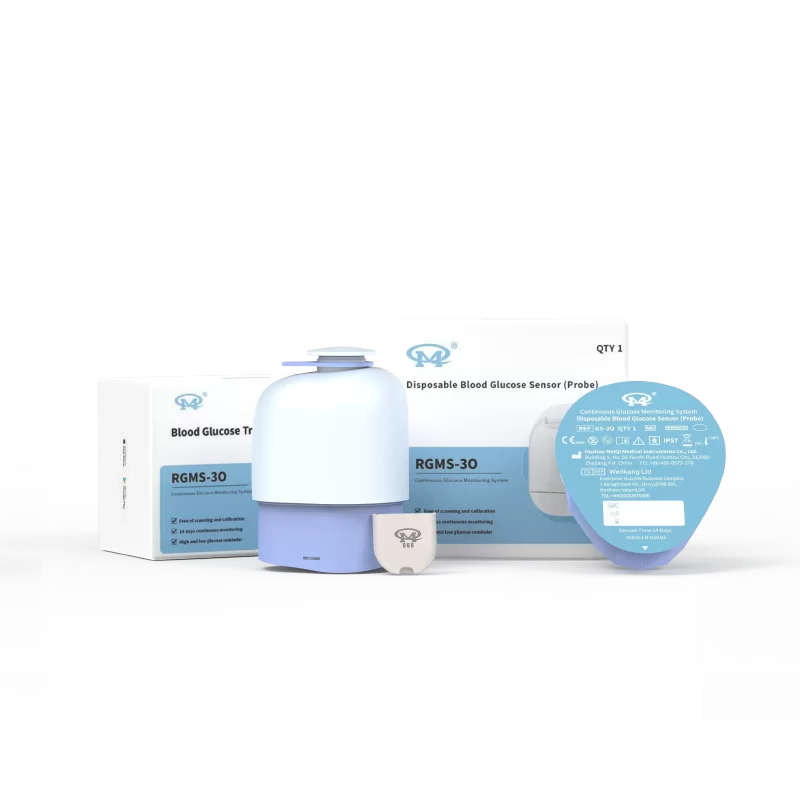
Advanced cgm glucose monitoring system Solutions for Brazil

Advanced cgm glucose monitoring system Solutions for Brazil

Download PDF
Contact Us

Advanced cgm glucose monitoring system Solutions for Brazil

Empowering Brazilian healthcare with next-generation metabolic tracking and real-time glycemic insights for improved patient outcomes.

Advanced cgm glucose monitoring system Solutions for Brazil

Integrating state-of-the-art biosensor technology to provide seamless, accurate, and continuous glucose data tailored for the diverse clinical needs of the Brazilian population.

The Landscape of Diabetes Management in Brazil

Analyzing the challenges and adoption of digital health in South America's largest economy.

Brazil faces a significant burden of type 2 diabetes, exacerbated by dietary shifts and an aging urban population. In tropical climates like those found in the Amazon and Northeast regions, humidity and heat can affect the adhesive properties of a traditional glucose monitor patch, necessitating medical-grade adhesives that withstand perspiration.

Economically, the Brazilian healthcare system (SUS) is striving to integrate digital diagnostics. While high-cost imports were once the norm, there is a growing demand for a cost-effective continous glucose monitor that can be deployed in both private clinics in São Paulo and public health centers in rural areas.

Patient preference in Brazil is shifting toward autonomy. The transition from finger-prick methods to a continuous glucose monitor reflects a broader trend of "health-tech" adoption, where smartphone integration allows patients to share real-time data with endocrinologists across vast geographic distances.

Evolution of Glucose Monitoring in Brazil

From intermittent testing to seamless digital biosensing.

Market Development History

Between 2000 and 2010, the Brazilian market relied heavily on traditional glucometers. These devices required frequent invasive sampling, leading to low patient compliance and poor glycemic control across the diverse demographics of the country.

From 2011 to 2020, the introduction of the first generation of CGM technology began in high-end private hospitals. This era saw the shift toward interstitial fluid monitoring, reducing the pain associated with blood glucose testing and introducing the concept of "trend arrows."

Post-2021, the acceleration of telehealth in Brazil led to the mass adoption of the cgm glucose monitoring system, enabling remote patient monitoring (RPM) and allowing for more aggressive insulin therapy management with lower risks of hypoglycemia.

Future Development Trends

Integration with AI Diagnostics

Predictive algorithms will likely integrate with local Brazilian diet data to forecast glucose spikes before they occur, moving from reactive to proactive care.

The Rise of Non-Invasive Sensing

Research is pivoting toward a non invasive glucose monitor that utilizes optical or electromagnetic sensors, eliminating the need for subcutaneous filaments entirely.

Wearable Ecosystem Convergence

Glucose data will merge with other vitals (heart rate, sleep) within the Brazilian "Connected Health" ecosystem, providing a holistic view of metabolic health.

Strategic Trends and Future Outlook

Predicting the trajectory of diagnostic device manufacturing for the South American market.

Miniaturization of Hardware
Reducing the footprint of the glucose monitor patch to increase wearer comfort and discretion.
Cloud-Based Data Sync
Real-time synchronization between the device and Brazilian healthcare portals for instant clinical intervention.
Enhanced Biocompatibility
Development of hypoallergenic materials to prevent skin irritation in Brazil's high-humidity environments.
Closed-Loop Systems
Integration of the sensor with automatic insulin pumps to create an "artificial pancreas" for Brazilian patients.

Industry Outlook

Based on Google search trends in South America, queries for "non-invasive monitoring" and "CGM cost Brazil" are rising. This indicates a market ready for disruptive, affordable technologies that remove the barrier of pain and high recurring costs.

The future will see a transition from device-centric sales to service-centric models, where the hardware is part of a larger metabolic health subscription including nutritional coaching and AI-driven analysis.

Localized Application Scenarios in Brazil

Real-world implementation of continuous glucose monitoring across diverse Brazilian settings.

01. Remote Monitoring in the Amazon Basin

Using a continous glucose monitor to provide life-saving data for indigenous communities where the nearest endocrinologist may be hundreds of kilometers away via river transport.

02. High-Performance Athletics in Rio de Janeiro

Professional athletes and fitness enthusiasts utilizing the cgm glucose monitoring system to optimize energy levels and prevent hypoglycemia during high-intensity training in coastal humidity.

03. Corporate Wellness Programs in São Paulo

Integration of metabolic tracking into corporate health plans for executives, using a glucose monitor patch to manage stress-induced glucose fluctuations in high-pressure business environments.

04. Pediatric Diabetes Management in Public Schools

Implementing a continuous glucose monitor for school-aged children, allowing teachers and parents to receive alerts on their phones if a child's sugar levels drop.

05. Geriatric Care in Southern Brazil

Deploying a non invasive glucose monitor for elderly patients with fragile skin who struggle with traditional lancets and needles.

Brand Story

Global Development Journey of Huzhou Xinmei Medical Equipment Co., Ltd.

Precision Engineering Roots

Founded with a mission to bridge the gap between clinical accuracy and patient comfort in the medical device industry.

Innovation in Biosensing

Developing proprietary enzyme-based sensors that redefined the stability and lifespan of continuous glucose tracking.

Global Quality Certification

Achieving rigorous international standards to ensure our diagnostic tools are safe for use in diverse markets including South America.

Market Expansion to Brazil

Tailoring our adhesive and sensor technology to meet the specific environmental and clinical needs of the Brazilian population.

The Future of Metabolic Health

Committing to a world where diabetes management is invisible, painless, and fully automated through AI-integrated hardware.

Frequently Asked Questions in Brazil

Clarifying technical and practical aspects of CGM technology for local users.

How does a glucose monitor patch perform in Brazil's humid climate?

Our patches use medical-grade, breathable acrylic adhesives specifically tested for high-humidity environments to ensure the sensor remains secure during perspiration.

Is the continous glucose monitor compatible with Portuguese language apps?

Yes, our software ecosystem is fully localized for the Brazilian market, providing all alerts and reports in Portuguese.

What is the difference between a traditional CGM and a non invasive glucose monitor?

A traditional CGM uses a small subcutaneous filament, while a non invasive monitor uses external sensors (like light or RF) to detect glucose levels without breaking the skin.

How often should a continuous glucose monitor be replaced?

Depending on the specific model, our sensors typically last between 10 to 14 days before requiring a new patch application.

Can a cgm glucose monitoring system be used for Type 2 diabetes?

Absolutely. It is highly effective for Type 2 patients in Brazil to understand how local diets and exercise affect their glycemic trends.

Are these devices approved for use in the Brazilian healthcare system?

We work closely with regulatory consultants to ensure our equipment meets all local health authority requirements for diagnostic accuracy.

Ready to Transform Diabetes Care?

Contact our specialists to integrate advanced monitoring technology into your clinical practice in Brazil.

Contact Us Now

If you are interested in our products, you can choose to leave your information here, and we will be in touch with you shortly.