

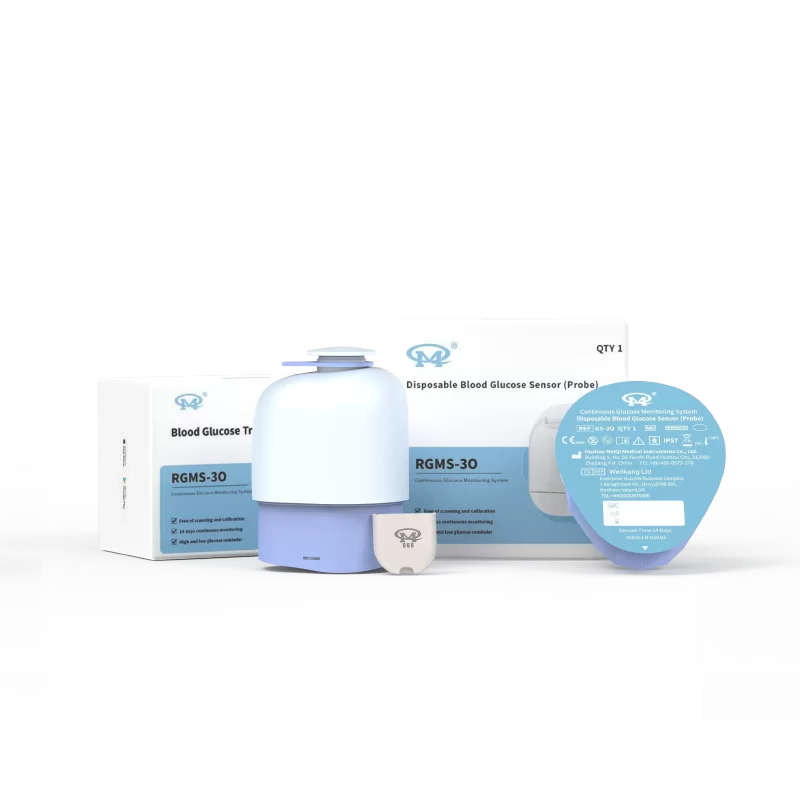
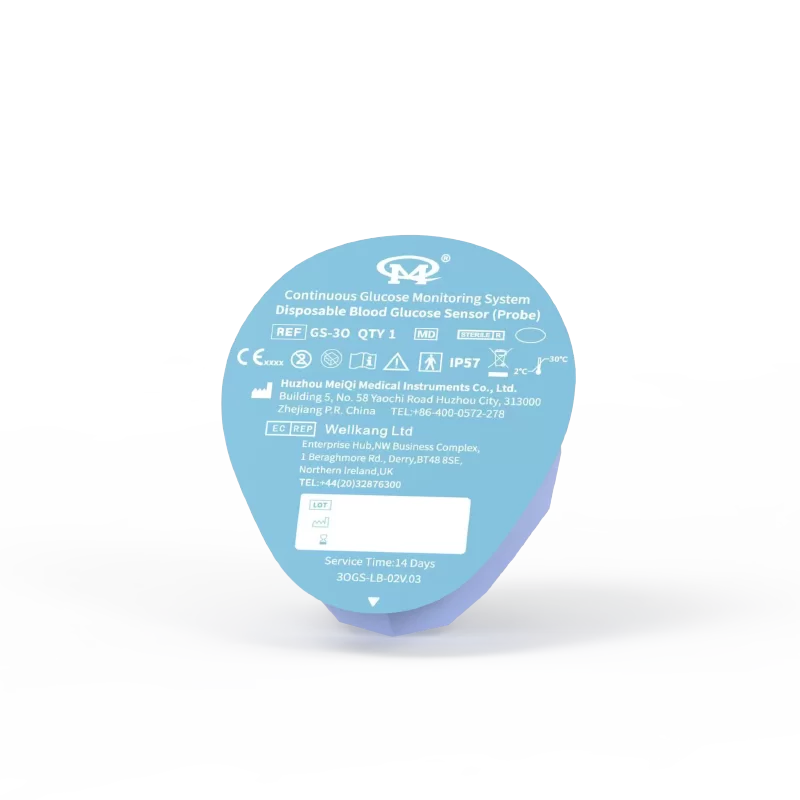
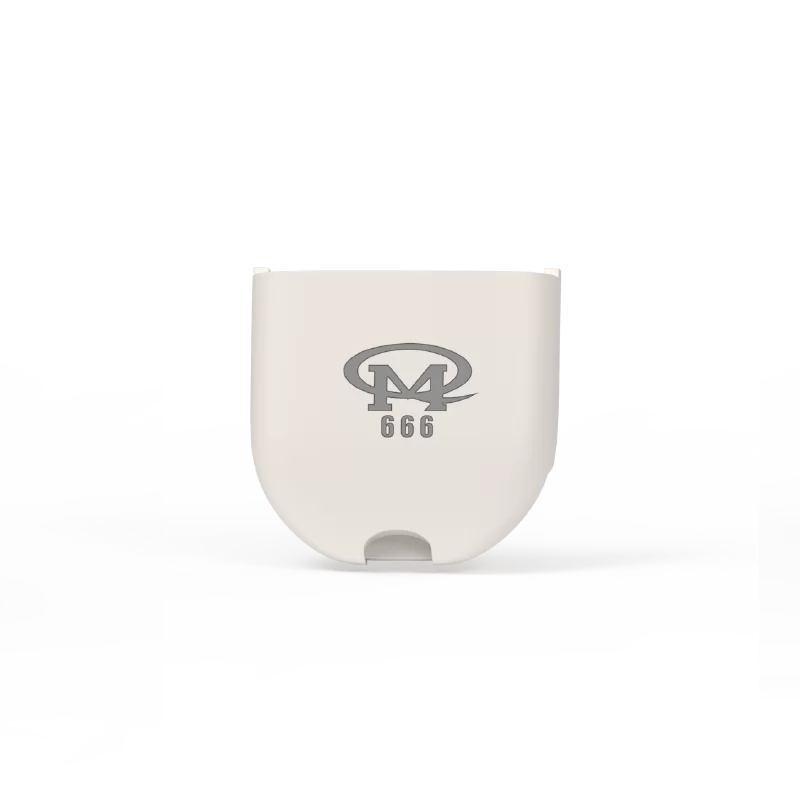
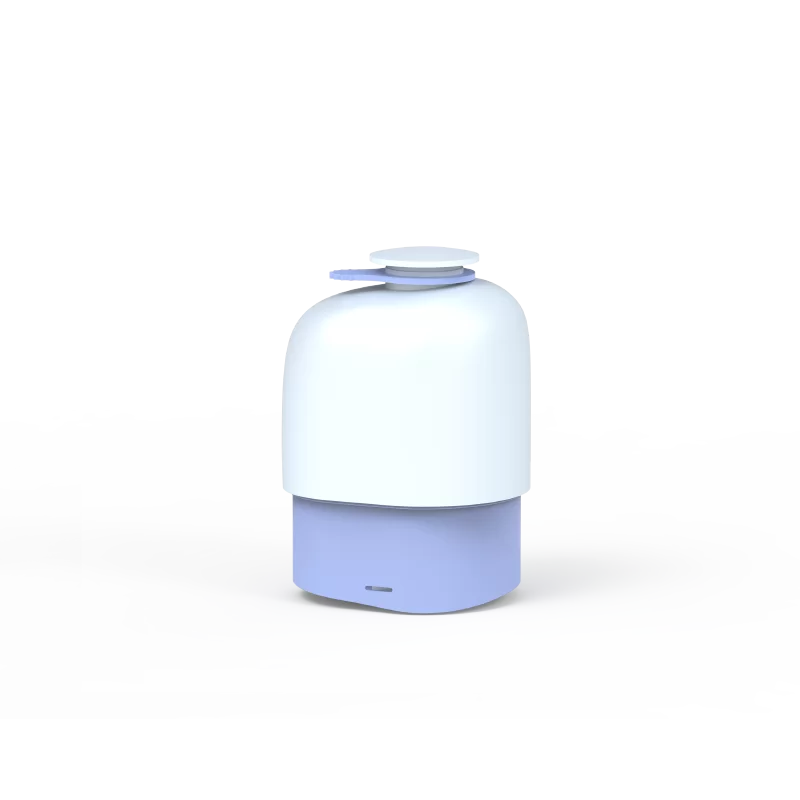
Advanced cgm glucose monitoring system for Kenya Healthcare

Advanced cgm glucose monitoring system for Kenya Healthcare

Download PDF
Contact Us

Advanced cgm glucose monitoring system for Kenya Healthcare

Revolutionizing diabetes management in Kenya with precision, stability, and seamless monitoring for better patient outcomes.

Current Status of Diabetes Monitoring in Kenya

Analyzing the challenges and infrastructure of glucose diagnostics in the East African region.

In Kenya, the prevalence of diabetes is rising rapidly due to urbanization and dietary shifts. Most patients still rely on traditional finger-prick methods, which are intermittent and painful. The demand for a glucose monitor patch has surged as patients seek more convenient, real-time data to manage their condition without constant needles.

Geographically, Kenya's varied climate—from the humid coast of Mombasa to the highlands of Nairobi—places significant stress on medical device adhesives and sensors. Standard monitoring equipment often fails due to high humidity and heat, necessitating medical devices specifically engineered for tropical and sub-tropical environmental resilience.

Economically, while private healthcare in Nairobi is advanced, rural accessibility remains a barrier. There is a critical gap in the market for a cost-effective non invasive glucose monitor that reduces the long-term cost of consumables and improves adherence to treatment plans across diverse socio-economic backgrounds.

Evolution of Glucose Monitoring Technology

From manual strips to seamless digital integration in the Kenyan medical landscape.

Market Development History

From 2000 to 2010, the Kenyan market was dominated by basic glucometers. These required manual blood sampling and offered only a "snapshot" of glucose levels, leading to delayed responses to hypoglycemic events.

Between 2011 and 2020, the introduction of early continous glucose monitor technology began in top-tier urban hospitals. However, these systems were often too expensive and required complex calibration, limiting their use to a small percentage of the population.

From 2021 to the present, the shift toward "smart health" and mobile connectivity (M-Pesa ecosystem integration) has paved the way for the cgm glucose monitoring system, allowing data to be shared instantly between patients and doctors via smartphones.

Future Development Trends

Integration with AI Predictive Analytics

We expect systems to evolve from mere monitoring to predictive alerts, using AI to warn Kenyan patients about potential glucose spikes before they occur based on local dietary patterns.

Enhanced Biocompatibility for Tropical Climates

Future iterations of the glucose monitor patch will utilize advanced medical-grade adhesives that resist perspiration and high humidity common in coastal regions.

Transition to Fully Non-Invasive Sensing

The long-term trajectory points toward the mass adoption of non invasive glucose monitor technologies, eliminating the need for interstitial sensors entirely.

Industry Trends and Future Outlook

Driving the next wave of medical device innovation in East Africa.

Remote Telemedicine Sync
Connecting CGM data directly to clinics in Nairobi to reduce travel for rural patients.
Low-Power Connectivity
Optimizing Bluetooth LE to ensure battery longevity in areas with unstable power grids.
Affordable Consumables
Developing tiered pricing models for sensor patches to increase market penetration.
Non-Invasive Scaling
Scaling optical sensing technology to remove the needle-fear barrier in pediatric care.

Industry Outlook

Google search trends indicate a growing interest in "painless glucose monitoring" within East Africa. This shift suggests that the Kenyan consumer is moving away from reactive care toward proactive, continuous management.

Over the next 3-5 years, we expect a synergistic relationship between wearable medical devices and mobile health apps, where CGM data triggers automatic nutritional advice based on local Kenyan foods, enhancing the overall efficacy of diabetes treatment.

Localized Application Scenarios in Kenya

Real-world implementation of continuous monitoring in diverse Kenyan settings.

1. Urban Professional Management in Nairobi

For busy professionals in the capital, the continuous glucose monitor allows for discreet tracking during meetings, sending alerts to their smartphone to prevent hypoglycemia during high-stress workdays.

2. Rural Community Health Outreach

Community health workers use the cgm glucose monitoring system to monitor multiple high-risk patients in remote villages, uploading data to a central hub for physician review.

3. Pediatric Care in Public Hospitals

By utilizing a non invasive glucose monitor, pediatric wards in Kenyan public hospitals can monitor children's glucose levels without the trauma of repeated needle sticks.

4. Athletic Performance in High-Altitude Training

Athletes training in the Rift Valley use the glucose monitor patch to optimize their energy levels and nutrition during intense endurance training.

5. Coastal Region Chronic Care

Patients in Mombasa utilize moisture-resistant sensors to maintain accurate monitoring despite the extreme humidity, ensuring their insulin dosage remains precise.

Brand Story

Global Development History of Huzhou Xinmei Medical Equipment Co., Ltd.

Foundation & Vision

Established with a mission to democratize precision diagnostics, we began by tackling the instability of traditional glucose sensors.

Technological Breakthrough

Developed a proprietary enzyme-membrane technology that significantly increased the lifespan and accuracy of the glucose monitor patch.

Global Certification

Achieved international ISO and CE certifications, ensuring our devices meet the rigorous safety standards required for global export.

African Market Entry

Strategically expanded into East Africa, adapting our hardware to withstand tropical environments and varying economic conditions.

Future of Care

Continuing to innovate in non-invasive sensing to eliminate pain and improve the quality of life for millions of diabetes patients worldwide.

Frequently Asked Questions in Kenya

Solving the most common concerns regarding continuous glucose monitoring.

How does a glucose monitor patch stay attached in hot Kenyan weather?

Our patches use medical-grade, breathable acrylic adhesives specifically tested for high-humidity environments to ensure they remain secure during perspiration.

Is a continuous glucose monitor more accurate than finger-prick tests?

While finger-prick tests provide a single point of data, a CGM provides trends and alerts, offering a more comprehensive view of metabolic health over time.

Can I use a non invasive glucose monitor for official medical diagnosis?

Non-invasive monitors are excellent for screening and trend tracking, but we recommend consulting a healthcare provider for a formal clinical diagnosis.

How long does a typical cgm glucose monitoring system sensor last?

Depending on the model, our sensors typically last between 10 to 14 days before needing replacement, reducing the burden of daily testing.

Does the continuous glucose monitor work with Android phones in Kenya?

Yes, our system is compatible with most Android and iOS devices, ensuring accessibility across the most common smartphone brands used in the region.

Where can I dispose of my used glucose monitor patch safely in Nairobi?

We recommend returning used sensors to designated medical waste collection points at your local clinic or hospital to ensure environmental safety.

Partner with the Leaders in Diabetes Care

Ready to upgrade your medical facility or personal health journey in Kenya? Our experts are here to help you implement the best monitoring solutions.

Contact Us Now

If you are interested in our products, you can choose to leave your information here, and we will be in touch with you shortly.