


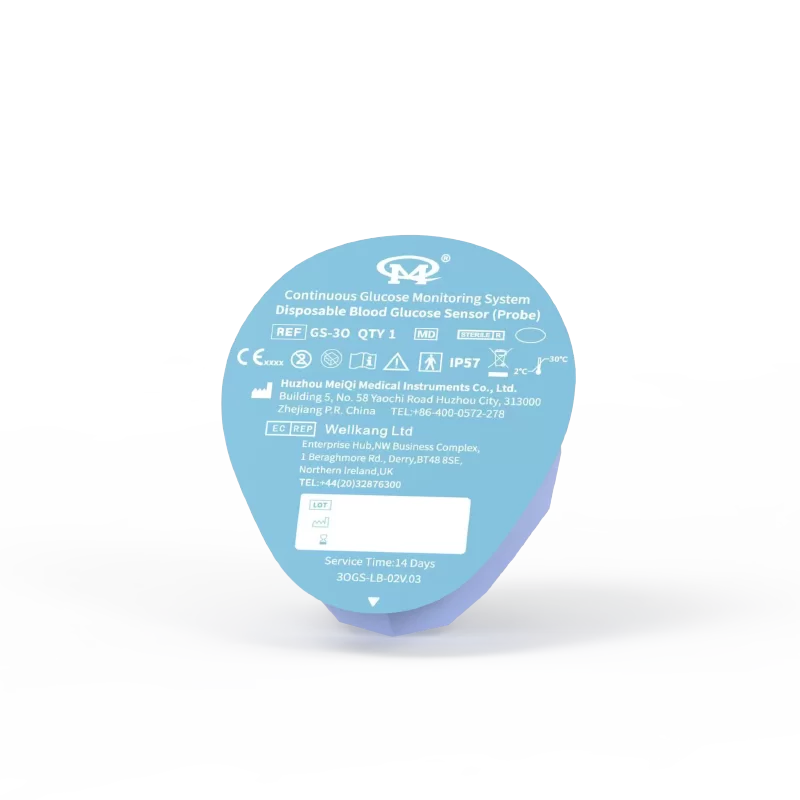

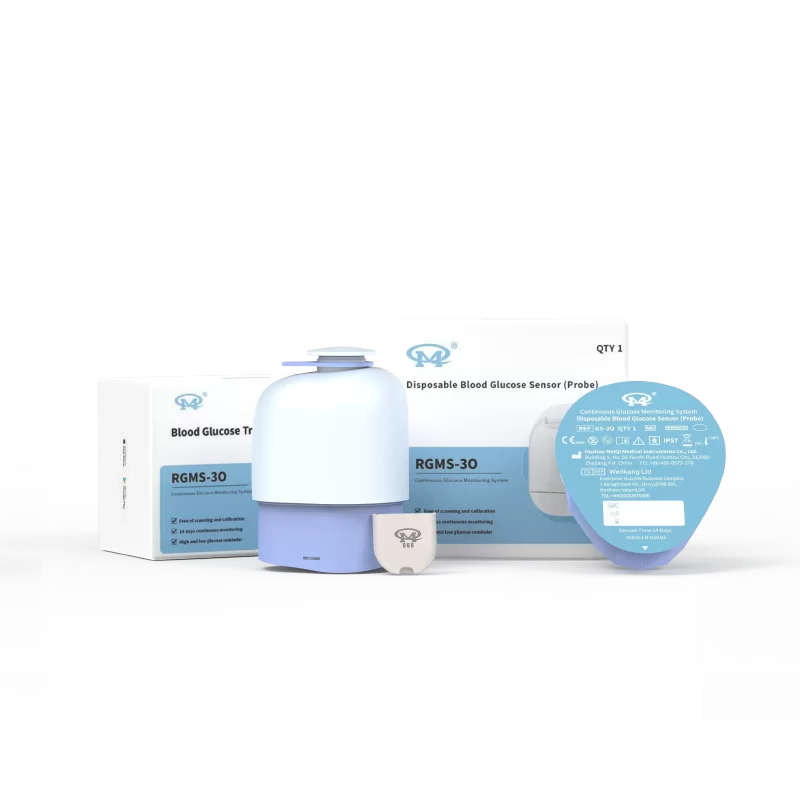
Bolivia presents a unique challenge for medical diagnostics due to its extreme geographic diversity, ranging from the high-altitude Altiplano to the tropical Amazon basin. In these regions, the demand for a reliable continuous glucose monitor is surging as patients seek alternatives to frequent finger-stick tests, which can be problematic in remote rural clinics with limited supplies.
Economically, the Bolivian healthcare system is transitioning toward more sustainable, long-term monitoring technologies. The integration of a glucose monitor patch allows for better adherence to treatment plans among the indigenous and urban populations, reducing the burden on overcrowded public hospitals in La Paz and Santa Cruz.
Current medical infrastructure in Bolivia is increasingly adopting digital health records. This shift makes the implementation of a continous glucose monitor essential, as it provides the longitudinal data necessary for endocrinologists to adjust insulin dosages accurately across varying metabolic rates caused by high-altitude living.


