

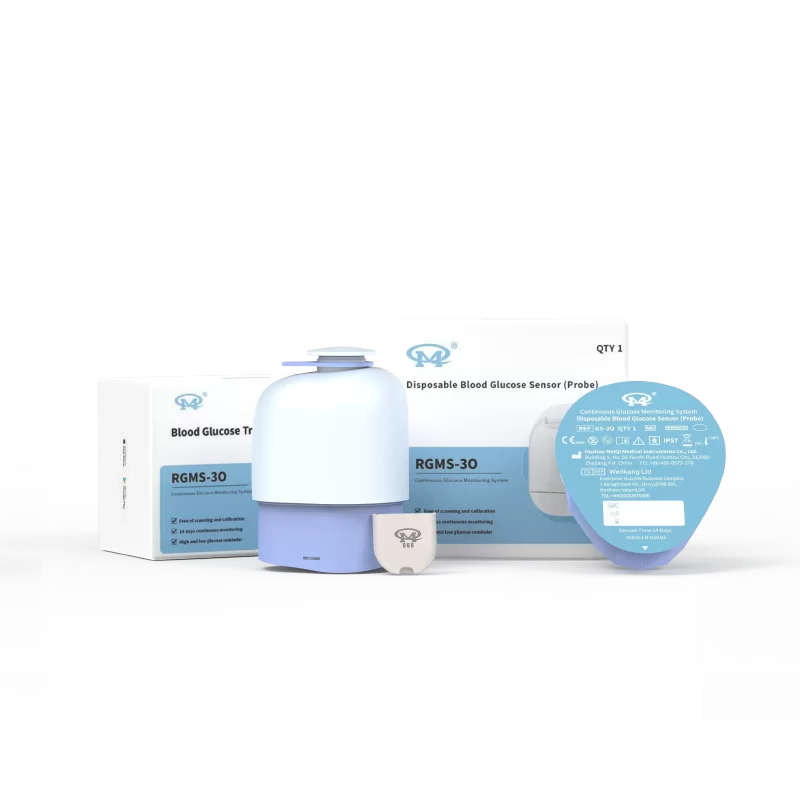
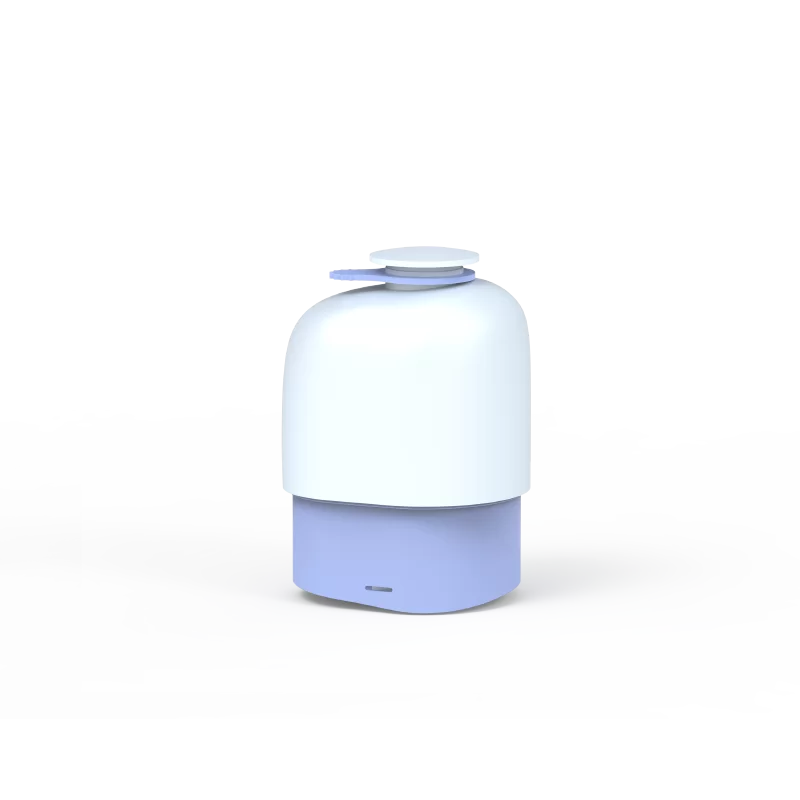
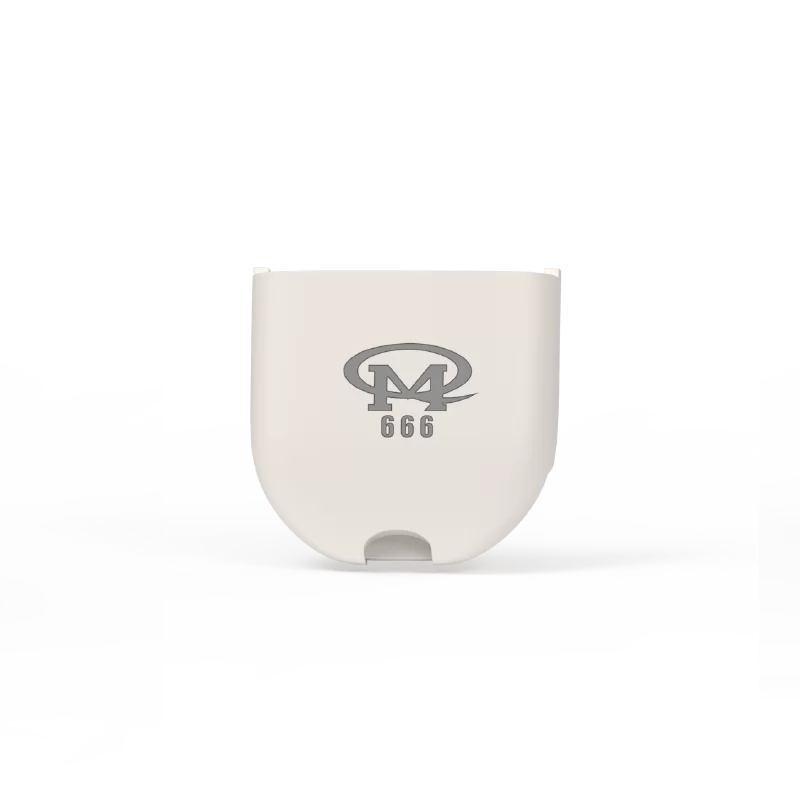
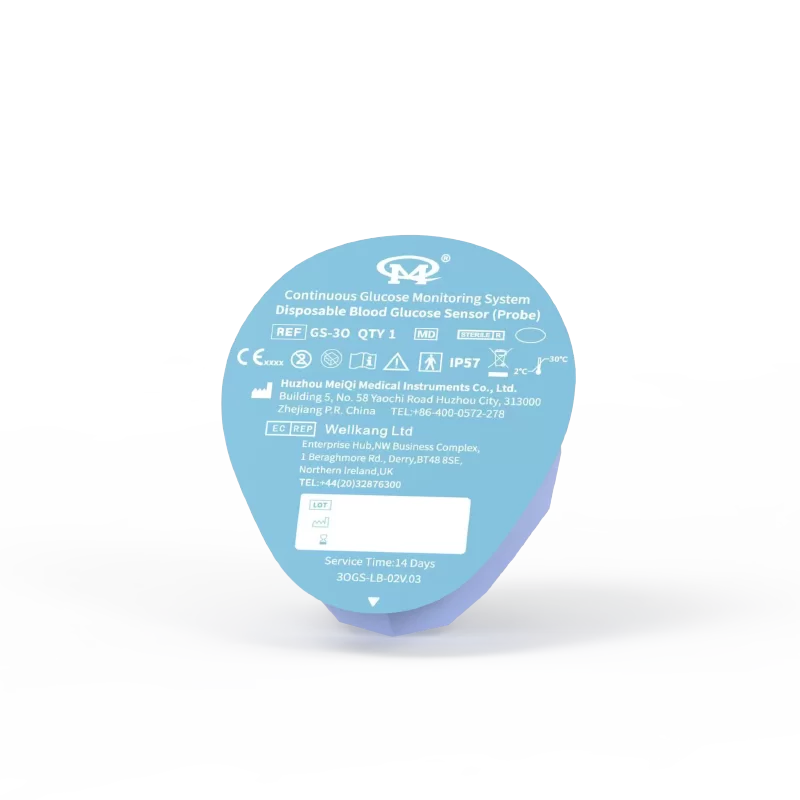
Advanced Diabetes Management in Bolivia with cgm glucose monitoring system

Advanced Diabetes Management in Bolivia with cgm glucose monitoring system

Download PDF
Contact Us

Advanced Diabetes Management in Bolivia with cgm glucose monitoring system

Revolutionizing glycemic control across the Altiplano and Lowlands through precision medical device manufacturing and real-time data insights.

Advanced Diabetes Management in Bolivia with cgm glucose monitoring system

Our comprehensive medical diagnostic solutions provide the Bolivian healthcare sector with high-precision tools to combat diabetes, ensuring stable health outcomes regardless of geographic altitude or accessibility.

The Landscape of Glucose Monitoring in Bolivia

Analyzing the intersection of altitude, economy, and healthcare access in the Bolivian medical device market.

Bolivia presents a unique challenge for medical diagnostics due to its extreme geographic diversity, ranging from the high-altitude Altiplano to the tropical Amazon basin. In these regions, the demand for a reliable continuous glucose monitor is surging as patients seek alternatives to frequent finger-stick tests, which can be problematic in remote rural clinics with limited supplies.

Economically, the Bolivian healthcare system is transitioning toward more sustainable, long-term monitoring technologies. The integration of a glucose monitor patch allows for better adherence to treatment plans among the indigenous and urban populations, reducing the burden on overcrowded public hospitals in La Paz and Santa Cruz.

Current medical infrastructure in Bolivia is increasingly adopting digital health records. This shift makes the implementation of a continous glucose monitor essential, as it provides the longitudinal data necessary for endocrinologists to adjust insulin dosages accurately across varying metabolic rates caused by high-altitude living.

Evolution of Glycemic Diagnostics in Bolivia

From manual strips to the era of seamless biosensors.

Market Development History

Prior to 2010, diabetes management in Bolivia relied almost exclusively on glucometers and manual test strips. This traditional method was often hindered by the instability of chemical reagents in humid tropical zones and the high cost of consumables for low-income families.

Between 2012 and 2020, the market saw the introduction of semi-automated systems. However, the real breakthrough occurred with the introduction of a non invasive glucose monitor concept, which began to gain traction among healthcare providers looking to eliminate the pain and infection risks associated with traditional needles.

From 2021 to the present, the focus has shifted toward "smart" ecosystems. The adoption of a full continuous glucose monitor allows for real-time alerts via smartphones, which is critical for patients in remote areas who cannot visit a clinic daily.

Future Development Trends

AI-Driven Predictive Analytics

Integration of machine learning to predict hypoglycemic events before they occur, specifically tuned to the dietary habits of the Bolivian population.

Enhanced Biosensor Longevity

Developing patches that can withstand the extreme temperature fluctuations of the Andean highlands without losing calibration accuracy.

Telemedicine Integration

Direct synchronization of sensor data with centralized health hubs in Bolivia to provide remote specialist consultation for rural patients.

Industry Trends and Future Outlook for Bolivia

Strategic directions for medical diagnostic equipment in South America.

Non-Invasive Shift
Growing demand for non-piercing technology to increase patient compliance across all age groups in Bolivia.
Cost-Effective Scale
Manufacturing optimized for affordability to ensure accessibility for public health initiatives in South America.
IoT Synchronization
Seamless cloud integration for real-time monitoring by medical teams in La Paz and Santa Cruz.
Precision Engineering
Advanced sensor calibration to maintain accuracy across varying oxygen levels in high-altitude zones.

Industry Outlook

Over the next 3-5 years, the Bolivian market will see a decisive pivot toward integrated diagnostic platforms. According to search trend logic, there is an increasing volume of queries regarding "pain-free monitoring" and "remote diabetes care," indicating that the population is ready for the full adoption of a continuous glucose monitor.

We anticipate that government health tenders will prioritize devices that offer lower long-term costs through reusable transmitters and disposable sensors, moving away from the expensive daily cost of traditional strips to a more sustainable monthly subscription model for sensors.

Localized Application Scenarios in Bolivia

Tailoring medical technology to the diverse lifestyle and geography of Bolivia.

1. High-Altitude Metabolic Monitoring in La Paz

Utilizing the system to track how high-altitude hypoxia affects glucose metabolism in patients living above 3,600 meters, ensuring that insulin sensitivity is monitored in real-time.

2. Remote Community Health Outposts in the Altiplano

Deploying a glucose monitor patch in rural clinics where medical staff are limited, allowing patients to self-monitor and only travel to cities for urgent adjustments.

3. Urban Diabetic Management in Santa Cruz

Integrating smart monitoring into the fast-paced lifestyle of Bolivia's economic hub, where patients can track glucose levels via smartphone while maintaining professional productivity.

4. Tropical Humidity Resilience in Beni & Pando

Implementing specialized medical-grade adhesives on sensors to ensure the device remains attached despite high humidity and perspiration in the lowland rainforest regions.

5. Pediatric Care in Public Bolivian Hospitals

Reducing the trauma of frequent needle pricks for children with Type 1 diabetes by utilizing a continuous glucose monitor for painless, 24/7 oversight.

Brand Story

Global Development Journey of Huzhou Xinmei Medical Equipment Co., Ltd.

Founding Vision

Established with a mission to democratize high-precision medical diagnostics, focusing on removing the barriers of pain and cost in diabetes care.

R&D Breakthroughs

Developed proprietary enzyme-based sensor technology that significantly increased the accuracy and lifespan of continuous monitoring devices.

Global Quality Certification

Achieved international ISO and CE certifications, ensuring that our devices meet the stringent safety standards required for the South American market.

Strategic Market Expansion

Expanded distribution networks into Latin America, specifically tailoring our product durability to survive diverse climatic conditions.

Commitment to Future Health

Investing in next-generation non-invasive technology to eventually eliminate the need for interstitial needles entirely.

Common Questions Regarding Glucose Monitoring in Bolivia

Expert answers to the most frequent technical and regional queries.

How does a continuous glucose monitor perform in high altitudes like La Paz?

Our devices are engineered with pressure-compensated sensors that ensure accuracy regardless of atmospheric pressure changes common in the Bolivian highlands.

Is the glucose monitor patch water-resistant for the humid climates of Santa Cruz?

Yes, our patches utilize a medical-grade hydrophobic adhesive designed to withstand high humidity and sweat, ensuring the sensor stays secure for its full duration.

What are the benefits of a non invasive glucose monitor over traditional strips?

The primary benefits include the elimination of skin punctures, reducing the risk of infection and increasing the frequency of testing without causing patient discomfort.

How do I synchronize my cgm glucose monitoring system with my doctor?

The system syncs via a secure cloud app, allowing your healthcare provider to view your glucose trends in real-time from any clinic in Bolivia.

Are these continuous glucose monitor devices approved for use in South America?

Our products adhere to international quality standards and are designed to comply with the regulatory requirements of the Bolivian health authorities.

What is the typical lifespan of a single glucose monitor patch?

Depending on the specific model, our sensors typically last between 10 to 14 days, providing continuous data without the need for daily replacements.

Request a Professional Consultation

Partner with the leader in medical diagnostic manufacturing to improve diabetes care across Bolivia.

Contact Us Now

If you are interested in our products, you can choose to leave your information here, and we will be in touch with you shortly.