

Ethiopia Advanced Diabetes Care cgm glucose monitoring system Solutions

Ethiopia Advanced Diabetes Care cgm glucose monitoring system Solutions

Download PDF
Contact Us

Ethiopia Advanced Diabetes Care: cgm glucose monitoring system Solutions

Empowering Ethiopian healthcare providers and patients with precision medical diagnostic and monitoring equipment for seamless glycemic control.

Ethiopia Advanced Diabetes Care: cgm glucose monitoring system Solutions

Integrating high-precision medical instrumentation to transform diabetes management across Ethiopia's diverse climatic zones.

The Landscape of Glucose Monitoring in Ethiopia

Analyzing the challenges of medical device deployment in the Horn of Africa.

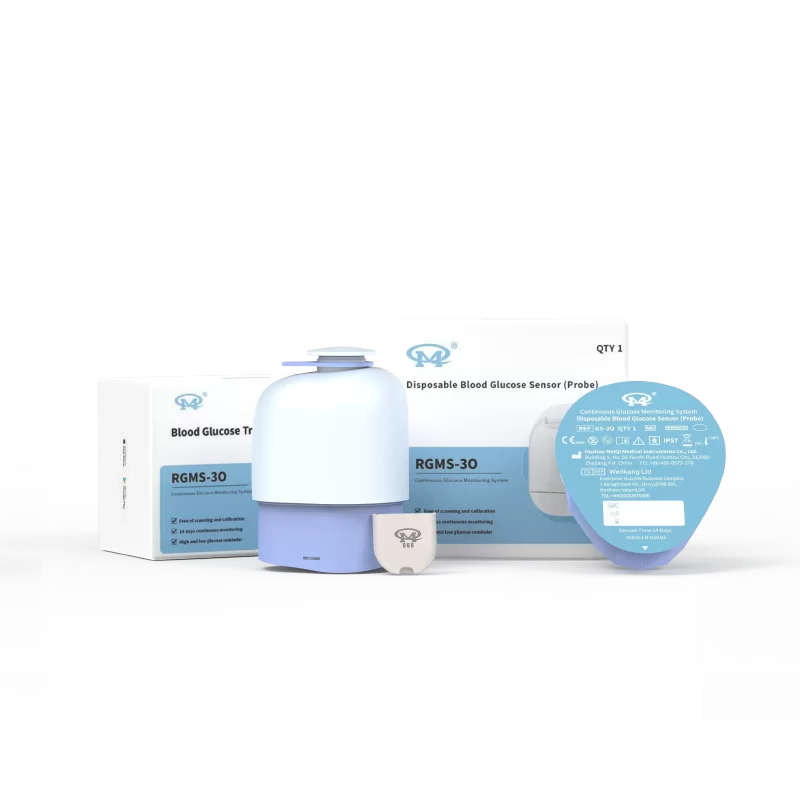
In Ethiopia, diabetes management is often hindered by the geographic divide between urban hubs like Addis Ababa and remote rural highlands. The reliance on traditional finger-prick methods is high, yet the instability of supply chains for consumables often makes a continuous glucose monitor a more sustainable long-term investment for patients.

Environmental factors, including extreme humidity in lowland regions and high altitudes in the central plateau, place significant stress on the calibration and stability of medical diagnostic equipment. There is a critical demand for a robust glucose monitor patch that can maintain adhesive integrity and sensor accuracy under varying sweat levels and temperatures.

Economic constraints and a shortage of specialized endocrinologists mean that autonomous monitoring systems are no longer a luxury but a necessity. The shift toward a non invasive glucose monitor is gaining traction as a way to increase patient compliance and reduce the biohazardous waste associated with traditional strips.

Evolution and Trajectory of Glycemic Monitoring

From intermittent testing to real-time data streams in Ethiopian clinics.

Market Development History

Prior to 2010, diabetes care in Ethiopia relied almost exclusively on sporadic blood glucose meters. The primary limitation was the lack of trend data, leaving patients vulnerable to nocturnal hypoglycemia without warning.

Between 2015 and 2022, the introduction of basic continous glucose monitor technology began in private hospitals. This period marked the transition from reactive treatment to proactive management, allowing for better insulin titration.

Currently, the market is evolving toward integrated ecosystems where the cgm glucose monitoring system connects directly to smartphone apps, enabling remote patient monitoring (RPM) which is vital for Ethiopia's dispersed population.

Future Development Trends

AI-Driven Predictive Analytics

Integration of machine learning to predict hypoglycemic events 30 minutes in advance, specifically tailored to local Ethiopian dietary patterns.

Ultra-Long-Wear Sensors

Development of sensors lasting 30+ days to reduce the frequency of device replacement and lower the cost per day for the end-user.

Universal Interoperability

Standardizing data output to ensure that CGM data can be seamlessly integrated into Ethiopia's emerging digital health records (EHR).

Industry Trends and Future Outlook

Strategic forecasting for the medical device manufacturing sector in Ethiopia.

Non-Invasive Shift
Rapid adoption of non invasive glucose monitor tech to eliminate needle phobia and infection risks.
Telemedicine Sync
Direct API integration between CGM devices and Addis Ababa's leading endocrinology clinics.
Eco-Friendly Hardware
Transitioning to biodegradable materials for the glucose monitor patch to reduce medical waste.
Cost-Effective Scale
Implementing tiered pricing models to make continuous glucose monitor systems accessible to lower-income tiers.

Industry Outlook

Based on Google search trends in East Africa, there is a significant uptick in queries regarding "painless glucose monitoring" and "automatic insulin sync." This indicates a shift in user behavior from passive monitoring to an integrated health-tech approach.

Over the next 3-5 years, we expect the Ethiopian medical device market to move toward "Smart Hubs" where a single diagnostic device manages multiple chronic conditions, leveraging the core technology of the CGM system.

Localized Application Scenarios in Ethiopia

Practical implementations of CGM technology in diverse Ethiopian environments.

1. Remote Rural Health Posts

Using CGM systems to allow community health workers in the Amhara region to monitor high-risk patients without requiring daily travel to regional hospitals.

2. Urban Corporate Wellness in Addis Ababa

Implementation of non invasive glucose monitor programs for corporate employees to combat the rising rates of Type 2 diabetes in urban centers.

3. High-Altitude Athletic Monitoring

Utilizing the glucose monitor patch for athletes training in the Ethiopian highlands to optimize energy levels and glucose stability during endurance training.

4. Pediatric Diabetes Care in Specialized Clinics

Deploying continuous glucose monitor technology to reduce the trauma of frequent finger-sticks for children in Addis Ababa's pediatric wards.

5. Gestational Diabetes Screening

Integrating a cgm glucose monitoring system into prenatal care to ensure maternal and fetal health during high-risk pregnancies.

Brand Story

Global Development Journey of Huzhou Xinmei Medical Equipment Co., Ltd.

Foundational Precision

Established with a mission to democratize medical diagnostics, focusing on the core engineering of glucose sensing technology.

Technological Breakthrough

Developed the proprietary enzyme-stabilization process that allows monitors to operate accurately in extreme climates.

Global Expansion

Expanded operations into Africa, identifying the specific pain points of the Ethiopian healthcare infrastructure.

Quality Certification

Achieved international ISO and CE certifications to ensure that every device meeting the global gold standard of safety.

Future Vision

Committed to eradicating "blind" diabetes management by providing every patient with real-time glycemic visibility.

Ethiopia Diabetes Monitoring FAQ

Addressing common technical and logistical queries from our local partners.

How does the cgm glucose monitoring system handle Ethiopia's high-altitude environments?

Our sensors are engineered with atmospheric pressure compensation algorithms, ensuring that the interstitial fluid readings remain accurate even in the high altitudes of the Ethiopian plateau.

Is the glucose monitor patch suitable for high-humidity areas?

Yes, we use a medical-grade, breathable hypoallergenic adhesive specifically designed to resist moisture and perspiration, preventing the patch from peeling in humid lowland regions.

What are the benefits of a non invasive glucose monitor for rural clinics?

Non-invasive systems eliminate the need for lancets and test strips, significantly reducing the cost of consumables and the risk of cross-contamination in resource-limited settings.

How often should a continuous glucose monitor be replaced?

Depending on the specific model, our sensors typically last between 10 to 14 days, providing 24/7 data streams without the need for daily calibration.

Can a continous glucose monitor sync with local smartphone brands in Ethiopia?

Our system uses universal Bluetooth Low Energy (BLE) protocols, making it compatible with almost all Android and iOS devices available in the Ethiopian market.

What training is required for healthcare providers to use these systems?

We provide a comprehensive certification program covering sensor application, data interpretation, and patient counseling specifically for the Ethiopian medical context.

Partner With Us for Better Health

Contact our expert team to bring world-class glucose monitoring solutions to Ethiopia.

Contact Us Now

If you are interested in our products, you can choose to leave your information here, and we will be in touch with you shortly.