


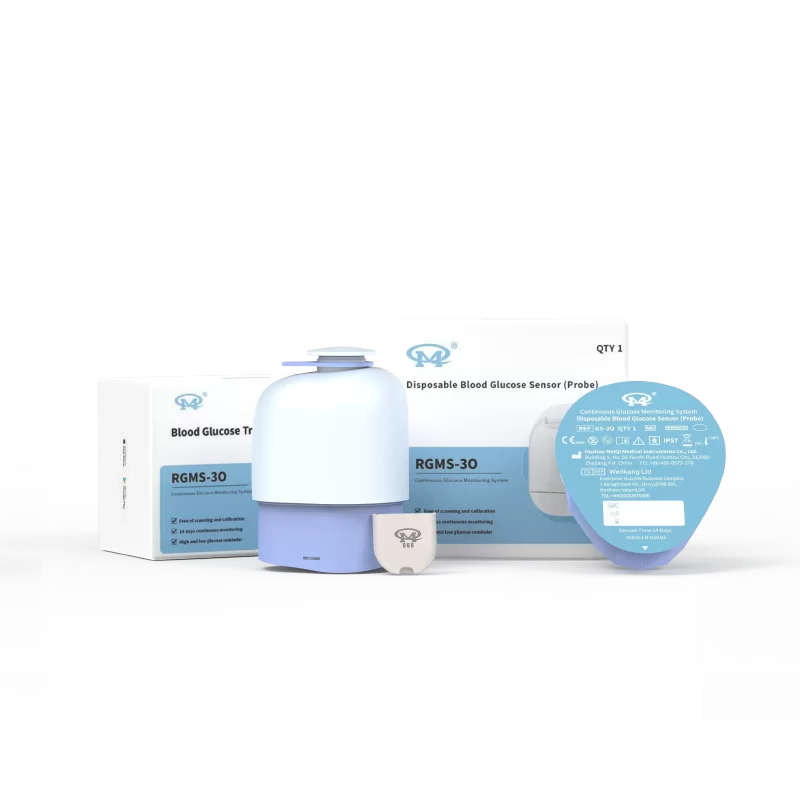
The US healthcare market is currently characterized by a massive shift toward outpatient care and remote monitoring, driven by the high prevalence of Type 2 diabetes and an aging population. The demand for a continous glucose monitor has surged as patients seek to reduce the burden of finger-stick testing while complying with strict FDA regulatory standards.
Economically, the rise of value-based care models in North America is pushing providers toward tools that offer longitudinal data. The integration of a glucose monitor patch into daily routines allows for better glycemic control, reducing expensive emergency room visits related to hypoglycemia and hyperglycemia.
Geographically, the diverse climate of the US—from the humid South to the arid West—requires medical devices with high environmental resilience. This has led to an increased focus on the biocompatibility and adhesive strength of wearable sensors to ensure stability during varied physical activities and weather conditions.


