


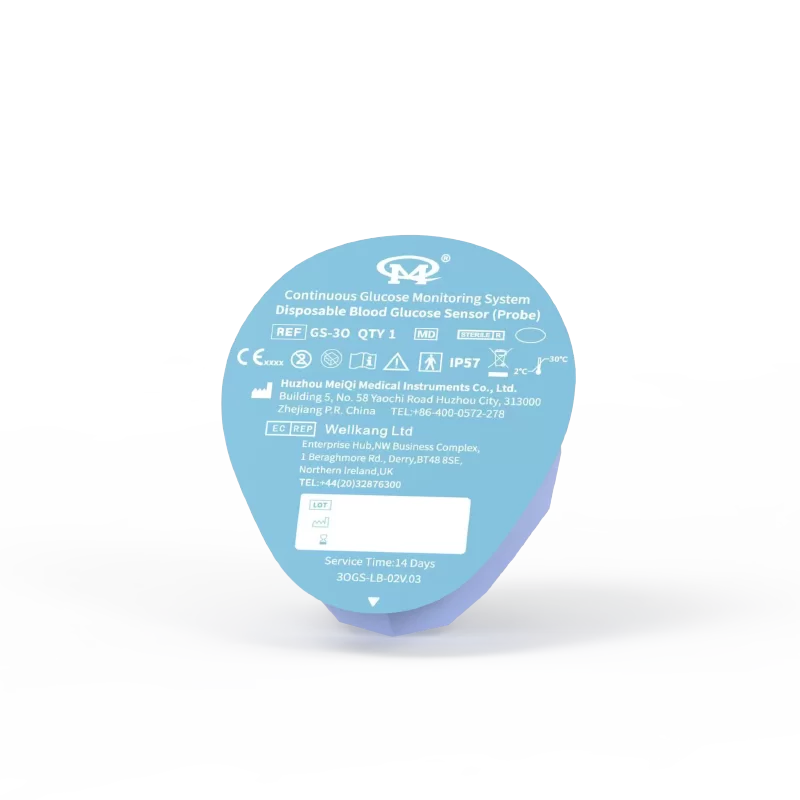
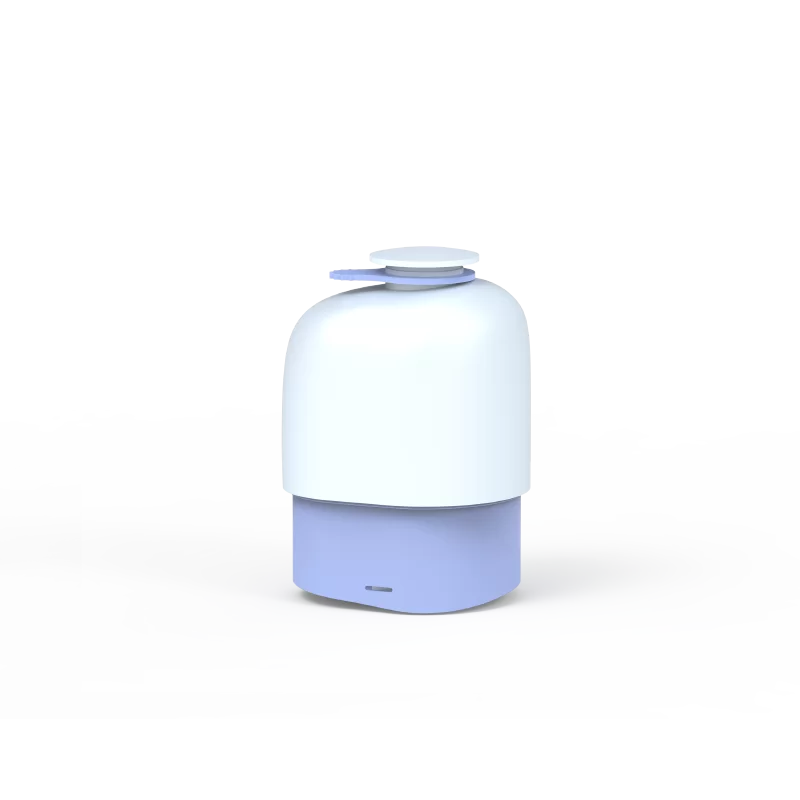
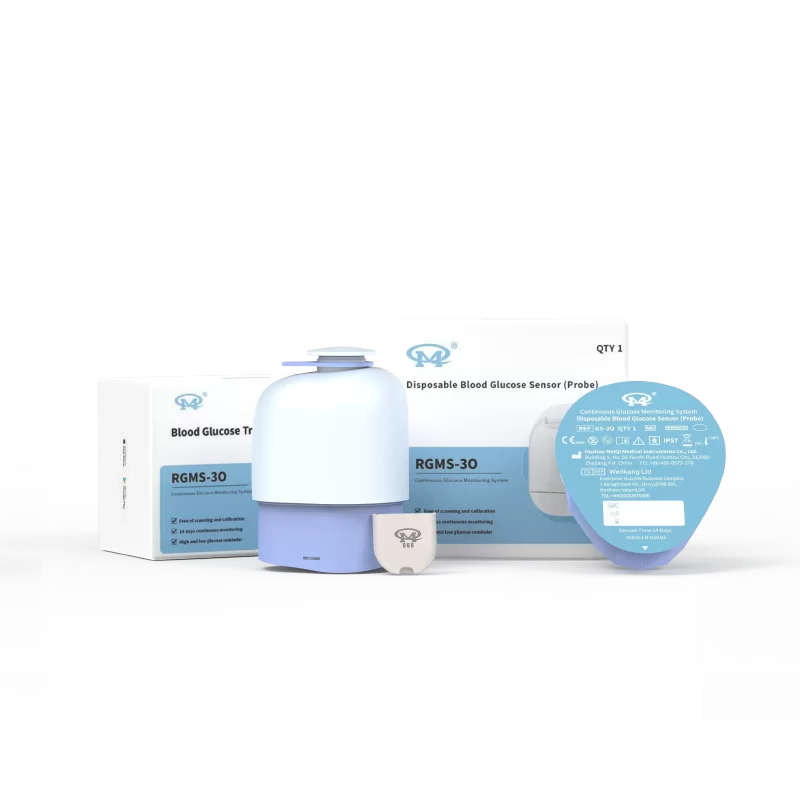
Bangladesh faces a significant challenge with rising diabetes prevalence, often complicated by a tropical climate characterized by extreme humidity. This environment puts immense pressure on medical adhesives used in a glucose monitor patch, requiring specialized biocompatible materials that remain secure during heavy perspiration and monsoon seasons.
Economically, there is a stark divide between urban centers like Dhaka and rural villages. While metropolitan hospitals are adopting advanced tools, rural populations still rely on intermittent finger-pricking. The introduction of a continous glucose monitor offers a critical bridge, reducing the need for frequent clinic visits and providing real-time data to remote practitioners.
Furthermore, the local medical infrastructure is shifting toward digitalization. The demand for an integrated continuous glucose monitor is increasing as patients seek more autonomy and better synchronization with smartphone-based health tracking, which is highly prevalent among the youth in Bangladesh.


